
Standing in the flooring-and-wall-décor aisle with three totally different products in your cart is a very specific kind of overwhelm. A jute rug, a canvas print, and a box of peel and stick tile all promise to transform a room, but they solve completely different problems. Picking the wrong one means either an underwhelming result or a return trip to the store. This guide breaks down what each material actually does best, what it costs in time and money, and how to match the right option to your room, your budget, and your patience level.
What Problem Are You Actually Trying to Solve?
Before comparing materials, get honest about the actual issue in the room. Décor decisions go sideways when people buy based on what looked good in a photo rather than what the space needs. Ask yourself three questions: Is the floor cold, bare, or scuffed? Are the walls empty and flat, lacking personality? Or is a specific surface – a backsplash, an accent wall, a stair riser – dated and in need of a facelift without a full renovation? Each of those three problems points toward a different one of these products, and mixing them up is the single biggest reason people end up unhappy with the result.
A jute rug solves floor problems: texture, warmth, sound dampening, and defining a seating area. A canvas print solves wall problems: adding color, art, and personality to a blank vertical surface. A peel and stick tile solves surface-renovation problems: refreshing a backsplash, floor, or accent wall that looks tired but doesn’t justify a contractor. Once you know which category your problem falls into, the decision gets much simpler.
Jute Rugs: Best For Grounding a Room
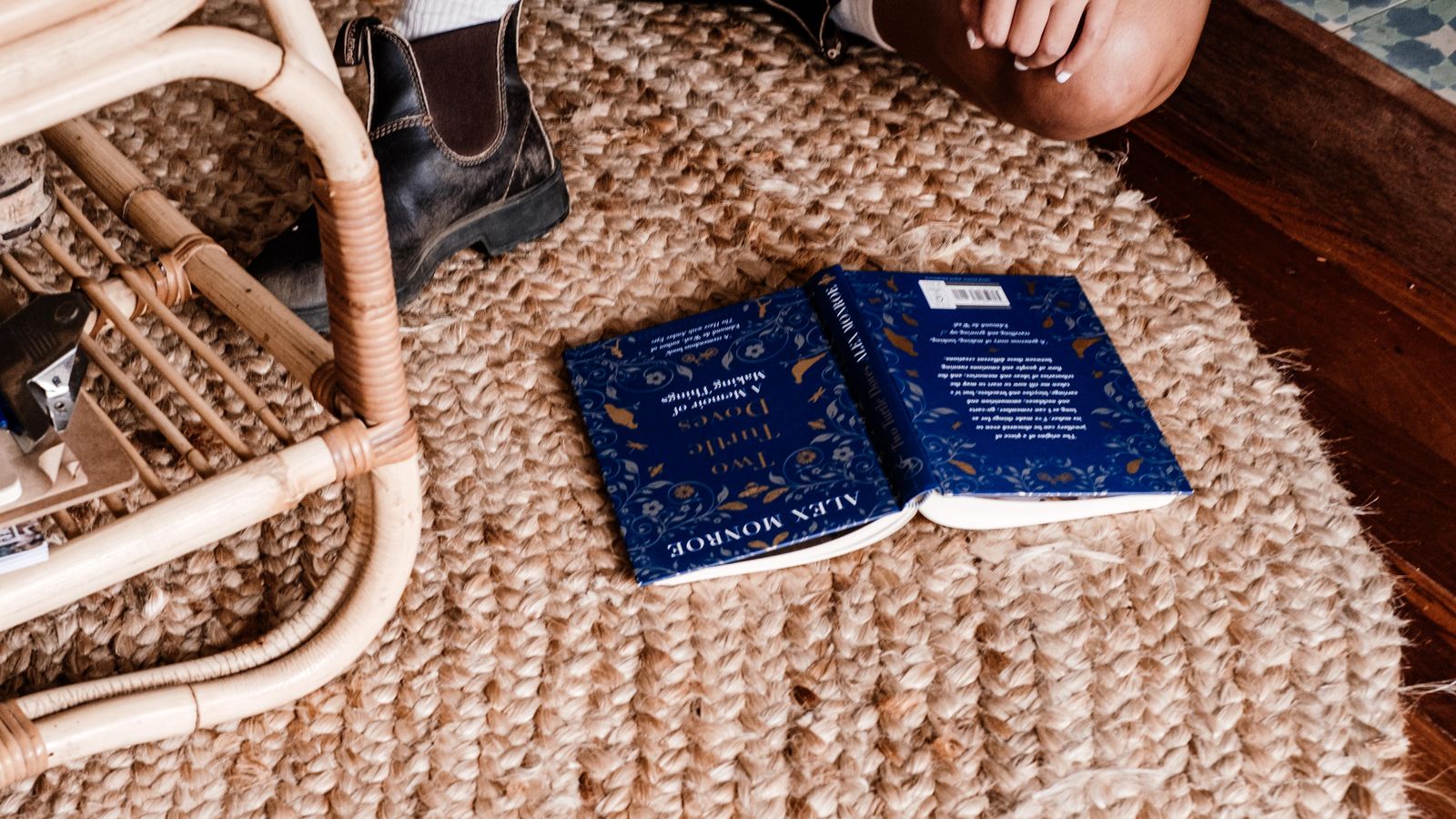
Jute is a natural plant fiber woven into thick, textured rugs that bring warmth to hardwood, tile, or laminate floors. Jute rugs work especially well in living rooms, dining areas, and entryways where you want to anchor furniture groupings and soften hard flooring underfoot. The natural, slightly nubby texture pairs well with almost any style, from coastal to boho to modern farmhouse, because the neutral tan tones act like a blank canvas rather than competing with your existing palette.
The tradeoffs are real, though. Jute is not naturally stain-resistant, so it’s a poor choice for dining rooms with young kids or high-traffic entryways exposed to rain and mud. It can also feel scratchy underfoot compared to wool or synthetic rugs, which matters if you plan to lounge on the floor. If you’re drawn to the look but need better durability, a jute-and-wool blend or a jute-look synthetic rug can offer similar texture with easier cleanup.
Where a Jute Rug Wins
- Living rooms and family rooms needing texture and warmth
- Layering under a smaller accent rug for visual depth
- Low-moisture areas like bedrooms, dining rooms, and home offices
- Budget-friendly large-format flooring – jute rugs cost far less per square foot than most other floor coverings
If a jute rug sounds like the right fit, browse a curated roundup of Jute Rugs to compare sizes, weaves, and price points before you buy.
Canvas Prints: Best For Filling Empty Walls
A canvas print is stretched fabric, printed with artwork or a photograph, that hangs on the wall like a lightweight piece of art. Unlike framed prints under glass, canvas has a matte, textured finish that reads as more substantial and gallery-like, and it comes ready to hang with no additional framing needed. Canvas prints are the fastest way to add color, mood, and personality to a room without touching the floor or the walls’ actual surface.
Canvas shines above sofas, over beds, in stairwells, and in any spot where a large blank wall is making the room feel unfinished. A single oversized canvas print can do more visual work than a cluster of small frames, and it’s far less commitment than paint or wallpaper. The downside is that canvas is purely decorative – it doesn’t address flooring, storage, or surface wear, so it’s the wrong pick if your actual complaint is about a tired floor or an outdated countertop.
Where a Canvas Print Wins
- Large blank walls above furniture that need a focal point
- Renters who can’t paint or wallpaper but want personality
- Adding color and mood without committing to a permanent change
- Gallery walls or statement pieces in entryways and hallways
Explore a selection of canvas prints to find sizing, subject matter, and finish options that fit your wall.

Peel and Stick Tile: Best For Refreshing a Worn Surface
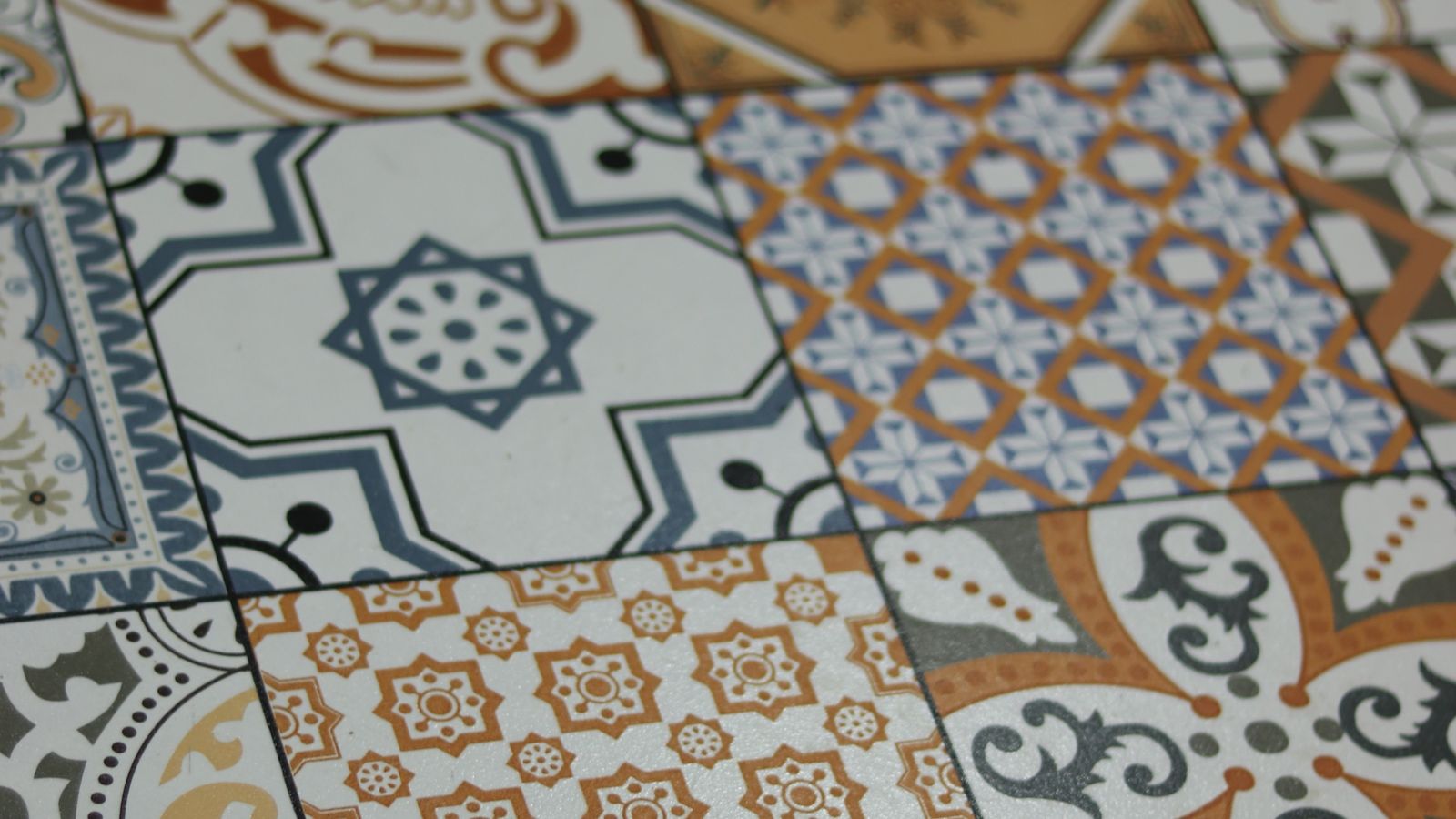
Peel and stick tile is a self-adhesive vinyl or composite tile that mimics ceramic, stone, or patterned tile without the labor, mess, or cost of a traditional installation. It’s applied directly over an existing surface – a backsplash, bathroom floor, laundry room, or even a fireplace surround – and can typically be removed later without major damage, which makes it popular with both homeowners doing a budget refresh and renters wanting a temporary upgrade.
This is the product to reach for when the actual problem is a specific surface, not the whole room. A dated kitchen backsplash, a worn bathroom floor, or a plain stair riser can all be transformed in an afternoon without hiring a contractor or dealing with grout and thinset. Peel and stick tile is not, however, a substitute for a rug or wall art – it’s meant for a defined, hard surface, and it performs best on flat, clean substrates. Uneven walls or heavily textured surfaces will show through and shorten the tile’s lifespan.
Where Peel and Stick Tile Wins
- Kitchen backsplashes that feel outdated but don’t need a gut renovation
- Bathroom or laundry room floors in rentals
- Accent surfaces like fireplace surrounds or stair risers
- Quick weekend projects with a low upfront tool investment
If a surface refresh is what you’re after, compare options in this roundup of the best peel and stick tiles before starting your project.
Side-by-Side Comparison
Here’s how the three stack up across the factors that matter most when deciding between them.
Cost
Jute rugs and peel and stick tile are both generally budget-friendly per square foot, with large jute rugs often costing less than comparable synthetic options. Canvas prints vary widely by size and printing quality, but a single statement piece is usually cheaper than either a large rug or a full backsplash of tile, simply because it covers less surface area.
Installation Effort
Canvas prints require the least effort – hang a hook and you’re done in minutes. Jute rugs need zero installation beyond unrolling and letting them relax flat for a day or two. Peel and stick tile takes the most time and preparation, since the substrate needs to be clean, dry, and smooth before application, and cutting tiles around outlets or edges takes patience.
Durability and Maintenance
Peel and stick tile holds up best against daily wear and moisture when installed correctly, making it ideal for kitchens and bathrooms. Jute rugs need more careful maintenance since they absorb spills and are harder to deep-clean than synthetic fibers. Canvas prints are the most fragile of the three in terms of physical damage, but since they’re mounted on walls rather than underfoot, they rarely take abuse in the first place.
Reversibility
All three options are relatively renter-friendly, but peel and stick tile is the one to double-check carefully – some adhesives are truly removable, while others can damage paint or laminate underneath if left too long. Canvas prints and rugs leave no trace at all when you move.
A Simple Decision Framework
If you’re still torn, run through this quick checklist:
- Is the problem on the floor, the wall, or a specific hard surface? Floor → jute rug. Wall → canvas print. Backsplash, bathroom floor, or accent surface → peel and stick tile.
- How much time do you have this weekend? Under 30 minutes → canvas print. An hour or two → jute rug (unrolling and settling). A full afternoon → peel and stick tile.
- Do you rent or own? Renters should lean toward canvas prints and jute rugs first, since they’re guaranteed to leave zero trace; only use peel and stick tile if the landlord has approved it or the adhesive is explicitly rated for temporary use.
- What’s your traffic level? High-moisture, high-traffic areas favor tile. Low-traffic living spaces favor rugs. Walls never see foot traffic, so canvas is always safe there.
Can You Combine All Three?
Absolutely, and in many rooms that’s actually the best answer. A living room might use a jute rug to anchor the seating area, a canvas print above the sofa as the focal point, and peel and stick tile on an outdated fireplace surround nearby. Because these three products solve entirely different problems, they layer together naturally rather than competing. The mistake to avoid is buying two of the same category – for example, a jute rug and a second area rug for the same space – when what the room actually needed was a wall treatment or a surface refresh instead.
Common Mistakes to Avoid
- Buying a jute rug for a high-spill zone. Kitchens and dining rooms with kids are rough on natural fiber; consider a stain-resistant alternative there instead.
- Sizing a canvas print too small. A common décor mistake is choosing art that’s dwarfed by the furniture below it – measure the wall space first.
- Skipping surface prep for peel and stick tile. Adhesive tile applied over a dirty, textured, or greasy surface will peel within months, not years.
- Ignoring humidity. Peel and stick tile in a steamy bathroom needs a product rated for wet areas, or the edges will lift over time.
If your dining area also needs softer window treatments, layering in curtains or cellular shades alongside your flooring and wall choices helps tie the whole room together.
Frequently Asked Questions
Can peel and stick tile go over an existing tile floor?
Yes, as long as the existing tile is flat, clean, and free of major grout lines or damage. Deep grout lines can telegraph through thinner tile products, so a light skim coat may be needed first for the smoothest result.
Do jute rugs work well with pets?
They can, but expect more wear than a synthetic rug, and be prepared to vacuum regularly since jute fibers can shed loose strands, especially in the first few months.
Is a canvas print better than a framed poster?
It depends on the look you want. Canvas offers a more textured, gallery-style finish and doesn’t need glass or a frame, while framed prints under glass can protect delicate art and offer a more formal, defined edge. Neither is objectively better – it’s a style choice.
How long does peel and stick tile actually last?
With proper surface prep and a quality product, many peel and stick tiles last several years in low-to-moderate moisture areas. High-humidity bathrooms and areas with constant water exposure will shorten that lifespan considerably.
Can I layer a canvas print, rug, and tile in the same small room?
Yes, small rooms often benefit most from this combination because each element does a specific job without adding bulky furniture. Just keep the color palette consistent across all three so the room doesn’t feel busy.
Final Thoughts
The jute rug, canvas print, and peel and stick tile aren’t competing products – they’re tools for three different jobs. A cold, bare floor calls for a rug. An empty wall calls for art. A tired, hard surface calls for tile. Once you identify which problem you’re actually solving, the right product becomes obvious, and you can shop with confidence instead of guessing. Start with the room’s biggest pain point, pick the matching category above, and layer in the other two later as the space evolves.