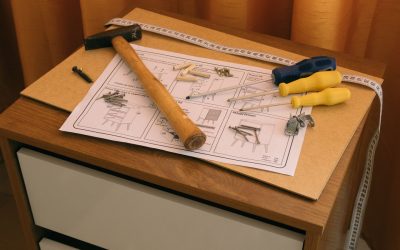
Walk into any furniture hardware aisle and you’ll find two very different categories sitting side by side: leg sets that lift a sofa, table, or cabinet off the floor, and anchor kits designed to strap tall pieces to a wall. They sound unrelated, but homeowners often confuse them because both are sold as “furniture hardware” and both get installed with a drill. The truth is they solve completely different problems, and in most homes you actually need both, not one instead of the other. This guide breaks down exactly what a furniture leg set does, what a furniture anchor does, how to decide which one solves your specific problem, and how to combine them correctly when a single piece of furniture calls for it.

What a Furniture Leg Set Actually Does
A furniture leg set is a group of replacement or add-on legs, typically sold in packs of four, that attach to the bottom of a sofa, cabinet, dresser, bed frame, or table. Their job is structural support and aesthetics: they hold the weight of the piece, determine its height off the floor, and often define the entire visual style of a room. Mid-century tapered wood legs, matte black metal hairpin legs, and brass-finished cone legs are all examples of the same hardware category solving the same core problem in different finishes.
Leg sets usually attach with a threaded mounting plate, a hanger bolt, or a direct screw-in design depending on the furniture’s pre-drilled inserts. Height options commonly range from about 2 inches for a subtle lift to 8 inches or more for a true mid-century profile. Weight capacity per leg varies significantly, so checking the rated load before buying matters more than most shoppers realize, especially for larger sectionals or heavy solid-wood dressers.
What a Furniture Anchor Actually Does
A furniture anchor, sometimes called an anti-tip strap or wall anchor kit, is a safety device that physically tethers a piece of furniture to the wall studs behind it. Its only job is to prevent the furniture from tipping forward if weight is applied unevenly, most critically when a child climbs a dresser drawer or leans on a bookshelf. Anchors typically include a metal or nylon strap, an L-bracket or mounting plate, and screws rated for both the furniture material and the wall structure.
Unlike leg sets, anchors have nothing to do with style or floor clearance. They’re a hidden safety component, usually installed on the back of the furniture where it meets the wall, and they carry zero visual weight in the room once installed. The Consumer Product Safety Commission has pushed anchor use aggressively in recent years because tip-over incidents remain a leading cause of injury from furniture in homes with young children.
Core Differences at a Glance
- Purpose: Leg sets provide support and style; anchors provide fall/tip-over prevention.
- Visibility: Leg sets are decorative and visible; anchors are functional and hidden.
- Installation point: Leg sets attach to the underside of furniture; anchors attach to the back of furniture and into wall studs.
- Who needs them: Leg sets appeal to anyone updating furniture style or height; anchors are essential in any home with kids, pets, or seismic risk.
- Failure consequence: A weak leg set risks wobble or a collapsed shelf; a missing anchor risks a serious tip-over injury.
When You Only Need a Leg Set
If your goal is purely cosmetic or ergonomic, such as raising a couch for easier cleaning underneath, swapping dated tapered legs for a modern black metal look, or adding height to a coffee table so it clears a rug properly, a leg set alone solves the problem. Freestanding pieces that sit low to the ground and pose no tip-over risk, like a coffee table, ottoman, or ordinary dining chair, generally don’t need anchoring at all. Browsing a curated selection of Furniture Leg Sets is the fastest way to compare finish options, height ranges, and mounting styles before you commit to a purchase.
When You Only Need an Anchor
Tall, top-heavy furniture that’s already stable on its base but poses a tip-over risk, like a bookshelf, media console, or a dresser with heavy upper drawers, needs an anchor regardless of whether you touch the legs. This is especially true in homes with toddlers, in earthquake-prone regions, or in rental units where furniture sits directly on builder-grade legs that are perfectly functional but unsecured at the top. If you’re shopping specifically for this safety layer, a set of furniture anchors is a low-cost, high-impact purchase that takes under 20 minutes per item to install.

When You Need Both Together
A tall dresser or bookshelf getting new decorative legs is the classic case where both products matter. Swapping in taller, slimmer legs changes the furniture’s center of gravity, sometimes making an already top-heavy piece even more prone to tipping. Any time you raise a tall unit’s height or reduce its base footprint, plan to anchor it at the same time you install the new legs, not as an afterthought weeks later. The same logic applies to bunk beds, tall nightstands with new hairpin legs, and armoires that get a style refresh with taller feet.
How to Decide: A Quick Framework
- Measure the height-to-base ratio. If the furniture is taller than it is wide and sits on a narrow footprint, it’s a tip-over candidate that needs an anchor.
- Check who’s in the home. Kids under six, large dogs that jump, or an earthquake-risk zip code all push you toward mandatory anchoring.
- Assess current legs. Wobbly, cracked, mismatched, or purely builder-basic legs are a sign you need a leg set upgrade for both function and looks.
- Consider drawers and doors. Furniture with pull-out drawers (dressers especially) has a much higher tip-over risk when drawers are extended, making anchors non-negotiable.
- Think about resale or rental status. Anchors are usually removable without damage; leg sets are a more permanent style choice worth researching carefully first.
Materials and Budget Considerations
Leg sets range from budget plastic-composite options under $15 a set to solid walnut or brass-finished legs well over $60. Material affects both durability and weight capacity, so a heavier sectional or solid-oak dresser justifies spending more on a sturdier leg. Anchors are almost universally inexpensive, often under $15 for a two-pack, because the safety benefit is disproportionate to the material cost involved. When budgeting for a furniture refresh project, it’s worth allocating funds to both categories rather than treating anchors as optional add-ons purchased only after an incident.
Installation Basics for Each
Installing a leg set typically means removing the old legs (if replacing), aligning the new mounting plate or bolt with existing furniture inserts, and tightening by hand or with a screwdriver. Most sets ship with the necessary hardware. Anchoring furniture is slightly more involved: you need to locate a wall stud (a stud finder helps), screw the wall-side bracket into the stud rather than just drywall, and attach the furniture-side strap to a solid part of the frame, not just a drawer face or veneer panel. If your project also involves reassembling drawers or replacing worn slides during this process, a look at drawer slides can help address any wobble issues at the same time.
Protecting Floors and Finishing Touches
Once new legs are installed, floor protection becomes the next practical concern, especially on hardwood or tile where metal or hard plastic leg tips can scratch or dent over time. Adding a set of best furniture sliders under new legs makes future rearranging far easier and protects flooring investment. If your project involves moving heavier pieces during installation, a furniture dolly can prevent injury and floor damage in the process; browsing the current best furniture dollies lineup is worth doing before tackling a large sectional or armoire alone.
Common Mistakes to Avoid
- Anchoring into drywall only. Anchors screwed into drywall without hitting a stud provide almost no real holding strength and can pull loose under load.
- Choosing legs by looks alone. Ignoring weight capacity when picking taller or thinner legs can lead to sagging or cracked mounting plates within months.
- Treating anchoring as optional in rentals. Many anchor kits are designed to be removable and leave minimal wall damage, so “I can’t drill into a rental wall” is rarely a valid excuse.
- Forgetting to re-anchor after a leg swap. Changing a furniture piece’s height changes its physics; skipping a re-check of anchor tension after leg replacement is a common oversight.
- Mixing incompatible hardware. Using a hanger bolt leg on furniture designed for direct screw-in mounts (or vice versa) can strip the insert and weaken the whole joint.
A Simple Buyer’s Checklist
- Do I need a style/height change, a safety upgrade, or both?
- What’s the total weight the legs need to support, per leg?
- Is there a wall stud within reach of where the furniture sits?
- Are there kids, large pets, or earthquake risk in the home?
- Will floor protection (sliders or pads) be needed after the swap?
Frequently Asked Questions
Can I use a furniture anchor without changing the legs?
Yes. Anchors work independently of leg style and can be installed on furniture with its original factory legs at any time.
Do all dressers need anchoring, or just tall ones?
Any dresser with drawers, especially taller units, benefits from anchoring because the tip-over risk increases significantly when heavy drawers are pulled open.
Will new legs void a furniture warranty?
It depends on the manufacturer. Check warranty terms before modifying factory legs on furniture still under coverage.
Are furniture anchors strong enough for heavy bookshelves?
Most quality anchor kits are rated well beyond typical bookshelf weight when installed into a proper wall stud, but always check the manufacturer’s weight rating first.
Can I install both a leg set and an anchor myself?
Yes, both are straightforward DIY projects requiring only basic tools like a screwdriver, drill, and stud finder, with no professional installation needed in most cases.
Final Thoughts
Furniture leg sets and furniture anchors aren’t competing products, they’re complementary ones that solve entirely different problems: one is about how furniture looks and sits, the other is about how safely it stays put. The right approach for most households is to evaluate each piece of furniture individually, ask whether it’s tall and top-heavy enough to need anchoring, and separately ask whether its current legs are worn, mismatched, or simply not the style you want anymore. Handled together as part of one project, a leg swap and an anchor installation take an afternoon and leave your furniture both better looking and considerably safer.