
Furnishing a living room on a budget almost always comes down to a handful of hard choices, and one of the trickiest is deciding between a ladder shelf, a coffee table built for a sectional, or a TV stand under $200. Each piece solves a different problem, and buying the wrong one first can leave you with an awkward layout, wasted storage, or a room that never quite feels finished. This guide walks through how each option functions, when it makes sense, and how to combine them without overspending or overcrowding your space.

Start With the Problem You’re Actually Solving
Before comparing prices or finishes, get honest about what’s missing in your room right now. A ladder shelf solves a vertical storage and display problem – it’s for households that need more surface area for books, plants, or decor but don’t have floor space for a bulky bookcase. A coffee table for a sectional solves a functional-surface problem – somewhere to set drinks, remotes, and trays within arm’s reach of a large seating arrangement. A TV stand under $200 solves a media and cable-management problem – housing electronics, hiding cords, and anchoring the wall where your screen lives.
It’s tempting to buy whichever piece looks best in photos, but the smartest first purchase is the one tied to your most frequent daily frustration. If you’re constantly searching for a flat surface to set a coffee cup, that’s your answer. If your living room feels bare and undecorated, a ladder shelf earns its spot first.
Ladder Shelf: When Vertical Storage Wins
A ladder shelf leans against a wall and uses a series of graduated shelves to create display and light-storage space without eating into your floor plan the way a traditional bookcase does. It works especially well in smaller living rooms, rental apartments, or rooms with awkward corners where a boxy cabinet wouldn’t fit cleanly.
Best Reasons to Choose a Ladder Shelf
- You have books, plants, or framed photos that need a home but no wall-mounted shelving.
- Your room feels visually flat and could use height and layering.
- You want something lightweight that’s easy to move or reposition as your layout changes.
- Floor space is limited and a wide media console or bulky bookcase won’t fit.
The tradeoff is that ladder shelves generally aren’t built for heavy electronics or closed storage – most have open shelving, so clutter is visible unless you use baskets or bins. If you need to hide cables, remotes, or gaming consoles, this isn’t the piece for that job. Browse a curated list of Ladder Shelves to compare widths, shelf spacing, and weight capacities before you buy.
Coffee Tables for Sectionals: When Function Meets Scale
Sectionals present a unique challenge: their L-shape or U-shape means a standard rectangular coffee table often looks undersized or sits awkwardly off-center. A coffee table designed with sectionals in mind is typically longer, sometimes modular in two or three pieces, or shaped to hug the inside curve of the seating arrangement so every seat has something within reach.
What Makes a Coffee Table “Sectional-Ready”
- Proportional length. The table should span roughly two-thirds the length of the sectional’s longest side for visual balance.
- Adequate clearance. Leave at least 14-18 inches between the table edge and the seating for comfortable legroom and walking space.
- Lower height for lounging. Sectionals encourage sprawling out, so a slightly lower table (16-18 inches) usually feels more natural than a tall accent table.
- Storage options. Lift-top or shelved coffee tables add hidden storage, which matters more in a sectional-anchored room since there’s often less wall space left for other furniture.
If your living room is built around a large sectional as the primary seating, the coffee table is arguably the piece that gets used the most – daily, by everyone in the household. It deserves priority over decorative pieces like a ladder shelf if your current table is too small or the wrong shape. Compare options sized for larger layouts among these coffee tables for sectionals.
TV Stands Under $200: When Media Storage Is the Priority
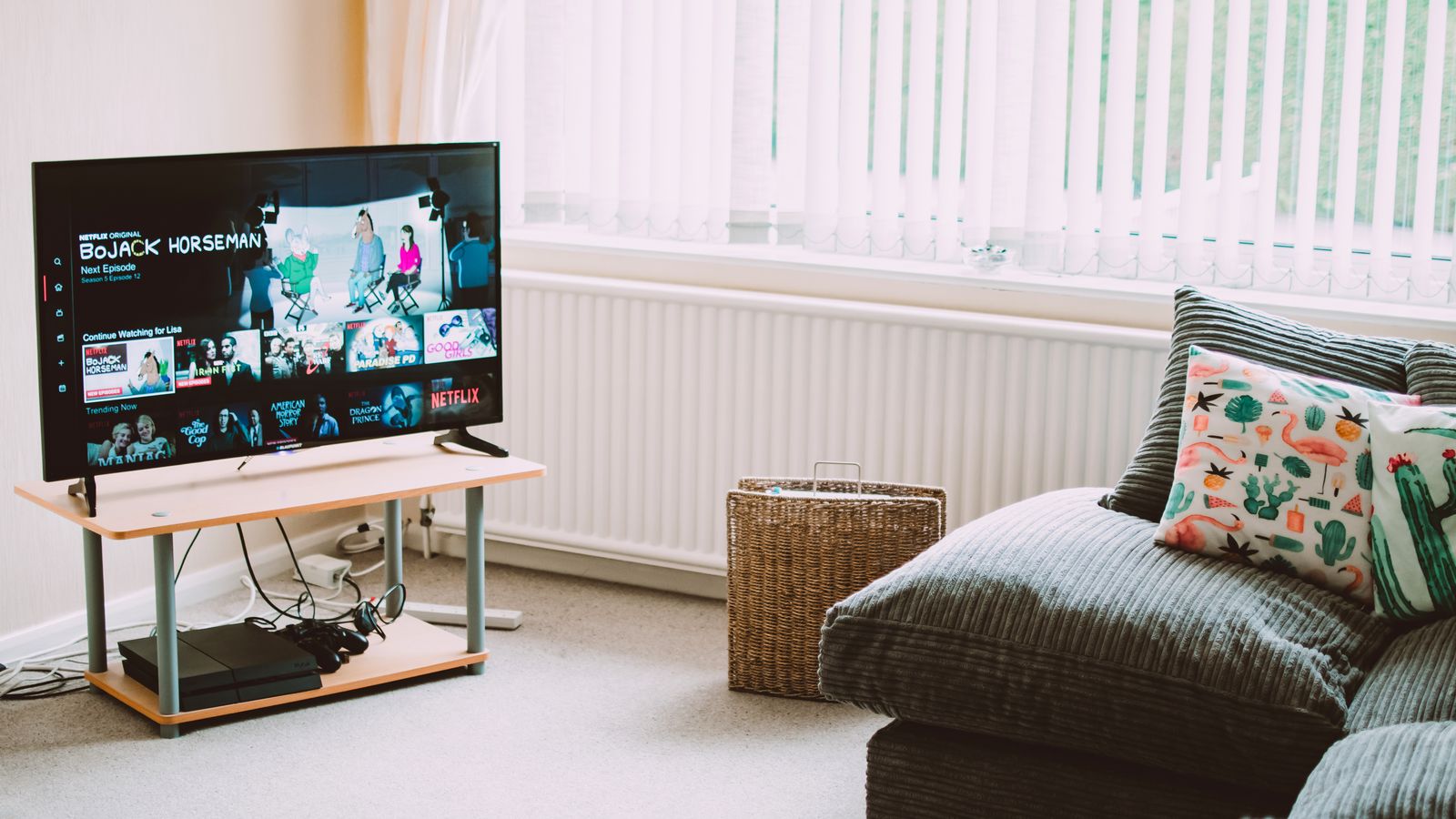
If your television currently sits on a box, a folding table, or directly on the floor, a TV stand should move to the top of your list regardless of what else you’re considering. A budget-friendly stand under $200 can still deliver closed cabinets for consoles, open shelving for a soundbar or streaming box, and cable-management cutouts that keep cords from turning into a tangled mess behind the screen.
Key Features to Look For at This Price Point
- Weight rating. Confirm the top surface supports your TV’s actual weight, not just its screen size class.
- Width relative to your TV. A good rule of thumb is a stand that’s at least as wide as the television itself, ideally a bit wider for visual balance.
- Ventilation. Enclosed cabinets should have back openings or vented panels so components like consoles and cable boxes don’t overheat.
- Cord management cutouts. Look for grommets or rear openings that let you route cables without drilling.
Under $200, you’re generally choosing between engineered wood with a laminate finish and simpler particleboard builds – both can look good, but engineered wood with a veneer typically holds up better over years of use. See a full range of options among these best tv stands under $200 before settling on dimensions.
Comparing All Three Side by Side
When budget or space forces a single purchase first, here’s how the three stack up against common living room priorities:
- Floor space required: Ladder shelf (least) < TV stand < coffee table for a large sectional (most).
- Daily functional use: Coffee table and TV stand see near-constant use; a ladder shelf is more decorative and occasional.
- Storage capacity: TV stands typically offer the most enclosed storage; ladder shelves offer the least (open shelving only).
- Visual impact: Ladder shelves add the most height and personality to a flat room; coffee tables and TV stands are more functional than decorative by design.
- Budget flexibility: All three can be found under $200, but coffee tables sized for sectionals tend to sit at the higher end of that range due to their larger footprint.
Building a Room in Phases: A Practical Order
Most people don’t furnish a living room all at once, so sequencing matters. A sensible order for most budgets looks like this:
- TV stand first if your television currently has no stable, ventilated home – this prevents both safety issues and cable chaos.
- Coffee table second if you have a sectional and no reliable surface for drinks, remotes, or trays – this is the piece guests and family notice missing fastest.
- Ladder shelf third once the functional pieces are in place, to add storage for books and decor and fill visual gaps in the room.
If your space is small, you may not need all three. A ladder shelf can double as a plant stand next to a smaller coffee table, freeing up a corner that would otherwise need a separate accent piece.
Mixing Materials and Finishes Without Clashing
Because these three pieces often sit within a few feet of each other, finish consistency matters more than most people expect. You don’t need matching wood tones, but you do want a shared undertone – warm woods with warm woods, cool metals with cool metals – so the room doesn’t feel like three unrelated purchases. A simple trick: pick one “anchor” material (often the TV stand, since it’s usually the largest surface) and choose the coffee table and ladder shelf finishes to complement rather than match it exactly.

Budgeting Across All Three Pieces
If you’re planning to eventually own all three, set rough budget bands rather than trying to hit an exact number per item. A workable split for a total budget around $350-$450 might look like $150-$180 for the TV stand, $120-$180 for the sectional coffee table, and $60-$100 for the ladder shelf. Prices shift with material and brand, so treat these as starting points, not hard rules, and shop sales for the pricier pieces first since they see the most wear.
Quick Decision Checklist
- Do you have an unstable or non-existent TV setup? Buy the TV stand first.
- Is your current coffee table too small or oddly shaped for a sectional? Replace it next.
- Is your room missing storage and visual height? Add a ladder shelf last.
- Do you need hidden storage more than open display? Prioritize the TV stand or a lift-top coffee table over a ladder shelf.
- Is floor space extremely limited? A ladder shelf offers the smallest footprint of the three.
Rounding out the room, an accent chair or a set of chaise lounges can add extra seating once your main furniture is settled.
Frequently Asked Questions
Can a ladder shelf replace a TV stand?
Generally not for a wall-mounted or larger television, since most ladder shelves aren’t rated for heavy electronics and lack cable management. They work well as a side piece but not as the primary media surface.
How do I know if my coffee table is too small for my sectional?
If more than one or two people can’t comfortably reach it from their seat, or if it looks visually lost against the scale of the sectional, it’s undersized. Aim for roughly two-thirds the length of the sectional’s longest run.
Are TV stands under $200 durable enough for daily use?
Yes, as long as you check the weight rating against your TV and look for engineered wood with a proper veneer rather than the thinnest particleboard options. Read reviews for wobble complaints before buying.
Can I use a ladder shelf next to a sectional instead of a side table?
It can work if the bottom shelf sits at a comfortable reach height and you’re not relying on it for drinks or hot items, since the shelves are typically narrower than a standard side table.
Final Thoughts
There’s no single right answer between a ladder shelf, a sectional-ready coffee table, and a TV stand under $200 – the right first purchase depends entirely on what your room is missing today. Start with whichever piece solves your most frequent daily friction, keep finishes loosely coordinated as you add the others, and you’ll end up with a living room that feels intentional rather than assembled piece by piece under pressure.