Shopping for a new home appliance can feel confusing when three very different categories keep showing up in the same search results: washer dryer combos, top load washers, and stick vacuums. On the surface they seem unrelated, but they actually solve overlapping problems for renters, small-space owners, and anyone trying to simplify laundry and cleaning routines. This guide breaks down what each appliance actually does, who benefits most from it, and how to decide which one (or which combination) truly matches your household’s needs in 2026.
Why These Three Appliances Get Compared Together
At first glance, a laundry appliance and a vacuum cleaner don’t seem like natural rivals for your shopping budget. But in practice, people researching “best appliances for small apartments” or “how to set up a compact laundry and cleaning routine” run into all three options because they all address space constraints, convenience, and daily maintenance. A washer dryer combo consolidates two machines into one footprint. A top load washer offers traditional capacity and speed but usually needs a separate dryer. A stick vacuum replaces a bulky upright for quick daily cleanups. Understanding the distinct role each one plays is the first step toward deciding what you actually need.
What a Washer Dryer Combo Actually Solves
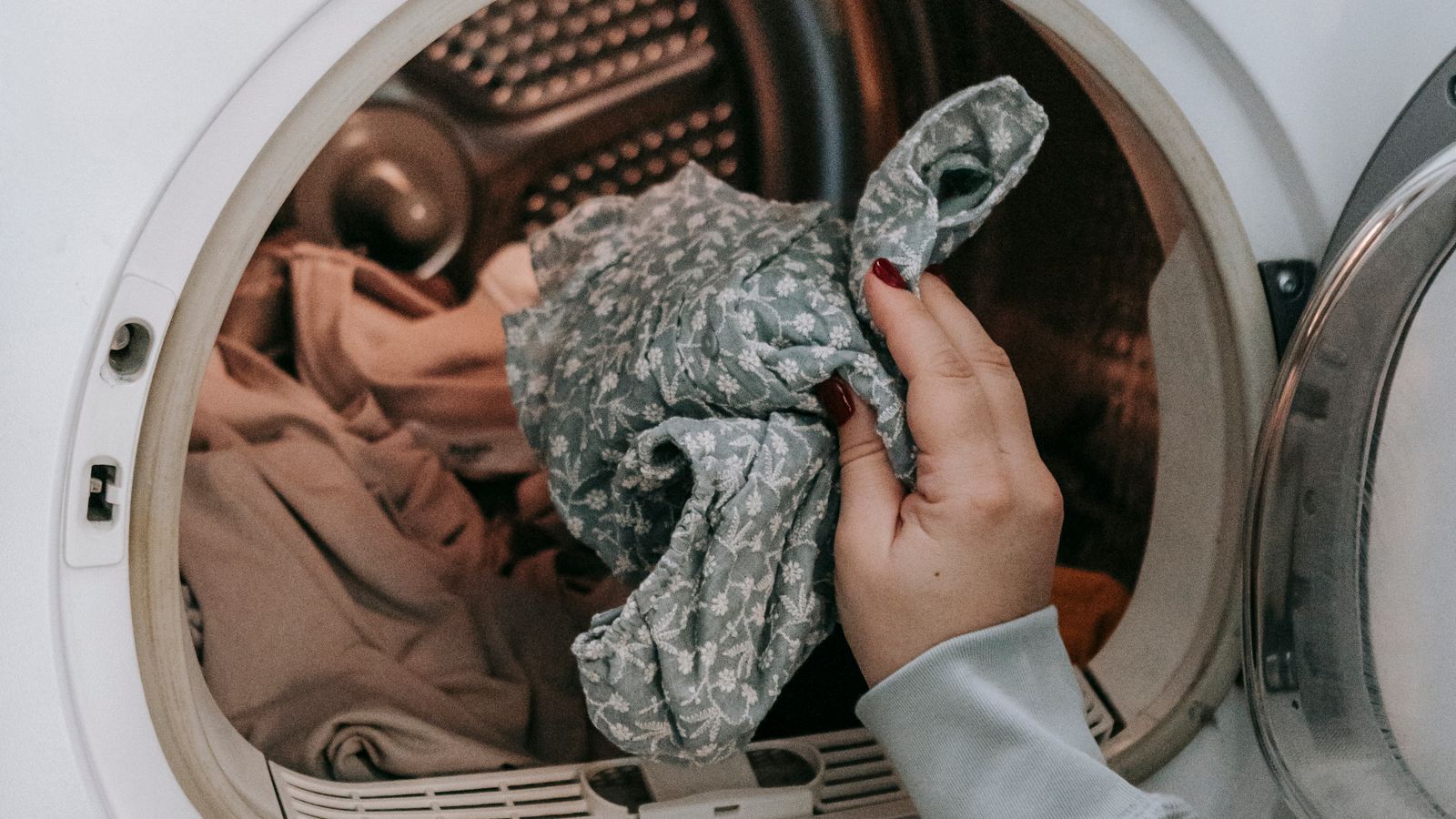
A washer dryer combo is a single unit that washes and dries clothes without requiring you to transfer a load between two machines. These units are especially popular in apartments, condos, and homes without a dedicated laundry room, since they only need one hookup and take up roughly the same space as a standard washer. Most combos use ventless condensation or heat-pump drying technology, which means no external vent is required – a major advantage for upper-floor apartments or homes where venting isn’t practical.
The tradeoff is cycle time. Because the combo washes and dries in the same drum, a full wash-and-dry cycle can take significantly longer than running a separate washer and dryer in parallel. Capacity per load is also typically smaller when drying is factored in, since you often need to run a lighter load to get clothes fully dry in one cycle. If you’re short on square footage and can accept longer cycle times in exchange for a compact, all-in-one footprint, a washer dryer combo is worth serious consideration. You can compare current options in our roundup of Washer Dryer Combos.
What a Top Load Washer Actually Solves
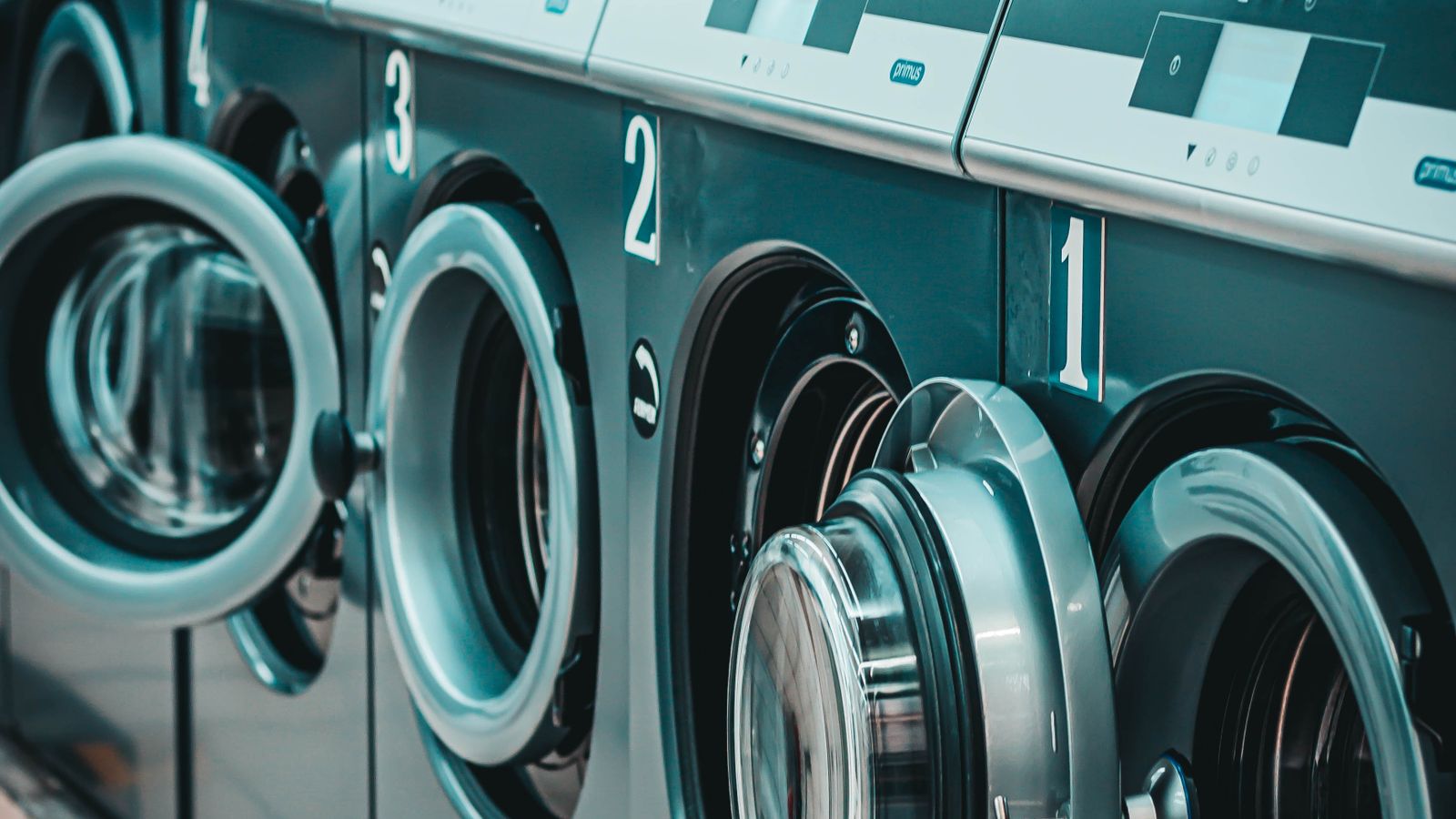
A top load washer is the traditional choice for households that prioritize washing speed, larger capacity, and simpler mechanics. Compared to a washer dryer combo, a standalone top load washer generally finishes a cycle faster and can handle bulkier loads like comforters or bath towels more easily. Many models also offer an agitator or impeller design that some users find more effective on heavily soiled laundry, along with features like deep-fill options and sanitize cycles.
The catch is that a top load washer is only half the laundry equation – you’ll still need a dryer, which means either a matching dryer unit or an existing one already installed. If your home has a laundry room or closet with hookups for two separate machines, a top load washer paired with a dryer is often more efficient in the long run than a combo unit, especially for larger families doing frequent laundry. Browse current picks in our guide to top load washers to compare capacity, cycle options, and price points.
Top Load Washer vs Front Load: A Quick Note
Since many shoppers compare top load washers against front load models too, it’s worth a brief mention. Top load washers tend to be less expensive up front, offer easier mid-cycle loading (no bending down), and are generally simpler to repair. Front load washers usually deliver better energy and water efficiency, gentler fabric care, and higher spin speeds that shorten drying time. Neither is objectively better – the right choice depends on your budget, physical comfort with loading style, and how much you value efficiency versus simplicity.
What a Stick Vacuum Actually Solves
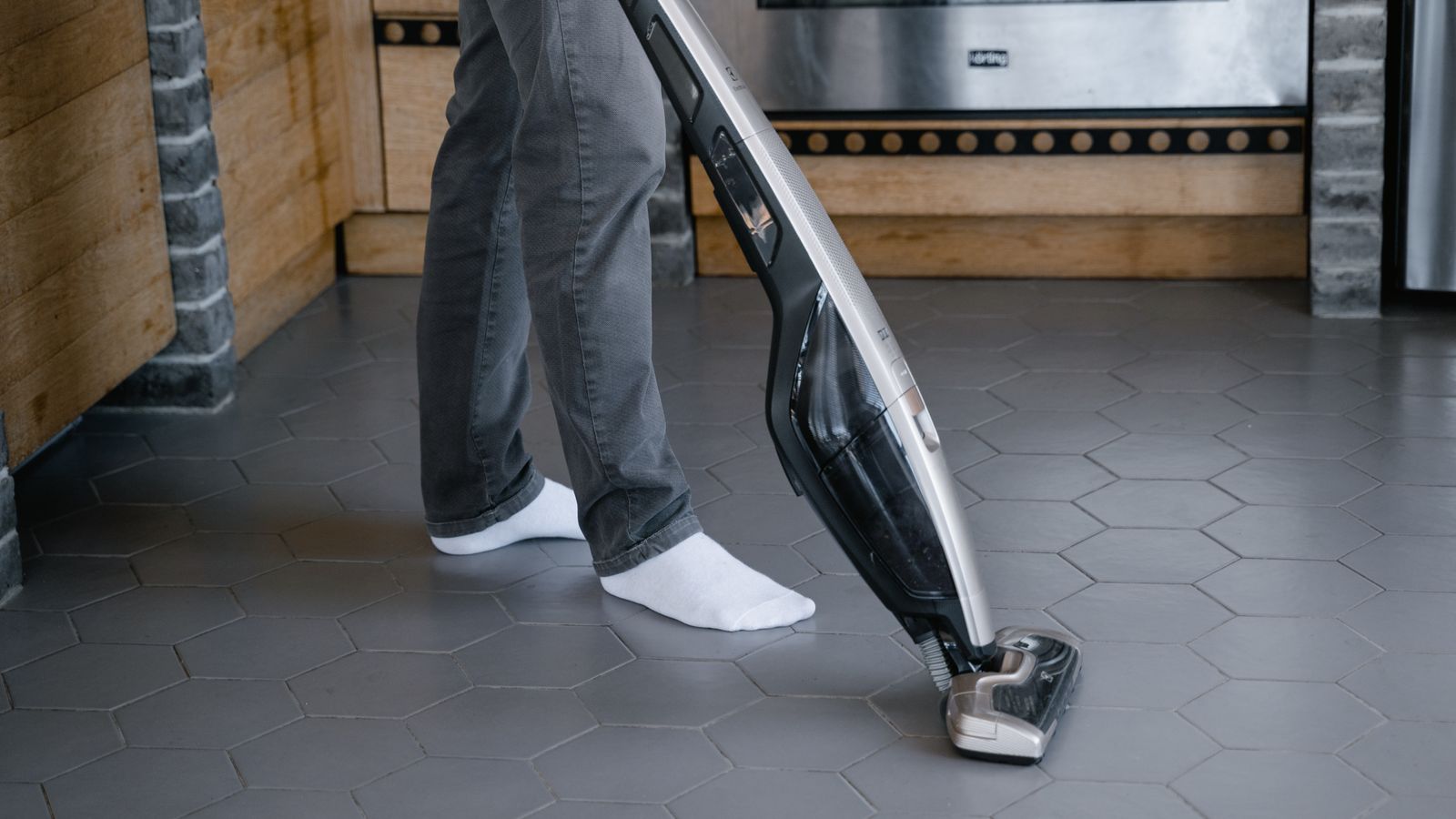
A stick vacuum is a completely different category – it’s a lightweight, usually cordless cleaning tool designed for quick daily pickups rather than deep weekly cleaning. Stick vacuums shine in homes with hard floors, area rugs, or pets that shed, where a full-size upright vacuum feels like overkill for daily maintenance. Because they’re compact and often wall-mountable, stick vacuums are a natural fit for apartments, studios, and any household trying to minimize storage clutter.
The main limitations are battery life and dust bin capacity. Most cordless stick vacuums run somewhere between 20 and 60 minutes on a full charge depending on suction mode, and smaller dust bins mean more frequent emptying compared to a canister or upright vacuum. If your home is under roughly 1,500 square feet, has mostly hard flooring or low-pile carpet, and you want a grab-and-go tool for spills and daily crumbs, a stick vacuum is likely the better investment than a heavier traditional vacuum. See current top-rated options in our list of best stick vacuums.
Space Constraints: The Biggest Deciding Factor
Available space is usually the single most important variable in this decision. If you have a dedicated laundry room or closet with connections for two separate machines, a top load washer plus a standalone dryer is typically the more practical and cost-effective path. If your laundry setup is limited to a single hookup, a stacked closet, or a shared building laundry area you want to avoid, a washer dryer combo lets you fit full laundry capability into a much smaller footprint. Vacuum choice is less about hookups and more about storage – a stick vacuum’s slim profile and wall mount or closet-friendly stand make it ideal for homes where a bulky upright vacuum simply doesn’t have a home.
Budget: Upfront Cost vs Long-Term Value
Washer dryer combos tend to carry a higher upfront price than a comparable top load washer alone, largely because you’re paying for two functions in one unit. However, when you factor in the cost of a separate dryer, a top load washer plus dryer combo can end up costing more in total, even if each individual unit seems cheaper. Stick vacuums vary widely in price depending on suction power, battery technology, and attachments, but they are almost always less expensive than a full-size vacuum system with similar performance. When budgeting, compare the total cost of the setup you actually need – not just the sticker price of a single appliance.
Household Size and Usage Frequency
Larger households doing laundry several times a week generally benefit more from the speed and capacity of a separate top load washer and dryer, since running back-to-back combo cycles for a family of four or five can eat up an entire day. Singles, couples, and smaller households often find that a washer dryer combo’s slower cycle time is a non-issue because they’re doing fewer, smaller loads overall. For cleaning, households with pets, kids, or high foot traffic may want a stick vacuum as a daily-use companion tool alongside a more powerful vacuum for deep weekly cleaning, rather than relying on the stick vacuum alone.
Maintenance and Everyday Convenience
Washer dryer combos require regular cleaning of the condenser or heat-pump components to keep drying performance consistent, since lint and residue buildup can noticeably slow cycles over time. Top load washers and separate dryers each have their own simpler maintenance routines – wiping down gaskets, cleaning lint traps, and occasional descaling. Stick vacuums need frequent bin emptying and periodic filter cleaning or replacement, but their lightweight design makes the actual act of vacuuming far less physically demanding than pushing a heavy upright around the house.
A Simple Decision Checklist
- Only one laundry hookup or very limited space? Lean toward a washer dryer combo.
- Have room for two separate machines and want faster cycles? Choose a top load washer plus dryer.
- Doing laundry for a large family multiple times a week? A separate washer and dryer usually saves time overall.
- Mostly hard floors or low-pile rugs with daily light messes? A stick vacuum covers most needs.
- Heavy carpet, pet hair, or deep-cleaning needs? Pair a stick vacuum for quick pickups with a more powerful vacuum for weekly deep cleans.
- Tight overall budget? Compare the full cost of a combo versus washer-plus-dryer before deciding, not just the individual sticker prices.
Can You Need More Than One of These?
Yes – in fact, most households benefit from mixing categories rather than treating this as a single either/or choice. Laundry appliances and vacuums solve completely different problems, so it’s common to pair a washer dryer combo with a stick vacuum in a small apartment, or a top load washer and dryer with a stick vacuum for quick daily touch-ups in a larger home. The real decision within each category is which specific type – combo versus separate units, or stick versus upright – fits your space and habits, not whether you need laundry equipment or a vacuum at all.
If you already own a robust cleaning setup, pairing your washer with the right cordless vacuum or a dedicated vacuum for carpet rounds out a complete laundry and cleaning routine.
Frequently Asked Questions
Is a washer dryer combo worth it for a small apartment?
For most small apartments with limited hookups, yes. The single-unit footprint and lack of a required vent make washer dryer combos one of the few full laundry solutions that fit into tight spaces without major renovation.
Do top load washers clean better than washer dryer combos?
Cleaning performance depends more on the specific model and cycle settings than the category itself. Top load washers often offer more aggressive agitation options, but many modern combo units use comparable wash technology – the bigger difference is usually drying time and load capacity.
Can a stick vacuum fully replace a regular vacuum?
It depends on your flooring and household. Stick vacuums handle hard floors, light carpet, and daily maintenance well, but homes with thick carpet, large square footage, or heavy pet shedding often still benefit from a more powerful vacuum for periodic deep cleaning.
How much space does a washer dryer combo save compared to separate units?
A washer dryer combo typically occupies the footprint of a single washer, roughly half the space needed for a side-by-side washer and dryer pair, making it a practical choice when floor space or hookups are limited.
Which option is better for renters?
Renters without in-unit laundry hookups often find a washer dryer combo the most flexible option since some models are portable and vent-free. A stick vacuum is also a renter-friendly choice thanks to its compact storage and lack of installation requirements.
Final Thoughts
There’s no single “best” appliance among a washer dryer combo, a top load washer, and a stick vacuum – each one is built to solve a different problem. Start by mapping out your actual space and hookups for laundry, then match your household size and washing frequency to either a combo or a separate washer-and-dryer setup. For cleaning, let your flooring type and daily mess level guide whether a stick vacuum alone is enough or whether it should complement a more powerful vacuum. Once you’re clear on the problem you’re solving, choosing between these categories becomes a lot more straightforward than it first appears.