Walk into any kids’ furniture aisle and you’ll see the same three categories competing for your budget: a toddler chair, a toddler table, or a toy storage unit. Parents often assume they need all three at once, but the truth is that most nurseries and playrooms benefit from buying in a specific order based on your child’s age, your space, and how your child actually plays. This guide walks through what each piece actually solves, when your toddler is ready for it, and how to decide what to buy first so you’re not overspending on furniture your child won’t use for another year.
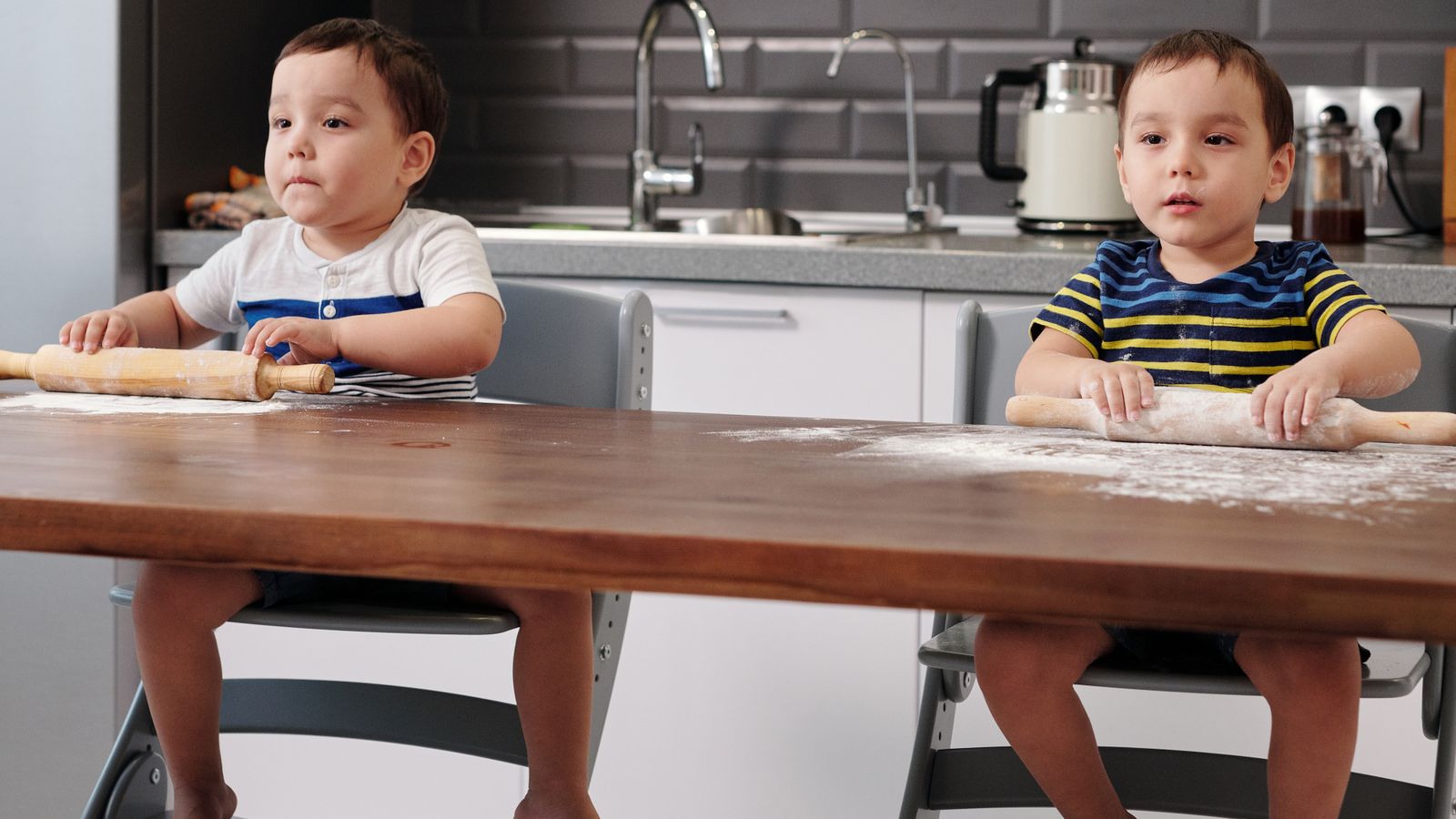
Start With the Real Question: What Problem Are You Solving?
Before comparing products, get clear on the actual pain point in your home. Is your toddler struggling to sit independently for meals or snacks? That points toward a chair. Is floor space constantly covered in toys with no clear surface for drawing or puzzles? That points toward a table. Is the real issue that toys pile up faster than they get put away, making the room feel chaotic and unsafe to walk through? That points toward storage. Many parents buy a table first because it looks like the “complete” solution, only to realize the bigger daily frustration was tripping over blocks – a problem only storage solves. Naming the actual friction point in your routine, rather than what looks cutest in a catalog, is the single best way to prioritize your first purchase.
What a Toddler Chair Actually Solves
A dedicated toddler chair gives your child a stable, right-sized seat for eating, coloring, or simply sitting at their level during play. Standard dining chairs and adult seating are usually too tall, too deep, or too slippery for a toddler to climb into and out of safely on their own. A properly sized chair supports independence: your child can sit down, get up, and reposition without needing you to lift them every time. This matters most between roughly 18 months and 4 years old, when toddlers are developing the motor skills and confidence to do things themselves.
Chairs are the right first purchase if your toddler already has somewhere to eat or work – even if it’s the kitchen floor or a coffee table – but keeps sliding off adult furniture or refusing to stay seated. A well-designed seat with the right depth and a slightly contoured back can genuinely extend mealtime attention span, because your child isn’t fighting the furniture to stay upright. If you’re shopping for options, our guide to Toddler Chairs breaks down sizing, materials, and stability features to look for.
What a Toddler Table Actually Solves
A toddler table creates a dedicated, right-height surface for activities that need a flat plane: puzzles, drawing, building with blocks, or simple snack time. Its main value isn’t the tabletop itself but what it does to behavior – it gives toys and projects a defined “home” during use, which reduces the sprawl of pieces across the whole room and makes cleanup dramatically easier because everything funnels back to one spot. Tables also encourage longer, more focused play sessions, since toddlers are less likely to abandon a puzzle mid-way when it’s contained on a stable surface at their eye level.
A table is the better first buy over a chair if your toddler already has a comfortable place to sit but nowhere consistent to do tabletop activities, or if you’re trying to carve out a defined “activity zone” in a shared living space. Many tables are sold with matching chairs, which can solve both needs in one purchase – just confirm the set’s chair height matches your child’s current size rather than assuming it will “grow into” fit later. See our roundup of toddler tables for material, height, and durability comparisons.
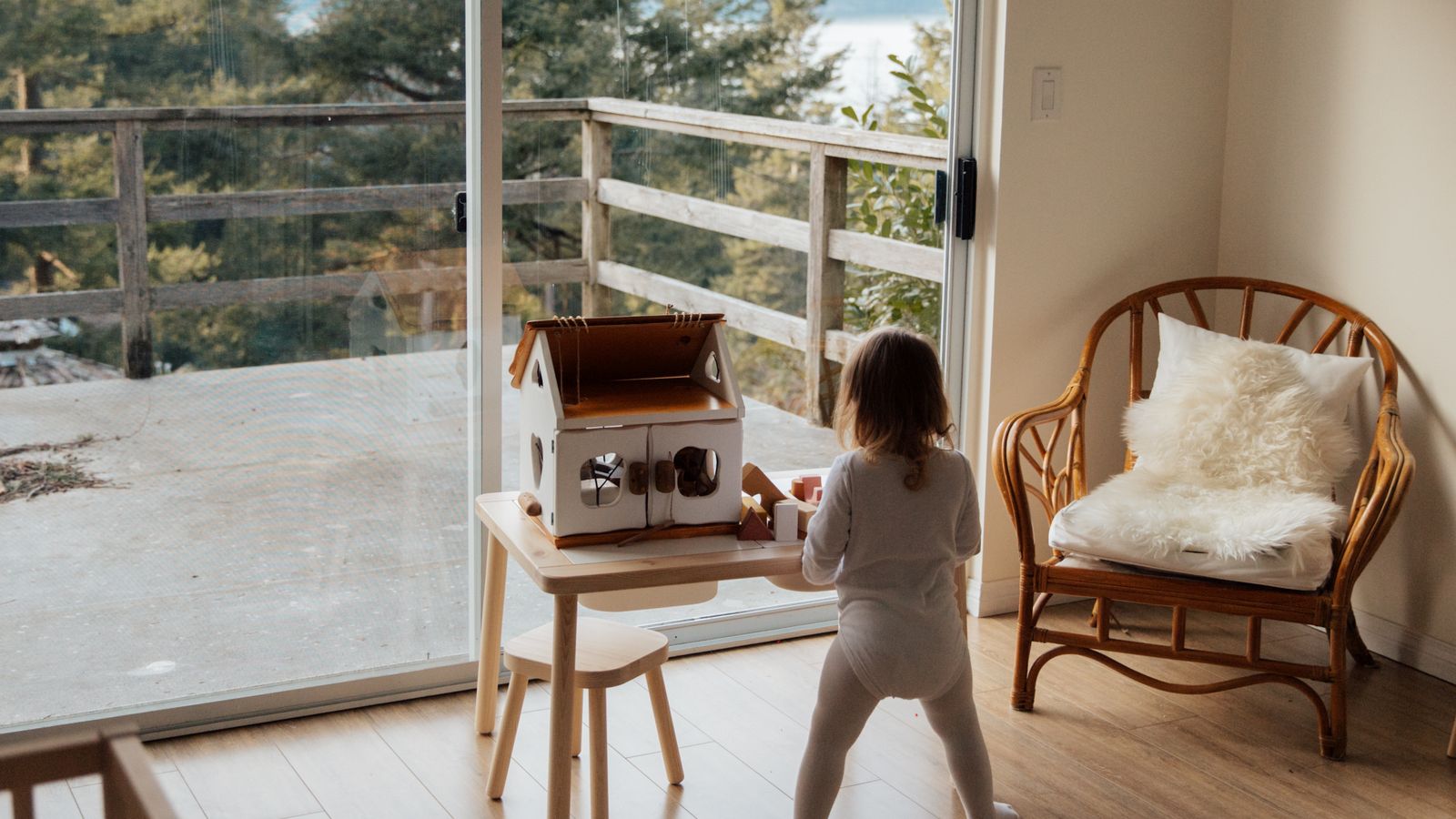
What Toy Storage Actually Solves
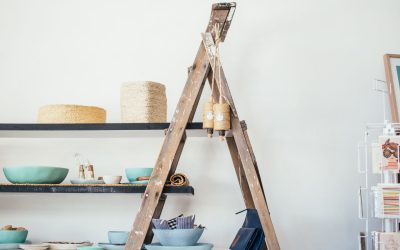
Toy storage addresses a completely different problem: volume and chaos, not activity or seating. If toys are scattered across floors, hallways, and under furniture, no chair or table will fix that – you need defined containers and a system your toddler can actually use themselves. Open bins, low shelving, and labeled baskets let toddlers participate in cleanup because they can see where things go and reach the storage without help. This is also a safety issue: loose toys on floors are a leading cause of household trips and falls, for parents and toddlers alike.
Storage should usually be your first purchase if your play area already has ample floor or table space but is visually and physically overwhelmed by loose toys, or if you’re trying to establish cleanup routines before your child starts preschool. A good storage system pays off regardless of whether you eventually add a chair or table, because it’s the foundation that keeps the rest of the room usable. Browse our picks in best toy storage for bin sizes, shelving heights, and material options that hold up to daily toddler use.
Age and Developmental Stage Matter More Than Trend
Toddlers under 18 months generally get more use out of open floor space and simple storage than a chair or table, since most play at that age happens on the ground. Between 18 months and 3 years, chairs become genuinely useful as sitting independence develops, and tables start to matter once fine motor activities like stacking, scribbling, and simple puzzles enter the routine – typically closer to age 2. By age 3 to 4, most toddlers benefit from having all three, but storage should already be established by then, since toy collections tend to grow faster than seating needs during this window. If you’re buying for a child under 2, storage and a chair will likely outlast a table purchase made too early.
Room Size and Layout Should Drive the Decision Too
In smaller nurseries or shared bedrooms, a table plus chairs can eat up floor space that’s better used for open play or storage. In these tighter layouts, a wall-mounted shelf or a set of stackable bins often delivers more functional value per square foot than a table. In larger playrooms or dedicated kids’ spaces, a table-and-chair set becomes more practical because there’s room for a defined activity corner without sacrificing open floor area. Measure your actual available floor space before buying – a table that looks compact in a showroom photo can dominate a small room once it’s placed against other furniture.
Budget: How to Spread Purchases Over Time
Few parents need to buy all three pieces simultaneously, and a phased approach is usually easier on both budget and space. A reasonable order for most households: start with a few storage bins or a low shelf (lowest cost, highest immediate impact on room chaos), add a chair once your toddler is sitting independently and eating at a table-height surface, then add a dedicated toddler table when tabletop activities like puzzles and drawing become a daily habit. This staggered approach also lets you see how your toddler actually uses each item before committing to a full matching set, which can save money if your child ends up preferring floor play over table activities.
Quick Budget Checklist
- Start with storage if your play area feels chaotic – it’s usually the lowest-cost, highest-impact fix.
- Add a chair once your toddler needs to sit independently for meals or focused activities.
- Add a table once tabletop play (puzzles, drawing, blocks) becomes a regular part of the day.
- Avoid buying a full matching set until you know which activity your toddler actually gravitates toward.
- Reassess every 6-12 months, since toddler needs shift quickly during this age range.
Materials and Durability: What Holds Up to Toddler Use
Across all three categories, material choice affects how long the furniture lasts. Solid wood chairs and tables tend to outlast plastic versions and can often be repainted or refinished as your child grows, though they cost more upfront and are heavier to move. Plastic options are lighter, easier to wipe clean, and generally more affordable, making them a practical choice for a first purchase you’re not sure will get heavy use. For storage, fabric bins are quieter and gentler on floors but harder to spot-clean than rigid plastic totes, which wipe down instantly after a juice spill or marker mishap. Whatever material you choose, check that edges are rounded and finishes are labeled non-toxic, since toddlers interact closely with this furniture during play.
Common Mistakes to Avoid
The most common mistake is buying a table before storage, which leaves toys with nowhere to go and the new table cluttered within days. Another frequent misstep is choosing a chair that’s too tall, forcing a toddler to use a booster or hop up, which defeats the independence a toddler chair is meant to provide. Parents also sometimes buy oversized “grow into it” furniture that a toddler simply can’t use comfortably for a year or more, delaying the benefit you paid for. Finally, skipping stability checks – wobbly legs, lightweight bases that tip, or sharp unfinished edges – creates safety risks that outweigh any savings from a cheaper option.
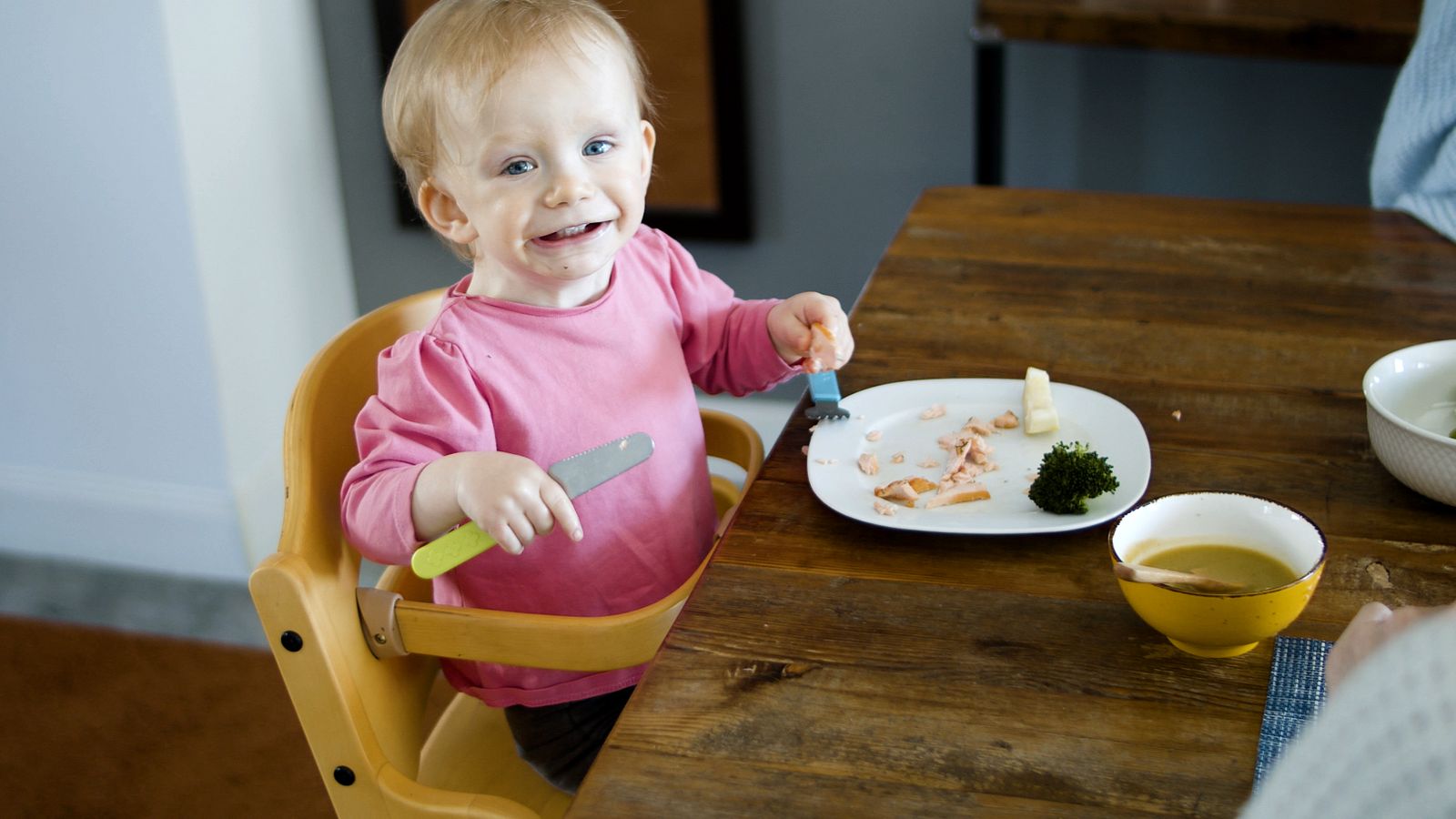
A Simple Decision Framework
If you only have time to answer one question before buying, ask: what’s the daily friction point right now? If it’s mealtime seating, get a chair. If it’s a lack of a dedicated activity surface, get a table. If it’s clutter and cleanup, get storage. If more than one applies equally, prioritize storage first, since an organized space makes every other piece of furniture more useful and easier to keep clean once it arrives.
If safety is a concern once furniture is in place, pairing any of these picks with sturdy baby gates and a well-chosen crib mattress pad rounds out a safer nursery or kids room setup.
Frequently Asked Questions
Do I need to buy a toddler chair and table as a matching set?
No. Matching sets are convenient but not required – you can mix a standalone chair with a separate table, or buy each piece from a different source, as long as the heights are compatible for comfortable use.
What age should a toddler start using a toddler table?
Most toddlers benefit from a dedicated table starting around age 2, once fine motor activities like puzzles, stacking, and scribbling become part of daily play. Younger toddlers usually get more value from floor play and storage.
Is toy storage really more important than a chair or table?
For most families, yes, as a starting point. Storage addresses safety and daily clutter immediately, and it improves the usefulness of whatever chair or table you add later.
How many storage bins does a toddler playroom actually need?
It depends on toy volume, but starting with a handful of labeled or color-coded bins is usually enough to establish a sorting habit – you can always add more as the toy collection grows.
Can I skip a toddler chair if my child already sits in a high chair?
You can delay it, but a dedicated toddler chair becomes useful once your child moves beyond high-chair meals and wants to sit independently for snacks, coloring, or play at a low table.
Final Thoughts
There’s no single right answer for every family, but there is a right order based on what’s actually causing friction in your home today. Identify whether your biggest pain point is seating, activity space, or clutter, then buy for that need first rather than assembling a full matching set all at once. As your toddler grows and their play habits shift, you can layer in the other pieces with more confidence, knowing exactly how each one will be used.