

Choosing a gift for someone who loves their home can feel trickier than picking out a single item off a wish list. A candle or a throw pillow is easy, but it rarely feels memorable. If the recipient has just moved into a new place, redone their dining room, or simply loves refreshing their space, a coordinated dining and decor scheme bundle is a gift that actually gets used. Instead of one small object, you are giving them the building blocks of an entire room refresh: a wall panel for texture and structure, a wallpaper for pattern and personality, and a thermal curtain that ties the color palette together while adding real functional value. This guide walks you through how to plan, assemble, and present a bundle like this so it feels intentional rather than random.

Why a Bundle Beats a Single Gift
A single decor item on its own rarely transforms a room. A wallpaper roll without a coordinating accent, or a curtain without a wall treatment to complement it, can feel like an incomplete thought. When you gift three complementary pieces together, you are effectively handing someone a mini design plan. They do not have to guess what goes with what, and they are far more likely to actually install and enjoy the gift rather than let it sit in a closet. This approach also lets you spread the gift across a few price points, since wall panels, wallpaper, and thermal curtains vary widely in cost depending on material and size.
There is also a practical upside: dining rooms are one of the most visited spaces in a home, especially around holidays and gatherings. A thoughtful decor bundle for that room gets noticed by more than just the recipient, which makes it a gift that keeps giving compliments long after it is unwrapped.
Step 1: Learn the Recipient’s Style Before You Shop
Before you open a single browser tab, spend a few minutes thinking about the recipient’s existing aesthetic. Are their walls mostly neutral with pops of color in accessories? Do they lean toward warm wood tones, cool modern finishes, or an eclectic, layered look? If you have photos of their dining room, pull them up for reference. If not, a quick, casual question like “what’s your dream dining room vibe” can give you enough to work with without spoiling the surprise.
Pay attention to three things in particular: the dominant wall color or finish, the style of their existing furniture, and how much natural light the room gets. Light rooms can handle darker, moodier wallpaper and curtain choices, while dimmer dining rooms often benefit from lighter, reflective tones that keep the space feeling open.
Step 2: Pick the Wall Panel as Your Foundation
Start building the bundle with the wall panel, since it is typically the most structural and visually dominant piece. Wall panels add dimension to a flat dining room wall, whether through wainscoting-style molding, textured 3D tiles, or slatted wood accents. They work especially well behind a dining table or sideboard as a focal-point backdrop.
When selecting a panel style, think about installation difficulty. Peel-and-stick or click-together panel systems are far more giftable than anything requiring permanent nailing or professional installation, since the recipient can put them up themselves over a weekend. If you are unsure which style will suit their space, browsing a curated list of Wall Panels is a good way to compare textures, finishes, and installation types side by side before deciding.
Step 3: Choose a Wallpaper That Complements the Panel
Once you have a wall panel style in mind, choose a wallpaper that either complements or contrasts it in a deliberate way. If the panel is neutral and textural, like a wood slat or subtle grid pattern, you have more freedom to go bolder with the wallpaper, whether that means a botanical print, a soft geometric pattern, or a rich color. If the panel already has a strong pattern or texture, keep the wallpaper simpler so the two do not compete for attention.
A common approach for dining rooms is to use the wallpaper on the upper portion of a wall or an adjacent accent wall, while the panel anchors the lower half or a different section entirely. This creates a layered look without overwhelming the room. Peel-and-stick wallpaper is another gift-friendly choice, since it is removable and forgiving for anyone who has never hung wallpaper before. For inspiration on patterns and finishes that pair well with structural panels, take a look at a selection of wallpaper options to find something that matches the tone you are going for.
Step 4: Bring It Together With Thermal Curtains
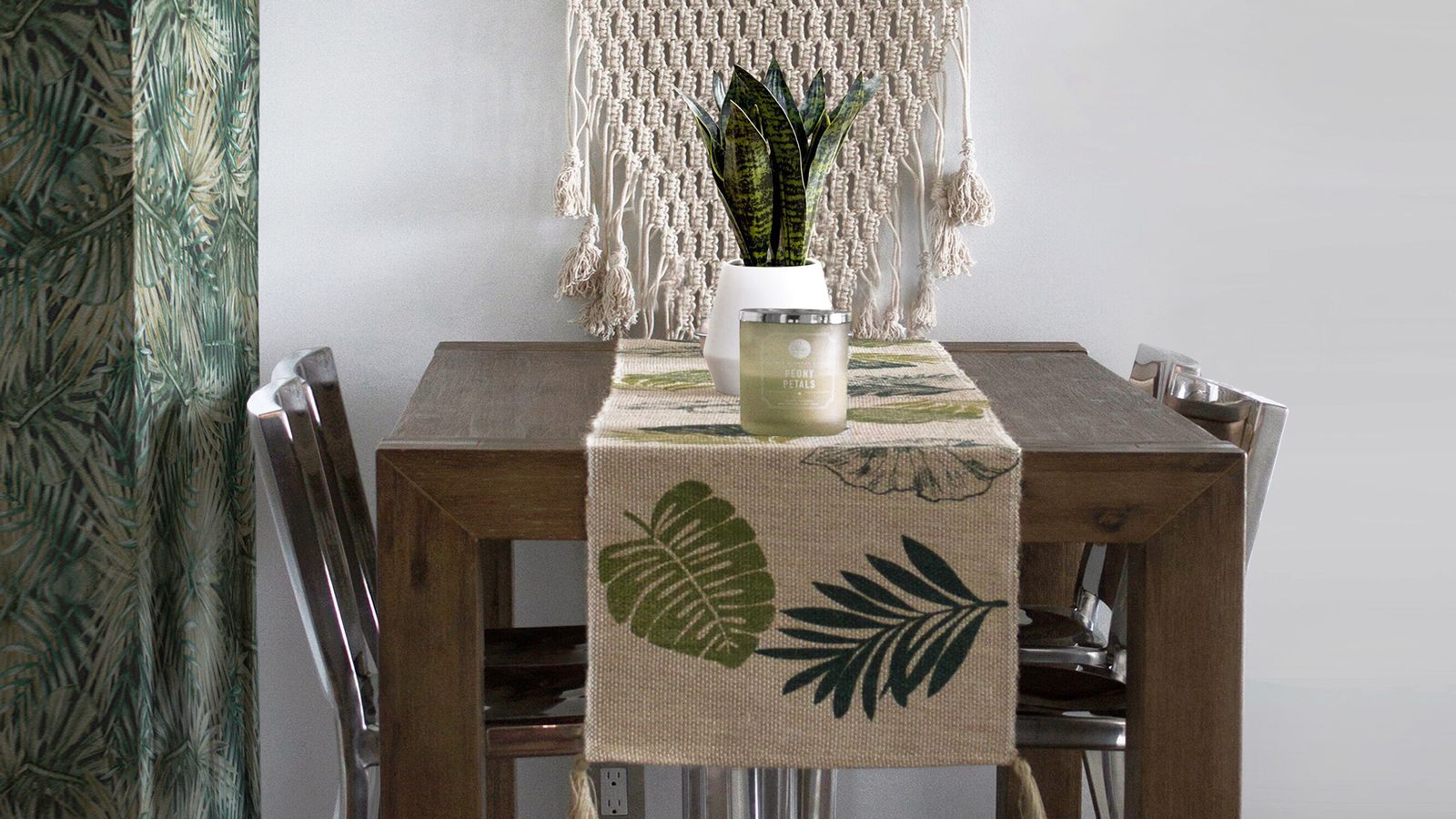
The final piece of the bundle is a thermal curtain, which serves double duty as both a decor element and a functional upgrade. Thermal curtains help regulate the temperature near dining room windows, block harsh afternoon glare during meals, and add softness to a room that might otherwise feel dominated by hard surfaces like the panel and wallpaper. Choosing a curtain color that pulls from the wallpaper’s palette, rather than matching it exactly, tends to look more intentional and less like a matchy-matchy showroom display.
Because thermal curtains come in a wide range of weights, opacities, and colors, this is often the easiest piece to personalize to the recipient’s climate and light preferences. If they live somewhere with cold winters or a very sunny dining nook, a heavier thermal option will get more daily use. Reviewing a list of the best thermal curtains can help you narrow down a style that balances insulation with the right look for the room.
Step 5: Coordinate the Palette Across All Three Pieces
With your three items shortlisted, lay out swatches or product photos side by side before purchasing anything. Look for one or two shared colors across the panel, wallpaper, and curtain, even if the shades are not identical. A warm oak panel, a wallpaper with cream and rust tones, and a rust-toned thermal curtain will read as a cohesive scheme, while three unrelated colors thrown together will feel disjointed no matter how nice each piece is individually.
If you are uncertain, neutral tones are the safest unifying thread. Cream, warm white, soft gray, and natural wood finishes tend to work across almost any existing dining room decor, which reduces the risk of the gift clashing with furniture you have not seen firsthand.
Step 6: Consider Sizing and Room Dimensions
Before finalizing your purchases, think about how much of each product the recipient will realistically need. Wall panels are often sold by the individual tile or by square footage, so if you know the approximate size of the accent wall, you can estimate coverage more accurately, or simply provide enough for a smaller focal section rather than an entire wall. Wallpaper rolls typically list coverage area as well, and it is usually better to slightly overestimate than to leave the recipient short a roll for pattern matching.
For thermal curtains, window width and desired length matter most. If you know the general size of their dining room windows, standard width panels in a slightly longer length are a safe, adjustable choice, since most thermal curtains can be hemmed or the extra length can pool gently at the floor for a more relaxed look.
Step 7: Package the Bundle Thoughtfully
Presentation matters as much as the products themselves when it comes to a gift like this. Rather than wrapping three separate boxes, consider bundling everything into one larger box or a reusable tote, layered with tissue paper. Include a small card or printed mood board showing how the pieces might look together on the wall, since decor items can be hard to visualize when they are still flat and boxed. If you have access to a simple photo editing tool, a quick mockup of the panel, wallpaper, and curtain arranged together gives the recipient a clear starting point and takes some of the guesswork out of installation day.
Common Mistakes to Avoid
- Overloading the palette: Combining a bold panel, a bold wallpaper, and a bold curtain color at the same time usually overwhelms a dining room instead of elevating it. Let one piece lead and the others support.
- Ignoring installation difficulty: A gift that requires professional installation or specialty tools can feel more like a project than a present. Favor peel-and-stick or lightweight click-in options whenever possible.
- Skipping measurements: Guessing at window or wall sizes often leads to a curtain that is too short or a wallpaper roll that runs out mid-pattern. A rough measurement goes a long way.
- Forgetting the room’s light levels: A stunning dark wallpaper can feel heavy in a dining room with little natural light, while a pale, subtle print might disappear in a very sunny space.
Frequently Asked Questions
Do all three pieces need to be from the same brand?
No. The goal is a coordinated color and style palette, not matching branding. Mixing brands is common and often gives a more curated, less showroom-like result.
Is this bundle a good gift for someone who just moved?
Yes, it is especially well suited to a housewarming gift, since new movers are actively deciding how to decorate blank walls and windows and often welcome a head start with a cohesive plan already chosen for them.
What if I do not know the exact window or wall measurements?
Choose slightly generous options, such as a longer curtain length or a panel set with a few extra tiles. It is easier for a recipient to trim or return excess than to be short on material for a project.
Can this bundle work for a small dining nook, not a full dining room?
Absolutely. In smaller spaces, consider using the wall panel and wallpaper together on a single accent wall rather than the whole room, and pair it with one well-chosen thermal curtain for the nook’s window.
Final Thoughts
A dining and decor scheme bundle takes a bit more planning than picking up a single gift off a shelf, but the payoff is a present that genuinely transforms a space the recipient uses every day. By starting with a wall panel as your foundation, layering in a complementary wallpaper, and finishing with a thermal curtain that ties the palette together, you give someone more than an object: you give them a cohesive, ready-to-install plan for a room refresh. Keep the palette restrained, measure where you can, and package the pieces together so the gift reads as one thoughtful idea rather than three separate purchases.