Walk into any bedding aisle and you’ll find three products that sound similar but solve completely different problems: sheets sized for bunk beds, microfiber sheets prized for softness and price, and outdoor throw blankets built to survive a porch or campsite. If you’ve typed “bunk bed sheets vs microfiber sheets” into a search bar, or wondered whether an outdoor throw could double as a blanket indoors, this guide walks through exactly how to decide what you actually need based on where the item will live, how it will be used, and what matters most to you: fit, feel, or durability.
Start With the Question: What Problem Are You Solving?
Before comparing fabrics or price points, define the actual use case. These three products rarely compete for the same slot in your home:
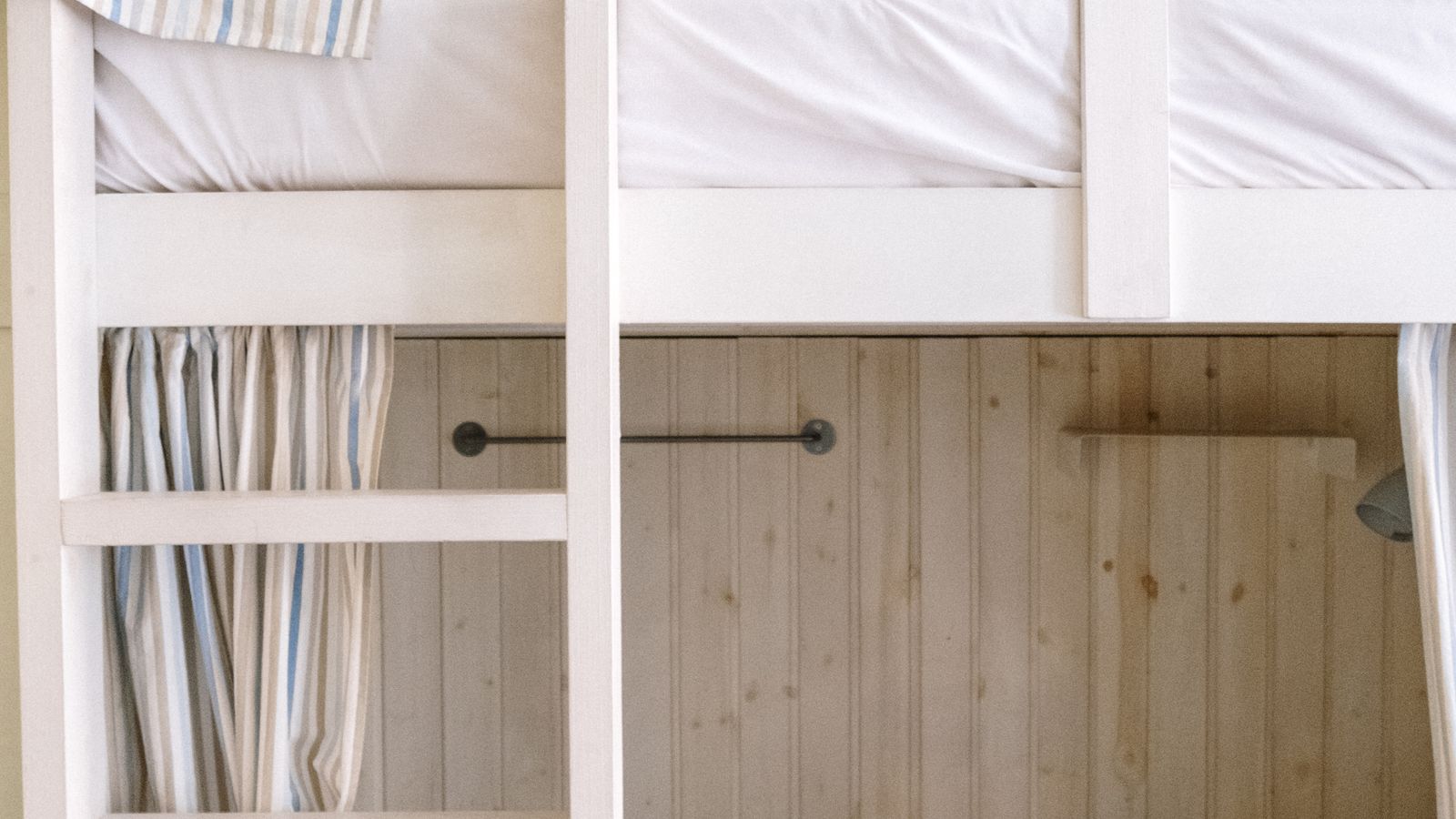
- Sheets for bunk beds solve a fit problem – narrow mattresses, elevated frames, and the need for sheets that stay put even when a kid rolls around on the top bunk.
- Microfiber sheets solve a feel-and-budget problem – soft, wrinkle-resistant bedding that costs less than cotton and holds up to frequent washing.
- Outdoor throw blankets solve a weather-resistance problem – they’re meant for a hammock, patio sofa, or tailgate, not a mattress.
Once you know which problem you’re solving, the decision gets much easier. Read on for the specifics of each.
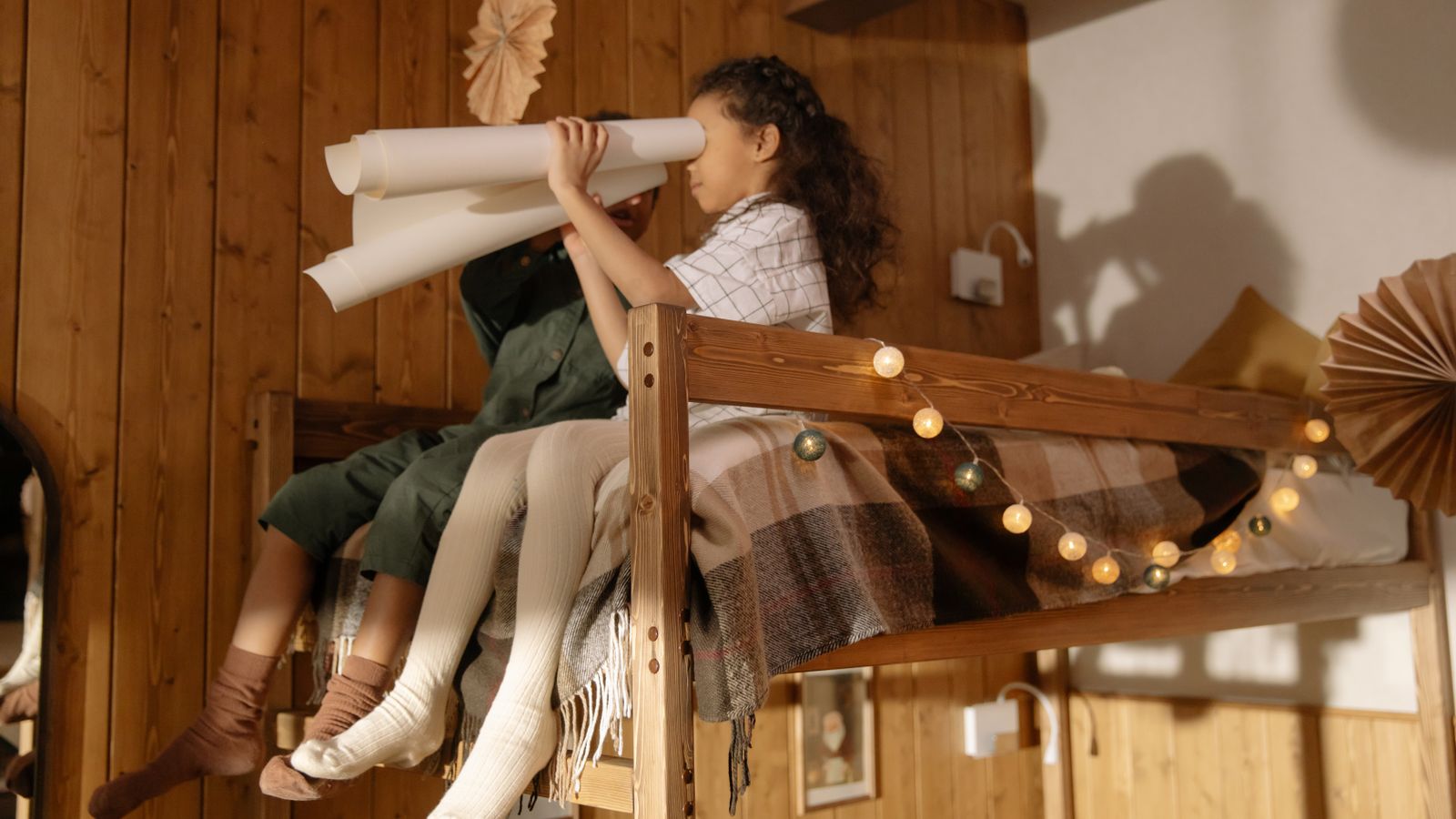
Sheets for Bunk Beds: What Makes Them Different
Bunk bed mattresses are almost always twin or twin XL, but the real difference isn’t the size – it’s the depth and the way the sheet needs to grip the mattress. Bunk mattresses tend to be thinner than standard twin mattresses (often 5 to 6 inches), so a fitted sheet designed for a deep pillow-top mattress will bunch, slide, or pop off the corners within a night or two.
What to Look For
- Fitted sheet pocket depth of 6-10 inches – deep enough to stay secure without leaving excess fabric bunched at the corners.
- Elasticized all-around hems rather than just corner elastic, which grips the mattress edge better on a bed that gets climbed on.
- Easy-clean fabric – kids’ bunk beds see spills and accidents, so a machine-washable, quick-dry material saves hassle.
- Fun or neutral prints if the bunk is shared by siblings of different ages, since the sheets often need to work for years.
If bunk bed fit is genuinely your priority, browse a set built specifically for this use – see our roundup of Sheets for Bunk Beds for options sized and reinforced for narrow, shallow mattresses.
Microfiber Sheets: What Makes Them Different
Microfiber sheets aren’t about mattress size at all – they’re about the fabric itself. Made from ultra-fine synthetic fibers (usually polyester), microfiber sheets are prized for being soft to the touch, resistant to wrinkling, and significantly cheaper than cotton sateen or percale at a similar thread-count feel.
What to Look For
- Brushed microfiber for a warmer, flannel-like hand feel in cooler climates.
- GSM (grams per square meter) rating – higher GSM (around 100-150) generally means a thicker, more durable weave.
- Deep-pocket fitted sheets if your mattress is thicker than 12 inches, since microfiber sets vary in pocket depth just like cotton.
- Hypoallergenic claims if allergies are a concern – microfiber resists dust mites better than some natural fibers.
Microfiber is a strong pick when you want soft, low-maintenance bedding on a budget, or when you’re outfitting a guest room, rental, or dorm where durability under frequent laundering matters more than natural fiber breathability. For a closer look at what separates a good set from a mediocre one, check out our guide to microfiber sheets.
Outdoor Throw Blankets: What Makes Them Different
An outdoor throw blanket isn’t a bed sheet substitute at all – it belongs in a different category entirely. These blankets are designed to resist moisture, mildew, and fading from sun exposure, which means they use different materials and construction than anything meant to touch a mattress.
What to Look For
- Water-resistant or quick-dry fabrics such as treated acrylic, polyester fleece, or woven outdoor-grade cotton blends.
- UV-resistant dye so colors don’t fade after repeated sun exposure on a porch or patio.
- Machine washable and mildew-resistant finishes for blankets that get left outside overnight.
- Compact, packable weight if the blanket is headed to a campsite, stadium, or picnic rather than staying on a fixed piece of furniture.
If you’re furnishing a patio sofa, hammock, or camping kit, an outdoor throw is the right call – not a bedsheet and not microfiber bedding, which will mildew and fade quickly outside. See our picks in best outdoor throw blankets for options built to handle the elements.
Side-by-Side Comparison
Fit and Sizing
Bunk bed sheets are sized narrow and shallow for twin/twin XL frames. Microfiber sheets come in every standard mattress size from twin to California king. Outdoor throws aren’t sized to a mattress at all – they’re measured in blanket dimensions (roughly 50×60 inches for a standard throw).
Fabric Feel
Bunk bed sheets vary by manufacturer but often use cotton-poly blends for durability. Microfiber sheets are consistently soft and silky with a slight synthetic sheen. Outdoor throws favor texture and weather resistance over next-to-skin softness – some are cozy, but comfort is secondary to durability.
Durability and Care
Bunk bed sheets need to survive frequent washing from kids’ messes. Microfiber holds up extremely well to repeated laundering and resists wrinkling out of the dryer. Outdoor throws need to survive sun, humidity, and being left outside – a job normal bedding fabric simply isn’t built for.
Price Range
All three categories span a wide range depending on brand and material quality, but microfiber sheets are typically the most budget-friendly option per set, while bunk bed sheets and outdoor throws price out based on size, fabric technology, and weather-resistance treatments.
Can One Product Do Double Duty?
Sometimes, yes – but understand the tradeoffs. A microfiber sheet set can technically fit a bunk mattress if the pocket depth matches, but it won’t have the reinforced elastic grip that dedicated bunk bed sheets offer, so expect more slipping. An outdoor throw should never be used as a fitted or flat sheet on a mattress; the fabric and finishing aren’t designed for skin contact or for tucking under a mattress corner. The one crossover that works well: a soft outdoor throw can double as an extra layer on a bed in a guest room, but it isn’t a substitute for a proper sheet set.
A Quick Decision Checklist
- Furnishing a kids’ bunk bed or loft bed? Choose bunk bed sheets for the fit and elastic grip.
- Want soft, budget-friendly, wrinkle-resistant bedding for any standard mattress? Choose microfiber sheets.
- Furnishing a patio, hammock, or camping setup where the item will face sun and moisture? Choose an outdoor throw blanket.
- Not sure about mattress depth? Measure it before buying bunk bed sheets – this is the single most common return reason.
- Sensitive to synthetic fabrics against skin? Consider a natural-fiber alternative such as our Bamboo Sheets guide instead of microfiber.
Complementary Pieces Worth Considering
Once your sheets or throw are sorted, a few companion pieces can round out the room. A coordinated bedding sets pick pairs a comforter and shams with your new sheets, and if you’re outfitting a bunk room, a set of Blanket Baskets keeps spare throws and extra bedding organized instead of piled on the floor.
Common Mistakes to Avoid
- Buying standard-depth fitted sheets for a bunk mattress – they’ll bunch or pop off within days.
- Using indoor microfiber sheets outdoors – sun and moisture will degrade the fabric and dull the color quickly.
- Assuming all “microfiber” is equal – GSM and weave quality vary widely between budget and premium sets.
- Skipping the care label on outdoor throws – some require air-drying only, and tumble drying can shrink or damage the water-resistant coating.
FAQ
Do bunk bed sheets fit all bunk mattresses?
Not automatically. Always check the mattress depth (not just length and width) before buying, since bunk mattresses vary from around 5 to 8 inches thick.
Are microfiber sheets as durable as cotton?
Microfiber generally resists pilling and wrinkling better than budget cotton, though high-quality long-staple cotton can outlast microfiber in breathability and long-term softness.
Can I leave an outdoor throw blanket outside all the time?
Most are weather-resistant, not fully weatherproof. For longest life, bring the blanket in during heavy rain or store it in a bin when not in use.
Will an outdoor throw keep me as warm as an indoor blanket?
Warmth varies by material and fill, but outdoor throws are generally designed more for wind and moisture resistance than maximum insulation, so check the weight and fabric if warmth is your top priority.
Final Thoughts
The right choice comes down to where the item lives and what job it needs to do. Bunk bed sheets are a fit solution for narrow, shallow mattresses. Microfiber sheets are a comfort-and-budget solution for any standard bed. Outdoor throw blankets are a durability solution for furniture and gear that faces the elements. Match the product to its intended environment, check the measurements or fabric ratings before you buy, and you’ll avoid the most common return: a sheet or blanket that looks right online but doesn’t fit the space it’s meant for.