

Working in soaked trenches, saturated farm fields, or churned construction sites requires footwear that stops moisture at the surface. Standard work shoes quickly saturate when submerged in deep slurry, leaving you vulnerable to blistering, cold exposure, and severe slips. Investing in the right footwear prevents these painful setbacks while maintaining your traction across unpredictable ground.
For September 2026, our breakdown of Best Work Boots for Wet and Muddy Conditions examines 3 dedicated options built by brands like MUCK, TIDEWE, TimberlandPRO. Modern construction blends vulcanized rubber compounds, waterproof liners, and fatigue-reducing midsoles into packages that handle extreme muck. If you manage complex gear setups, our practical outdoor how-to resources offer additional advice on organizing heavy-duty equipment.
Many tradespeople mistakenly choose water-resistant leather hikers that degrade when exposed to acidic slurry or standing pond water. This guide clarifies the specific engineering elements needed to conquer wet terrain without sacrificing foot health or daily jobsite efficiency. Read through our detailed criteria to match your working environment with the right boot design.

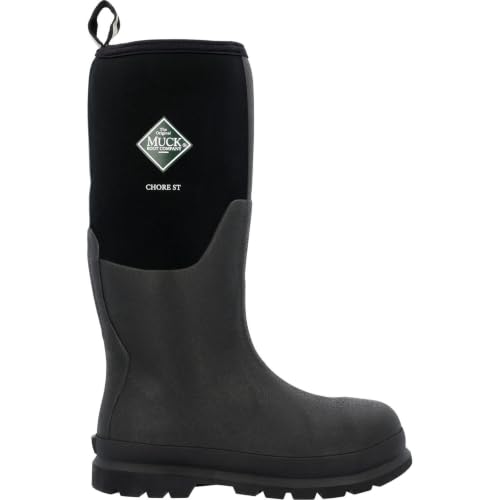

1. Outsole Lug Depth and Mud-Shedding Channels
Traction in slick mud depends entirely on the design and depth of the outer rubber lugs. Shallow treads quickly pack full of clay, turning the bottom of your boot into a smooth, frictionless ski. Deeply sculpted perimeter lugs bite past the soft upper layer to find purchase on solid subsoil underneath.
When inspecting tread patterns, look for wide channels that angle outward toward the edge of the sole. These release channels flex as your foot rolls forward, forcing packed muck to slide out naturally instead of building up. Lugs shaped like wide chevrons or staggered blocks provide superior multi-directional stability on greasy slopes.
A practical rule of thumb is to seek out outsoles with lug depths of at least five millimeters for moderate soil, and eight millimeters for saturated clay. Softer rubber compounds grip wet stone and concrete better, whereas harder compounds resist abrasion from sharp gravel and rebar. Balancing compound firmness against lug geometry ensures you stay upright through unpredictable field conditions.
2. Waterproof Barrier Construction
True waterproofing requires a completely impermeable seal rather than a topical chemical spray. Seamless vulcanized rubber shells and fully neoprene booties provide an impenetrable physical wall against standing liquid. In contrast, leather footwear relies on internal hydrophobic membranes stitched between the lining and exterior shell.
Check the factory rating of the waterproof system before exposing footwear to deep water. Premium membranes adhere to ASTM standards, guaranteeing continuous resistance against water penetration under dynamic pressure. Stitched seams must feature hot-melt waterproof tape on the interior side to prevent liquid from weeping through needle holes.
For operations requiring wading through standing water deeper than your ankles, seamless tall rubber boots remain the gold standard. Membrane-lined lace-up styles offer better lateral ankle containment, but they require periodic re-treatment with waterproofing waxes to keep outer leathers from waterlogging. Consider how deep your liquid hazards run before committing to a specific barrier type.
3. Upper Material Resilience
The upper portion of the boot faces continuous exposure to abrasive muck, sharp brush, and corrosive jobsite chemicals. Premium five-millimeter to six-millimeter neoprene uppers offer exceptional tear resistance while flexing smoothly with each step. Rubber overlays wrapped around the heel counter and toe box protect these soft neoprene panels from puncture wounds.
Heavy full-grain leather uppers provide unmatched structural protection against falling debris and sharp jobsite scrap. However, continuous cycles of soaking and drying cause unprotected leather fibers to stiffen, crack, and shrink over time. Microfiber and synthetic leather composites reduce overall boot weight while shedding standing water more rapidly than traditional cowhide.
If you regularly work near animal waste or fresh concrete, ensure the upper material resists chemical degradation. Concrete slurry contains caustic lime that rapidly deteriorates organic leather fibers. Synthetic rubber overlays create a non-porous shield that easily rinses clean under a high-pressure hose at the end of every shift.
4. Safety Toe Caps and Impact Protection
Industrial wet environments introduce heavy slipping machinery, falling tools, and shifting timber. Integrating a certified safety toe cap prevents severe crushing injuries while working in hazardous ground conditions. Steel toe caps remain the industry benchmark for maximum impact and compression protection in high-risk zones.
Verify that any prospective safety boot meets ASTM F2413 specifications for impact and compression resistance. Asymmetrical toe caps follow the natural contours of your foot, preventing the metal edge from pinching your smaller toes during deep squats. Composite toe caps offer an alternative that resists thermal transfer in freezing sludge without triggering security metal detectors.
When selecting protective toe footwear, remember that steel toes increase the swing weight of your stride over long working days. For agricultural or landscaping work where heavy drop hazards are low, soft-toe models reduce leg fatigue considerably. Always verify the specific occupational requirements of your worksite before deciding between steel and non-safety toe options.
5. Internal Shank Stability and Arch Support
Walking across soft, muddy ground forces your arches to work twice as hard to maintain balance. A rigid internal shank bridges the gap between the heel and the ball of the foot, distributing your weight evenly across the entire sole. Without adequate shank support, working on shovel blades or rungs quickly causes debilitating plantar fasciitis.
Tempered steel shanks deliver absolute torsional rigidity, preventing the boot from twisting when you step on slick, angled rocks. Heavy-duty fiberglass and composite shanks provide dependable arch stability with less weight, which helps reduce fatigue during ten-hour shifts. Both varieties protect the bottom of your foot from upward puncture hazards like hidden rebar and nails.
Test the structural integrity of your boots by holding the heel and toe, then attempting to twist the sole like a dishtowel. A quality mud boot will resist this torsional force, proving it can hold your foot flat on uneven terrain. Prioritizing robust shank engineering saves your joints from enduring excessive strain throughout demanding workdays.
6. Shaft Height and Debris Defense
Boot shaft height determines the depth of standing water, wet grass, and thick mud you can safely navigate without overflow. Mid-height boots measuring six to eight inches offer excellent ankle mobility for driving equipment and climbing ladders. Tall pull-on boots extending twelve to sixteen inches provide the absolute coverage required for flooded trenches and drainage work.
When mud creeps over the top collar of your footwear, internal moisture creates painful blisters within an hour. Snug neoprene collars hug your calf muscles closely, creating a flexible gasket that stops splashed slurry, pebbles, and water from falling inside. Storing your outdoor footwear on dedicated racks helps preserve this collar elasticity, as detailed in our guide on storage systems for outdoor gear.
Choose your shaft height according to the deepest hazard you anticipate encountering during typical work tasks. A mid-cut boot paired with water-resistant gaiters provides flexibility for changing weather conditions. However, dedicated high-shaft rubber boots remain unmatched for continuous exposure to deep mud pools and rushing runoff.
7. Internal Thermal Regulation and Lining
Trapped foot moisture causes severe discomfort whether working under summer rain or freezing winter sleet. Heavy waterproof shells inevitably trap perspiration unless supported by high-performance internal textile liners. Breathable air-mesh linings create space between your skin and the outer wall, allowing vapor to rise away from your socks.
Examine the temperature comfort ratings provided by manufacturers before finalizing your purchase choice. Standard multi-season neoprene boots provide natural thermal insulation down to sub-zero temperatures while maintaining comfort up to mild spring weather. For extreme freeze-thaw mud, specialized fleece or synthetic fleece linings prevent cold ground frost from sapping foot warmth.
Never rely solely on boot insulation to control internal sweat during strenuous physical labor. Pair your waterproof footwear with high-density merino wool or moisture-wicking synthetic crew socks to maintain a healthy foot microclimate. Proper sock selection prevents moisture pooling that deteriorates factory footbeds and generates foul odors over extended wear.
8. Slip Resistance and Safety Standards
Muddy worksites often contain slick transitions between saturated earth, wet timber decking, and greasy equipment steps. Standard rubber outsoles harden in cold conditions, drastically lowering their friction coefficient on polished surfaces. Dedicated slip-resistant footwear incorporates microscopic siping that disperses thin water films beneath the sole.
Review the sole certification markings to confirm third-party safety testing under controlled laboratory conditions. The ASTM F3445 standard evaluates slip resistance on both wet and oily surfaces, giving you verified confidence on slick staging. Oil-resistant and heat-resistant compound formulations also prevent premature rubber degradation when working around heavy diesel equipment.
In addition to slip metrics, evaluate secondary electrical hazard protection if your jobsite involves exposed temporary wiring or underground power feeds. Boots certified to ASTM F2412 electrical hazard standards shield workers against open circuits up to eighteen thousand volts under dry conditions. Always ensure your chosen safety certifications align with the specific occupational hazards of your trade.
| Feature Spec | Seamless Tall Boots | Waterproof Mid Hikers | Heavy Chore Boots |
|---|---|---|---|
| Primary Material | Natural Rubber & Neoprene | Waterproof Leather & Mesh | Vulcanized Rubber Overlay |
| Shaft Coverage | 12 to 16 Inches | 5 to 7 Inches | 15 to 16 Inches |
| Safety Toe Options | Plain Toe or Steel | Steel Safety Toe | Reinforced Steel Toe |
| Mud Clearance | Rapid Self-Cleaning | Moderate Cleaning | Aggressive Lug Shedding |
| Best Application | Agriculture & Wading | Construction & Active Walking | Heavy Industrial Slurry |
Why You Should Trust Us
Our review process relies on rigorous technical comparisons of materials, manufacturing tolerances, and verified user satisfaction data. We examine safety compliance sheets, evaluate rubber compound formulations, and analyze tread geometries across every shortlisted model. Rather than accepting factory marketing claims at face value, we cross-reference manufacturer metrics against third-party ASTM safety certifications.
We systematically track long-term durability reports from agricultural laborers, civil contractors, and utility workers who operate in deep mud every week. Our analysis focuses on seam longevity, sole bonding strength, puncture vulnerability, and how well outsoles shed clay under actual pressure. This objective approach ensures our footwear guidance highlights products built to survive genuine abuse.
Our comparison models are updated continuously as manufacturers release revised outsoles, improved linings, and updated safety features. We maintain editorial independence, basing our ratings entirely on build construction, user protection, and real-world functional performance. You receive direct, unfiltered recommendations designed to deliver dependable value on demanding jobsites.
Final Thoughts
Selecting the right footwear transforms wet, miserable workdays into productive, safe shifts. If you face unrelenting industrial slurry and hazardous jobsite machinery, our best overall recommendation is the MUCK Chore Classic Men’s Steel Toe Boot, Black. Its heavy-duty steel toe cap, quadruple heel reinforcement, and ASTM-rated slip-resistant outsole deliver bulletproof protection in extreme standing muck.
For budget-conscious tradespeople and homesteaders needing dependable full-height coverage, choose the TIDEWE Rubber Boots for Men. This model combines a flexible six-millimeter neoprene upper with a steel shank and aggressive tread lugs, offering remarkable stability at an accessible price. It slips on and off effortlessly, making it the practical value pick for routine chores and wet outdoor tasks.
Workers who spend their shifts walking extensive distances on broken, muddy terrain will appreciate the agile profile of the Timberland PRO Men’s Mudslinger Mid Waterproof. This boot blends traditional hiking flexibility with industrial steel-toe impact safety and advanced electrical hazard resistance. For more detailed advice on matching performance gear with harsh working environments, browse our broad catalog of footwear and apparel buying guides.
Frequently Asked Questions
What makes the Best Work Boots for Wet and Muddy Conditions perform better than standard boots?
Footwear engineered specifically for muddy environments features wide, outward-angled tread channels that prevent thick soil from clogging the outsole. They also incorporate seamless vulcanized rubber walls or tested waterproof membranes that stop continuous standing liquid from seeping inside.
How do I clean thick mud off my work boots without ruining the material?
Allow the outermost layer of mud to dry partially, then knock the boots together to dislodge large clumps before rinsing with cool water. Use a soft-bristle utility brush to clean the treads, and avoid placing rubber boots near direct heat radiators that dry out natural rubber compounds.
What is the top-rated option among Best Work Boots for Wet and Muddy Conditions in 2026 for heavy construction?
The top-rated industrial choice for severe construction mud in 2026 remains the MUCK Chore Classic Men’s Steel Toe Boot, Black. Its combination of ASTM-certified steel toe protection, reinforced heel counters, and slip-resistant tread delivers uncompromised jobsite safety.
Should I size up when purchasing rubber mud boots?
Ordering one size up is generally advisable if you plan to wear thick merino wool socks or if you have wide feet and high insteps. A slightly roomier fit also promotes better blood circulation, which helps keep your feet warmer in cold wet conditions.
Are neoprene boots durable enough to resist punctures from brush and rocks?
Quality five-millimeter or six-millimeter neoprene uppers resist common surface abrasions and brush snags remarkably well. For heavy puncture resistance near sharp ground debris, ensure your boots feature vulcanized rubber overlays that extend high along the foot and shin.
How can I prevent my feet from sweating inside waterproof rubber boots?
Choose boots that incorporate breathable air-mesh linings designed to circulate airflow around your foot during movement. Pair your footwear with technical moisture-wicking wool or synthetic socks rather than cotton, which holds moisture directly against your skin.
Why is a steel shank important for working in deep mud?
A steel shank provides structural underfoot stiffness that keeps the sole from twisting when you step on uneven, greasy ground. It also spreads your body weight evenly when pressing down on shovel blades, reducing arch fatigue and joint strain.
Can I wear leather work boots in deep standing mud?
Waterproof leather boots can handle occasional puddles and shallow mud, provided they have taped internal membranes. Continuous exposure to caustic slurry or standing mud above the ankle, however, will saturate leather and degrade stitching faster than rubber shells.
How should I store wet work boots between shifts?
Store your boots in a well-ventilated, room-temperature area away from direct sunlight and forced-air heat vents. If keeping boots in storage closets, check our tips on utility storage containers to maintain organized, mold-free gear storage.
What is the difference between water-resistant and waterproof work boots?
Water-resistant boots feature outer surface treatments that bead light rain for short durations before eventually soaking through. Fully waterproof boots utilize impermeable physical materials like solid vulcanized rubber or sealed membranes that withstand complete submersion.


Write Your Review
No reviews yet. Be the first to share your experience!