

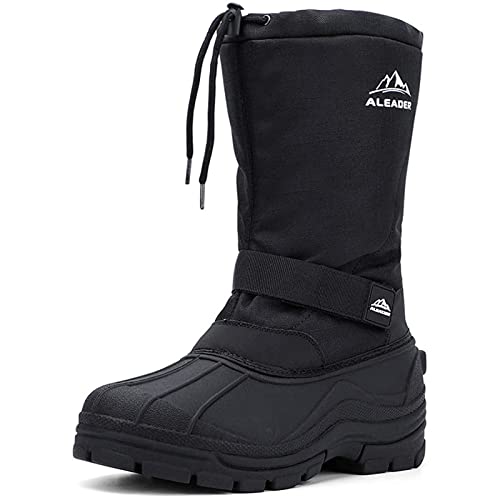
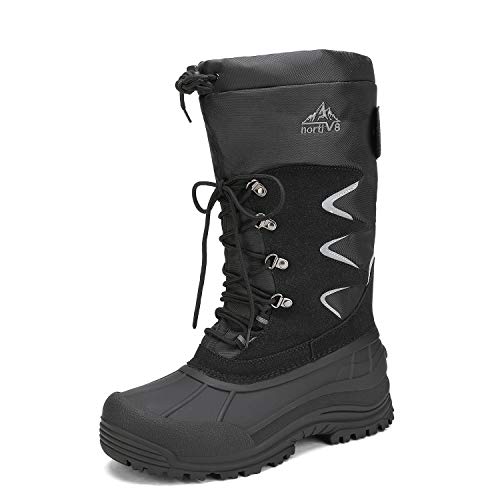
Winter trail riding exposes your feet to freezing wind chills, slush, and sharp metal running boards. Choosing the right snowmobile footwear ensures your feet stay warm, dry, and secure during all-day backcountry adventures. We evaluated 7 models for September 2026 to pinpoint the most durable options across top brands such as ALEADER, NORTIV 8, 509 and more.
Many riders make the mistake of using standard winter hiking boots on a snowmobile. Standard boots lack the aggressive ankle support, running board abrasion protection, and moisture vapor control needed on high-speed trails. You can explore our practical gear guides to discover how targeted outdoor equipment improves comfort and safety.
Whether you need heavy thermal defense against -40 degree temperatures or responsive flex for aggressive mountain carving, selecting proper footwear transforms your ride. This guide breaks down the essential performance metrics so you can invest in the right gear with complete confidence.



How to Choose the Best Boots for Snowobile in 2026
Selecting snowmobile footwear requires balancing thermal efficiency, waterproofing, structural support, and sole durability. Riding conditions change quickly between packed trails and deep powder fields. The right gear must handle intense physical movement without letting sweat accumulate or cold air seep past the seams.
1. Thermal Insulation and Temperature Ratings
Insulation is the primary defense against freezing winds generated at high riding speeds. Snowmobile boots typically utilize Thinsulate or Primaloft synthetic fibers ranging from 200 grams up to 1000 grams. Higher insulation levels keep toes warm during passive trail riding when feet remain mostly stationary on cold floorboards.
When comparing insulation, evaluate your personal riding style and internal body heat generation. Active mountain riders who constantly maneuver across the sled generate substantial warmth and often prefer 600 grams of insulation. Crossover and touring riders facing extreme subzero trail chills benefit significantly from 800 to 1000 grams of synthetic fill.
A smart rule of thumb is to account for wind chill rather than ambient air temperature. Riding at 50 miles per hour in 10-degree weather creates an effective subzero chill on your boots. Look for boots that incorporate cold-blocking thermal footbeds to prevent floorboard heat transfer.
2. Waterproof and Breathable Membranes
Water resistance prevents melted snow and slush from soaking your socks and lowering your core temperature. Advanced membranes like GORE-TEX and proprietary 5TECH fabrics allow microscopic sweat vapors to escape while blocking liquid water droplets from entering. This balance is critical because wet feet quickly freeze when you stop moving.
Check the spec sheet for seam-sealed construction and internal bootie bladders rather than simple surface coatings. Surface sprays wear away quickly against snow abrasion, while integrated liners provide reliable multi-season protection. Premium membranes maintain breathability even when packed snow covers the exterior leather panels.
Always pair waterproof boots with moisture-wicking synthetic or merino wool socks instead of cotton. Cotton traps sweat against your skin, neutralizing the benefits of a breathable membrane. Keeping moisture moving outward maintains optimal thermal insulation throughout your journey.
3. Lacing and Closure Systems
Closure systems impact both convenience and safety out in freezing terrain. Modern snowmobile boots use either traditional oversized laces or micro-adjustable BOA dial systems. BOA mechanisms utilize aircraft-grade stainless steel cables to distribute tension evenly across the foot with a simple turn of a dial.
Traditional laces offer field repairability with spare paracord if a lace snaps on remote trails. However, traditional laces can soak up water, freeze solid, and loosen during rough rides. Dual-zone BOA systems allow you to adjust forefoot and ankle tightness independently while wearing heavy winter gloves.
Look for breakaway dial fail-safes if you choose a BOA-equipped model. Breakaway dials pop open under severe impact instead of shearing off, protecting the mechanism during sudden contact with tree branches or frozen trail debris.
4. Outsole Traction and Running Board Durability
Snowmobile running boards feature sharp metal teeth designed to clean ice off your treads. These aggressive grip points quickly chew through soft rubber outsoles. High-carbon rubber compounds and reinforced midsoles provide the hardness required to withstand aggressive metal traction plates.
The tread pattern must also offer dependable grip when walking across slick gas station pads or hardpacked ice. Dual-compound outsoles combine firm center lugs for running board longevity with softer outer lugs for ice traction. This hybrid design ensures stable footing both on and off the machine.
Before purchasing, inspect the tread depth and lug spacing. Widely spaced lugs shed packed snow automatically with each step, preventing heavy snow buildup that compromises balance on the sled.
5. Upper Materials and Rubber Rand Reinforcements
Boot uppers endure constant friction against machine cowls, tunnel sides, and frozen crust. Genuine full-grain leather and ballistic nylon uppers resist tearing and maintain flexibility in subzero temperatures. Synthetic leather alternatives offer lighter weight but require reinforced stitching to prevent seam separation.
High-wear zones around the toe box, heel, and lower perimeter need heavy-duty rubber rands. These molded rubber bumpers absorb impacts from flying ice chunks and prevent tunnel edges from slicing the main fabric. Double and triple stitching across high-stress zones further extends overall service life.
Evaluating construction details helps you identify gear that will last multiple seasons. To learn more about organizing your winter wardrobe and seasonal gear effectively, check our helpful how to articles.
6. Ankle Support and Forward Flex
Riding over moguls and through deep powder puts significant lateral stress on your ankles. Snowmobile boots feature molded internal stays or reinforced backspines to prevent hyperextension and lateral twisting. This rigid support shields joints when absorbing hard landings or sudden terrain drops.
While lateral rigidity prevents injury, boots must maintain sufficient forward flex to allow natural knee bending during aggressive riding. High-end models incorporate articulated ankle cuffs that flex smoothly forward while locking out sideways movement. This balance reduces leg fatigue during long days in the saddle.
Evaluate the height of the boot shaft to match your riding style. A 10 to 12-inch boot shaft stabilizes the lower calf and integrates smoothly with snow bib gaiters to block incoming powder.
7. Footbed Insulation and Cold-Stop Technology
The cold aluminum tunnel and metal running boards draw immense amounts of heat straight out of your soles through conduction. Standard insoles fail to block this conductive heat transfer, causing cold toes even in heavily insulated uppers. Dedicated snowmobile boots utilize specialized thermal barriers underfoot.
Look for models equipped with Aerogel footbeds, multi-layer EVA foams, or reflective foil liners. Aerogel provides extreme thermal resistance in an ultra-thin profile that will not compress under body weight. Multi-layer insoles also cushion vibrations transmitted through the chassis, reducing foot numbness on high-mileage days.
If your chosen boots come with basic insoles, consider replacing them with aftermarket thermal footbeds. Upgrading underfoot insulation dramatically increases overall warmth without altering boot volume or fit.
8. Boot Sizing and Layering Space
Snowmobile boots must fit snugly to provide control, but they must never restrict blood circulation. Tight footwear pinches the foot, reducing blood flow to the toes and accelerating frostbite risk. Furthermore, compression flattens sock fibers, destroying the dead air pockets responsible for holding heat.
Many specialized riding boots run slightly small due to thick internal insulation liners. Ordering a half size or full size larger than your regular shoe size is common practice to accommodate thick technical socks. Ensure your toes can wiggle freely while your heel remains locked firmly in the heel cup.
Always try on new boots while wearing the exact wool socks you plan to use on the snow. Walk around for fifteen minutes to verify that your heel does not lift and that no pressure points develop across the instep.
Key Features Comparison for Snowmobile Footwear
Comparing technical specifications across categories helps you identify which performance features match your riding style. The table below outlines standard performance metrics across different boot tiers.
| Feature | Entry-Level Utility | Mid-Range Trail | Premium Backcountry |
|---|---|---|---|
| Insulation Type | Basic Synthetic Fill (200g-400g) | Thinsulate (600g) | Primaloft / Aerogel (600g-1000g) |
| Waterproofing | Water-Resistant Coating / Shell | Hydroguard Membrane | GORE-TEX / 5TECH Membrane |
| Closure Type | Drawstring / Velcro Straps | Heavy-Duty Laces | Single / Dual BOA System |
| Outsole Durability | Standard Soft Rubber | Reinforced High-Grip Rubber | High-Carbon Abrasion Rubber |
| Running Board Rand | Minimal Toe Cap | Reinforced Toe & Heel | Full Perimeter Heavy Rand |
Prioritizing durable materials and proper insulation ensures long-term comfort in cold conditions. You can read our seasonal organization and gear storage guide to learn practical methods for preserving technical winter fabrics during the off-season.
Why You Should Trust Us
Our review process relies on systematic spec analysis, material research, and verified real-world rider feedback. We dissect technical attributes including waterproof membrane ratings, insulation densities, and outsole durometers across every major manufacturer. This structured evaluation eliminates marketing fluff and focuses strictly on measurable performance metrics.
We monitor rider communities and industry updates to track long-term durability concerns such as BOA cable wear and outsole breakdown. Our database continuously tracks updates in materials and construction methods to ensure our rankings reflect current manufacturing standards. We maintain full editorial independence so you receive objective and unbiased product recommendations.
Final Thoughts
Investing in high-grade winter riding footwear keeps you safe and focused on the trail ahead. For extreme cold protection and aggressive deep-snow performance, our best overall recommendation is the 509 Saber Single Boa Snowmobile Boot. Its 1000 grams of Primaloft insulation and Aerogel footbed provide unmatched thermal defense against icy tunnel running boards.
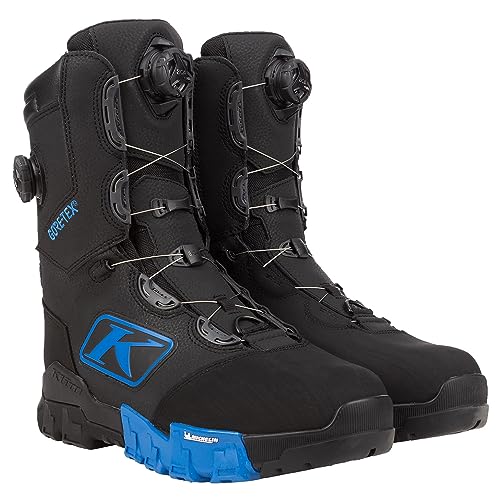
Riders looking for precision fit and proven moisture protection will appreciate the KLIM Adrenaline Pro S GTX BOA Snowmobile Boots. The dual-zone BOA system offers effortless dial-in adjustments, while the genuine GORE-TEX membrane keeps moisture out during high-exertion riding.
If you need dependable casual winter footwear or utility performance on a sensible budget, the NORTIV 8 Men’s Waterproof Winter Snow Boots offer excellent multi-layer insulation and slip resistance. For active trail carving, the 509 Raid Single Boa Snowmobile Boot provides rugged high-carbon outsoles built specifically for aggressive sled running boards.
Frequently Asked Questions
What makes Best Boots for Snowobile different from regular winter boots?
Snowmobile boots feature stiffened ankle supports, high-carbon rubber outsoles, and heavy perimeter rands that withstand sharp running boards. Regular winter boots lack the structural rigidity and abrasion resistance needed for fast-paced powersports.
How much insulation do I need for trail riding in 2026?
Trail riding typically requires 600 to 1000 grams of synthetic insulation because your feet remain mostly static while cruising at high speeds. Active mountain riders can manage with 600 grams since body movement produces natural heat.
Are BOA closure systems reliable in freezing conditions?
Modern BOA systems utilize stainless steel cables and ice-shedding open guides that operate smoothly in subzero temperatures. They allow quick adjustments without taking off your riding gloves and feature breakaway dials to prevent impact damage.
Why do my feet still get cold inside insulated waterproof boots?
Cold feet often result from trapped sweat when wearing cotton socks or from conductive heat loss through the boot soles. Switch to moisture-wicking merino wool socks and use boots with thermal cold-blocking insoles to eliminate this problem.
Should I size up when buying Best Boots for Snowobile in 2026?
Yes, sizing up by a half or full size is recommended to fit thick thermal socks without constricting foot circulation. Tight boots compress insulating sock fibers and restrict blood flow, making your feet feel cold faster.
How do I dry my snowmobile footwear properly after a long ride?
Remove the insoles and place your boots on a low-temperature forced-air boot dryer to evaporate moisture gently. Never place technical boots directly against wood stoves or electric space heaters because excessive heat melts waterproof seam tapes.
What is the difference between single and dual BOA systems?
A single BOA dial tightens the entire boot uniformly using one cable routing network. Dual BOA systems use separate dials for the lower forefoot and upper ankle shaft, allowing customized tension across different zones.
Do GORE-TEX membranes make a significant difference on the snow?
GORE-TEX provides industry-leading waterproof protection while maintaining high vapor breathability during high-intensity riding. This keeps your feet dry from both outside slush and inside sweat accumulation.
Can I use snowboard boots for riding a snowmobile?
Snowboard boots are generally too stiff for snowmobiling and lack the durable high-carbon outsoles required for sharp running boards. Dedicated snowmobile footwear provides the right balance of forward flex, warmth, and sole abrasion protection.
How often should I replace my riding boots?
Most quality boots last between three and five seasons depending on riding frequency and maintenance habits. Inspect the outsoles regularly for deep gouges and check the ankle rands for delamination to ensure continued safety. You can also explore our maintenance and care advice for keeping your winter apparel in top condition.


Write Your Review
No reviews yet. Be the first to share your experience!