
Wobbly chair legs, torn upholstery, scratched wood, loose cabinet knobs – every home collects a slow drip of small furniture problems that never quite justify calling a professional but always seem to nag at you. A well-stocked furniture repair kit is the single best investment you can make to stop patching things with tape and start actually fixing them. This guide walks you through exactly what belongs in that kit, how to organize it, and how to tackle your first few repairs with confidence.
Why Every Home Needs a Furniture Repair Kit
Furniture takes a beating. Kids climb on it, pets scratch it, movers drop it, and wood simply shrinks and swells with the seasons until joints loosen. Most of these problems are minor on their own, but left unaddressed they compound – a wobbly joint gets worse every time someone sits down, and a small scratch in finish can let moisture in and cause deeper damage. Having a dedicated kit means you can catch these issues early, when a five-minute fix is still possible, instead of waiting until the piece needs to be replaced entirely.
There’s also a real cost-saving angle. Professional furniture repair visits often run well past what the piece is worth, especially for everyday items like dining chairs or bookshelves. A modest one-time investment in the right tools and materials pays for itself the very first time you avoid a service call.
Core Categories Your Kit Should Cover
Rather than buying random tools one at a time, it helps to think of your repair kit in categories. A well-rounded kit touches on structural repair, surface repair, hardware, and upholstery – the four areas where furniture problems most commonly show up.
Structural Repair Essentials
- Wood glue (a good PVA carpenter’s glue is the workhorse of almost every wood repair)
- Wood clamps in a few sizes, for holding joints together while glue cures
- Wood filler or epoxy putty for cracks, chips, and stripped screw holes
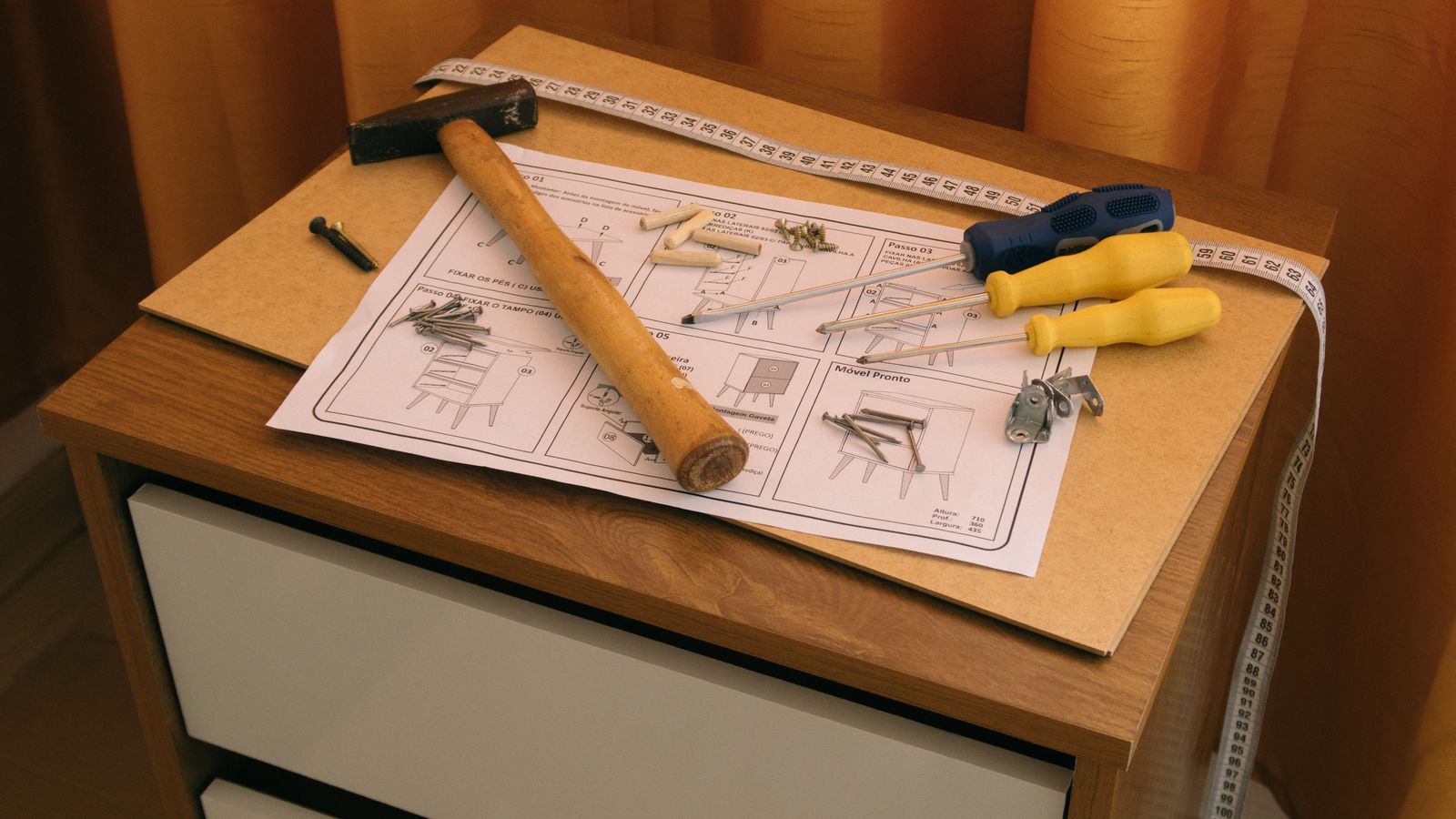
- A basic screwdriver set with both flathead and Phillips heads, plus a small drill/driver
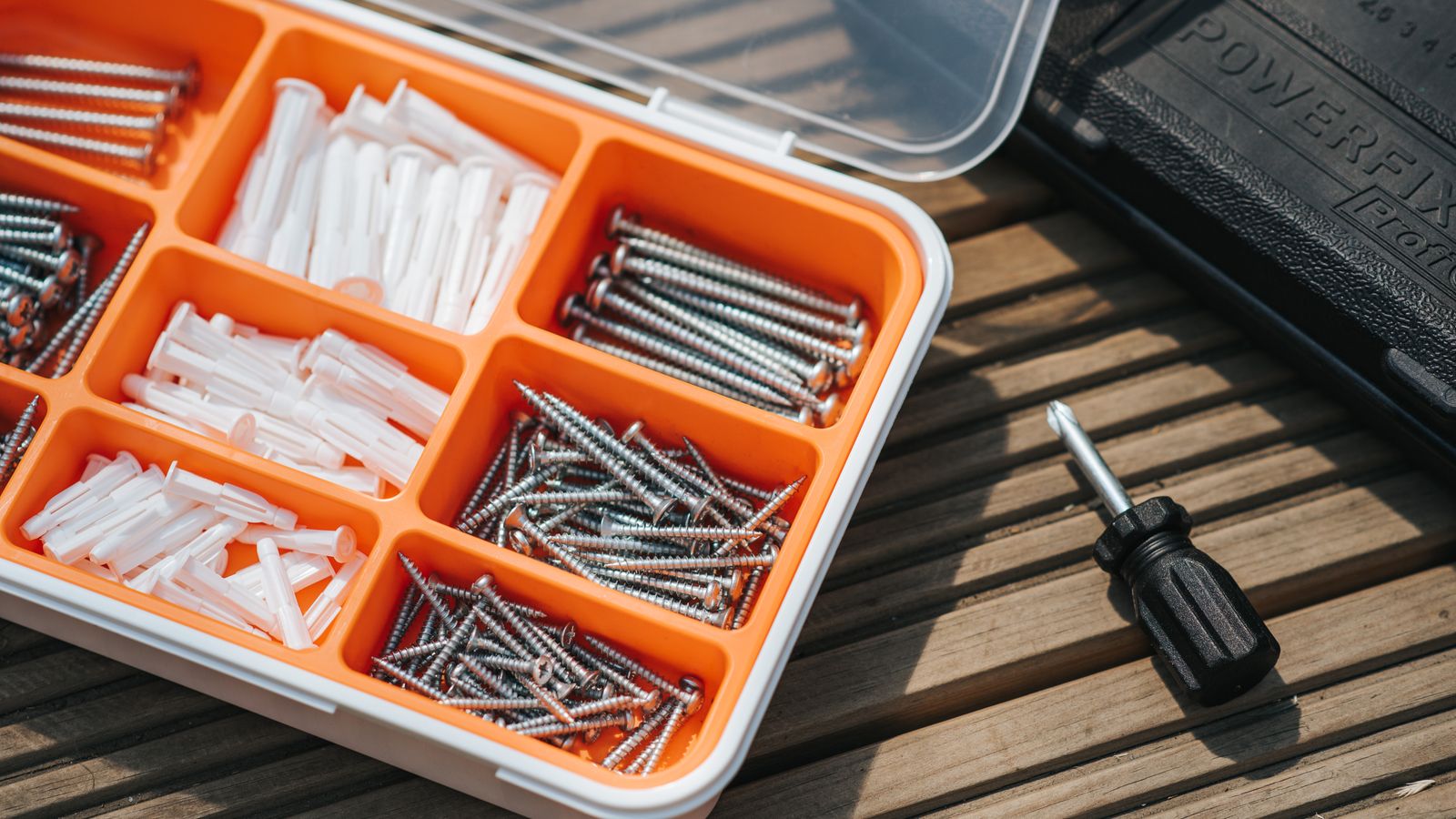
- Replacement screws, dowels, and corner braces in assorted sizes
Surface and Finish Repair
- Fine-grit sandpaper (220 and 320 grit cover most touch-up work)
- Wood touch-up markers or stain pens matched to common finish tones
- A small container of matching wood polish or wax
- Microfiber cloths for cleanup and buffing
Hardware and Assembly
Loose or missing hardware is one of the most common furniture complaints, and it’s also one of the easiest to fix once you have the right parts on hand. Keep a small assortment of replacement hinges, drawer pulls, and leveling feet, and consider bookmarking a source for cabinet knobs and drawer hardware so you can quickly match a style when a piece needs an upgrade rather than just a repair.
Upholstery and Fabric Repair
- Heavy-duty fabric glue for quick seam fixes
- A needle-and-thread kit rated for upholstery-weight fabric
- Fabric patches or matching scraps saved from the original piece if possible
Wobbly Chairs and Loose Joints: The Most Common Fix
If there’s one repair every homeowner eventually faces, it’s a wobbly chair or table leg. The fix is almost always the same regardless of the piece: the joint has either loosened from repeated stress or the original glue has dried out and cracked. Start by identifying which joint is moving – grab the piece and gently rock it while watching where the gap opens. Once you’ve found the culprit, disassemble the joint if possible, scrape out the old glue, apply fresh wood glue, and clamp it tightly until fully cured (usually 24 hours). For joints that won’t come apart, wood glue injected with a syringe applicator can often be worked into the gap without full disassembly.
Fixing Scratches, Dents, and Surface Damage
Surface damage is usually more visible than structural damage but often easier to fix. For shallow scratches, a touch-up marker in a matching wood tone can disguise the mark in seconds. For deeper gouges, fill with wood filler, let it cure fully, sand flush, and finish with stain or polish to blend it in. Dents in solid wood can sometimes be raised by applying a damp cloth and a warm iron, which swells the compressed wood fibers back toward their original shape – a trick worth trying before reaching for filler.
Repairing and Reupholstering Fabric Surfaces
Torn seams, worn armrests, and sagging cushions are common on chairs and sofas that see daily use. Small tears can be hand-stitched or glued with fabric adhesive, but larger repairs or full reupholstery jobs call for a heavier-duty tool. If you’re planning anything beyond a quick patch, it’s worth reading up on upholstery staple guns, which make it far easier to re-secure fabric panels tightly and evenly around a frame. Leather pieces need their own approach entirely – cracked or scuffed leather responds well to conditioning and color-matched repair compounds, and our roundup of the best leather repair kits is a good next stop if you’re dealing with a leather sofa or chair.
Anchoring and Safety Hardware
A furniture repair kit isn’t only about fixing damage – it’s also about preventing accidents. Tall dressers, bookshelves, and media units pose a real tip-over risk, especially in homes with young children or pets. Anti-tip straps and wall anchors should be part of your kit alongside your repair tools, not treated as a separate purchase. If you’re mounting shelving or securing furniture to drywall or studs, take a look at our guide to Wall Anchors to make sure you’re using hardware rated for the weight involved. For furniture-specific tip restraints, our page on best furniture anchors covers straps designed specifically for dressers and bookcases.
Setting Up New or Assembled Furniture
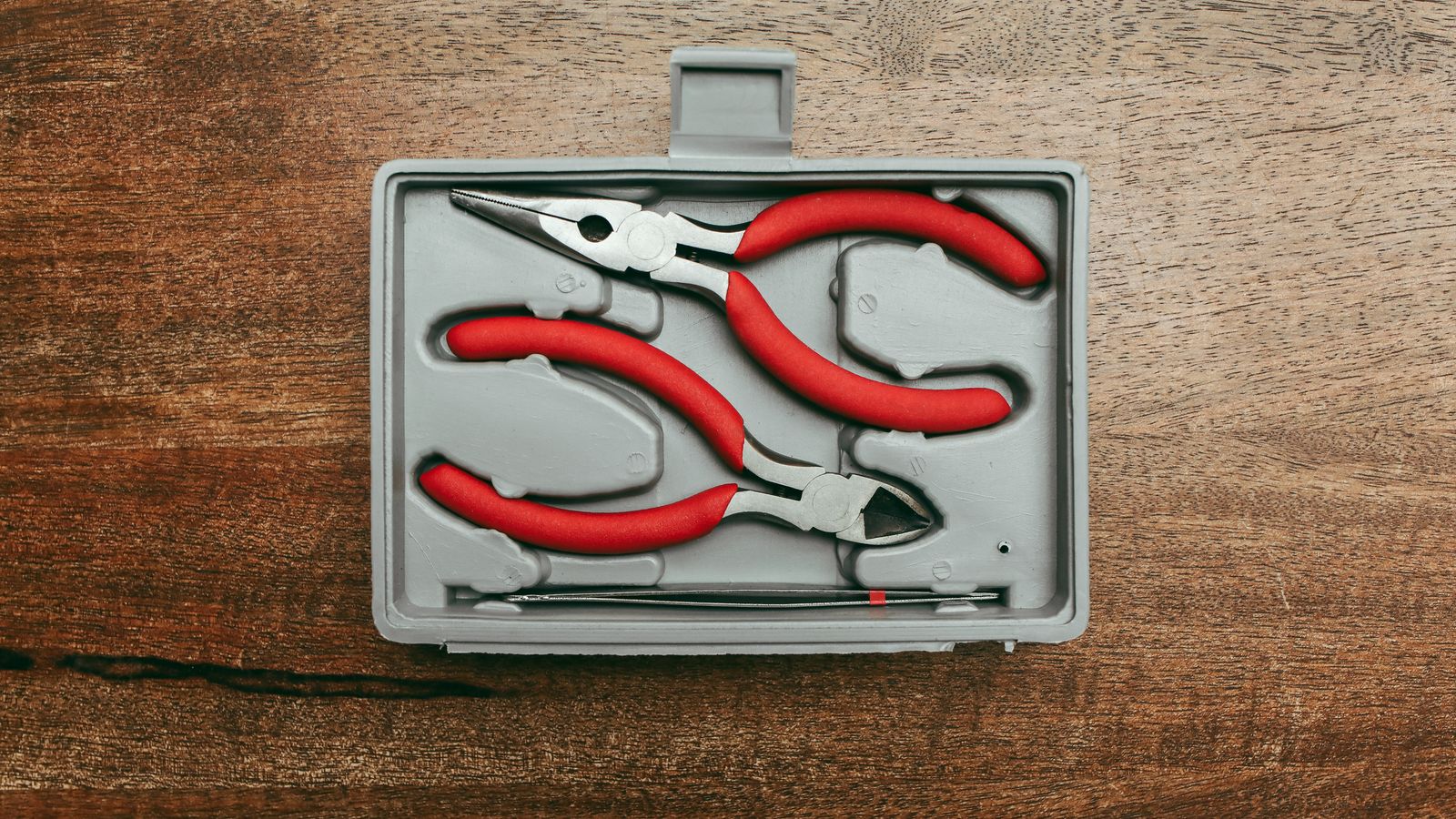
A repair kit doubles as an assembly kit. Flat-pack furniture, in particular, benefits from having your own quality tools on hand rather than relying on the flimsy hex key that ships in the box. A dedicated set from our guide to furniture assembly tool kits will save you time and stripped screws on your next build, and having spare drawer slides or Furniture Leg Sets on hand means a broken part doesn’t have to mean an entire piece goes to the curb.
Building Your Kit on a Budget
You don’t need to buy everything at once. Start with the basics – wood glue, a screwdriver set, sandpaper, and a tube of fabric glue – and expand as specific repairs come up. Many of the specialty items, like staple guns or leather repair compounds, are only worth buying once you actually have a project that needs them. Storing everything in a single labeled toolbox or tackle-box style container keeps the kit organized and means you’ll actually reach for it instead of hunting through drawers when something breaks.
Common Mistakes to Avoid
- Using the wrong glue. Super glue is not a substitute for wood glue on structural joints – it sets too fast and lacks the flexibility to handle stress over time.
- Skipping clamp time. Glued joints need full cure time under clamp pressure; rushing this step is the top reason repairs fail again within weeks.
- Ignoring color match. Wood filler and stain pens come in a range of tones – test on a hidden spot before committing to a visible repair.
- Overtightening hardware. Screws driven into worn-out holes can strip the wood further; use a slightly larger screw or a dowel-and-glue fix instead of just cranking down harder.
Frequently Asked Questions
What’s the single most useful tool to start with?
A quality wood glue and a set of clamps will handle the largest share of common furniture repairs, from loose chair legs to separated table joints. If you only buy one thing to start, start there.
Can I repair furniture without disassembling it?
Often, yes. Syringe-style glue applicators let you inject adhesive into loose joints without taking the piece apart, and surface repairs like scratches or scuffs never require disassembly at all.
How do I know if a piece is worth repairing versus replacing?
Solid wood furniture with structural issues but sound joinery is almost always worth repairing – the materials alone are usually pricier to replace. Pressed wood or particleboard pieces with water damage or crumbling edges are often better candidates for replacement.
Do I need different tools for upholstered furniture versus wood furniture?
Yes, largely. Wood repair centers on glue, clamps, and fillers, while upholstery repair relies on fabric adhesive, needle and thread, and a staple gun for larger jobs.
Final Thoughts
A furniture repair kit isn’t a one-time purchase so much as a growing toolbox that adapts to your home’s needs. Start with the structural basics, add surface and hardware supplies as you go, and don’t overlook safety items like wall anchors for taller pieces. With the right kit within reach, most furniture problems become a twenty-minute fix instead of a trip to the store.