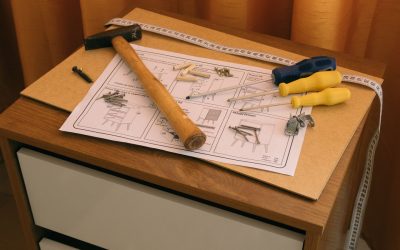
Walk down the hardware aisle looking for “something to secure furniture to the wall” and you’ll find three very different products staring back at you: wall anchors, furniture safety straps, and shelf brackets. They sound interchangeable, but each solves a distinct problem, and picking the wrong one can leave a dresser tip-prone, a shelf sagging, or a strap that simply isn’t rated for the load you’re hanging on it. This guide breaks down exactly what each product does, when to use it, and how to decide which one (or combination) your project actually needs.
What Each Product Actually Does
Before comparing them side by side, it helps to understand the core job each hardware type performs. They are not competing solutions to the same problem – they’re specialized tools for three separate jobs that sometimes overlap in a single furniture-anchoring project.
Wall Anchors
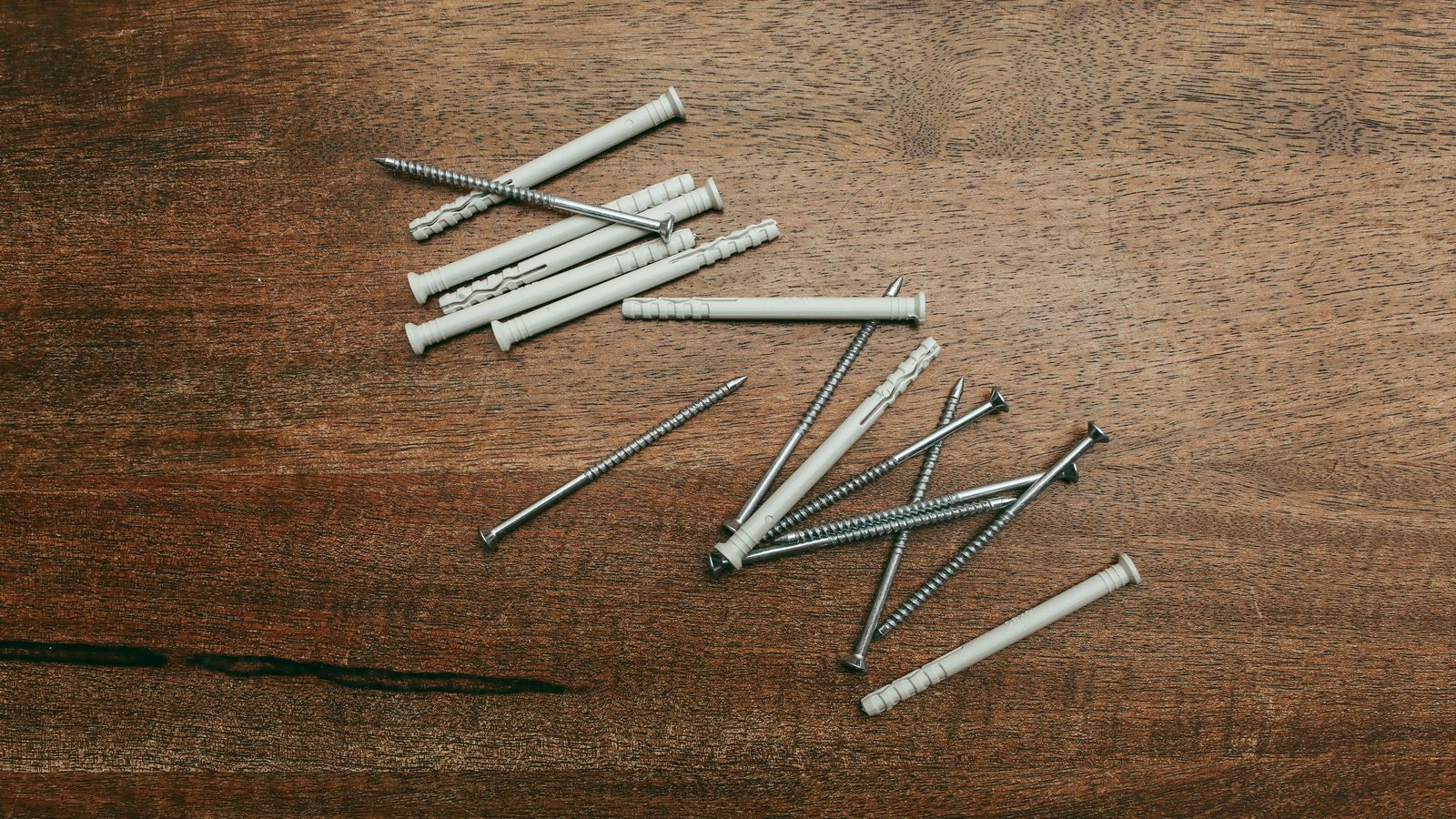
Wall Anchors are the fasteners that let a screw grip securely into drywall, plaster, or masonry where there’s no wood stud behind it. Types range from plastic expansion anchors and self-drilling anchors to heavier-duty toggle bolts and molly bolts. Their job is purely structural: they create a solid anchor point inside a wall that otherwise wouldn’t hold a screw under load. Wall anchors are a component, not a finished safety solution – they’re what you use underneath a bracket, strap, or shelf mount to make sure the screw actually holds.
Furniture Straps for Safety
furniture straps for safety are anti-tip devices designed specifically to stop tall or top-heavy furniture – dressers, bookcases, entertainment centers – from tipping over onto a child or pet. They’re typically a nylon strap or rigid metal L-bracket that connects the back of the furniture piece to the wall stud (or to a wall anchor if no stud is available). Unlike shelf brackets, furniture straps aren’t meant to bear a display or storage load on their own; they exist purely to prevent tipping, restraining the furniture’s center of gravity from swinging forward.
Shelf Brackets
best shelf brackets are load-bearing supports designed to hold up a horizontal shelf and whatever you place on it – books, decor, kitchenware, closet storage. They come in L-shaped, floating, adjustable, and decorative styles, and their whole purpose is carrying downward and outward weight over time, not preventing a piece of furniture from tipping.
Side-by-Side Comparison
Here’s the quickest way to see how these three products differ in purpose, load type, and where they attach:
- Primary purpose: Wall anchor = create a secure attachment point in a wall; Furniture strap = prevent tip-over; Shelf bracket = support a shelf’s weight.
- Load direction: Wall anchor = handles pull-out and shear forces from whatever is attached; Furniture strap = restrains forward/tipping force; Shelf bracket = carries constant downward and outward load.
- Where it attaches: Wall anchor = inside the wall material itself; Furniture strap = back of furniture to wall stud/anchor; Shelf bracket = wall to underside or back of a shelf.
- Used alone or combined: Wall anchors are almost always paired with another product; furniture straps and shelf brackets are often installed using a wall anchor for extra holding power.
- Typical failure risk if skipped: No wall anchor = screw pulls out under load; no furniture strap = furniture tip-over hazard; no bracket (or an undersized one) = shelf sags or collapses.
How to Decide What You Actually Need
The fastest way to figure out which product applies to your situation is to ask what you’re trying to prevent or support.
You’re Mounting Something Into Drywall Without a Stud
If you need to hang a shelf, mirror, or TV mount and there’s no wood stud in the right spot, you need wall anchors rated for the weight of the item. This is true whether you’re also using a shelf bracket or a furniture strap – the anchor is the foundation that makes the rest of the hardware trustworthy.
You Have Tall or Top-Heavy Furniture With Kids or Pets in the House
Dressers, bookcases, and armoires taller than they are wide are tip-over risks, especially once drawers are opened or a child climbs to reach something. In this case, furniture straps for safety are the non-negotiable purchase – no amount of shelf hardware substitutes for anti-tip restraints on freestanding furniture.
You Need Storage or Display Space on a Wall
If the goal is holding books, plants, kitchen items, or decorative objects, shelf brackets are the product built for that job. Choose bracket size and rated weight capacity based on what you plan to display, and always overestimate slightly – a bracket rated for exactly your expected load leaves no safety margin.
You’re Doing All Three at Once
Many real installations combine all three: a bookcase gets furniture straps for anti-tip safety, the wall behind it gets wall anchors because there’s no stud in the anchor location, and a separate shelf bracket goes up nearby for extra display space. Treat them as complementary hardware types rather than substitutes for one another.
Weight Capacity: What to Check Before Buying
Every one of these products lists a maximum rated weight or pull-out force, and matching that number to your actual load is the single most important safety decision in this whole process.
- For wall anchors, check the pull-out rating in pounds and match it to the total weight of the item plus a safety margin – a toggle bolt rated for 50 lbs shouldn’t be your only support for a 45 lb TV mount with zero buffer.
- For furniture straps, check that the strap or bracket is rated for the actual weight of the furniture piece when fully loaded (drawers full, shelves stocked), not just the empty weight.
- For shelf brackets, check the per-bracket weight rating and multiply by the number of brackets used, then subtract a margin for uneven weight distribution.
Installation Basics for Each
Installation approach differs meaningfully between the three, and using the wrong technique is a common reason hardware fails even when the product itself was rated correctly.
Installing Wall Anchors
Locate studs first with a stud finder; only use an anchor when a stud genuinely isn’t available in a workable spot. Drill a pilot hole matching the anchor’s specified size, insert the anchor flush with the wall, and drive the screw in slowly to avoid stripping the anchor material. Toggle-style anchors generally hold more weight in drywall than simple plastic expansion anchors.
Installing Furniture Straps
Attach the wall-side bracket into a stud whenever possible; if a stud isn’t in reach, use a properly rated wall anchor instead. Attach the furniture-side bracket to a solid part of the frame, not into thin veneer or particle board backing alone. Keep the strap taut enough that the furniture can’t tip more than an inch or two before the strap catches it.
Installing Shelf Brackets
Space brackets evenly under the shelf, generally no more than 24-32 inches apart depending on shelf material and expected load. Anchor into studs where possible, and use rated wall anchors at any bracket position that falls between studs. Level each bracket before final tightening so the shelf sits flush.
Common Mistakes to Avoid
- Using a decorative or lightweight wall anchor for a heavy application like a TV mount or a fully loaded bookcase strap.
- Skipping furniture straps because a piece “seems stable” – most tip-over incidents happen with furniture that seemed fine until a drawer was pulled open or weight was added to the top.
- Installing shelf brackets without checking the shelf material’s own strength – a strong bracket can still fail if the shelf board itself sags or splits under load.
- Assuming one product substitutes for another – a shelf bracket is not an anti-tip device, and a furniture strap is not rated to carry storage weight.
- Mixing incompatible hardware sizes, like a screw too large for the anchor’s rated hole, which can crack the anchor and reduce holding power.
Budget Considerations
Wall anchors are the cheapest of the three per unit, often sold in multi-packs for a few dollars, making it easy to buy quality-rated anchors rather than cutting corners. Furniture straps are usually sold in sets designed to secure several pieces of furniture throughout a home, and spending a little more for adjustable, easy-release buckles pays off during future furniture rearrangement. Shelf brackets vary the most in price depending on material (steel vs. aluminum vs. decorative cast iron) and load rating – buy based on the rated weight you need rather than appearance alone, then let style be the tiebreaker between similarly rated options.
Quick Decision Checklist
- Am I trying to stop something from tipping over? → Furniture straps for safety.
- Am I trying to hold up a shelf and whatever sits on it? → Shelf brackets.
- Am I attaching either of those (or anything else) into a wall with no stud available? → Wall anchors, matched to the load.
- Is the furniture piece tall, narrow, or top-heavy with kids/pets nearby? → Furniture straps are mandatory, regardless of other hardware used.
- Does my planned load exceed the rated weight of the hardware with no safety margin? → Size up before installing.
Once your wall anchors, straps, or brackets are in place, finishing touches like cabinet knobs and drawer slides round out a complete furniture hardware refresh.
Frequently Asked Questions
Can I use a shelf bracket instead of a furniture strap?
No. Shelf brackets are built to carry downward shelf weight, not to restrain a furniture piece from tipping forward. Anti-tip protection requires a purpose-built furniture strap or L-bracket rated for that specific force.
Do I always need a wall anchor if I’m hitting a stud?
No – when a screw goes directly into a solid wood stud, a wall anchor generally isn’t necessary because the stud itself provides sufficient holding strength. Anchors become necessary when the attachment point falls between studs.
How many furniture straps does one piece of furniture need?
Most furniture pieces need two attachment points for stability, though very wide or tall pieces may benefit from an additional strap. Check the manufacturer’s furniture assembly guidance or the strap kit’s instructions for piece-specific recommendations.
What weight capacity should I look for in a wall anchor?
Match the anchor’s rated pull-out weight to the total load it will support, including the item itself and anything placed on or in it, then add a reasonable safety margin rather than buying to the exact minimum rating.
Final Thoughts
Wall anchors, furniture straps, and shelf brackets aren’t competing products – they’re three specialized tools that often work together in the same room. Once you’re clear on which hazard or task you’re solving for, from tip-over safety to shelf support to simply getting a secure grip in drywall, choosing the right hardware becomes straightforward. When in doubt, match the product to the specific force involved (tipping, shelf load, or pull-out strength) and always buy a rating that comfortably exceeds your actual need.