Shopping for a new bed setup can feel more complicated than it should. Do you need a bed frame without a box spring, a separate headboard, or both? The two aren’t really competing products — they solve different problems — but understanding how they work together (or independently) will save you money, floor space, and a lot of second-guessing at checkout. This guide breaks down exactly how bed frames without box springs and headboards differ, when you need one, the other, or both, and how to make the right call for your bedroom, budget, and sleep setup.
What Is a Bed Frame Without a Box Spring?
A bed frame without a box spring — often called a platform bed frame — is a standalone structure with a solid or slatted base strong enough to support a mattress directly. Unlike traditional frames that rely on a box spring for elevation and shock absorption, these frames use closely spaced wood slats, a metal grid, or a solid panel to do that job instead. That means one less component to buy, store, or eventually replace.
Most modern mattresses — memory foam, hybrid, and even many innerspring models — are designed to work fine without a box spring, as long as the frame’s slats are spaced correctly (usually no more than 3 inches apart) and rated to hold the mattress’s full weight. This is one reason platform-style Bed Frames without Box Springs have become the default choice for smaller apartments, minimalist bedrooms, and anyone who wants to avoid the extra bulk and cost of a traditional foundation.
What Is a Headboard, and What Does It Actually Do?
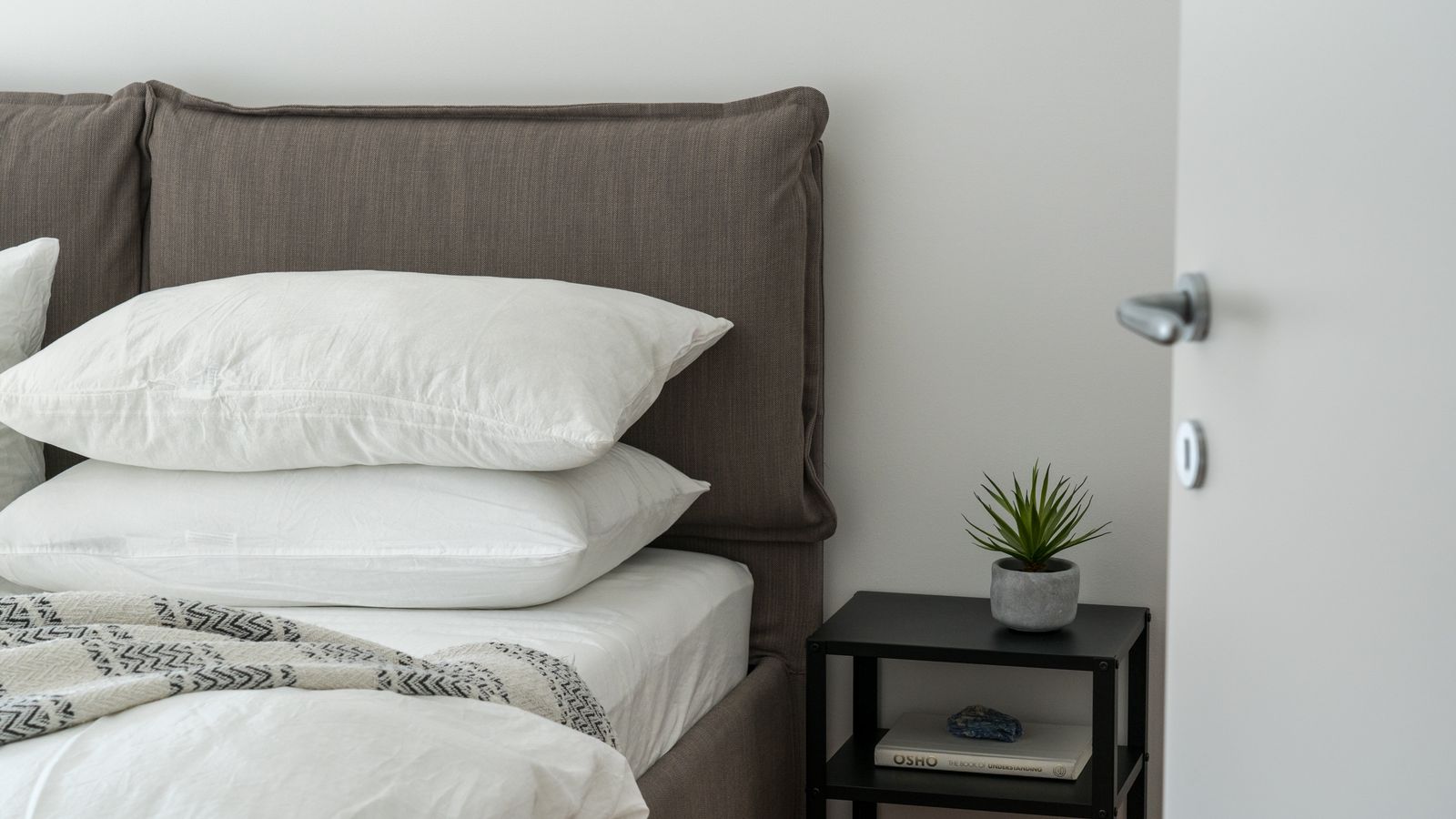
A headboard is a vertical panel attached to the head end of the bed, either mounted directly to the wall, bolted to the bed frame, or built into an all-in-one frame-and-headboard unit. Functionally, it protects your wall from scuffs and body oils, gives you something to lean against while reading or working in bed, and can anchor pillows so they don’t slide off the top.
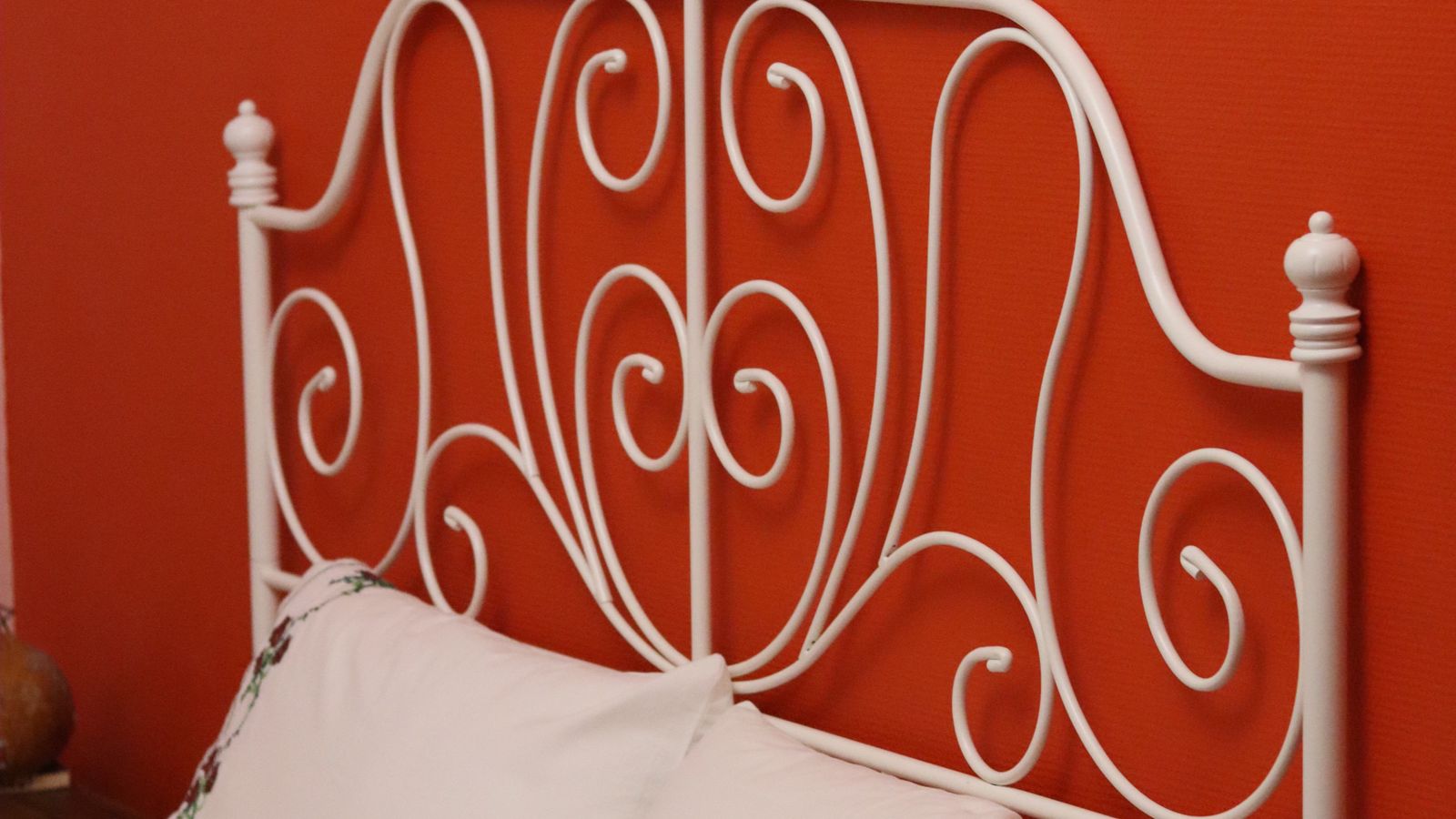
But a headboard’s biggest role is aesthetic. It’s usually the single largest visual element in a bedroom, which means it does more to define the room’s style than the mattress, nightstands, or bedding combined. A tufted upholstered headboard signals a soft, hotel-like feel; a slatted wood headboard leans mid-century or Scandinavian; a tall panel headboard can make a low-ceilinged room feel more grounded and intentional.
The Core Difference: Support vs. Style
The simplest way to frame this comparison is that a bed frame without a box spring solves a structural problem — how your mattress is supported — while a headboard solves a design and comfort problem — how the head of your bed looks and feels to lean against. They aren’t mutually exclusive. In fact, most platform frames are designed with headboard compatibility in mind, whether that means pre-drilled mounting holes, headboard brackets, or a frame that’s sold in a headboard-included bundle.
Where people get confused is assuming they have to choose one or the other. In reality, the real decision tree looks like this: first decide how your mattress will be supported (platform frame vs. traditional frame with box spring), then separately decide whether you want a headboard, and if so, whether to buy one that’s built into the frame or a standalone piece you attach later.
When a Bed Frame Without a Box Spring Makes Sense
- You want a lower profile. Platform frames typically sit 12–16 inches off the ground total, versus 25+ inches with a box spring, which suits modern, minimalist, or Japandi-style bedrooms.
- You’re furnishing on a budget. Skipping the box spring cuts one line item entirely, and platform frames are often less expensive than traditional frame-plus-foundation combos.
- You have a foam or hybrid mattress. These mattresses are engineered for flat, supportive surfaces and generally don’t need (or benefit from) a box spring’s added bounce.
- You’re tight on storage or moving often. Fewer components means an easier setup, teardown, and move.
If your frame’s slats are spaced too widely, or you’re using an older innerspring mattress designed around box-spring support, you may need a supplemental support layer. A set of best bunkie boards can bridge that gap, adding a thin, rigid support layer without the height (or cost) of a full box spring.
When You Should Prioritize a Headboard
- Your bed sits against a shared or exterior wall. A headboard protects paint and drywall from constant contact and minor impacts.
- You read, work, or watch TV in bed. An upholstered headboard gives you real back support that a bare wall or a stack of pillows can’t match.
- You want the room to feel finished. A headboard is often the fastest way to make a bedroom look intentionally designed rather than half-furnished.
- You’re renting and can’t damage the wall. A frame-mounted or freestanding headboard avoids the need for wall anchors.
Browsing a curated set of headboards side by side is the easiest way to compare heights, materials, and mounting styles before you commit to one.
Combining Both: What to Check Before You Buy
If you’ve decided you want a platform-style frame and a headboard, compatibility is the main thing to verify before purchasing either piece separately.
- Confirm mounting compatibility. Some platform frames have pre-drilled holes on standard spacing (typically compatible with most queen and king headboards); others require separate headboard brackets.
- Match the frame height to the headboard’s leg clearance. A headboard designed for a taller traditional frame may sit awkwardly low against a platform frame unless it has adjustable legs or wall-mount hardware.
- Check overall bed height together. Add your mattress height to the frame height and make sure the headboard still rises a reasonable amount above the pillow line — most people prefer at least 10–14 inches of headboard visible above the top of the pillows.
- Verify weight capacity separately for each piece. A frame’s total weight rating and a wall-mounted headboard’s hardware rating are independent numbers; both need to handle their respective loads.
All-in-One Frames vs. Buying Separately
Many manufacturers now sell platform frames with an integrated headboard as a single unit, which simplifies compatibility questions and usually looks more cohesive. The tradeoff is flexibility: if you want to change your bedroom’s style later, you’re replacing the whole frame rather than swapping just the headboard.
Buying separately gives you more control — you can pair a budget-friendly metal platform frame with a splurge-worthy upholstered headboard, or vice versa — but it does require double-checking the compatibility details above. If you like the idea of a matched set without sacrificing style options, it’s worth comparing frames sold specifically as Bed Frames with Headboards against separate purchases to see which route actually saves money for your target look.
Budget Breakdown: Where Your Money Goes
A no-box-spring platform frame alone typically costs less than a traditional frame-plus-foundation setup, since you’re eliminating an entire component. Headboards vary far more widely — a basic metal or wood-slat headboard can cost a fraction of what a fully upholstered, tufted design runs. If you’re working with a tight budget, prioritize the frame’s structural quality first (slat spacing, weight rating, material durability) and treat the headboard as the flexible line item you can upgrade later. Shoppers furnishing an entire bedroom on a set budget often find it useful to browse bed frames under $500 to see how far a modest budget stretches when the box spring is removed from the equation.
Special Cases Worth Considering
Heavier Sleepers or Combined Body Weight
Weight capacity matters more than most shoppers realize. If total sleeper weight is on the higher end, slat spacing and center support beams become critical to prevent sagging or premature frame failure. It’s worth reviewing options built specifically as best bed frames for heavy people rather than assuming any platform frame will hold up long-term.
Adjustable Bases
If you’re considering an adjustable base (for zero-gravity positioning or partner motion isolation), the headboard question shifts again — not every headboard mounting system accommodates the base’s moving frame. Compare Adjustable Bed Bases carefully for headboard bracket compatibility before assuming your existing headboard will work.
Wall-Mounted vs. Frame-Attached Headboards
Wall-mounted headboards stay in place even if you swap out the bed frame beneath them later, which is convenient for renters or anyone who updates furniture more often than wall decor. Frame-attached headboards move as a unit with the bed, which is often sturdier but less flexible if your frame changes down the road.
A Quick Decision Checklist
- Do you need lower bed height and simpler setup? Lean toward a platform frame without a box spring.
- Do you need wall protection, back support while sitting up, or a defined style statement? Add a headboard.
- Do you want both in one purchase for guaranteed compatibility? Look at combined frame-and-headboard sets.
- Do you want maximum style flexibility over time? Buy the frame and headboard separately, but verify mounting compatibility first.
- Is your current mattress heavy or your household on the higher end of typical body weight? Check weight ratings and slat spacing closely, and consider a bunkie board if slats are too widely spaced.

Common Mistakes to Avoid
The most frequent mistake is buying a headboard before confirming it will physically attach to (or sit correctly with) the intended frame. Measure twice: check the frame’s mounting hole spacing, and check the headboard’s leg or bracket dimensions before ordering either piece. The second most common mistake is assuming any platform frame works with any mattress type — a mattress that specifically requires box-spring support (rare today, but not unheard of with older innerspring models) will sag or void its warranty on slats that are spaced too far apart. When in doubt, check the mattress manufacturer’s foundation requirements before finalizing your frame choice.
Frequently Asked Questions
Can I add a headboard to a frame that doesn’t already have one?
In most cases, yes. Freestanding or wall-mounted headboards with adjustable legs or their own hardware can typically be positioned behind almost any bed frame, regardless of whether the frame has built-in mounting holes.
Do I really not need a box spring with a modern mattress?
Most foam, hybrid, and even many innerspring mattresses sold today are designed to work directly on a slatted platform frame, as long as slats are spaced appropriately and the frame is rated for the mattress’s weight. Always check your specific mattress warranty terms to be sure.
Will removing the box spring make my bed too low?
It can, especially for anyone who prefers a higher bed for easier sitting and standing. Look for platform frames with taller legs, or add a bed frame riser, if you want the platform benefits without sacrificing height.
What’s the easiest way to make an old headboard fit a new platform frame?
Universal headboard brackets are widely available and typically connect a wall-mounted or freestanding headboard to nearly any frame width, sidestepping the need for exact pre-drilled hole alignment.
Is it cheaper to buy a combined frame-and-headboard set or pieces separately?
It depends on the specific products, but combined sets often save money on basic styles, while buying separately usually wins if you want a higher-end headboard paired with a budget frame.
Final Thoughts
Bed frames without box springs and headboards aren’t really rivals — they’re two separate decisions that happen to sit at the same end of the bed. Nail down your support needs first (platform frame, slat spacing, weight capacity), then layer in style and comfort with the right headboard, whether that’s a matched all-in-one set or a standalone piece you choose independently. Get the compatibility details right up front, and you’ll end up with a bedroom setup that looks finished and holds up for years.