Walk into almost any furniture showroom and you’ll find three pieces that all look vaguely similar from across the room: a tall, narrow lingerie chest, a compact nightstand, and a stout bachelor chest. They occupy overlapping footprints, they all have drawers, and salespeople rarely explain why you’d pick one over the other. But these three pieces solve genuinely different storage problems, and choosing the wrong one means either wasted floor space or a bedroom that never quite feels organized. This guide breaks down exactly what each piece is built for, how they differ in dimensions and drawer configuration, and how to decide which one (or which combination) actually fits your bedroom and your stuff.
What Each Piece Is Actually Designed For
Before comparing dimensions or prices, it helps to understand the original purpose behind each design, because that purpose still shapes how well each piece performs today.
The Lingerie Chest
A lingerie chest is a tall, narrow chest of drawers – typically five to seven drawers stacked vertically – historically designed to store delicate items like lingerie, scarves, and folded accessories in shallow compartments that keep fabric from getting crushed. Its narrow footprint (often 18 to 24 inches wide) makes it a favorite for tight corners and awkward gaps where a standard dresser simply won’t fit.
The Small-Bedroom Nightstand
A nightstand sized for small bedrooms is built around one job: sitting beside the bed within arm’s reach, holding a lamp, a phone, a book, and maybe a drawer of odds and ends, without eating into walking space. Compact nightstands typically measure 14 to 20 inches wide and 14 to 18 inches deep, prioritizing a small footprint over drawer capacity.
The Bachelor Chest
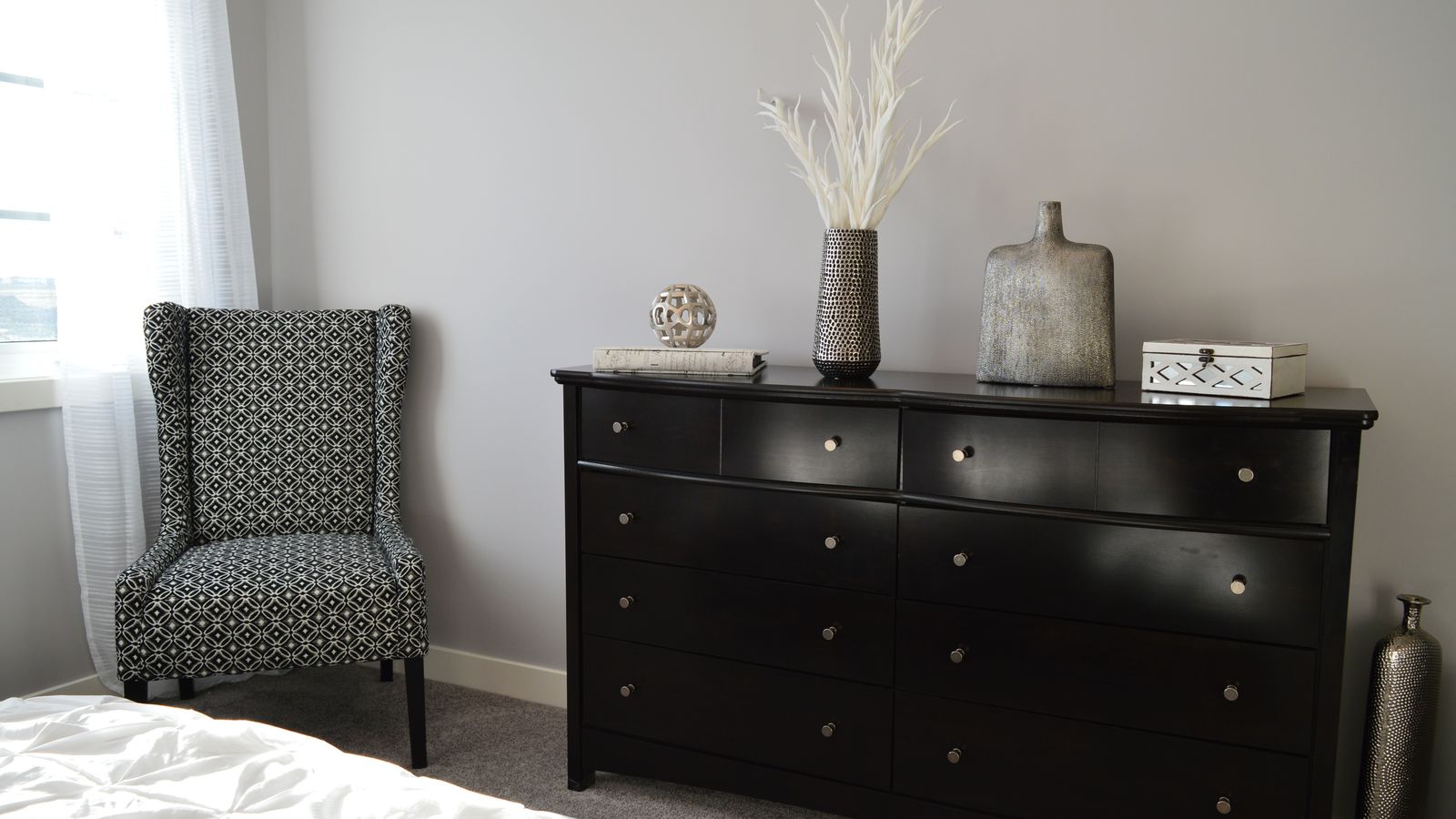
A bachelor chest is a compact, low-profile chest of drawers – usually three to four drawers – traditionally scaled to double as a nightstand or a stand-alone dresser in a modest room. It’s wider than a nightstand but shorter than a full dresser or lingerie chest, splitting the difference between bedside convenience and genuine clothing storage.
Size and Footprint Compared
Footprint is usually the deciding factor in small bedrooms, so it’s worth putting real numbers side by side.
- Lingerie chest: roughly 18-24 inches wide, 16-18 inches deep, 45-55 inches tall – tall and narrow, ideal for vertical storage in corners.
- Small-bedroom nightstand: roughly 14-20 inches wide, 14-18 inches deep, 22-28 inches tall – sized to match mattress height and sit flush beside the bed.
- Bachelor chest: roughly 28-34 inches wide, 16-18 inches deep, 28-32 inches tall – wider than the other two but still shallow enough to squeeze into a modest room.
If your bedroom has an awkward vertical gap between a closet and a wall, the lingerie chest’s height-over-width ratio makes it the natural fit. If you need something flush against the bed frame, the nightstand’s lower profile is non-negotiable – anything taller than your mattress top makes reaching a nightstand lamp or alarm clock awkward.
Drawer Capacity and What Fits Inside
Drawer count and depth determine what each piece can realistically hold, and this is where the three options diverge the most.
Lingerie Chest Drawers
Expect five to seven shallow drawers, each roughly 3 to 5 inches deep. That shallow depth is intentional – it keeps folded lingerie, socks, ties, and accessories from piling up and wrinkling. It’s a poor choice for bulky sweaters or bedding, which need deeper drawers to avoid overstuffing.
Nightstand Drawers
Most compact nightstands offer one or two drawers plus an open shelf or cubby below. Capacity is intentionally minimal: chargers, reading glasses, a journal, maybe a small stack of books. It is not meant to replace real clothing storage.
Bachelor Chest Drawers
Three or four drawers, each 6 to 8 inches deep – deep enough for folded shirts, underwear, and everyday basics, but the piece is still shallow front-to-back, so it won’t hold bulky items like a full dresser would.
Which One Fits Your Bedroom Layout
Layout constraints often make the decision for you before style even enters the conversation.
- Narrow corner or gap between furniture: a lingerie chest’s tall-and-thin shape fills vertical space other pieces can’t reach.
- Tight clearance beside the bed: a small-bedroom nightstand is purpose-built for this and nothing else does it as well.
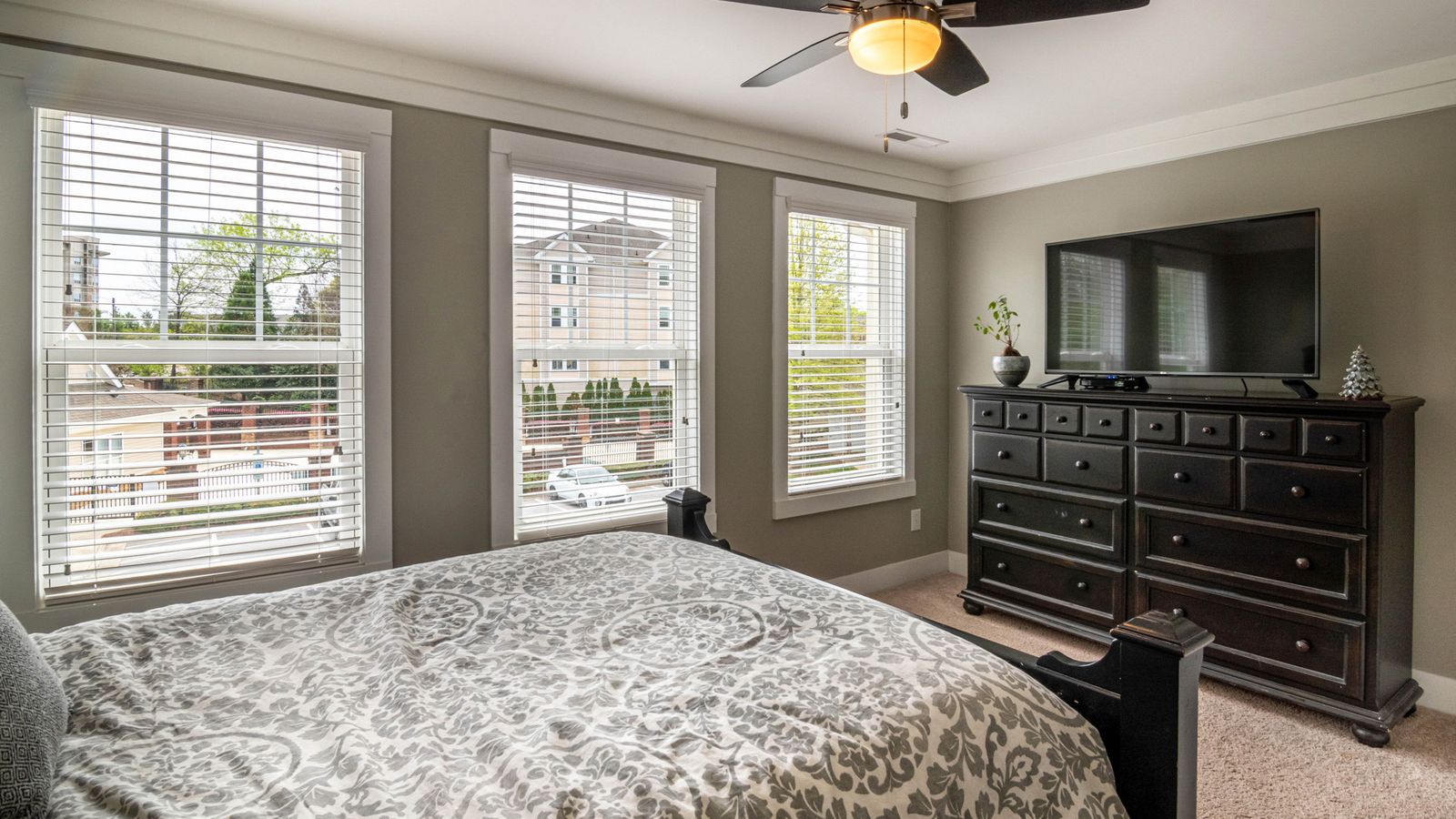
- One small bedroom, one piece of furniture budget: a bachelor chest can function as both a bedside table and light clothing storage, making it the most efficient single purchase.
- Shared or guest room with limited closet space: the extra drawer count of a lingerie chest gives more separated storage for two people’s smaller items.
Measure your available footprint before shopping. A common mistake is choosing a piece based on drawer count alone and then discovering it’s too deep to open fully beside the bed, or too tall to fit under a slanted ceiling.
Style and Room Cohesion
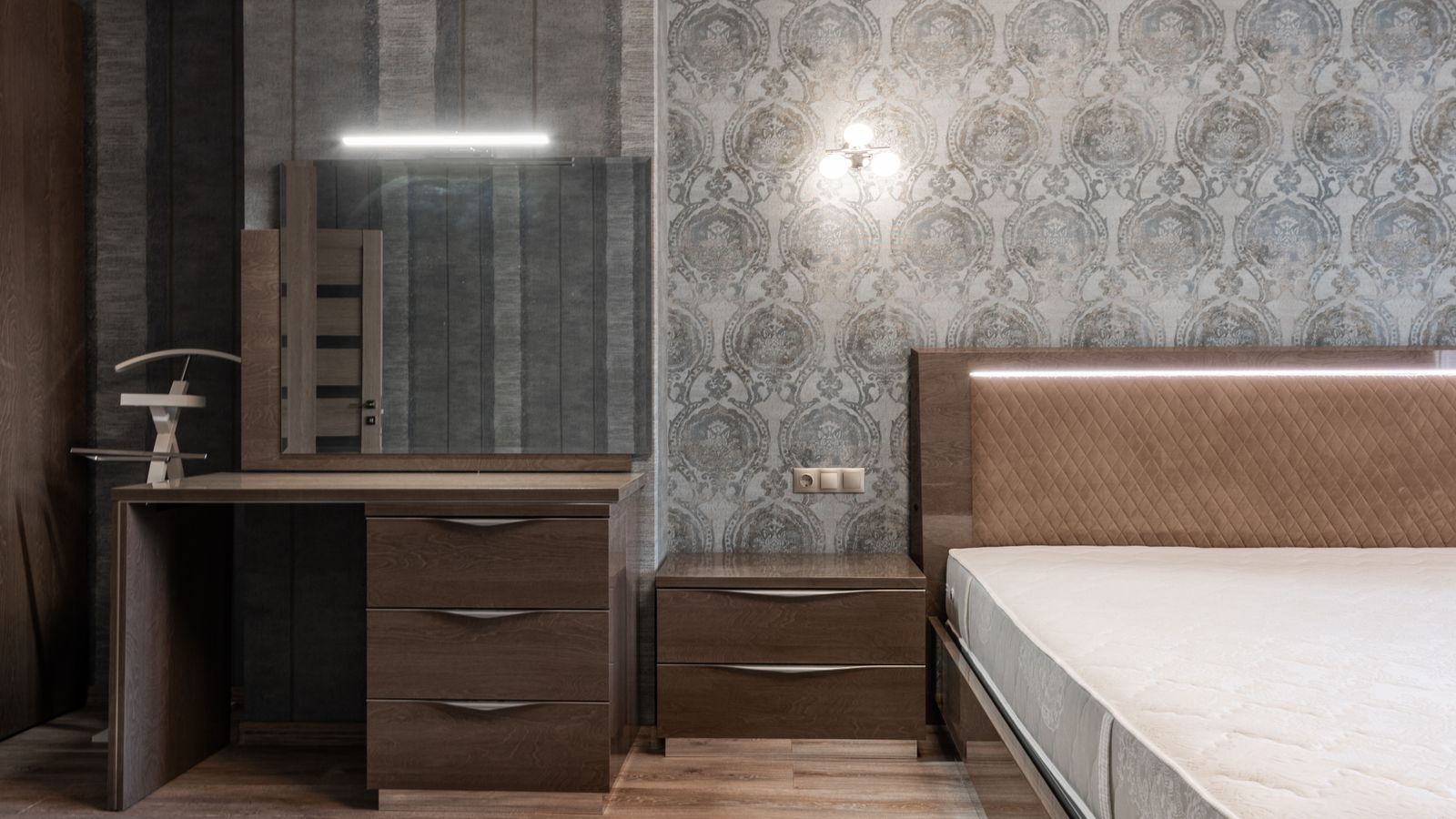
Because all three pieces sit in the same room, matching finishes and hardware matters more than it might in a living room where furniture is more spread out. A common approach is pairing a bachelor chest as the primary dresser with a matching nightstand from the same collection, then adding a lingerie chest in a complementary (not identical) finish if extra vertical storage is needed. Mixing finishes deliberately – say, a warm wood chest with a black metal-frame nightstand – can also work, but it should look intentional rather than mismatched. If you’re unsure where to start, browsing curated picks like nightstands for small bedrooms alongside chest options can help you see which finishes and proportions tend to pair well.
Budget Considerations
Price generally scales with size and drawer count, but not always predictably.
- Nightstands are usually the most affordable single piece, since they use the least material and hardware.
- Bachelor chests sit in the middle, reflecting their wider carcass and extra drawers.
- Lingerie chests can be surprisingly close in price to a bachelor chest despite a smaller footprint, because the multiple drawer boxes and glides add manufacturing cost.
If budget is tight and you only need one piece, a bachelor chest often delivers the best value per drawer, since it covers both bedside function and modest clothing storage in a single purchase.
Common Mistakes to Avoid
- Buying a lingerie chest expecting dresser-level capacity. Shallow drawers mean it supplements a dresser, it doesn’t replace one.
- Choosing a nightstand taller than the mattress. Reaching up or down constantly gets old fast – measure your mattress top height first.
- Ignoring drawer glide clearance. Some bachelor chests need several inches of open space in front to fully extend a drawer; check this before placing it against a wall corner.
- Skipping the doorway and hallway measurements. Taller lingerie chests can be surprisingly awkward to carry through standard doorframes – confirm delivery access, not just the final footprint.
A Simple Decision Checklist
- Do you need something flush beside the bed for a lamp and phone? Choose a small-bedroom nightstand.
- Do you have a narrow vertical gap and need extra separated storage for small items? Choose a lingerie chest.
- Do you want one piece that handles both bedside duty and everyday clothing storage? Choose a bachelor chest.
- Do you have space for two pieces? Pair a nightstand for bedside essentials with either a lingerie chest or bachelor chest for clothing, depending on drawer depth needs.
Where to Look Next
Once you know which category fits your space, narrowing down specific models is much easier. For dedicated small-space bedside storage, browse nightstands for small bedrooms to compare footprints and drawer configurations. If a tall, narrow storage piece is what your corner needs, our roundup of Lingerie Chests covers models with the shallow, fabric-friendly drawers described above. And if you’d rather consolidate into one versatile piece, the best bachelor chests guide highlights options that balance bedside convenience with real clothing capacity. For adjacent storage needs, guides on dressers for apartments and best dressers for closets are also worth a look if your small bedroom needs a fuller storage overhaul.
FAQ
Can a bachelor chest replace both a nightstand and a dresser?
In a small bedroom, yes for light needs – it can sit beside the bed and hold everyday folded clothing. For a full wardrobe, you’ll still want a proper dresser or closet system alongside it.
Is a lingerie chest only for lingerie?
No – despite the name, the shallow drawers work well for socks, ties, jewelry, folded scarves, or any small item you want to keep separated and unwrinkled.
What height should a nightstand be relative to the mattress?
As a rule of thumb, aim for the nightstand surface to sit within two inches of your mattress top, either slightly above or slightly below, so reaching items feels natural.
Do I need matching finishes for all three pieces?
Not strictly, but coordinating wood tone or hardware finish across pieces in the same room creates a more cohesive look, even if the exact style varies.
Which option is best for a studio apartment bedroom corner?
A lingerie chest usually wins here, since its narrow, tall profile maximizes storage without eating into limited floor space.
Final Thoughts
There’s no single “best” piece among a lingerie chest, a small-bedroom nightstand, and a bachelor chest – each is optimized for a different job, and the right choice depends entirely on your room’s layout and what you need stored. Measure your available footprint, be honest about how much clothing storage you actually need, and match the drawer depth to the items you plan to keep inside. Get that match right, and even a tiny bedroom can feel organized rather than cramped.