Bunk beds are a fantastic way to save floor space in a shared bedroom, but they also strip away the nightstand real estate that a standalone bed usually offers. That’s where a bunk bed shelf comes in. Whether you’re outfitting a kid’s room, a college dorm, or a guest cabin, a well-placed shelf turns a bare bunk frame into a functional little cubby for glasses, phones, books, and bedtime essentials. This guide walks you through everything a beginner needs to know before buying and installing one, from the different mounting styles available to safety considerations, placement strategy, and budget expectations.
Why a Bunk Bed Shelf Matters
Bunk beds are typically pushed against a wall with ladders on one side, which means the person sleeping on top has almost nowhere to set down a water bottle, alarm clock, or book before lights out. A bunk bed shelf solves this by attaching directly to the bed frame or the wall beside it, giving each sleeper their own small storage surface without eating into the room’s limited walking space. For families with kids sharing a room, this also reduces the nightly scramble of stuff sliding under pillows or getting kicked off the mattress.
Beyond convenience, a shelf also helps keep small items away from the edge of the top bunk, which is a genuine safety plus. Instead of balancing a phone charger or a nightlight precariously on the mattress rail, everything has a dedicated spot that’s less likely to get knocked to the floor below.
Types of Bunk Bed Shelves
Not all bunk bed shelves work the same way, and picking the right style depends on your frame, your budget, and how much you want to modify the bed itself.
Clamp-On Shelves
These attach directly to the bed rail or headboard post using an adjustable clamp mechanism, similar to a bed tray. They require no drilling and can usually be moved or removed in seconds, which makes them ideal for renters or anyone using a loaner bunk bed. The tradeoff is a smaller weight capacity and a slightly less permanent feel.
Bolt-On Wooden Shelves
These are screwed directly into the bed frame’s wood or metal structure, offering a sturdier, more permanent storage solution. They tend to match the finish of the bunk bed itself and can hold heavier items like stacks of books or a small lamp. Because they require hardware and sometimes pre-drilled holes, they’re best suited for beds you plan to keep long-term.
Wall-Mounted Floating Shelves
Instead of attaching to the bed, these mount to the adjacent wall at bunk height. They free up the bed frame entirely and can be positioned at a custom height for each sleeper, but they do require wall anchors and are not an option in a rental where drilling isn’t allowed.
Hanging Mesh or Fabric Caddies
A more budget-friendly, no-tools option, these hang over the bed rail using hooks or straps. They’re lightweight and easy to swap between bunks, though they’re better suited to soft items like socks or stuffed animals rather than a glass of water or electronics.
Key Features to Look For
Once you know which type suits your setup, compare specific models using these criteria:
- Weight capacity: Check the manufacturer’s rated limit, especially if you plan to store books, tablets, or a small lamp.
- Mounting hardware included: Some shelves ship without screws or clamps, which means an extra trip to the hardware store.
- Edge lip or guardrail: A raised edge keeps items from sliding off during normal movement on the bed, which matters more on the top bunk.
- Material and finish: Solid wood shelves tend to be sturdier and match bedroom furniture better, while metal or plastic options are usually lighter and cheaper.
- Compatibility with your frame: Measure the rail thickness or post diameter before ordering a clamp-style shelf, since not all clamps fit every frame.
Safety Considerations for Top and Bottom Bunks
Safety should guide every decision when adding accessories to a bunk bed, particularly for children. On the top bunk, avoid shelves with sharp corners or shelves that protrude far enough to interfere with the guardrail, since that rail is there to prevent falls. Always follow the weight limit listed by the manufacturer, and never let a child stand on a shelf to reach something higher up.
For younger kids, skip glass items, candles, or anything breakable on a bunk shelf altogether. Stick to soft-sided water bottles, board books, and battery-powered nightlights instead. On the bottom bunk, the stakes are lower since a fall is a shorter distance, but it’s still smart to keep cords and charging cables tucked away rather than dangling where a foot could catch them getting in or out of bed.
Where to Place the Shelf
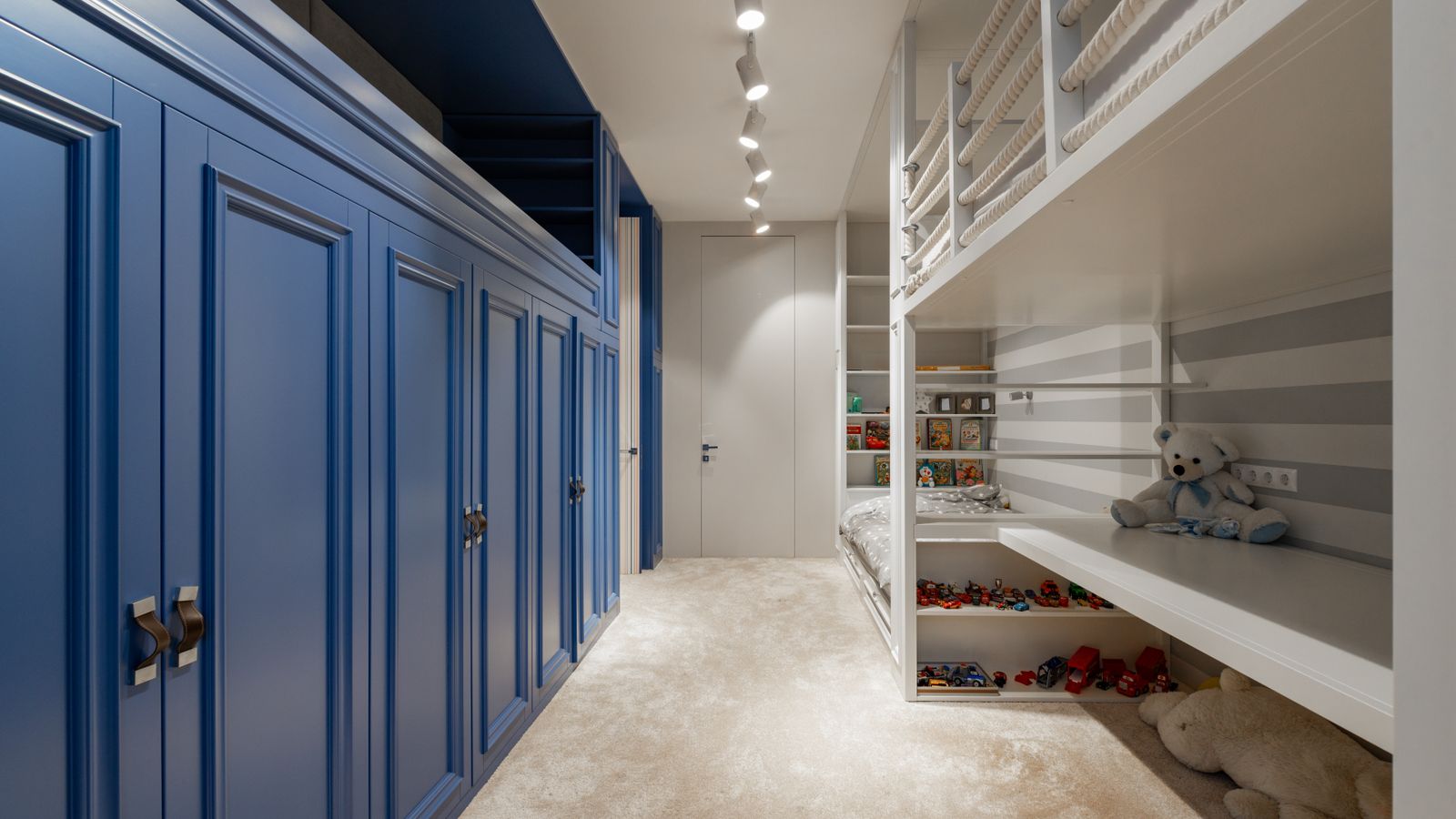
Placement affects both usability and safety, so think through the layout before you drill or clamp anything into place. For the top bunk, position the shelf within easy arm’s reach of where the sleeper’s head will be, typically near the headboard corner rather than centered along the rail, so it doesn’t interfere with getting in and out. For the bottom bunk, a shelf mounted slightly higher than mattress level, near the foot or head of the bed, keeps it out of the way of legs and blankets.
If the bunk sits against a wall, a wall-mounted floating shelf just above the mattress line often works best, since it doesn’t add any bulk to the bed frame itself. In shared kids’ rooms, try to keep each child’s shelf on their own side to avoid disputes over whose water bottle is whose.
How Much Should You Budget?
Bunk bed shelves span a wide price range depending on material and mounting style. Basic hanging mesh caddies are the most affordable option and a good starting point if you’re not sure a shelf will get used. Clamp-on shelves sit in the middle of the price range and offer a solid balance of convenience and sturdiness. Bolt-on wooden shelves and custom wall-mounted floating shelves tend to cost more, especially if they’re built to match existing bedroom furniture, but they also last the longest and look more intentional as part of the room’s design.
If you’re outfitting more than one bunk in the same room, buying a matching pair at once is often more economical than adding shelves one at a time, and it keeps the room looking cohesive.
Installation Tips for Beginners
Before installing any shelf, empty the mattress area and clear a workspace so you can see the full rail or post you’re attaching to. For clamp-on models, tighten gradually and test the shelf’s stability by applying gentle pressure before loading it with items. For bolt-on shelves, pre-drill pilot holes slightly smaller than the screws provided to avoid splitting the wood, and always use the hardware included rather than substituting mismatched screws.
Wall-mounted shelves need proper anchors matched to your wall type; drywall anchors rated for the shelf’s expected load are essential, and locating a stud for extra support is even better if the shelf will hold anything beyond light decor. Whatever style you choose, give the installation a firm shake test after mounting and again after a week of use, since hardware can loosen slightly as it settles.
Styling and Organizing the Shelf
Once installed, resist the urge to overload the shelf with clutter. A simple system works best: one designated spot for a water bottle or cup, one for a book or tablet, and one small tray or basket for loose items like hair ties or earbuds. Adding a battery-powered clip light nearby is a popular pairing for readers who don’t want to disturb a bunkmate by flipping on the overhead light.
For a coordinated bedroom look, pair the shelf with matching bedside storage elsewhere in the room. If floor space allows a reading nook near the bunk, a set of vanity benches can double as extra seating for getting dressed or lacing up shoes without needing a full desk chair.
Maintaining Your Bunk Bed Shelf
Wipe wooden and metal shelves down periodically with a damp cloth to remove dust and spills before they set in. Check clamp tightness every couple of months, since repeated bumping from a busy kid’s routine can gradually loosen the grip. If you notice any wobble, cracking, or splitting in a wooden shelf, stop using it for heavier items immediately and either repair or replace it, since a compromised shelf near a sleeping area is not worth the risk.
Common Mistakes to Avoid
- Overloading the shelf: Stacking too many books or heavy decor items strains the mounting hardware over time.
- Ignoring the guardrail zone: A shelf that blocks or narrows the guardrail opening reduces the safety margin on the top bunk.
- Skipping the stud or anchor check: Wall shelves mounted into drywall without proper anchors are a common cause of shelf failures.
- Placing glass or breakables up top: Especially with young children, keep fragile items on lower, more accessible surfaces.
- Forgetting cord management: Loose charging cables draped over a shelf edge are a tripping and tangling hazard.
If your bunk bed setup also includes a reading nook, pairing the shelf with a compact bedroom armchair nearby gives kids a comfortable spot to read once their books are within reach.
Frequently Asked Questions
Do bunk bed shelves fit all bunk bed frames?
Not universally. Clamp-on shelves depend on the rail or post thickness, so it’s worth measuring your frame before ordering. Bolt-on and wall-mounted shelves are more flexible since they can usually be adapted to different frame shapes.
Is it safe to put a lamp on a bunk bed shelf?
A small, lightweight battery-powered lamp is generally fine as long as the shelf’s weight capacity allows it and the cord (if any) is tucked away safely. Avoid heavier plug-in lamps on shelves attached to the top bunk.
Can I add a shelf to a metal bunk bed frame?
Yes, though you’ll likely need a clamp-style shelf designed for metal rails, or a wall-mounted option if the frame doesn’t support drilling. Always check the manufacturer’s compatibility notes first.
How many shelves does a typical bunk bed need?
Most setups use one shelf per sleeper, positioned within reach of each bunk. Larger rooms sometimes add a second shared shelf near the ladder for shoes or bags.
Final Thoughts
A bunk bed shelf is a small addition that makes a real difference in how livable a shared bedroom feels. By choosing the right mounting style for your frame, respecting weight limits and safety zones, and keeping the shelf organized rather than overloaded, you’ll give each sleeper a functional little corner of their own. If you’re planning a broader bedroom refresh alongside the shelf, browse our full roundup of bunk bed shelves for specific model recommendations, and check out our guide to the best futon covers if a futon-style bunk base is also part of your room plan.