
Standing in the bedding aisle (or scrolling through tabs) trying to decide between a waffle weave blanket and a linen sheet is more common than you’d think. Both have surged in popularity for their textured, lived-in look and breathable comfort, but they solve very different problems in your bedroom. One is a lightweight top layer meant to add warmth and texture; the other is a foundational sheet meant to touch your skin all night. Understanding what each material actually does – rather than just how it photographs – will save you from a purchase that looks great on a bed but performs poorly in practice.

This guide breaks down exactly how a waffle weave blanket differs from a linen sheet, where each one belongs in your bedding lineup, and how to decide which one (or both) your bedroom actually needs.
What Is a Waffle Weave Blanket?
A waffle weave blanket gets its name from the raised, honeycomb-like pattern woven into the fabric. That three-dimensional texture is created by a special loom weave that traps small pockets of air, which is what gives waffle blankets their reputation for being warm without feeling heavy. Most are made from cotton, though you’ll also find cotton-linen blends and occasionally acrylic versions at lower price points.
Because of the textured weave, a waffle blanket sits somewhere between a lightweight throw and a true winter blanket. It’s thick enough to add visible warmth and dimension to a made bed, but breathable enough that it doesn’t trap heat the way a down comforter or fleece throw would. This makes it a popular choice as a top layer draped over a duvet, folded at the foot of the bed, or used on its own during warmer months.
Key Traits of Waffle Weave Blankets
- Texture-forward: The honeycomb pattern adds visual interest and a slightly nubby, tactile feel.
- Moderate warmth: Warmer than a flat sheet, cooler than a quilted blanket.
- Layering piece: Rarely used as the sole bedding layer; typically paired with a duvet, comforter, or sheet set underneath.
- Durable construction: The tight weave tends to hold up well to repeated washing.
What Is a Linen Sheet?
A linen sheet is made from flax fibers rather than cotton, and it’s used as a base layer – the sheet that sits directly against your skin, not a decorative topper. Linen fibers are naturally hollow, which allows the fabric to wick moisture and circulate air far more effectively than most cotton weaves. That’s why linen sheets have become the go-to recommendation for hot sleepers and anyone living in a warm or humid climate.
Linen also has a distinctive relaxed, slightly rumpled look straight out of the dryer, and it actually gets softer with every wash rather than pilling or thinning out. It’s a heavier fiber than percale or sateen cotton, but that weight doesn’t translate to heat – it translates to a breathable, slightly textured hand-feel that many sleepers find more comfortable in summer than crisp cotton.
Key Traits of Linen Sheets
- Breathability first: Excellent airflow and moisture-wicking, ideal for hot sleepers.
- Functional base layer: Designed to be the sheet you sleep directly on, not a decorative accent.
- Improves with age: Softens over time instead of degrading.
- Relaxed aesthetic: A slightly wrinkled, textured look that many people leave unironed on purpose.
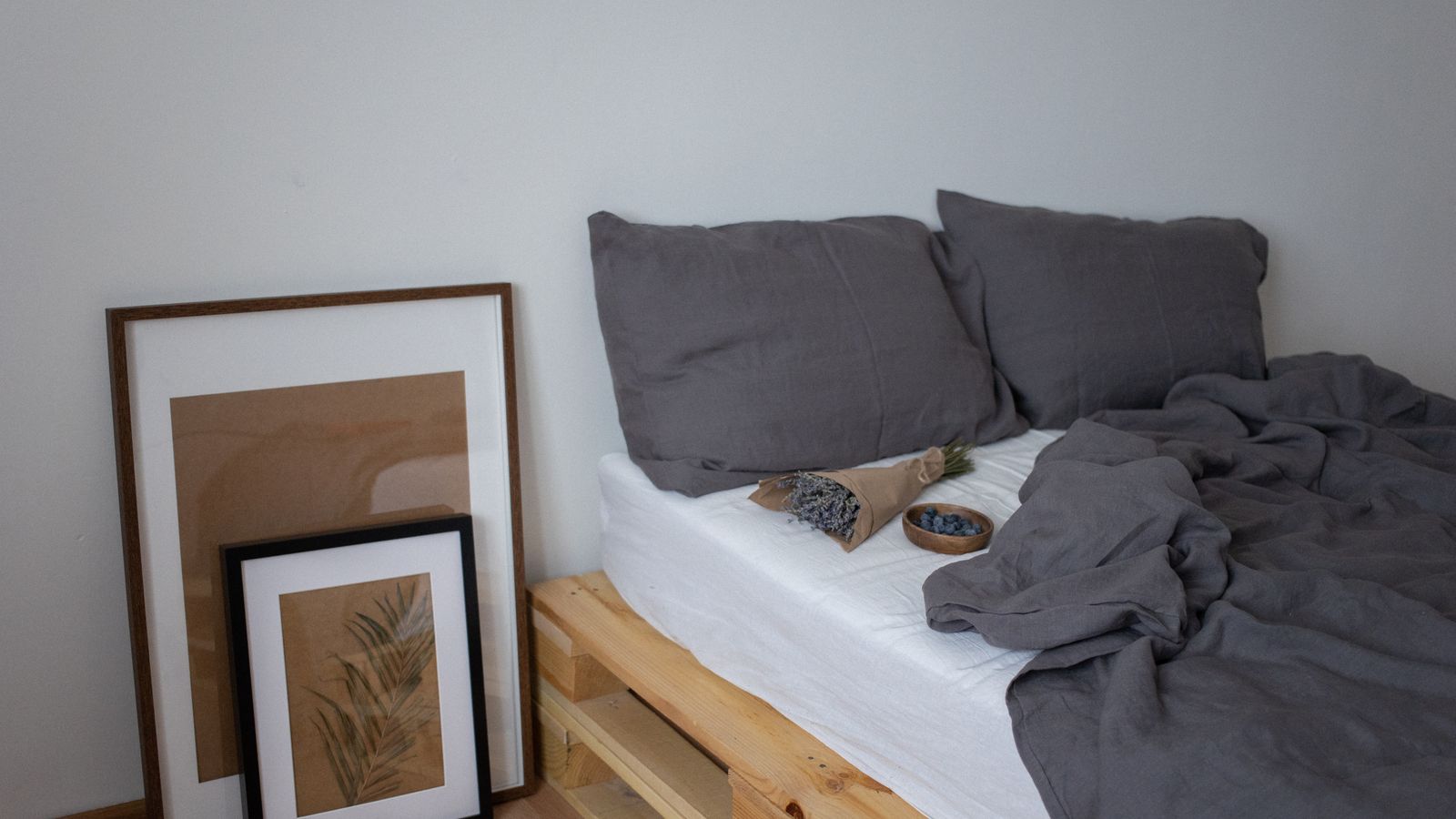
Waffle Weave Blanket vs Linen Sheet: Side-by-Side Comparison
Where Each One Sits on the Bed
The simplest way to understand the difference is to think about bed layers. A linen sheet is a bottom layer – it goes directly on the mattress or as the top sheet you sleep under before any blanket or comforter. A waffle weave blanket is a mid-to-top layer – something you add on top of a sheet set for extra warmth and texture, or drape over a duvet as a decorative accent.
Trying to use a waffle blanket as your only bedding against bare skin usually feels rough and doesn’t offer the moisture control linen provides. Conversely, using a linen sheet as your only warmth layer in a cold room will leave you underdressed once temperatures drop, since linen’s strength is airflow, not insulation.
Warmth and Temperature Regulation
Linen sheets excel at temperature regulation in both directions – they help wick away heat and moisture in summer, while still offering a bit of insulation in cooler months because of the fiber’s natural structure. Waffle weave blankets lean more toward added warmth; the air pockets in the weave trap heat more than a flat linen sheet would, making waffle blankets the better pick when you specifically want extra coziness layered over your existing bedding.
Texture and Feel
Waffle weave has a raised, three-dimensional texture you can feel and see – it’s chosen partly for that tactile, honeycomb look. Linen has a flatter but still textured hand-feel, with a characteristic softness and slight crispness that mellows with washing. If you want a bed that looks intentionally textured and layered, a waffle blanket contributes visual depth. If you want sheets that feel relaxed and breathable against skin, linen is the better match.
Care and Durability
Both materials are relatively low-maintenance, but they behave differently over time. Waffle weave cotton blankets typically hold their shape and pattern wash after wash, and most are machine washable on a normal cycle. Linen sheets are also machine washable, but they benefit from lower heat and gentle cycles to preserve fiber integrity, and many linen sheet owners intentionally skip ironing to preserve the relaxed, wrinkled look that defines the fabric. Linen is also naturally more resistant to pilling and stretches less over time than many cotton blends.
Budget Considerations
Linen sheets generally sit at a higher price point than cotton waffle weave blankets because flax fiber is more labor-intensive to harvest and process than cotton. If you’re working with a limited budget, a waffle weave blanket is often the more affordable way to upgrade the texture and warmth of your bed without the investment a full linen sheet set requires. That said, linen’s durability means a quality set can outlast several rounds of cheaper cotton sheets, which can offset the higher upfront cost over several years of use.
Which One Should You Choose?
Ask yourself what problem you’re actually solving:
- Choose a waffle weave blanket if you want to add warmth and texture on top of your existing sheets, need a versatile layer for shoulder-season temperature swings, or want a decorative texture piece to elevate a plain bed.
- Choose a linen sheet if you sleep hot, live somewhere warm or humid, want a sheet that gets better with age, or prefer the relaxed, effortlessly rumpled aesthetic that’s become a staple in modern bedroom styling.
- Choose both if you want a complete, well-layered bed: linen sheets against the skin for breathability, topped with a waffle weave blanket for extra warmth and texture when temperatures drop.
For shoppers who want a broader breakdown of top-rated options in each category, our Waffle Weave Blankets roundup covers the best textured throws currently available, while our linen sheets guide walks through the top picks for breathable bedding. If you’re still weighing options beyond these two materials, it’s also worth comparing performance against the best microfiber sheets, which prioritize softness and affordability over natural-fiber breathability, or the Bamboo Sheets category, another breathable natural-fiber alternative worth considering if linen’s price point gives you pause.
Quick Decision Checklist
- Do I sleep hot or live in a warm climate? → Lean linen sheet.
- Am I looking for a decorative top layer, not a base sheet? → Lean waffle weave blanket.
- Is budget the main constraint? → Waffle weave blanket is typically the lower-cost entry point.
- Do I want a bed that looks effortlessly styled with minimal ironing? → Linen sheet.
- Am I trying to build out a full layered bedding system? → Consider pairing both.
If you’re assembling a complete look, a bedding set can simplify coordinating a base sheet, duvet cover, and shams before adding a waffle throw or a set of best bedspreads on top. And once the weather turns, keeping a spare waffle blanket or extra throw organized is easier with a dedicated Blanket Baskets or a Blanket Ladders near the foot of the bed.
Frequently Asked Questions
Can I use a waffle weave blanket instead of a top sheet?
You can, but it’s not ideal for everyone. Waffle weave’s textured surface feels rougher against bare skin than a smooth linen or cotton sheet, so most people use it as an added layer rather than a direct-contact sheet.
Is linen too warm for summer?
No – this is one of the most common misconceptions. Linen’s hollow fibers actually make it one of the most breathable options for hot sleepers, which is why it’s frequently recommended over heavier cotton weaves for summer use.
Do waffle weave blankets shrink in the wash?
Minimal shrinkage can occur with cotton waffle blankets, especially on the first few washes. Washing in cool or warm water (not hot) and avoiding high-heat drying helps preserve the size and texture of the weave.
Which is more durable long-term, waffle weave cotton or linen?
Both are considered durable relative to synthetic fabrics, but linen has a slight edge – flax fibers are naturally strong and the material tends to soften rather than wear thin, whereas cotton waffle weave can eventually flatten with heavy, prolonged use.
Can I mix a linen sheet with a waffle weave blanket on the same bed?
Yes, and it’s actually a popular combination. Linen provides the breathable base layer against skin, while the waffle blanket adds warmth and texture on top – giving you both comfort and visual layering.
Final Thoughts
A waffle weave blanket and a linen sheet aren’t really competing products – they’re built for different jobs on the same bed. Waffle weave brings texture and adjustable warmth as a layering piece, while linen delivers breathability and a relaxed feel as your base sheet. The right choice comes down to what your bedroom setup is missing: added coziness and visual texture, or a cooler, more breathable foundation. For many sleepers, the best answer isn’t picking one over the other – it’s using both together to build a bed that looks intentional and performs well no matter the season.