Thermal curtains do a lot of quiet work in a home. They block drafts in winter, keep rooms cooler in summer, dim light for better sleep, and lower energy bills along the way. But that dense, multi-layered fabric that makes them so effective also means they need a bit more care than a lightweight sheer panel. Dust, moisture, sunlight, and improper washing can all shorten the life of the insulating backing and cause the fabric to sag, fade, or lose its thermal properties over time. With the right routine, though, a good pair of Thermal Curtains can easily last five to ten years while still performing at its best.
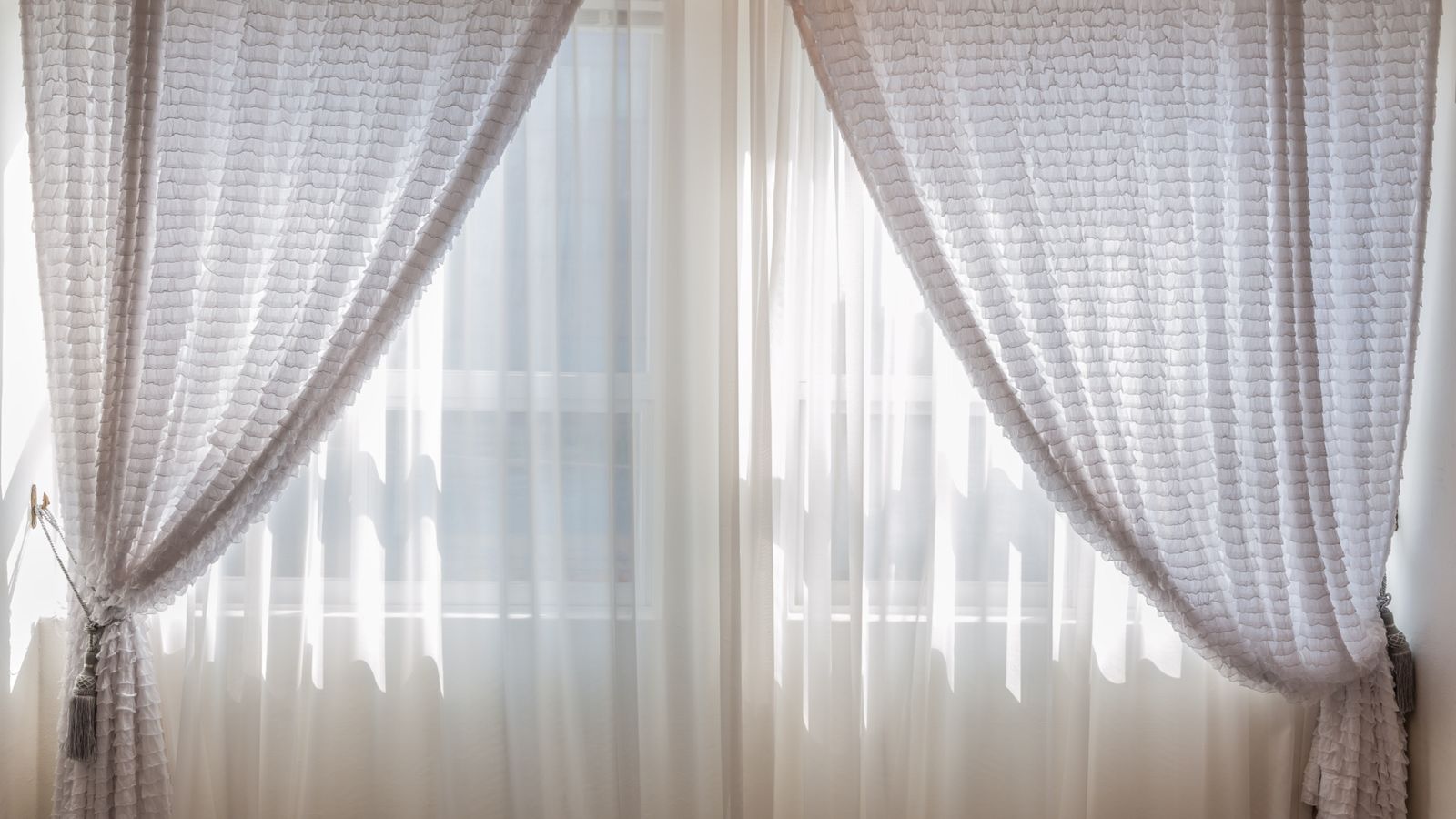
This guide walks through the tools you need, the steps for regular upkeep and deeper cleaning, and the mistakes that quietly wear thermal curtains out faster than they should. Whether you just installed a new set or you are trying to revive curtains that have been up for a couple of seasons, these steps will help you keep them looking sharp and functioning properly for years.
What You’ll Need Before You Start
Gathering the right supplies before you begin makes the whole process faster and reduces the risk of damaging the fabric. Most of these items are things you likely already have around the house.
- A soft-bristle vacuum attachment or handheld upholstery brush
- A gentle, fragrance-free laundry detergent (avoid bleach and fabric softener)
- A large capacity washing machine, or access to a bathtub for hand washing oversized panels
- A lint roller for quick spot maintenance
- A steamer or an iron with a low-heat, no-steam setting
- A step stool for reaching curtain rods safely
- A mesh laundry bag if machine washing lined panels
Always check the manufacturer’s care tag first. Thermal curtains vary in construction – some have a foam backing, others use a tightly woven triple-weave fabric, and a few are dry-clean only. The steps below are general best practices, but the tag on your specific panels should always take priority if it contradicts anything here.
Step 1: Vacuum or Dust Weekly
- Set your vacuum to the lowest suction setting and attach the soft brush nozzle.
- Starting at the top of the curtain, run the brush in slow, vertical strokes from the header down to the hem.
- Pay extra attention to the folds and pleats, where dust tends to settle and accumulate.
- If you don’t have a vacuum handy, a dry microfiber cloth or a lint roller works well for a quick pass between deeper cleanings.
This single habit prevents more buildup than almost any other step. Dust and pet hair that sit in thermal fabric for months can work their way into the insulating layer, making it harder to remove later and dulling the fabric’s appearance well before its time.
Step 2: Spot Clean Stains Immediately
- Blot (never rub) the stain with a clean, damp cloth as soon as you notice it.
- Mix a small amount of mild detergent with cool water and dab it onto the stained area with a soft cloth.
- Rinse the spot with a clean, damp cloth to remove any soap residue.
- Let the area air dry fully before deciding whether further cleaning is needed.
Acting quickly matters most with thermal curtains because the dense weave and backing layer can trap liquid, making a stain harder to lift once it sets. Avoid scrubbing, which can push the stain deeper into the fibers and damage the thermal coating on the reverse side.
Step 3: Machine Wash or Hand Wash Periodically
How often you deep clean depends on the room. Kitchen curtains near cooking smoke may need washing every two to three months, while curtains in a low-traffic guest room might only need attention once or twice a year.
- Check the care label to confirm the panels are machine washable. Foam-backed thermal curtains often are not.
- Place the curtains in a mesh laundry bag to reduce friction and wrinkling.
- Use cold water, a gentle cycle, and a small amount of mild detergent.
- Skip fabric softener, which can break down the thermal coating and reduce insulating performance over time.
- For panels that aren’t machine safe, hand wash in a bathtub with cool water, gently agitating and rinsing, then pressing (not wringing) out excess water.
Step 4: Dry with Care
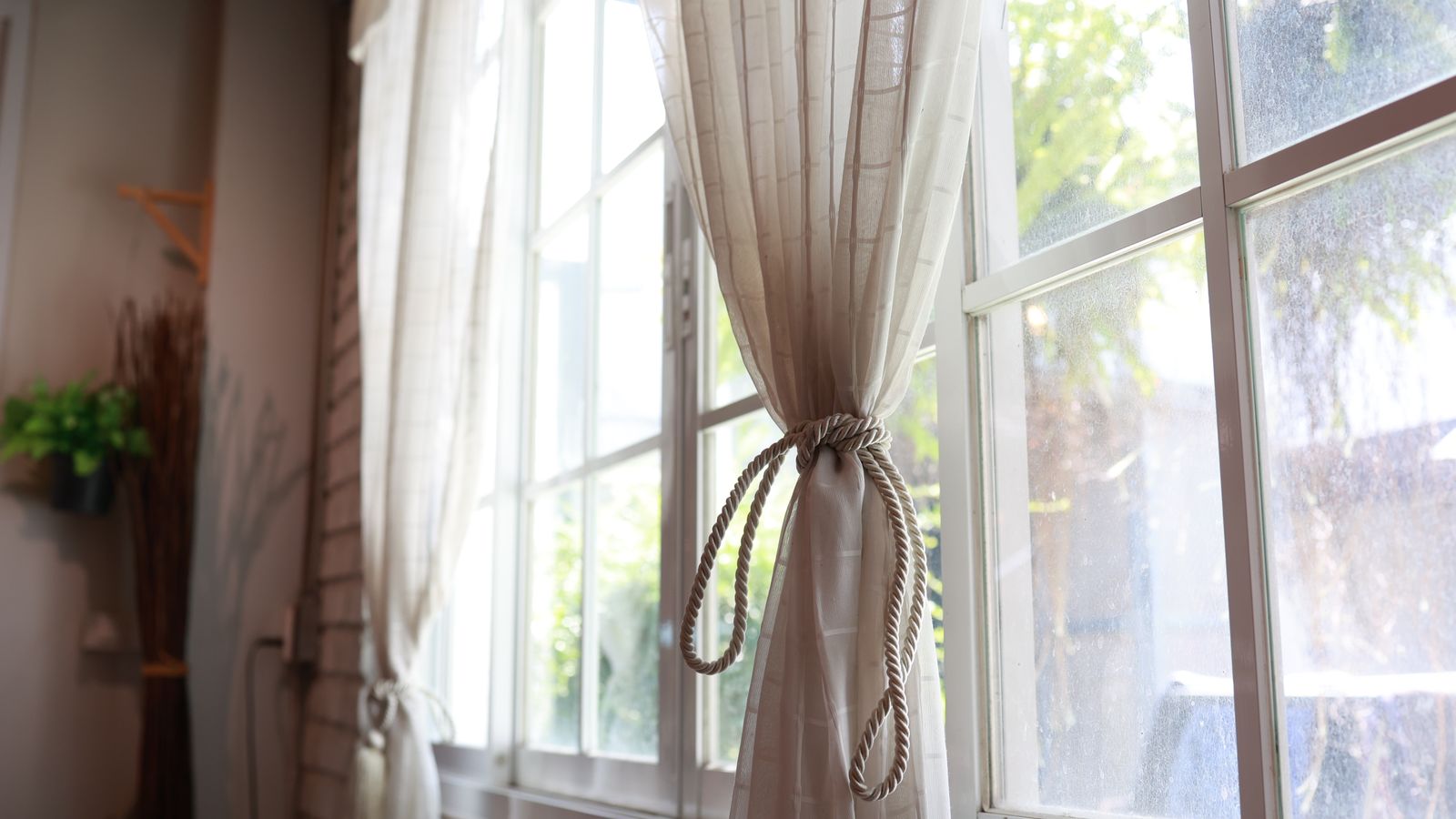
- Air drying is almost always the safest option for thermal curtains. Hang damp panels back on the rod, or drape them over a drying rack, to let gravity smooth out wrinkles as they dry.
- If a dryer is necessary, use the lowest heat setting and remove the curtains while still slightly damp to prevent shrinkage and heat damage to the backing.
- Never use high heat, which can warp foam-backed linings or cause the thermal layer to separate from the outer fabric.
Step 5: Rehang and Steam Out Wrinkles
- Rehang the curtains promptly once dry to let their own weight help pull out remaining creases.
- Use a fabric steamer on a low setting, holding it a few inches from the fabric and moving in smooth downward strokes.
- If using an iron, set it to a low, no-steam setting and always place a thin cloth between the iron and the curtain to protect the thermal backing.
- Avoid pressing directly on any foam or rubberized lining, as direct heat can melt or crack it.
Ongoing Maintenance Habits That Extend Curtain Life
- Rotate exposure to sunlight. If one panel faces intense afternoon sun, occasionally swap it with a less-exposed panel to even out fading.
- Keep pets and curtains apart. Cats scratching at the hem or dogs brushing past repeatedly can fray fabric and loosen seams faster than normal wear.
- Check the hardware. Loose curtain rings, hooks, or grommets put uneven strain on the fabric. Tighten or replace hardware as soon as you notice sagging.
- Air out the room. Good ventilation reduces the moisture and cooking residue that settle into fabric over time, especially in kitchens and bathrooms.
- Store off-season curtains properly. If you swap curtains seasonally, fold them loosely (never tightly compressed) and store them in a breathable cotton bag rather than a sealed plastic bin, which can trap moisture and encourage mildew.
Common Mistakes to Avoid
- Washing on hot water. Heat is the biggest enemy of thermal backing. It can cause shrinkage, cracking, or delamination of the insulating layer.
- Using bleach or harsh stain removers. These chemicals break down fibers and can strip the reflective or foam coating that gives thermal curtains their insulating power.
- Ignoring the care label. Not all thermal curtains are constructed the same way – some are strictly dry-clean only, and skipping this check can ruin an otherwise expensive panel.
- Letting stains sit. The longer a spill sits, especially near a heat source like a radiator, the more likely it is to set permanently.
- Overloading the washing machine. Thermal curtains are heavy and bulky; washing more than one panel at a time in a standard machine can prevent proper rinsing and leave detergent residue behind.
When It’s Time to Replace, Not Repair
Even with excellent care, thermal curtains don’t last forever. Watch for these signs that it may be time to shop for a new pair rather than continue maintaining the old one:
- Visible cracking, peeling, or flaking on the backing layer
- Persistent musty odor that doesn’t go away after washing
- Noticeable drafts near the window even with the curtains closed
- Fabric that has thinned or become see-through in patches
- Seams or hems that have torn beyond a simple stitch repair
If you’re ready to upgrade, pairing new thermal curtains with other cozy, energy-conscious touches – like a soft living room rug underfoot or a few canvas prints on the wall – can round out a room that feels warmer and more finished, both functionally and visually.
FAQ
How often should I clean thermal curtains?
A quick vacuum or dusting weekly is ideal, with a deeper wash every three to six months depending on the room and how much dust, smoke, or cooking residue the curtains are exposed to.
Can thermal curtains go in the dryer?
Only on the lowest heat setting, and it’s best to remove them while still slightly damp. Air drying is the safer choice for preserving the insulating backing.
Why do my thermal curtains smell musty after washing?
This usually means they didn’t dry fully before being rehung, or they were stored while still damp. Make sure panels are completely dry and well-ventilated before folding or closing them in a room.
Will ironing damage the thermal lining?
Direct heat can, especially on foam-backed panels. Always use a low setting and a protective cloth barrier, or opt for a handheld steamer instead.
How do I stop my thermal curtains from fading?
Rotate panels between windows with different sun exposure when possible, and consider a light sheer layer behind the thermal panel to diffuse direct sunlight.
Final Thoughts
Thermal curtains are an investment in comfort and efficiency, and a little routine care goes a long way toward protecting that investment. Weekly dusting, prompt spot cleaning, gentle washing, and careful drying will keep the insulating layer intact and the fabric looking fresh for years. Pay attention to the warning signs of wear, and when the time does come to replace them, you’ll know exactly what to look for in a new set.