Pulling together a dining area that actually feels finished usually comes down to two elements: what’s under the table and what’s holding it all together visually. peel and stick tile gives you a durable, updated floor without a full renovation, while a natural jute rug adds warmth, texture, and a defined boundary for the space. Combining the two is one of the fastest ways to organize a dining and decor scheme that looks intentional rather than thrown together. This guide walks through the exact process, from planning the layout to laying the tile to sizing and placing the rug so everything reads as one cohesive room.
Why Peel and Stick Tile and Jute Rugs Work So Well Together
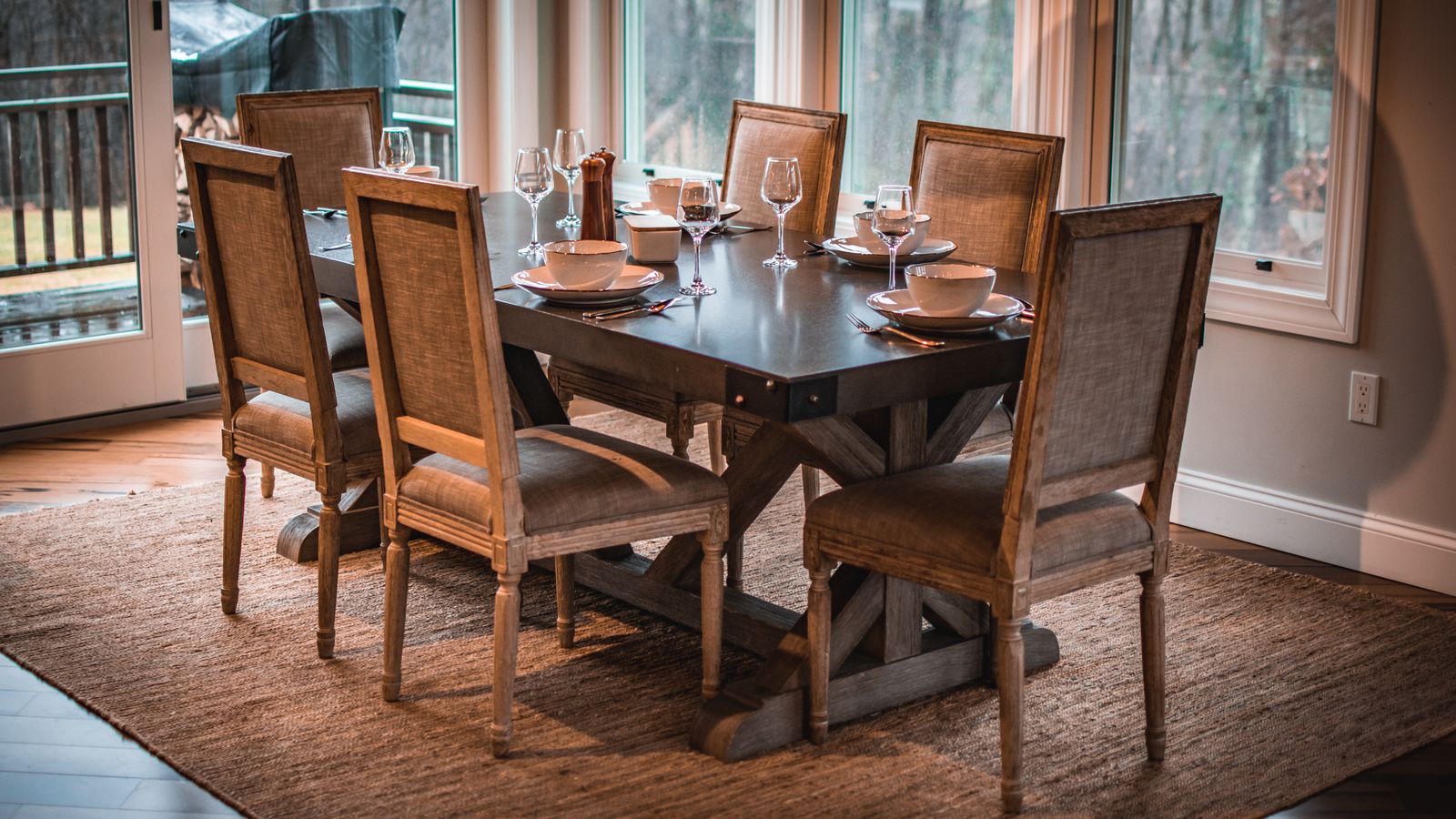
Peel and stick tile brings a hard, low-maintenance surface that stands up to dropped forks, chair legs, and everyday dining traffic. It also comes in a huge range of finishes, from stone look to classic checkerboard patterns, so it can set the tone for the entire room. A jute rug, on the other hand, softens that hard surface underfoot, absorbs some sound, and introduces a natural, woven texture that keeps a tiled floor from feeling cold or sterile. Pairing a textured natural-fiber rug with a smooth tiled floor is a classic layering technique that designers use because the contrast in materials does a lot of visual work without adding clutter. When you’re organizing a dining and decor scheme, this pairing gives you a strong foundation to build the rest of the room around, including furniture, lighting, and wall decor.
Planning Your Dining and Decor Scheme Before You Start
Before you buy a single tile or roll out a rug, spend time mapping the room. Measure the dining area’s total footprint and note where the table currently sits or where you plan to place it. Decide whether the peel and stick tile will cover the entire room or just define a “dining zone” within an open-concept space. Many homeowners use tile to visually separate the dining area from an adjoining kitchen or living room, which is a simple way to organize a decor scheme without adding walls. Sketch a rough floor plan, mark the tile boundary, and note the direction of natural light, since that affects how tile color and rug tone will read throughout the day.
What You’ll Need
- Peel and stick vinyl tiles (enough to cover the dining zone, plus 10 percent extra for cuts and waste)
- A jute area rug sized to fit under the dining table and chairs, even when pulled out
- Tape measure and chalk line or painter’s tape for layout guides
- Utility knife and straightedge for trimming tiles
- Floor cleaner and a mop or cloth for surface prep
- A roller (optional, for pressing tiles firmly into place)
- A non-slip rug pad sized to the rug
Step 1: Prep the Subfloor
- Remove any existing rugs, furniture, and floor vents from the dining area.
- Sweep and vacuum thoroughly to clear dust and debris.
- Mop the floor with a mild cleaner and let it dry completely, since peel and stick tile adhesive needs a clean, dry surface to bond properly.
- Check for uneven spots, cracks, or old adhesive residue and address them, as imperfections can telegraph through thinner tile products.
Step 2: Establish Your Layout Lines
- Find the center point of the room or dining zone by measuring wall to wall and marking the midpoint on each side.
- Snap a chalk line (or use painter’s tape) connecting these midpoints to create perpendicular guide lines.
- Dry-lay a row of tiles along each line before committing to adhesive, so you can see how full and partial tiles will fall at the walls.
- Adjust your starting point if the layout leaves narrow slivers of tile along a highly visible wall; shifting the grid half a tile often looks more balanced.
Step 3: Install the Peel and Stick Tile
- Starting at the center point, peel the backing from the first tile and press it firmly along your guide lines.
- Work outward in a pyramid pattern, placing full tiles first and saving cuts for the edges.
- Use a roller or firm hand pressure to eliminate air bubbles and ensure full adhesion, especially along seams.
- Measure and trim edge tiles with a utility knife and straightedge, checking fit before peeling the backing.
- Let the finished floor set for the manufacturer’s recommended time (often 24 to 48 hours) before moving furniture back in.
Step 4: Choose the Right Jute Rug Size and Shape
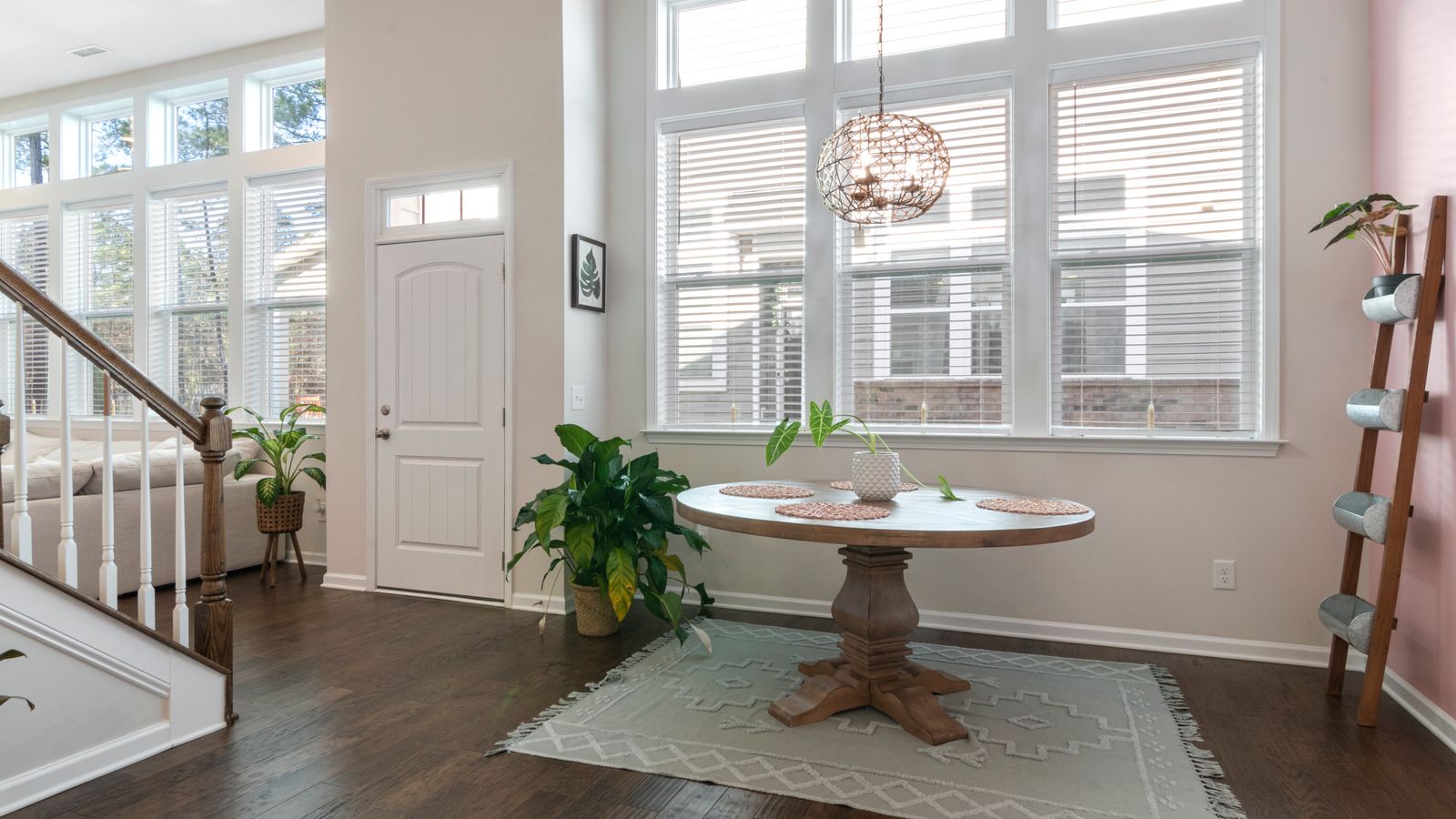
The rug’s job is to visually anchor the dining table and chairs, so sizing matters more than style at this stage. As a general rule, the rug should extend at least 24 to 30 inches beyond the edge of the table on all sides, enough that chairs stay on the rug even when pulled back from the table during a meal. Rectangular rugs typically suit rectangular tables, while round jute rugs pair naturally with round or pedestal tables. If you’re working with a smaller dining nook, a slightly undersized rug can still work as long as the front chair legs remain on it when seated.
Step 5: Place and Secure the Rug
- Center the rug under the dining table, using the table’s midpoint as your reference.
- Pull chairs out fully to confirm the rug still supports all four legs of each chair in the seated position.
- Slide a rug pad underneath before final placement to prevent slipping on the tile and to add cushioning underfoot.
- Square the rug to the room’s sightlines, not just the table, so it reads as intentional from the doorway.
Coordinating Colors and Textures Across the Scheme
Once the flooring and rug are in place, tie the rest of the room together by echoing the jute’s warm, neutral tone in other textiles, such as woven placemats, linen napkins, or a rattan light fixture. If your peel and stick tile has a bold pattern, keep the rug simple and let the floor be the statement; if the tile is a subtle stone or wood look, the jute rug can carry more visual weight as the room’s texture layer. Wall art, chair cushions, and a runner on the table should draw from the same two or three tones already established by the floor and rug so the whole space feels curated rather than assembled piece by piece.
Common Mistakes to Avoid
- Skipping subfloor prep: dust or moisture under the tile leads to peeling edges within months.
- Undersizing the rug: a rug too small for the table makes the whole room look unfinished and can catch chair legs.
- Ignoring a rug pad: jute rugs can shift on smooth tile without a proper pad, creating a tripping hazard.
- Mismatched grid direction: laying tile without checking sightlines from the main entry can leave awkward cut tiles in the most visible spot.
- Overloading the palette: adding too many competing patterns on top of a textured tile and rug combo can make the space feel busy instead of organized.
Maintaining the Look Over Time
Peel and stick tile holds up well with regular sweeping and occasional damp mopping; avoid soaking the seams, since standing water can loosen adhesive over the years. Jute rugs should be vacuumed on a low-suction setting and rotated periodically so wear from chair legs and foot traffic distributes evenly. Blot spills immediately, since jute fibers absorb liquid quickly and can stain or mildew if left damp. With basic upkeep, this combination of durable flooring and a natural-fiber rug can anchor a dining and decor scheme for years without needing a refresh.
Frequently Asked Questions
Can I install peel and stick tile over an existing floor?
In most cases yes, as long as the existing surface is flat, clean, and free of texture that would telegraph through the tile. Heavily textured or damaged floors should be smoothed or covered with underlayment first.
Will a jute rug slide on peel and stick tile?
It can, since jute has a naturally slick backing compared to synthetic rugs. A non-slip rug pad solves this and also extends the rug’s lifespan by reducing friction against the tile.
How do I clean spills on a jute rug near the dining table?
Blot immediately with a dry cloth rather than rubbing, then allow the area to air dry fully. Jute is more sensitive to moisture than synthetic fibers, so avoid soaking it during cleanup.
Should the rug match the tile color?
Matching isn’t necessary and can actually flatten the look. A neutral jute tone generally complements most tile finishes while still creating enough contrast to define the space.
Final Thoughts
Organizing a dining and decor scheme around peel and stick tile and a jute rug is one of the more approachable weekend projects for updating a high-traffic room. The tile gives you a durable, customizable base, and the rug layers in warmth and definition without a major renovation. Take the time to plan your layout, size the rug correctly, and prep the subfloor properly, and the combination will hold up as a cohesive foundation for the rest of your dining room decor for years to come.