

Working outdoors exposes your feet to standing water, thick mud, and jagged ground. Choosing the wrong pair leads to painful blisters, sodden socks, and early joint fatigue. We evaluated 10 models for September 2026 to find durable footwear that keeps feet dry and supported across demanding shifts.
Modern boot construction combines technical membranes, impact-absorbing midsoles, and slip-resistant rubber outsoles. Many buyers make the mistake of choosing heavy traditional leather without checking internal breathability ratings. Exploring our practical how to guides helps you identify which features match your specific work conditions before you buy.
Whether you work in construction, landscaping, or farm maintenance, your footwear must balance weather defense with all-day comfort. This comprehensive guide covers critical safety standards, waterproof technologies, and stability features. Use our detailed comparisons to select the ideal pair for your outdoor routine.




Selecting reliable footwear requires evaluating how individual materials handle moisture, abrasion, and daily stress. High-grade construction ensures your boots withstand wet environments without breaking down prematurely. Review the core buying criteria below to match technical specifications with your job requirements.
Waterproof Membrane Technology and Sealing
A true waterproof boot relies on an internal barrier rather than surface sprays alone. Proprietary membranes like KEEN.DRY and Omni-Tech feature microscopic pores that block liquid water drops while allowing internal vapor to escape. This dual-action design prevents moisture penetration from puddles while venting foot sweat during hard labor.
When comparing specifications, check whether the footwear includes seam-sealed bootie construction or an integrated waterproof sock. Seam sealing prevents water from creeping through stitching holes along the tongue and side panels. Boots with certified multi-hour submersion testing offer superior protection in deep slush and pooling water.
A practical rule of thumb is to look for full gusseted tongues that connect directly to the upper collar. Without a gusset, water enters through the eyelets when stepping into puddles deeper than two inches. Investing in fully lined bootie systems ensures complete protection during heavy downpours.
Safety Toe Protection and ASTM Standards
Impact protection is essential on industrial job sites where falling materials and heavy machinery pose constant hazards. Steel toe caps provide robust defense against severe crush injuries, meeting strict workplace safety requirements. Modern asymmetrical caps are shaped anatomically to give toes extra room without sacrificing impact resistance.
Review the safety certifications to confirm compliance with ASTM F2412 and ASTM F2413 standards for impact and compression. If your job involves light landscaping or trail maintenance, a soft toe model may offer sufficient protection with lighter overall weight. Heavy industrial sites and commercial construction projects universally mandate certified safety caps.
Consider the trade-off between absolute impact protection and thermal conductivity in freezing weather. Steel caps conduct cold faster than composite materials, requiring insulated socks in winter conditions. Soft toe options provide maximum agility and lower weight when heavy falling objects are not a risk.
Outsole Traction and Slip Resistance
Outdoor work surfaces change rapidly from slick wet clay and loose gravel to oily concrete pads. Deep lug patterns clear mud outward as you step, preventing soil buildup from turning the outsole into a flat, slippery surface. Compound rubber blends provide reliable grip across varied textures without marking indoor flooring.
Look for outsoles certified under ASTM F1677 Mark II or ASTM F2913 SATRA slip testing standards. These ratings measure traction against wet, dry, and oily surfaces to ensure maximum stability. Multi-directional lug layouts provide dependable braking power when walking down steep, muddy slopes.
Wedge soles distribute weight evenly on hard flat ground, while heel-lugged soles bite deeper into soft earth and ladder rungs. Choose aggressive 5mm lug depths for forestry, excavation, and wet field tasks. Flatter wedge profiles work best for indoor-outdoor warehouse environments.
Midsole Cushioning and Energy Return
Standing on compacted dirt or concrete for eight to ten hours places intense stress on knees and lower back muscles. Midsoles made from compression-molded EVA or expanded TPU absorb shock every time your heel strikes the ground. High-rebound compounds return energy with each stride to reduce cumulative leg fatigue.
Compare standard single-density foam against advanced dual-density systems and air cushion heel pockets. Dual-density platforms position firmer foam along the arch for stability and softer foam under the heel for plush impact absorption. Lightweight compounds keep total boot weight down, saving valuable stamina over long distances.
Test the midsole firmness by attempting to twist the boot along its horizontal axis. A quality work midsole resists excessive twisting while allowing natural forefoot flex at the ball of the foot. This balance protects against ankle rollover on rutted job sites.
Upper Material Durability and Maintenance
Upper materials must resist abrasion from sharp rocks, wet cement, and harsh outdoor brush. Premium full-grain leather offers exceptional tear resistance and naturally molds to the contours of your foot over time. Combining leather panels with high-density Oxford fabric or mesh reduces weight and speeds up dry times.
When evaluating uppers, check for reinforced scratch-rubber toe caps and heavy-duty double stitching along stress points. Full-grain leather requires regular conditioning to prevent cracking after repeated soaking and drying cycles. Neoprene uppers provide complete waterproof flexibility, making them ideal for standing water and deep mud.
Organizing your gear properly at home extends upper lifespan, which you can coordinate when you simplify your closet and storage system with shoe rack and jewelry armoire setups. Never dry wet leather boots next to direct heat sources like radiators, as rapid drying shrinks and stiffens the material.
Shaft Height and Ankle Stability
Shaft height determines both the level of ankle support you receive and how deep a puddle you can safely cross. Mid-cut boots measuring around 4 to 5 inches offer excellent mobility for climbing ladders and crouching in tight spots. Taller 6-inch and 8-inch shafts provide rigid lateral stability on uneven embankments and rocky trenches.
Check the collar padding and lacing hardware configuration across different boot heights. Metal speed hooks and locking eyelets allow you to customize tension across the instep while securing the ankle firmly in place. Padded collars cushion the Achilles tendon against chafing during steep ascents.
Choose low to mid-cut heights if your routine involves frequent driving, kneeling, or indoor transitions. Opt for standard 6-inch work height if you routinely navigate active construction zones with debris and deep mud. Taller shafts keep out gravel, wood chips, and splashing water.
Underfoot Shanks and Electrical Hazard Protection
The internal shank is a rigid insert positioned between the insole and outsole beneath the arch. Steel shanks deliver maximum puncture protection and reduce foot fatigue when standing on narrow ladder rungs or shovel blades. Thermoplastic polyurethane (TPU) shanks provide comparable torsional rigidity while keeping overall weight minimal.
Electrical Hazard (EH) ratings certify that the boot sole can withstand secondary contact with live electrical circuits up to 18,000 volts in dry conditions. This feature is vital for electricians, utility workers, and general contractors working near exposed wiring. Verify the EH tag inside the boot tongue to ensure regulatory compliance.
A simple check for adequate arch support is examining how much the midfoot flexes under body weight. A boot with a quality shank bends only at the forefoot, protecting your plantar fascia from overstretching. Avoid unreinforced soft soles for heavy digging or climbing tasks.
Insole Cushioning and Moisture Management
The interior footbed directly contacts your foot and dictates initial step-in comfort. Removable dual-density insoles allow you to swap in custom orthotics or air out footbeds after sweaty shifts. Moisture-wicking textile linings pull sweat away from the skin, speeding evaporation through the outer membrane.
Examine whether the boot liner includes anti-microbial treatments to inhibit odor-causing bacteria growth. Breathable mesh tongues enhance airflow along the top of the foot where heat concentrates during intense exertion. Contoured heel cups stabilize the rearfoot to prevent internal slippage and friction hot spots.
Always pair waterproof footwear with synthetic or merino wool socks rather than basic cotton. Cotton absorbs and holds sweat, defeating the purpose of breathable lining membranes. Moisture-wicking socks work in tandem with the boot interior to keep skin completely dry.
Weight Optimization and Long-Shift Fatigue
Every extra ounce of footwear weight requires additional energy expenditure with every single step you take. Heavy traditional work boots can weigh over two pounds each, accelerating leg muscle exhaustion by midday. Modern tactical hybrids and technical hikers use lightweight composite materials to cut down mass without compromising durability.
Reviewing our comprehensive footwear guides will help you weigh heavy-duty welted construction against lightweight cemented designs. Cemented outsoles bond directly to lightweight midsoles for immediate flexibility and minimal break-in time. Goodyear welted boots are heavier and stiffer initially, but offer superior long-term durability and resoling potential.
Aim for boots that weigh under 25 ounces per shoe if your daily work involves walking several miles across job sites. Reserve heavier boots above 30 ounces for stationary industrial tasks requiring maximum armor and steel puncture plates. Matching weight to activity level protects your stamina.
| Feature | Heavy-Duty Work | Tactical / Utility | All-Terrain Hiking |
|---|---|---|---|
| Toe Protection | ASTM Steel Cap | Reinforced Rubber / Soft | Scratch Rubber Toe Cap |
| Primary Material | Full-Grain Leather | Leather & Oxford Fabric | Suede & Breathable Mesh |
| Waterproof System | KEEN.DRY / Sealed Sock | 8-Hour SGS Barrier | Omni-Tech Bootie |
| Midsole Type | Dual-Density EVA / TPU | High-Rebound E-TPU | TechLite Impact Foam |
| Best Application | Industrial & Construction | Security & Field Work | Landscaping & Trail |
Why You Should Trust Us
Our editorial approach focuses on rigorous specification analysis, verified material performance, and real-world durability standards. We examine structural engineering details including welt construction, membrane breathability ratings, and ASTM safety certifications across price categories. This data-driven methodology eliminates marketing hype and pinpoints how footwear actually performs in harsh conditions.
We continuously monitor material updates, outsole tread redesigns, and user feedback patterns across trade industries. By comparing technical metrics such as puncture resistance, midsole rebound elasticity, and seam integrity, we deliver objective buying guidance. Our recommendations stay current through systematic database reviews across all major work footwear brands.
Final Thoughts
For heavy industrial job sites requiring certified impact protection and electrical safety, the KEEN Utility Men’s Lansing Mid Height Steel Toe stands out as our top overall recommendation. Its asymmetrical steel toe provides ample room for natural toe spread, while the KEEN.DRY membrane ensures reliable water defense. The oil- and slip-resistant outsole offers exceptional grip on slick ladders and greasy concrete.
If budget is your primary focus, the NORTIV 8 Men’s Waterproof Military Work Boots 6 delivers great value with its waterproof upper and high-traction rubber sole. It handles light construction, daily security shifts, and yard tasks without feeling heavy on your feet. The padded collar and EVA heel cup offer dependable arch support right out of the box.
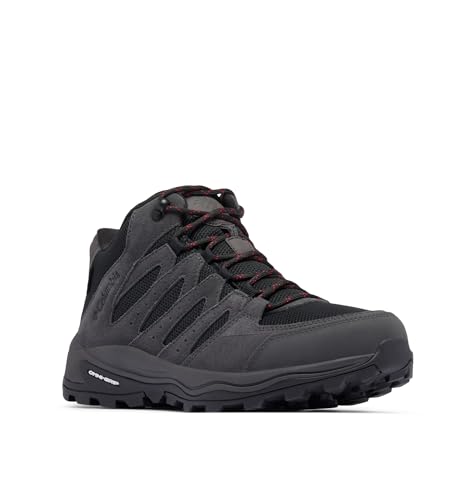
Workers dealing with deep mud, standing water, and agricultural muck should choose the Showave Men’s Rubber Boots Waterproof Rain Boots for total waterproof assurance. Its 5mm neoprene construction locks out liquid entirely while keeping feet warm in freezing slush. If your work shifts between light outdoor tasks and home and living maintenance, the agile Columbia Mens Redmond IV Mid Waterproof Hiking provides superior TechLite cushioning for active days.
Frequently Asked Questions
How do Best Waterproof Outdoor Work Boots keep moisture out during long shifts in 2026?
They utilize specialized internal membranes such as KEEN.DRY or Omni-Tech combined with taped seams and waterproof leather uppers. These membranes contain microscopic pores that prevent external liquid droplets from penetrating while allowing hot foot perspiration to vent outside. This dual-action barrier ensures your feet remain dry from both external rain and internal sweat.
What is the difference between waterproof membranes and water-resistant coatings?
Water-resistant coatings are surface sprays that cause light moisture to bead up on the exterior fabric temporarily. In contrast, waterproof membranes are integrated internal booties that withstand sustained submersion and heavy downpours. Work environments with deep puddles require full membrane construction rather than simple surface treatments.
Are steel toe caps necessary for outdoor landscaping and yard maintenance?
Steel toes are recommended if you operate heavy machinery, carry stone pavers, or use power equipment like tillers and chainsaws. However, if your tasks are limited to weeding, pruning, and light walking, a soft toe or composite toe reduces fatigue. Always evaluate the specific hazards of your job site before choosing toe reinforcement.
How often should you clean and recondition waterproof leather footwear?
You should wipe away caked mud with warm water after every heavy shift to prevent soil from drying out the leather fibers. Apply a specialized wax or silicone leather conditioner every two to three months to maintain natural suppleness. Refer to our proper storage and care guides for tips on keeping work gear clean and organized.
What makes Best Waterproof Outdoor Work Boots slip resistant on wet mud?
Slip resistance on soft ground relies on deep, widely spaced rubber lugs that bite into soil and channel mud outward as you walk. Soft rubber compounds adapt to uneven terrain while self-cleaning channels prevent mud buildup from creating a slick surface. Certified outsoles undergo standard testing to ensure grip on oily and wet planes.
Can waterproof work footwear cause excessive foot sweating in hot weather?
Waterproof membranes restrict airflow slightly compared to non-waterproof mesh shoes, which can elevate internal temperatures in summer heat. Choosing boots with moisture-wicking textile linings and breathable mesh tongue panels mitigates heat buildup. Wearing moisture-wicking merino wool or synthetic socks ensures sweat is transported away from your skin.
How does an electrical hazard EH rating protect outdoor utility workers?
An EH rating signifies that the outsoles and heels are constructed with non-conductive electrical shock-resistant materials. Under dry conditions, these soles can withstand up to 18,000 volts at 60 Hz for one minute without current leakage. This provides vital secondary protection against accidental contact with energized circuits.
What is the average lifespan of outdoor safety boots under daily use?
Under continuous five-day-a-week work on abrasive surfaces, a quality pair of work boots typically lasts six to twelve months. Boots featuring welted construction can often be resoled, extending upper lifespan for several years. Replace your boots immediately when outsole treads wear flat or the internal waterproof membrane tears.
Which outsole tread pattern works best on wet grass and loose gravel?
Multi-directional lug patterns featuring angular edges provide superior braking power and lateral stability on wet turf and gravel. The varied angles prevent lateral slipping when walking diagonally across slick embankments. Flat wedge soles should be avoided on loose steep ground as they lack biting edges.
Why do some boots feature steel shanks while others use TPU composite shanks?
Steel shanks offer maximum puncture resistance and rigid underfoot support for climbing ladders and digging with shovels. TPU shanks provide excellent torsional stability and arch support while weighing significantly less than metal inserts. TPU is also non-conductive and does not set off metal detectors at secure facilities.






Write Your Review
No reviews yet. Be the first to share your experience!