

Winter expeditions require footwear that balances heavy-duty thermal insulation with dependable traction across unpredictable icy terrain. Choosing the right pair prevents frostbite, slips, and unnecessary fatigue when trekking through dense snowpack or freezing mud.
Our team evaluated 7 models across leading outdoor brands like NORTIV 8, The North Face to identify which boots handle sub-zero weather without sacrificing mobility. Modern synthetic materials and advanced waterproofing membranes have revolutionized winter footwear for September 2026.
Whether you need heavy 400g insulation for deep alpine treks or lightweight boots for casual winter hiking, this guide breaks down the essential performance specs. You can also explore our Guides section to learn more about outdoor gear prep.

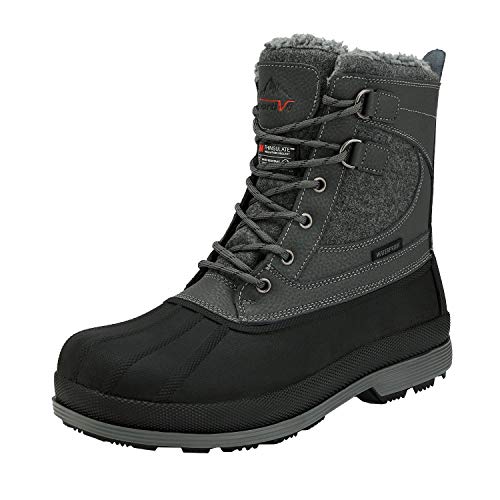
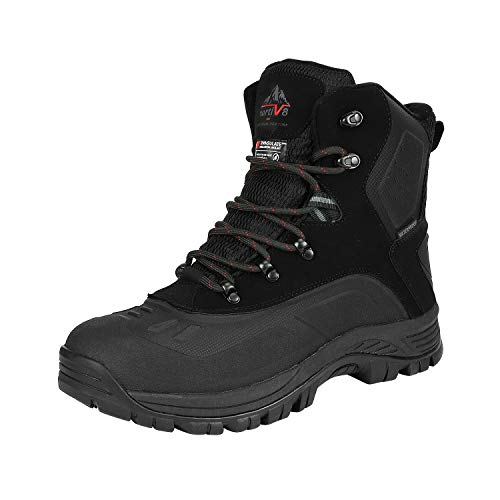

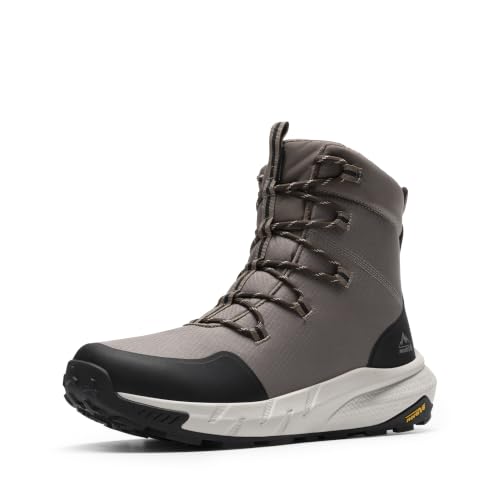
Key Buying Criteria for Best Snow Boots for Adventure
Insulation Weight and Thermal Technology
Thermal insulation forms the core defense against cold weather during prolonged winter expeditions. Manufacturers typically measure synthetic insulation in grams per square meter, ranging from 200g for active pursuits to 400g or more for extreme conditions.
High-loft synthetics like 3M Thinsulate and Heatseeker trap body heat even when moisture penetrates the inner lining. When comparing boots, check the laboratory temperature ratings, which often promise comfort down to -25F under moderate movement.
As a practical rule, select 200g insulation if you generate continuous body heat during steep snowshoeing or rapid trail hiking. Choose 400g insulation if your adventure involves slow pacing, ice fishing, or lengthy rest stops in sub-freezing temperatures.
Waterproofing Membranes and Seam Construction
A snow boot loses almost all thermal efficiency if wet snow penetrates through the outer shell to reach your socks. Quality winter boots combine treated hydrophobic leathers, synthetic textiles, and internal waterproof barrier membranes to repel slush and river crossings.
Seam-sealed construction is crucial because needle holes from stitching represent the primary entry points for melted ice. Inspect the product specifications for vulcanized rubber shells around the lower footbed, which offer the highest water resistance.
Look for multi-layer barrier boots with moisture-wicking inner fabrics that pull internal sweat away from your skin. Keeping your feet dry from both external elements and internal perspiration prevents rapid cooling during extended winter treks.
Outsole Traction and Winter Rubber Compounds
Standard rubber outsoles harden in freezing temperatures, transforming soft lugs into slippery plastic that slides across hard-packed ice. Dedicated winter boots utilize specialized rubber compounds engineered to maintain flexibility in extreme cold.
Lug depth and pattern design directly influence how effectively the sole clears packed snow while biting into loose powder. Deep multidirectional lugs allow you to brake during downhill descents and push forward on steep icy inclines without slipping.
When assessing tread performance, ensure the perimeter lugs feature open channels that shed mud and wet slush naturally. Self-cleaning outsoles prevent buildup from turning your boots into flat, traction-free platforms mid-hike.
Midsole Cushioning and Shock Absorption
Walking through heavy snowdrifts places substantial mechanical stress on your ankles, arches, and knees. Compression-molded EVA midsoles absorb repetitive ground impacts while providing structural support over frozen rocks and uneven trail debris.
EVA foam also acts as an insulating thermal barrier that prevents freezing ground temperatures from conducting directly through the boot floor. Dual-density midsoles offer stiffer support under the heel and arch while keeping the forefoot flexible for natural walking strides.
If you plan to carry a heavy winter backpack, prioritize boots with firmer polyurethane or reinforced EVA midsoles. Softer foams compress completely under load, reducing both comfort and thermal insulation during multi-day expeditions.
Shaft Height and Debris Protection
Boot shaft height determines how effectively the footwear keeps deep powder from spilling over the collar into your socks. Mid-cut boots offer greater ankle agility for fast hiking, while high-cut shafts provide critical barrier protection in deep snowdrifts.
A fully gusseted tongue connected to the sides of the upper prevents small pebbles, freezing slush, and wind from sneaking inside. Examine the collar padding to ensure it forms a snug, soft seal against your calf without causing chafing.
For deep backcountry exploration, verify whether the boot features integrated D-rings for winter gaiter attachments. Pairing high-shaft boots with gaiters creates an impenetrable seal against hip-deep snowpack.
Snow Boot Specification Matrix
| Boot Model | Insulation Level | Upper Material | Primary Best Use |
|---|---|---|---|
| The North Face Chilkat V 400 | 400g Heatseeker | Waterproof Leather/Suede | Deep Snow & Sub-Zero Trekking |
| NORTIV 8 Waterproof Winter Boots | 200g 3M Thinsulate | Seam-Sealed Synthetic | Active Snow Hiking & Daily Wear |
| NORTIV 8 Wide Winter Boots | 200g 3M Thinsulate | Synthetic & Plush Lining | Wide Feet & Heavy Sock Layering |
| NORTIV 8 Zip Winter Boots | 200g 3M Thinsulate | Synthetic Windproof Shell | Quick Transition & Casual Winter Sports |
Lacing Systems and Fit Adjustability
Secure closure systems prevent heel slippage, which is the primary cause of painful blisters during long winter hikes. Heavy-duty metal speed hooks and rustproof D-rings allow you to tighten laces firmly even when wearing thick winter gloves.
Side-zip designs offer unmatched convenience for rapid transitions at base camps or trailheads, though traditional lacing provides superior zone-specific tension. A proper closure lets you keep the toe box relaxed while locking down the ankle collar tightly.
Always size your winter footwear to accommodate heavyweight wool socks without compressing your toes. Pinched toes restrict blood circulation, which causes feet to freeze quickly regardless of how much insulation your boot contains.
Toe Protection and Reinforced Rand
Hidden rocks, submerged roots, and hard ice chunks pose significant collision risks when navigating snow-covered trails. Reinforced synthetic or molded rubber toe caps shield your toes from direct impact while preventing abrasive wear on the leather upper.
A full rubber perimeter rand guards the lower boot perimeter against sharp crusty ice that cuts through standard textiles. This protective layer also adds structural rigidity to the boot frame, improving lateral stability on steep sideways traverses.
Check that the protective toe bumper extends far enough over the front to withstand repetitive snowshoe strap friction. Durable rand construction dramatically extends the overall lifespan of heavy-use adventure footwear.
Removable Moisture-Control Insoles
Footbeds play a crucial dual role by providing ergonomic arch support and absorbing sweat produced during strenuous activity. Removable insoles lined with plush pile or moisture-wicking fleece keep your feet dry and reduce fatigue on extended hikes.
Being able to slide out the insole at night is essential for drying footwear inside a tent or cabin before the next morning. Trapped moisture inside permanent footbeds freezes overnight, making boots uncomfortable and dangerously cold to put on.
If you use custom orthotics for plantar fasciitis, verify that the factory footbed is fully removable. Replacing thin standard liners with insulated orthopedic footbeds improves both walking posture and ground thermal insulation.
Weight vs. Durability Balance
Carrying excessive weight on your feet expends significantly more metabolic energy than carrying equivalent weight inside a backpack. Lightweight winter hiking boots utilize high-tenacity nylon and athletic EVA soles to maximize agility on long distance trails.
Heavier full-grain leather boots deliver superior puncture resistance and long-term durability against abrasive frozen crusts. Consider your typical route length and difficulty when deciding between ultralight agility and rugged expedition-grade protection.
You can learn more about general gear care in our article on how often should you replace essential items to keep your gear organized. Proper storage between winter seasons preserves boot integrity for years of reliable use.
Why You Should Trust Us
Our editorial approach relies on objective technical evaluation, spec verification, and deep comparative market research across leading winter gear categories. We examine critical construction details, including thermal insulation ratings, seam sealing integrity, and outsole rubber compounds.
We analyze manufacturer specifications, cold-chamber laboratory ratings, and long-term user durability feedback to shortlist standout performers. Our recommendations remain independent, focusing strictly on verifiable build quality, safety features, and overall value for outdoor enthusiasts.
Every review is updated dynamically to reflect current seasonal standards and real-time product availability. Discover more about our product research frameworks across the How To category section.
Final Thoughts
For high-intensity mountaineering and extreme sub-zero conditions, our top overall pick is The North Face Chilkat V 400 Waterproof Snow Boot. Its heavy 400g Heatseeker insulation, waterproof leather build, snowshoe heel clip, and specialized Surface Control outsole provide unmatched protection on demanding trails.
Shoppers seeking exceptional performance on a reasonable budget should consider NORTIV 8 Men’s Waterproof Winter Snow Boots or NORTIV 8 Men’s Waterproof Hiking Winter Snow. Both models feature 200g 3M Thinsulate insulation, seam-sealed waterproofing, and anti-collision toe caps for dependable all-around winter use.
If you require extra space for thick thermal socks or wider feet, we recommend NORTIV 8 Men’s Wide Winter Boots Grip on Snow. For quick slip-on convenience during casual winter outings, NORTIV 8 Men’s Zip Winter Snow Boots Slip offers great insulation with easy entry. Explore our Home & Living section for more seasonal preparation advice.
FAQs
What makes the best snow boots for adventure in 2026 different from regular winter shoes?
Adventure snow boots feature rugged seam-sealed waterproofing, heavy-duty synthetic insulation like 3M Thinsulate, and aggressive cold-resistant rubber outsoles. Regular winter shoes prioritize aesthetics and lack the ankle stability, snowshoe compatibility, and deep traction needed for mountain trails.
How much insulation do I need for cold weather hiking?
For active winter hiking where your body generates heat, 200 grams of synthetic insulation is generally ideal to prevent overheating and sweat accumulation. If you plan to hike in sub-zero alpine conditions or stand stationary in deep snow, 400 grams provides superior warmth.
Should I size up when buying winter adventure snow boots?
Sizing up by a half or full size is often recommended to accommodate thick wool socks without restricting internal blood circulation. Tight footwear compresses insulating sock fibers and reduces foot warmth, leading to rapidly chilled toes during cold expeditions.
How do I clean and maintain waterproof snow boots after a hike?
Rinse away mud and road salts with clean lukewarm water and a soft nylon brush, avoiding harsh chemical detergents that degrade waterproof coatings. Allow the boots to air dry at room temperature away from direct heat sources, and remove the insoles to speed up interior drying.
Can I use regular hiking boots with thick socks instead of snow boots?
Regular three-season hiking boots lack the specialized insulation and cold-formulated rubber outsoles required for freezing conditions. Their rubber outsoles often stiffen and lose grip on ice, while melted snow easily chills uninsulated leather uppers.
Are zip-up snow boots reliable for rugged backcountry trails?
Zip-up snow boots offer fast entry and great convenience for casual trails, snowmobiling, and daily winter chores around camp. However, traditional lace-up boots provide superior customized ankle lockdown and heel hold, which are essential for navigating steep backcountry terrain.
What is the purpose of a gusseted tongue on winter boots?
A gusseted tongue is sewn directly along the sides of the boot eyelets to create a continuous waterproof barrier. This construction stops wet snow, ice slush, and trail debris from slipping between the laces into your footwear.
How do snowshoe heel clips work on modern winter boots?
Snowshoe heel clips are molded ridges or ledges on the rear of the boot heel designed to hold snowshoe rubber binding straps securely. They prevent bindings from slipping off while you kick steps into steep snowy slopes or navigate rolling hills.
Why is moisture management critical in cold weather footwear?
Foot sweat trapped inside a boot conducts heat away from your skin up to 25 times faster than dry air. Boots with breathable waterproof membranes and moisture-wicking linings ensure sweat escapes before it can cool and freeze your feet.
How do I store snow boots during the off-season?
Clean your boots thoroughly, let them dry completely, and store them in a cool, ventilated closet out of direct sunlight. You can reference our guide on how to simplify your closet and storage system with shoe rack solutions for smart seasonal footwear organization.






Write Your Review
No reviews yet. Be the first to share your experience!