

Finding the right soling compounds and adhesives can extend the lifespan of rugged footwear by several seasons. Investing in proper boot restoration saves money while keeping comfortable uppers out of landfills. We examined 7 top options for September 2026 from reliable brands like MIIDII, EACOZY, Lucomb to determine which compounds deliver superior traction, longevity, and bond strength.
Many footwear owners make the mistake of using standard household superglue or thin craft rubber on heavy-duty work boots. These shortcuts quickly fail under outdoor stress, repeated flexion, and damp environments. Learning how to select high-density rubber sheets and flexible polyurethane adhesives ensures your repairs withstand demanding terrain. You can also explore our practical guides for additional workshop maintenance techniques.
Whether you need to replace worn down heel caps or install complete full-length replacement soles, matching the rubber hardness and adhesive chemistry to your boot structure is vital. This guide breaks down structural density, tread patterns, curing profiles, and surface preparation methods so you achieve cobbler-grade results at home.


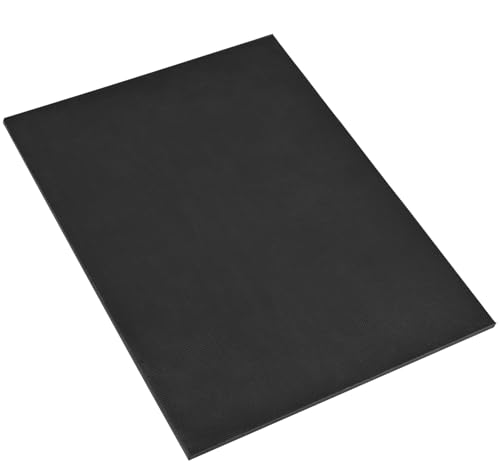


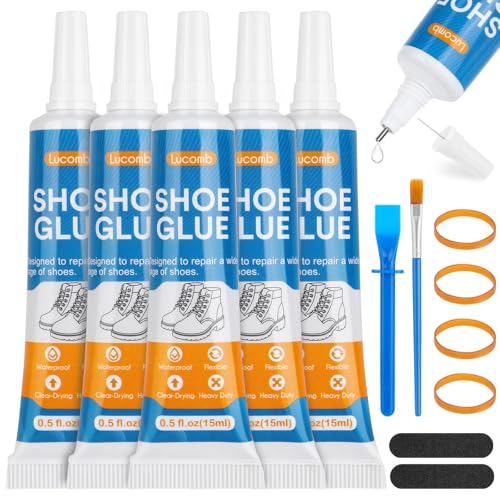
Selecting replacement materials requires understanding the mechanical forces placed on work footwear and casual boots. The outsoles and structural adhesives work together to absorb impact, channel moisture, and maintain structural integrity during thousands of walking cycles.
Outsole Rubber Density and Hardness
The durometer rating of an outsole rubber determines how well it balances abrasion resistance against surface grip. High-density vulcanized rubber provides the best defense against rough asphalt, gravel, and job site debris. Softer compounds offer better shock absorption but wear down quickly when subjected to daily friction.
When reviewing soling sheets, look for dense synthetic rubber blends that resist gouging from sharp rocks. Stiff rubber compounds around 70 to 80 Shore A durometer maintain their structural profile over long periods. These firm materials prevent foot fatigue by distributing pressure evenly across the base of your foot.
A useful rule of thumb is to choose stiffer rubber for heavy utility boots and slightly softer blends for lightweight casual footwear. Extremely hard plastics lack wet traction on slick surfaces like smooth concrete or wet metal. High-grade rubber soling sheets offer the optimal balance of toughness and reliable footing.
Material Thickness and Ground Clearance
Thickness plays a crucial role in determining puncture protection and overall boot longevity. Standard repair sheets generally range from 3/16 inch (approximately 5 millimeters) to 1/4 inch (approximately 6.5 millimeters) in depth. Thicker sheets add substantial wear life to heavy work boots, while thinner profiles suit sleek dress boots and lightweight hiking shoes.
A thicker sheet creates greater separation between your feet and freezing ground temperatures, improving thermal insulation during winter months. However, adding too much thickness can alter the natural gait geometry and heel drop of your footwear. Measure your original sole thickness before purchasing replacement sheets to ensure you preserve comfortable walking ergonomics.
For targeted repairs like uneven heel wear, pre-beveled heel pads offer an efficient way to restore level footing without replacing the entire sole. Matching the pad thickness to the worn section ensures stable posture. Maintaining balanced tread levels also prevents joint strain during long shifts.
Tread Geometry and Anti-Slip Texture
Surface tread patterns dictate how efficiently a boot channels away water, mud, and light oils. Embossed diamond textures and multidirectional micro-grooves create vital traction points on flat, slick surfaces. Deep lugs are essential for muddy trails, but fine diamond patterns excel in indoor workshops and wet pavement.
Inspect the relief depth of the diamond pattern when evaluating sheet materials. Shallow patterns can quickly wear smooth after a few weeks of heavy use on rough concrete. High-quality replacement sheets feature crisp, molded textures that maintain grip even as the outer rubber layer wears down gradually.
Consider where you wear your boots most frequently before picking a tread style. For mixed indoor and outdoor use, diamond-embossed soling sheets provide excellent slip resistance without tracking excessive dirt indoors. Pair proper shoe organization with ideas to simplify your closet and storage system with shoe rack solutions to keep footwear clean and ready for work.
Adhesive Elasticity and Flex Fatigue Resistance
Standard brittle glues like cyanoacrylate snap under the bending forces generated by normal walking steps. Footwear repair requires specialized clear polyurethane or contact adhesives that retain flexible memory after curing. These elastic polymers stretch and compress alongside the sole material without separating from the upper.
Look for adhesives formulated specifically for boots, rubber, and leather. High-strength shoe cements form a pliable bond line that absorbs repetitive foot strikes. This flexibility ensures that tension along the toe crease does not cause delamination or edge peeling over time.
A reliable boot glue should dry clear and stay soft enough to cushion vibrations. Rigid bonds create localized pressure points that can tear delicate leather uppers. Ensuring the adhesive remains supple guarantees both comfort and lasting structural integrity.
Curing Time and Initial Tack Speed
Understanding curing chemistry prevents premature bond failure during home repairs. Most specialized shoe adhesives require an initial setting window of 1 to 2 hours under mechanical clamping. Full chemical curing and maximum tensile strength typically develop over a 24-hour period.
Quick-drying formulas with high initial tack are helpful for positioning complex sole edges without slippage. Using elastic rubber bands or clamps maintains constant pressure while the solvents evaporate. Rushing this curing timeline by wearing the boots early is the leading cause of failed repair attempts.
Plan your repair schedule so the footwear rests undisturbed for a full day in a dry room. Moderate room temperatures facilitate proper polymer cross-linking. Following manufacturer curing times ensures your adhesive reaches its highest possible bonding strength.
Moisture and Temperature Resistance
Boots regularly encounter rain, snow, puddles, and extreme seasonal temperatures. A waterproof soling compound and sealant prevents moisture from penetrating the mid-sole stitching and insole cavity. Water intrusion weakens leather footbeds and creates unpleasant odors over time.
The adhesive must maintain its grip across wide temperature ranges, from summer asphalt to freezing winter slush. Inferior glues soften in summer heat and turn brittle when exposed to sub-zero temperatures. High-grade repair cements create an impermeable barrier that seals small holes and protects internal boot layers.
Selecting materials with proven thermal stability ensures your boots remain watertight during harsh winter weather. Sealing the entire perimeter of the sole creates an airtight joint. This protective barrier extends the working life of heavy outdoor gear.
Ease of Cutting, Trimming, and Edge Beveling
Custom sole replacement requires trimming rectangular rubber sheets down to the exact silhouette of your boot. Dense vulcanized rubber can be difficult to slice with dull utility blades. Choosing materials with consistent internal density ensures smooth cuts without ragged edges.
Working with flexible 5 millimeter sheets allows you to follow tight curves around the toe box and heel cup. Stiffer 1/4 inch rubber sheets require sharp cobbler shears or heavy-duty utility knives with fresh blades. Warming the rubber slightly with a hair dryer can soften the material for cleaner trimming.
After cutting the general outline, beveling the outer edge with sandpaper creates a clean, factory-style finish. Smooth edges prevent the sole from catching on stairs or brush during hikes. Taking time to trim accurately ensures both aesthetic appeal and mechanical durability.
Surface Preparation and Abrasion Requirements
Adhesives rely on mechanical interlocking to grip rubber soles and leather boot uppers. Smooth rubber surfaces possess release agents from manufacturing molds that block chemical adhesion. Roughening both contact surfaces with medium-grit sandpaper or emery boards is essential for a permanent bond.
Many all-in-one repair kits supply specialized sanding sticks and spreaders to simplify surface prep. Scuffing the mating parts creates microscopic grooves that allow the glue to anchor deeply into the material. After sanding, wiping away all residual dust ensures clean surface contact.
Applying a thin, uniform adhesive layer with a spatula prevents thick pockets of glue from weakening the joint. Pressing firmly from the center outward eliminates trapped air bubbles. Proper surface preparation is the single most important step for achieving professional repair longevity.
Soling Material and Adhesive Comparison
Compare key specifications below to match the right soling sheets and adhesives to your footwear repair needs.
| Material / Product Type | Typical Thickness | Primary Advantage | Best Application |
|---|---|---|---|
| Heavy-Duty Soling Sheet | 1/4 Inch (6.5 mm) | Maximum abrasion resistance and depth | Rugged work boots and outdoor logging boots |
| Standard Soling Sheet | 3/16 Inch (5.0 mm) | Flexible, easy to cut and shape | Everyday casual boots and sneakers |
| Rubber Heel Pads | 1/25 to 1/4 Inch tapered | Pre-shaped for uneven wear correction | Heel rebuilding on dress and work footwear |
| Clear Polyurethane Glue | Liquid Adhesive | Flexible, clear, 100% waterproof bond | Sole re-attaching, seam sealing, gap filling |
Why You Should Trust Us
Our product evaluations rely on careful analysis of material specifications, chemical formulations, and practical workshop repair protocols. We compare physical properties such as tensile strength, Shore A rubber hardness, cure times, and flexibility under extreme temperatures. We do not accept sponsored placements, ensuring our recommendations remain transparent and objective.
We examine verified user feedback, DIY repair case studies, and cobbler technical guides to identify common failure modes in footwear maintenance. By comparing multi-piece repair kits against standalone soling sheets, we categorize products by ease of application and durability. For more structural home tips, explore our How To tutorials to streamline your workspace projects.
Final Thoughts
Restoring footwear yourself is a rewarding process that preserves comfortable, broken-in uppers while providing dependable traction underfoot. Matching the density of your soling sheet with a flexible, waterproof adhesive guarantees repairs that endure harsh conditions. Selecting the right tools simplifies the entire process from initial surface sanding to final clamping.
For heavy-duty sole replacement where maximum thickness and long-term durability are critical, the Rubber Soling Sheet for Shoe Soles Repair Boot is our top pick. Its 1/4-inch vulcanized rubber structure and diamond pattern withstand abrasive worksites and rocky trails with exceptional stability.
If you need an all-in-one adhesive solution for bonding and patching, the Shoe Glue Soles Repair| 4 Tube 30 ML Clear Shoe offers great value. It delivers multiple precision applicator tubes, spreader spatulas, and rubber clamping bands for seamless bonding across leather, rubber, and canvas materials.
For targeted heel wear and quick cosmetic corrections, Shoe Heel Repair, Rubber Sole Pads provide an affordable way to restore level posture without cutting down a full sheet. Choosing any of these dependable materials will help you preserve your footwear for many seasons to come.
Frequently Asked Questions
What is the Best Material for Boots outsoles in 2026?
High-density vulcanized rubber is widely considered the best material for boot outsoles due to its balance of grip, puncture resistance, and flexibility. It withstands rough surfaces like concrete, rocks, and asphalt without wearing down prematurely.
Can I use regular super glue to fix boot soles?
Standard super glue is too rigid and brittle for footwear repair. Walking creates continuous bending stress that quickly snaps cyanoacrylate bonds, making flexible polyurethane shoe glue a much better choice.
How thick should a replacement rubber boot sole be?
Most utility boots perform best with soling sheets between 3/16 inch and 1/4 inch thick. This range provides ample abrasion resistance and shock absorption without disrupting the natural walking balance of your boots.
How long does boot repair adhesive take to cure fully?
Initial bonding generally sets within 1 to 2 hours under clamp pressure, but full chemical curing requires 24 hours. Allowing the adhesive to cure completely ensures maximum waterproof strength and flex resistance.
Why is surface sanding necessary before gluing boot soles?
Sanding removes slick factory release agents and creates microscopic texture on the rubber and leather surfaces. This mechanical texture allows the adhesive to grip deeply, preventing edges from peeling apart later.
What tools are needed to cut a thick rubber soling sheet?
A sharp utility knife, heavy shears, and safety gloves are recommended for cutting thick soling sheets. Warming the rubber sheet gently with a heat gun or hair dryer can also make curved cuts much easier.
How do I clamp a boot sole while the glue is drying?
You can wrap heavy elastic rubber bands tightly around the boot circumference or use specialized footwear clamps. Applying firm, even pressure prevents air gaps and ensures uniform contact across the entire sole perimeter.
Is rubber better than leather for boot outsoles?
Rubber offers significantly better moisture resistance, slip prevention, and longevity on wet pavement or mud compared to leather soles. Leather outsoles provide classic dress styling, but rubber is superior for work and outdoor utility.
Can boot glue seal small holes and cracks in uppers?
Yes, flexible clear shoe adhesive can be spread across small punctures, torn seams, and leather cracks to restore a waterproof seal. Smoothing the glue with a silicone spatula creates an invisible protective barrier against moisture.
How do replacement heel pads correct uneven walking wear?
Tapered rubber heel pads fill in the sloping void left by uneven stride wear on the outer heel edge. Installing them levels the base of the boot, which stabilizes your step and reduces knee and ankle fatigue.






Write Your Review
No reviews yet. Be the first to share your experience!