

Bouldering strips climbing down to its purest athletic movements, demanding intense power, microscopic footholds, and dynamic body tension. Having the right footwear directly dictates whether your feet stick securely to polished gym volumes or slip off greasy outdoor granite edges. Modern route setting places immense demands on rubber stickiness, toe hook coverage, and heel tension.
Choosing between flat comfort shoes and ultra-aggressive downturned models often creates confusion for climbers advancing through the grades. Sizing mistakes remain a frequent frustration, as unlined leather shoes stretch significantly while synthetic microfiber uppers hold their exact shape for seasons. You can explore our gear buying guides to discover how modern footwear construction impacts technical performance across various climbing styles.
We evaluated 10 Best Bouldering Climbing Shoes for September 2026 across diverse price points and performance levels. This comprehensive guide breaks down essential rubber compounds, asymmetry profiles, and closure designs so you can step onto the wall with total confidence.


Downturn Profile and Last Curvature
The downturn profile describes how aggressively the sole arches downward from heel to toe. Flat or neutral profiles prioritize all-day comfort and smearing on low-angle slabs, making them accessible for newer climbers. In contrast, moderate to aggressive downturns direct maximum foot power into your big toe, allowing you to pull your hips into steep overhanging boulder problems.
When assessing shoe curvature, inspect the profile angle from the side view. Mild camber works well for vertical faces, while radical beak-like downturns excel on 45-degree roof problems and technical cave boulders. Shoes built with active tensioned rands maintain their hooked shape over time, preventing the toe box from flattening under heavy body weight.
As a practical rule, boulderers working on vertical terrain or training on endurance circuits should stick with neutral or moderate downturns. If your primary focus is steep roof climbing, selecting an aggressive model will immediately improve your ability to grab micro footholds without slipping.
Rubber Compound and Friction Characteristics
Climbing rubber varies significantly in hardness, thickness, and friction properties. Soft rubber compounds compress easily into rock micro-textures and slick fiberglass gym volumes, creating massive surface contact for smearing. Harder rubber formulas resist deformation, allowing you to stand solidly on razor-thin granite crystals without rolling off.
Review the specific outsole compound listed by the manufacturer, such as Vibram XS Grip 2 or proprietary friction blends. Soft rubbers usually measure around 3.5 millimeters in thickness, offering extreme sensitivity at the expense of faster wear. Stiffer rubbers often measure 4.0 to 4.5 millimeters, providing extra longevity and structural support for heavier climbers.
For modern indoor bouldering with large fiberglass volumes and slopers, prioritize soft rubber compounds. If you boulder outdoors on sharp limestone edges or abrasive sandstone, choose a slightly firmer rubber compound that preserves its sharp edge across multiple sessions.
Upper Material and Stretch Factor
The upper material directly dictates how much a climbing shoe will stretch and adapt to your foot anatomy over its lifespan. Unlined natural leather conforms closely to unique foot shapes and bunions, stretching up to a full size after several warm gym sessions. Synthetic microfiber uppers resist stretching entirely, retaining their out-of-the-box dimensions throughout their service life.
Engineered knit uppers represent a modern hybrid approach, delivering targeted airflow, elastic flexibility, and consistent sizing. When evaluating upper materials, check whether leather models include an internal cotton or synthetic lining. Lined leather stretches approximately half a size, striking an ideal balance between custom molding and structural integrity.
A reliable sizing rule is to downsize unlined leather shoes by one full size to accommodate natural expansion. For synthetic or knit climbing shoes, purchase your exact performance fit immediately because the material will not loosen significantly over time.
Closure System and Adjustability
The closure system controls how securely the shoe wraps your midfoot and how quickly you can take it off between boulder attempts. Hook-and-loop velcro straps dominate modern bouldering because they allow fast transitions between rests and burns. Traditional lace-up systems offer unmatched micro-adjustability, letting you customize volume across your toe box, instep, and ankle.
Evaluate strap quantity and orientation when comparing velcro models. Opposing dual straps pull the upper from both directions, locking the foot into the arch cavity without creating uncomfortable pressure ridges. Single wide strap systems offer the fastest entry, making them ideal for high-intensity gym training sessions.
If you possess high arches or narrow feet, lace-up models or multi-strap configurations provide the most secure lockdown. For boulderers who constantly take their shoes off between short boulder problems, dual velcro straps deliver the ideal balance of speed and tension.
Midsole Stiffness and Sensitivity
Midsole construction determines how much sensory feedback you feel beneath your feet when stepping on minimal holds. Thin, flexible midsoles allow your toes to wrap around textured edges, granting superior tactile awareness on delicate smears. Stiff midsoles act as a rigid platform, supporting your foot muscles and preventing arch fatigue on tiny edges.
Split-sole designs feature an independent forefoot and heel, separated by an unreinforced arch section to maximize mobility. Full-length midsoles provide unified support along the entire base of the shoe, making them steady for slab edging. Check whether the midsole uses thermoplastic inserts or flexible composite boards to gauge its torsional rigidity.
Beginners and climbers building toe strength benefit from supportive, medium-to-stiff midsoles that reduce muscle strain. Advanced climbers tackling steep overhangs should gravitate toward soft, split-sole designs that let the foot flex naturally like a hand.
Toe Patch Rubber for Technical Hooking
Modern bouldering frequently requires toe hooks, bicycle clamps, and bat hangs on steep volumes and feature holds. An extensive rubber toe patch over the vamp protects your foot from painful friction while generating immense grip. Shoes lacking toe rubber can cause painful slipping when you cam your toes behind large plastic features.
Inspect the surface area, thickness, and texture of the toe patch when evaluating technical models. High-end bouldering shoes utilize ultra-thin, sticky rubber rands that cover the entire top of the toe box without inhibiting knuckle mobility. Molded ribs or textured grooves on the toe patch further enhance friction against smooth gym fiberglass.
If your bouldering style emphasizes steep cave climbing and modern competition-style roof movements, toe rubber coverage is mandatory. For traditional vertical bouldering and crack problems, minimal toe patching provides adequate performance while keeping the shoe lighter.
Heel Cup Tension and Volume Fit
A powerful heel hook can stabilize your entire body weight during critical boulder sequences. The heel cup must fit snugly without empty air pockets or painful pinching along your Achilles tendon. Active rand tensioning bands wrap around the back of the heel, driving your toes forward into the front toe box for maximum precision.
To assess heel fit, check the depth of the heel cup and the rigidity of the rubber rand encasing it. Deep, high-volume heel cups suit climbers with wide heels, while narrow cups prevent slipping on technical heel locks. Rubber coverage extending up the sides and back of the heel increases grip on oblique holds.
When testing shoes, perform a test heel hook on a low hold or edge. If your heel lifts or twists inside the shoe, the heel cup volume is too high, and you should select a lower-volume model to maintain security.
Asymmetry and Foot Shape Compatibility
Asymmetry refers to the degree of inward curve along the centerline of the shoe, angling your power toward the big toe. Highly asymmetric lasts force the foot into an aggressive inward turn, focusing force onto micro-edges. Symmetrical lasts follow a straight foot outline, providing relaxed comfort for broader foot profiles.
Match the shoe last with your natural foot shape, paying close attention to whether you have an Egyptian, Roman, or Greek toe profile. Egyptian feet with long big toes align naturally with asymmetric shoes, while Greek feet with longer second toes fit rounded toe boxes better. Reviewing width designations like low-volume or high-volume prevents lateral pinch points.
Choose highly asymmetric shoes when attempting technical edge sequences on steep sport problems. For all-around sessions and warm-ups, a moderate asymmetry profile offers sufficient power without causing severe forefoot discomfort.
Durability and Resole Potential
Frequent bouldering wears down toe rubber rapidly, especially when developing footwork precision on high-grit gym walls. High-quality climbing shoes feature durable rand construction that allows for multiple resole cycles before the upper degrades. Resoling your shoes saves money and keeps your perfectly broken-in uppers performing at their peak.
Check whether the shoe uses a half-sole or full-sole design, as half-sole shoes are faster and less costly to resole. Inspect the stitching quality along high-wear rand seams, ensuring that the rubber rand wraps smoothly over the upper without premature delamination. Sturdy rand construction shields the delicate upper fabric from direct contact with abrasive climbing surfaces.
Monitor the thickness of your toe rubber regularly and send shoes for resoling before you wear through the rand into the microfiber upper. Proper gear care ensures your equipment lasts for seasons; you can learn more about gear maintenance through our practical How To resource library.
| Feature or Specification | Beginner Boulderer | Intermediate Climber | Advanced Steep Specialist |
|---|---|---|---|
| Downturn Profile | Flat and Neutral | Moderate Camber | Aggressive Downturn |
| Rubber Hardness | Firm (4.0mm – 4.5mm) | Balanced (3.5mm – 4.0mm) | Soft and Sticky (3.0mm – 3.5mm) |
| Upper Material | Breathable Knit or Lined Leather | Lined Leather or Microfiber | Synthetic Microfiber |
| Closure Style | Laces or Wide Dual Velcro | Opposing Dual Straps | Single or Dual Tension Straps |
| Midsole Flex | Full-Length Stiff Support | Medium Torsional Flex | Ultra-Soft Split Sole |
Why You Should Trust Us
Our review process analyzes technical specifications, material compositions, manufacturer sizing matrices, and verified user performance across indoor gyms and outdoor crags. We evaluate key structural metrics including rand tension, rubber compound durometer, upper stretch resilience, and heel cup geometry to provide objective product breakdowns.
We maintain strict editorial independence and continuously update our comparisons to reflect real-time product updates, sizing adjustments, and new manufacturing releases. Whether you are climbing on indoor volumes or technical outdoor granite, our data-backed evaluations guide you toward the right gear choices. If you want to organize your home training space, explore our guide on how to simplify your closet with shoe racks.
Final Thoughts
Selecting the right bouldering footwear requires balancing sensitivity, rubber stickiness, and structural tension against your climbing goals. For advanced climbers tackling steep overhangs and delicate gym volumes, the SCARPA Instinct VSR Rock Climbing Shoes stand out as our top overall recommendation thanks to their sticky Vibram XS Grip 2 rubber and versatile moderate downturn.
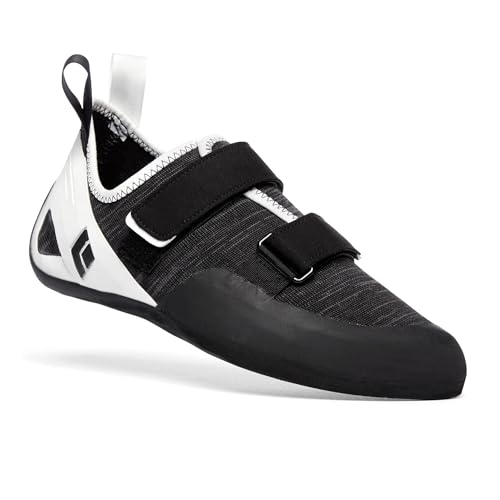
If you demand maximum sensitivity and extreme toe hooking capability on radical cave roofs, the SCARPA Drago Rock Climbing Shoes – Yellow – 9.5-10 offer unmatched precision with a soft microfiber chassis. For budget-conscious boulderers and climbers seeking comfortable all-day gym training, the BLACK DIAMOND Men’s Momentum Climbing Shoes deliver outstanding value with their breathable knit uppers.
Climbers transitioning from basic gym shoes to technical bouldering will appreciate the balanced support of the La Sportiva Mens Tarantula Boulder Climbing Shoe, which features an enhanced heel cup and protective toe rubber. Keeping your climbing gear well-organized at home is easy when you compare storage options in our underbed storage bin comparisons.
Frequently Asked Questions
How tight should Best Bouldering Climbing Shoes fit in 2026?
Bouldering shoes should fit snugly with your toes slightly curled against the front toe box, leaving zero dead space in the heel or arch. They should feel tight and secure without causing sharp pain or cutting off circulation. A proper performance fit maximizes edging power and tactile feedback on small holds.
Should I size down in leather versus synthetic bouldering shoes?
Yes, unlined leather shoes stretch up to a full size over time, requiring you to size down from your street shoe size. Synthetic microfiber shoes stretch very little, usually less than a quarter size, so you should buy them in your intended final performance fit. Always check the specific brand sizing charts before finalizing your purchase.
What is the difference between soft and stiff rubber for bouldering?
Soft rubber molds into gym volumes and rock textures, providing superior smearing grip and sensitivity on overhanging terrain. Stiff rubber provides a rigid edging platform that supports your foot muscles on tiny chips, though it offers less tactile feedback. Most indoor boulderers prefer softer compounds for better friction on large slopers.
Are aggressive downturned shoes necessary for indoor gym bouldering?
Aggressive downturns are not strictly necessary for beginner or intermediate grades, but they become highly beneficial on steep roofs and cave problems. Downturned shoes act like claws, pulling your lower body toward the wall on overhanging terrain. For slab and vertical walls, a moderate or neutral shoe is often more effective.
How long do Best Bouldering Climbing Shoes typically last?
A pair of bouldering shoes typically lasts between three and nine months of regular use, depending on your climbing frequency and footwork precision. Climbers who drag their toes against gritty gym walls wear through rubber outsoles much faster. Resoling the shoes before the rubber rand wears through extends the lifespan of the uppers significantly.
Can beginner climbers wear aggressive bouldering shoes?
Beginners can wear aggressive shoes, but doing so is generally uncomfortable and unnecessary while learning fundamental footwork mechanics. Stiffer, neutral shoes help new climbers build essential foot and calf strength without causing foot cramping. As your technique advances onto steeper boulder problems, transitioning to a moderate or aggressive model makes sense.
What makes a climbing shoe good for toe hooks and heel hooks?
Effective hooking shoes feature generous rubber coverage over the top of the toe box and a rigid, tensioned heel cup. The toe patch rubber grips volumes when pulling upward, while a snug heel prevents the shoe from sliding off during heavy heel hooks. High-friction rubber wraps around the entire heel counter for secure placement.
How do I prevent my climbing shoes from smelling bad after workouts?
Air out your climbing shoes immediately after sessions rather than leaving them zipped inside a dark gym bag. Using moisture-absorbing shoe deodorizer inserts and washing your feet before climbing helps prevent bacterial growth. You can consult our home care guides for additional tips on maintaining training equipment.
Is velcro or lace-up better for dedicated bouldering sessions?
Velcro closures are generally preferred for bouldering because they allow you to take off your tight shoes quickly between attempts. Lace-up shoes provide superior tension customization along the length of the foot, which benefits climbers with unusual foot shapes. However, undoing laces after every single boulder burn can feel tedious during fast-paced workouts.
How often should I resole my bouldering shoes?
You should send your shoes for resoling as soon as the outer sole rubber wears down to approximately one millimeter of thickness. Waiting until a hole appears in the structural rand rubber increases repair costs and damages the shoe shape. Resoling two to three times per upper is standard for well-maintained climbing shoes.






Write Your Review
No reviews yet. Be the first to share your experience!