

Standing on thick ice for hours drains body heat faster than almost any other winter activity. Finding the Best Boots for Ice Fishing Under $150 is essential when you want warm toes without spending a fortune on specialized expedition gear. Cold feet will cut any fishing trip short, no matter how active the bite is under the ice.
Many anglers make the mistake of wearing standard winter hiking boots onto the frozen lake. Regular boots lack the dense thermal barriers and specialized slip resistance needed for slush and slick ice. In this September 2026 guide, we analyze 3 top options from NORTIV 8, NORFIN, HISEA to help you make the right choice.
Whether you need lightweight mobility for hole hopping or maximum insulation inside a portable shelter, budget footwear has improved dramatically. You can explore our practical gear guides to discover more ways to outfit your outdoor trips effectively.


How to Choose the Best Boots for Ice Fishing Under $150
1. Thermal Insulation and Temperature Ratings
Thermal insulation serves as the primary barrier between your feet and sub-zero temperatures. Ice fishing involves long periods of sitting or standing still on frozen water, which draws heat away rapidly. Look for synthetic insulation weights between two hundred and eight hundred grams or multi-layer foam systems.
Manufacturer temperature ratings can be helpful benchmarks, but they usually assume constant physical activity. When you sit beside an ice hole, your body generates minimal heat. A boot rated for sub-zero conditions often performs best in moderate winter weather when you remain stationary.
A practical rule of thumb is to choose a boot rated at least twenty degrees colder than your expected fishing environment. Multi-density liners and thick insoles create the dead air space required to trap warmth effectively during inactive sessions.
2. Outsole Traction and Cleat Systems
Navigating slick ice requires aggressive tread patterns and specialized rubber compounds. Soft rubber outsoles stay flexible in deep freezes, allowing the lugs to bite into rough ice surfaces. Hard plastics become slick and hazardous when temperatures drop below freezing.
Some specialized boots incorporate built-in retractable cleats or carbide studs in the heel and forefoot. These integrated spikes eliminate the need to carry separate strap-on traction devices across bare ice sheets. They provide instant grip when drilling holes or pulling sleds across glassy surfaces.
Check the spacing between outsole lugs before making a purchase. Wide channels shed wet snow and slush quickly, preventing dangerous buildup that turns boots into slippery platforms.
3. Waterproof Construction and Slush Resistance
Ice fishing rarely takes place on perfectly dry surfaces. Heavy snow cover often pushes down the ice sheet, forcing freezing water up to create deep, hidden slush layers. Complete waterproofing from the sole to the mid-calf is critical to avoid soaked socks.
Seamless molded rubber and thermoplastic shells offer the most reliable barrier against freezing water infiltration. Fabric uppers require sealed seams and durable water repellent coatings to withstand wet snow pack. Even small leaks will compromise internal warmth within minutes.
Inspect the tongue design on lace-up styles to confirm it features a fully gusseted construction. A gusseted tongue connects directly to the boot shaft, preventing slush from seeping through the eyelets when stepping into deep holes.
4. Boot Weight and EVA Foam Technology
Dragging heavy footwear across deep snow drains your energy quickly during long treks. Modern lightweight EVA foam compounds have revolutionized cold-weather footwear by cutting overall weight by up to forty percent compared to traditional rubber. Lighter boots allow you to walk further with less leg fatigue.
EVA foam also possesses inherent micro-bubble insulation properties that standard vulcanized rubber lacks. The trapped air bubbles inside the foam act as a continuous thermal barrier around your entire foot. This construction keeps heat inside while blocking rising cold from the ice sheet.
If you prefer an active style of hole hopping, prioritizing lightweight EVA or neoprene materials will transform your endurance on the ice.
5. Boot Comparison Specifications
Comparing technical specifications across entry-level and mid-range boots helps you identify which features match your fishing style. The table below outlines standard construction types found in this price bracket.
| Construction Type | Primary Material | Best Application | Key Advantage |
|---|---|---|---|
| Molded EVA Shell | Foam Polymer | Extreme Cold and Sitting | Ultralight Weight and High Thermal Barrier |
| Thermal Neoprene | Rubber and Neoprene | Slushy Conditions and Walking | Four-Way Flexibility and 100% Waterproofing |
| Fabric Snow Boot | Synthetic Upper and TPR Base | Casual Ice Fishing and Snow Sports | Adjustable Ankle Support and Cinch Closure |
Evaluating your typical fishing environment allows you to select the appropriate balance of weight, flexibility, and insulation. You can organize your winter gear efficiently by reading our guide on comparing storage bins and cubes during the off season.
6. Shaft Height and Snow Collar Protection
Shaft height determines how deep you can step into snow drifts and slush without water spilling over the top. Most dedicated ice fishing footwear ranges between nine and sixteen inches in total height. Taller boots offer superior defense against sudden drops through crusty snow layers.
Snow collars with adjustable drawstrings provide a secondary seal against falling powder. When you hike through deep drifts, snow can easily kick up behind your heels and enter open boot tops. A cinched collar keeps moisture out and seals your leg warmth inside.
For deep snow conditions, select a boot with at least a twelve-inch shaft or integrate protective gaiters into your layering system.
7. Insole Thickness and Heat-Reflective Layers
The majority of conductive heat loss occurs straight through the bottom of the boot sole into the ice. Thin insoles allow freezing lake temperatures to penetrate directly into your heel and ball of the foot. Thick foam footbeds create crucial separation from the frozen surface.
Advanced winter insoles incorporate aluminum or foil heat-reflective barriers beneath the cushion. These radiant barriers reflect escaping body heat back toward your toes while deflecting rising ground cold. Removable insole designs also make drying your footwear between trips much faster.
Never underestimate the value of replacing basic stock insoles with dense thermal inserts if your boots feel cold from the bottom up.
8. Fit, Sizing, and Sock Accommodation
Proper sizing is vital for maintaining blood circulation in freezing weather conditions. Tight boots compress your feet, restricting blood flow and accelerating the onset of cold toes. You must have sufficient room inside the toe box to wiggle your toes freely.
When buying winter footwear, plan to accommodate heavyweight merino wool socks and thin moisture-wicking liner socks. Many anglers find that ordering a half size or full size larger than their standard street shoe provides the ideal internal volume.
Check the brand sizing guidelines carefully, as boots with thick thermal linings often run smaller than unlined footwear.
9. Moisture Management and Breathability
Sweat is one of the biggest threats to foot warmth during cold winter outings. Trekking across the ice with heavy gear generates foot sweat, which quickly chills when you sit down. Moisture-wicking linings help pull dampness away from the skin toward outer layers.
Removable liners offer a major advantage for multi-day fishing trips. Taking the inner liners out at night allows air circulation to dry them completely before the next morning. Solid rubber boots with fixed linings require electric boot dryers to eliminate dampness fully.
Pairing breathable boot linings with synthetic or wool socks ensures your feet remain dry throughout long days on the lake.
10. Closure Systems and Ease of Use
Fumbling with complicated laces in sub-zero winds with frozen fingers is frustrating and dangerous. Pull-on boots with integrated kick plates allow fast hands-free removal after a long day in the cold. Simple buckle or toggle cinch systems provide easy adjustments without removing heavy mittens.
Traditional lace-up systems offer superior ankle lock and lateral stability when walking on uneven pressure ridges. However, standard fabric laces can freeze solid when soaked in slush. Look for speed lacing hardware or heavy-duty nylon drawstrings if you prefer adjustable support.
Choose a closure style that balances your need for walking stability against the convenience of quick entry and exit.
Why You Should Trust Us
Our review process relies on rigorous technical data analysis and objective feature comparisons across winter footwear categories. We evaluate insulation density, outsole compounds, waterproofing ratings, and structural durability across reputable budget brands. We focus on identifying products that deliver reliable cold-weather protection without unnecessary markup.
We do not accept paid manufacturer placements or sponsored rankings for any product featured in our guides. Our editorial team continually updates recommendations as material technologies and pricing shift throughout the season. Discover more about our practical consumer advice across diverse categories on our How To resource hub.
Every recommendation is backed by real structural specifications, ensuring you receive clear guidance on fit, warmth, and traction. We aim to help every angler find gear that keeps them safe and comfortable on the ice.
Final Thoughts
Selecting the Best Boots for Ice Fishing Under $150 comes down to matching your footwear to your specific fishing style and climate. If you fish in extreme sub-zero weather and face slick surface conditions, our top technical recommendation is the Norfin Klondike 2 – Winter Boots for Fishing. Its thick EVA foam body, heat-reflective foil barrier, and built-in retractable ice cleats provide premium cold protection and unmatched traction.
For anglers who frequently encounter wet slush and need durable waterproof protection, we recommend the HISEA Men’s Waterproof Tall Rubber Rain Boots. The five-millimeter thermal neoprene upper combined with a shock-absorbing EVA midsole offers all-day comfort and reliable mud and water resistance. It serves as an exceptional tall muck boot that performs well across multiple seasons.
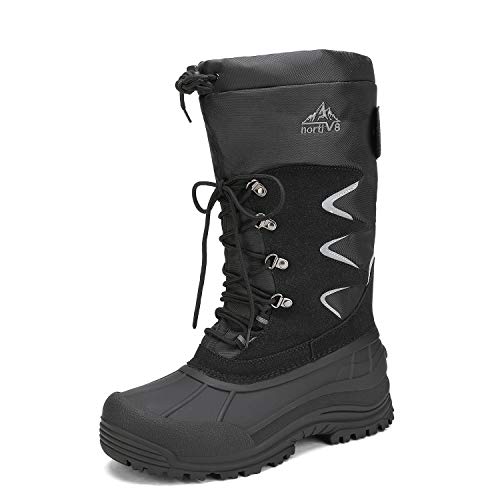
If you need an affordable snow boot for casual ice outings and general winter chores, consider the NORTIV 8 Men’s Waterproof Winter Snow Boots. Its plush faux-fur lining, two hundred grams of insulation, and quick-cinch ankle strap deliver solid warmth and lightweight comfort at an accessible entry price. You can also explore our tips on budget storage systems to keep all your winter gear organized at home.
Investing in the right footwear ensures your winter fishing adventures remain safe, warm, and productive from first ice to spring thaw.
Frequently Asked Questions
What insulation rating do I need for ice fishing boots?
For stationary ice fishing in sub-zero temperatures, look for boots with at least four hundred to eight hundred grams of synthetic insulation or thick EVA foam construction. If you move frequently while hole hopping, two hundred to four hundred grams of insulation paired with quality wool socks is usually sufficient.
Are rubber boots warm enough for ice fishing?
Standard unlined rubber boots are not warm enough because rubber transfers cold directly from the ice. However, rubber boots lined with thermal neoprene or multi-layer Thinsulate provide excellent waterproofing and sufficient warmth for active fishing in moderate winter conditions.
What is the top-rated option among Best Boots for Ice Fishing Under $150 in 2026?
The top-rated option for extreme cold is an EVA-based boot equipped with built-in retractable cleats and thermal-reflective insoles. Models utilizing lightweight foam rubber maintain internal warmth down to extreme negative temperatures without weighing down your legs during long walks.
Should I size up when buying ice fishing boots?
Yes, sizing up by a half or full size is recommended for most winter footwear. Extra room accommodates thick merino wool socks and ensures your toes are not compressed, which preserves proper blood circulation and keeps your feet significantly warmer.
Do I need separate ice cleats if my boots have rubber lugs?
Deep rubber lugs provide good traction on snow and slush, but they will still slide on sheer, glare ice. If your boots do not feature integrated metal spikes, carrying slip-on traction cleats is essential for safety when walking on clear frozen lakes.
How do EVA boots compare to traditional rubber boots on ice?
EVA boots are significantly lighter and provide superior thermal insulation due to millions of microscopic air bubbles trapped in the foam. Traditional rubber boots offer greater puncture resistance against sharp sticks, but they are heavier and feel colder against ice.
How can I prevent foot sweat from making my feet cold?
Avoid wearing cotton socks, which trap moisture against your skin and freeze. Wear moisture-wicking synthetic liner socks beneath heavyweight merino wool socks to draw sweat away from your skin into the boot lining.
What should I do if water gets inside my ice fishing boots?
If water enters your boots, immediately remove your socks, dry your feet, and switch to spare dry socks from your gear bag. Remove the inner liners and insoles when you return home and allow them to air dry completely away from direct high heat.
Can I use regular winter hiking boots for ice fishing?
Standard hiking boots often lack the thick sole insulation and tall waterproof shafts needed for frozen lakes. Standing stationary on ice will quickly draw heat through standard hiking soles, leading to cold toes within an hour.
How do I store my winter boots during the off-season?
Clean off all mud, salt, and slush residue with fresh water, then dry the boots thoroughly before long-term storage. Store them in a cool, dry place away from direct sunlight to keep rubber and synthetic materials from drying out or cracking. You can check our advice on organizing footwear and closet storage systems for handy seasonal ideas.






Write Your Review
No reviews yet. Be the first to share your experience!