A great vanity setup lives or dies by the chair in front of it. In a small bedroom or a corner nook, the wrong seat can eat up walking space, block a closet door, or simply look bulky next to a slim vanity table. The right one, on the other hand, tucks away neatly, moves easily, and still gives you the height and comfort you need for a full makeup routine. This guide walks through exactly how to choose a makeup chair that fits a tight footprint without sacrificing function.
Start With the Space, Not the Chair
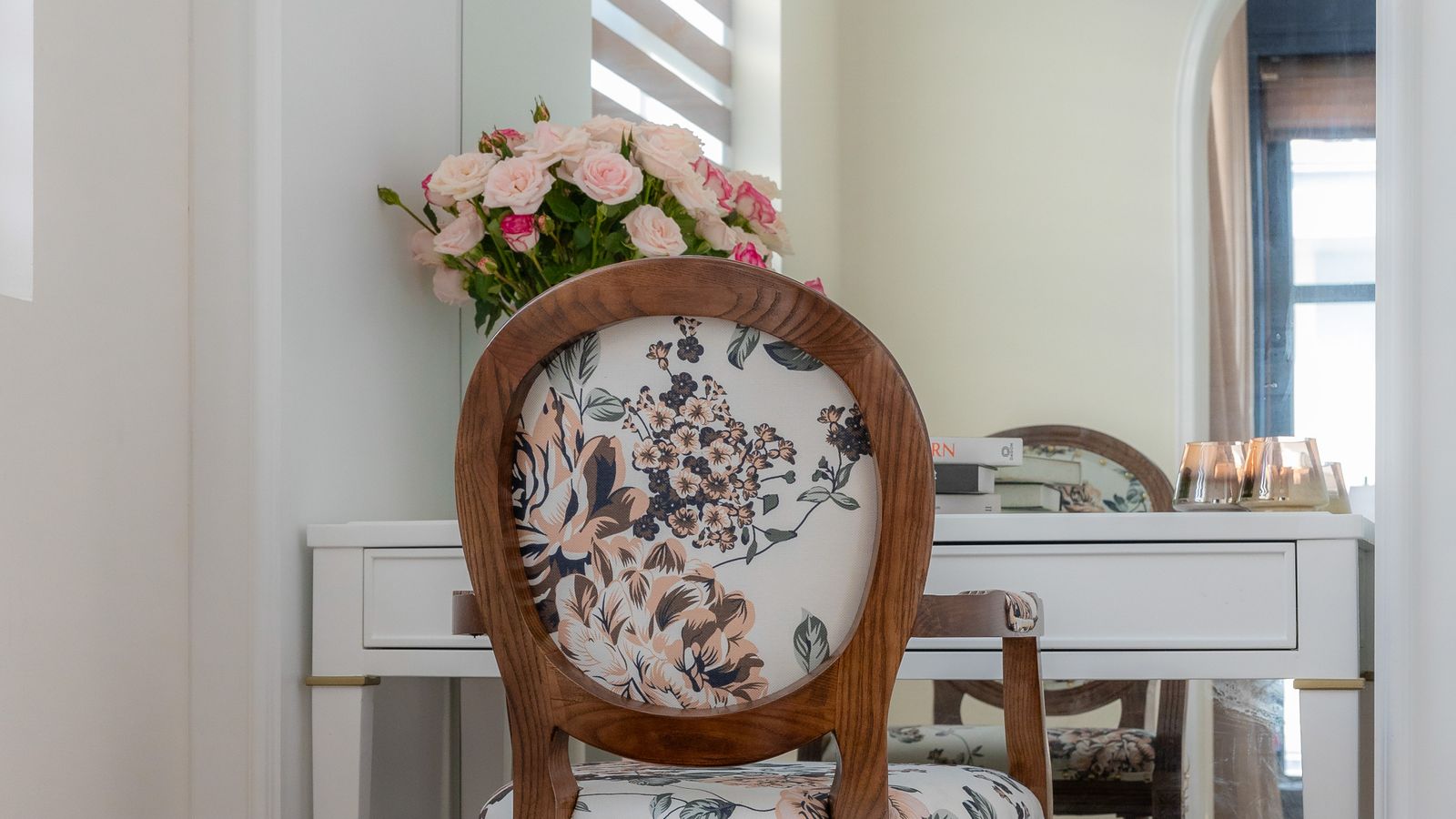
Before you look at a single product, measure the actual footprint you have available. Stand where the chair would go and note three things: the depth from the vanity edge to the nearest wall or bed frame, the width of the walking path beside it, and the ceiling or mirror height above the seat. Small-space shopping mistakes almost always come from skipping this step and falling in love with a chair that looks compact in a photo but measures 20 inches deep in real life.
A good rule of thumb: leave at least 24 to 30 inches of clearance behind the chair so you can pull it out and sit down comfortably. If your room is tighter than that, prioritize chairs that slide fully under the vanity table when not in use, since that reclaims the floor space entirely between uses.
Preparation: What to Have Ready Before You Shop
- A tape measure and painter’s tape to mark the chair’s footprint on the floor.
- The exact height of your vanity table’s underside (so the chair back or arms can slide beneath it).
- A note of your flooring type (hardwood, tile, carpet) since this affects whether you need felt pads or rolling casters.
- A rough budget range, since backless stools and small accent chairs vary widely in price.
- A sense of your daily routine length – a quick 5-minute touch-up needs less cushioning than a 30-minute full routine.
Step 1: Choose the Right Chair Style for a Small Footprint
- Backless vanity stools. These are the most space-efficient option because they slide completely under most vanity tables and have no arms to catch on walls or drawers. They work best for shorter routines where back support isn’t essential.
- Slim accent chairs with low backs. If you want more support, look for a low-profile back and narrow arms (or no arms at all). Choose one with a seat depth under 18 inches to keep it from jutting into the walkway.
- Folding or stackable chairs. For truly tiny spaces, a chair that folds flat or stacks in a closet when not in use gives you full comfort during use and zero footprint the rest of the time.
- Swivel stools on a small rolling base. These let you turn toward a closet or mirror without needing extra clearance to reposition the whole chair, which is especially useful in a cramped corner.
Step 2: Match the Height to Your Vanity
- Measure your vanity table’s height from the floor to the tabletop.
- Subtract about 10 to 12 inches – that’s roughly the comfortable seat height for most adults sitting at that surface.
- Look for chairs with that exact seat height, or choose an adjustable stool that can be raised or lowered to match.
- Sit test if possible: your elbows should rest comfortably at or slightly above the tabletop when seated.
Adjustable-height stools are particularly useful in small spaces because they let one chair serve multiple purposes – a slightly taller setting for makeup application, a lower one if you also use the seat as an extra perch elsewhere in the room.
Step 3: Prioritize Materials That Handle Tight Quarters
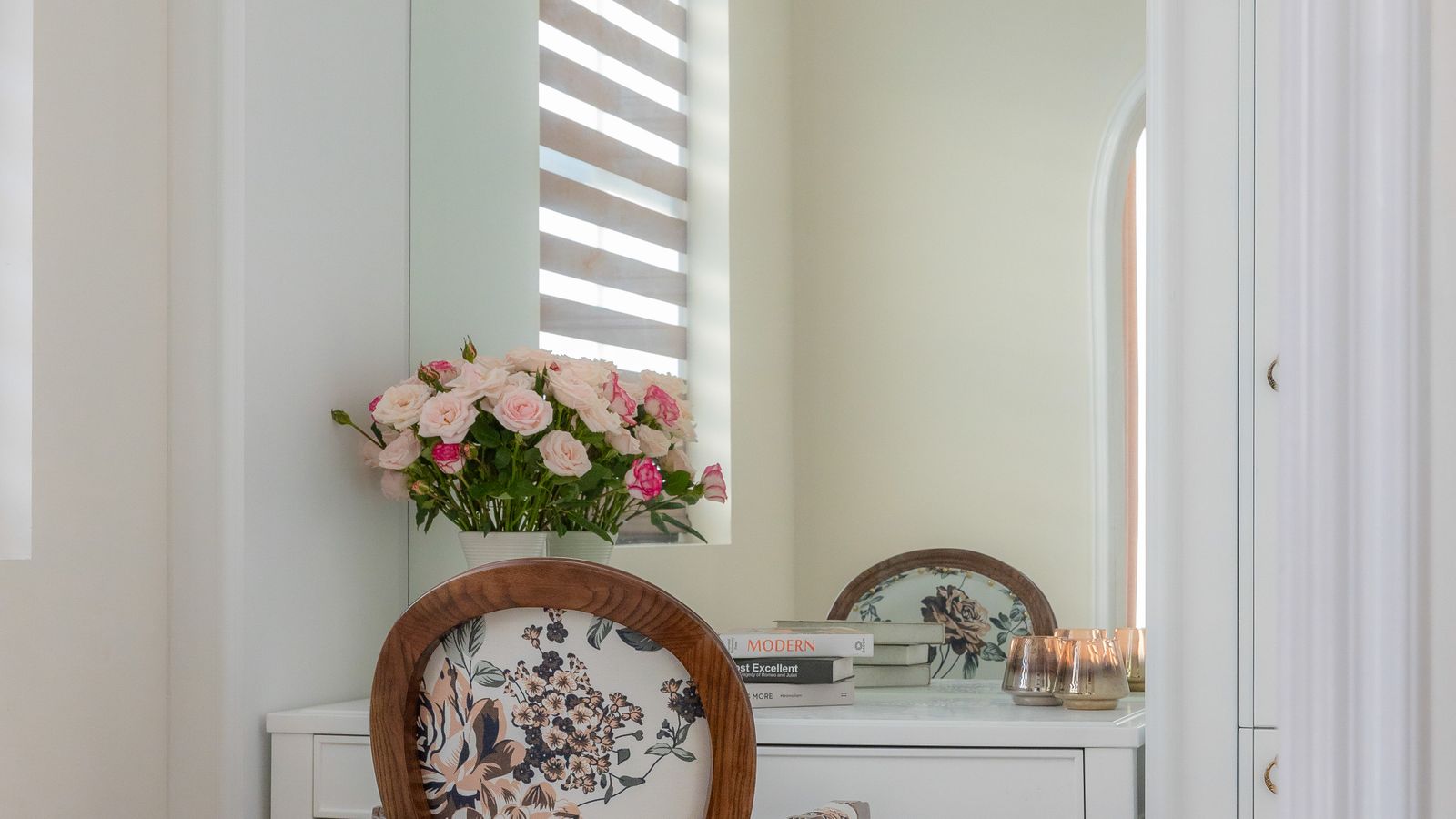
In a small room, every surface gets bumped into more often, so durability and easy cleaning matter more than they would in a spacious layout. Faux leather and vinyl upholstery wipe clean quickly if makeup or skincare products spill. Velvet and boucle look elegant but show wear faster in high-traffic corners. If your chair will double as a spot to toss a robe or towel between uses, a stain-resistant fabric will save you upkeep down the line.
For the frame, lightweight metal or molded acrylic legs are easier to move and reposition than heavy wood, which matters if you’ll be sliding the chair in and out daily. If you like the softness of a fully upholstered chair, look at examples among the Makeup Chairs that balance a plush seat with a slim, space-saving base.
Step 4: Think About Storage and Multi-Use Potential
Small spaces reward furniture that does double duty. Some vanity stools include a hidden storage compartment under the seat cushion, which is ideal for tucking away brushes, palettes, or hair tools without adding a separate organizer to the room. Others are designed with a low profile specifically so they can also serve as a bedside perch or an extra seat when guests visit.
If your bedroom already leans on flexible furniture, this is a good moment to think about how your seating choices work together. A room that uses convertible sofa beds for overnight guests, for instance, benefits from a vanity chair that’s just as easy to fold away or relocate when the space needs to shift function.
Step 5: Check Mobility and Footprint When Not in Use
- Confirm the chair either slides fully under the vanity or folds flat against a wall.
- If it has casters, make sure they lock or are firm enough not to roll on uneven flooring.
- Test how easily one person can lift or drag it – in a small room, you’ll be repositioning it often.
- Avoid chairs with wide splayed legs; straight or tapered legs take up less visual and physical space.
Comfort Without the Bulk
It’s tempting to assume a smaller chair means less comfort, but that’s not always true. Look for a seat with at least an inch or two of quality foam padding – thin, poorly padded seats are the main complaint with compact stools. A slightly curved or contoured seat pan can also add comfort without adding footprint, since the shape supports you rather than the size of the cushion. If back support matters for your routine, a low, curved backrest is usually enough for short sessions and still stays visually light in a small room.
Common Mistakes to Avoid
- Buying based on photos alone. Product images rarely convey true scale – always check listed dimensions against your own measurements.
- Ignoring seat height. A chair that’s too low or too high forces awkward posture during makeup application, even if it looks great.
- Choosing wide arms in a narrow nook. Arms add comfort but also width; skip them if your space is under 30 inches wide.
- Overlooking flooring type. Casters on carpet can feel sticky and unstable; felt-bottomed legs are often better for soft flooring.
- Forgetting about the chair when it’s not in use. If it can’t tuck away or fold flat, it will visually and physically crowd a small room all day, every day.
Quick Decision Checklist
- Does it slide fully under the vanity or fold away when not in use?
- Is the seat height within an inch or two of the ideal match for your table?
- Is the seat depth under 18 inches to avoid blocking the walkway?
- Is the upholstery easy to wipe down or spot-clean?
- Does it offer any built-in storage or double-duty use?
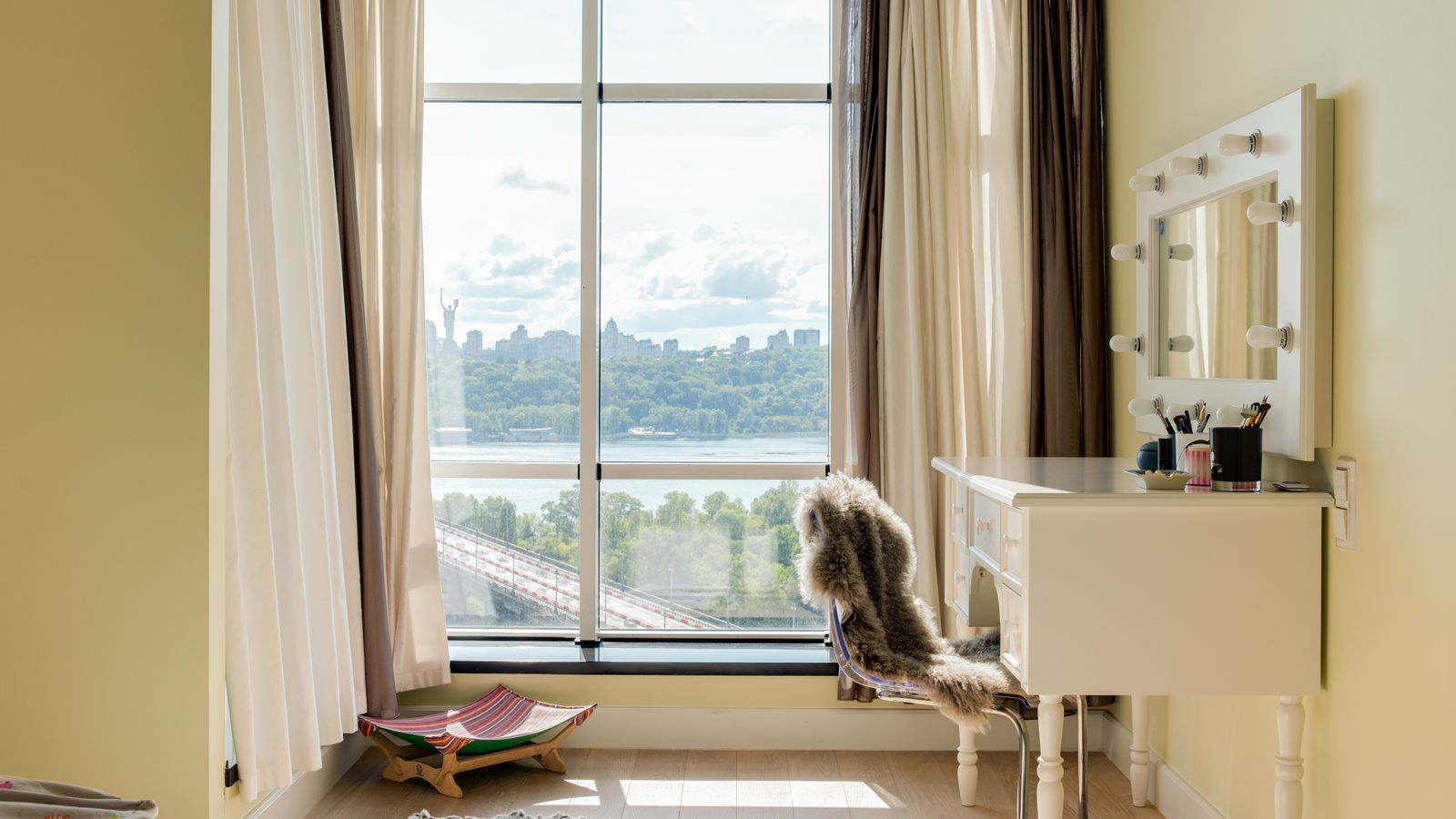
FAQ
What’s the best type of makeup chair for a very small bedroom?
A backless stool that slides completely under the vanity table is usually the most space-efficient choice, since it leaves the floor open when you’re not sitting there.
Should I choose a swivel chair for a tight vanity nook?
Yes, if you need to turn toward a closet or mirror without repositioning the whole chair. A swivel base on a small footprint gives you flexibility without requiring extra clearance.
How much clearance do I need behind a makeup chair?
Aim for at least 24 to 30 inches so you can pull the chair out and sit comfortably. If your space is tighter, prioritize a folding or fully tuck-under design.
Do backless stools work for long makeup routines?
They can, especially with a padded, contoured seat, but if your routine regularly runs 20 minutes or longer, a low-back option will likely feel more comfortable over time.
What material holds up best in a small, high-traffic corner?
Faux leather or vinyl tends to hold up well because it wipes clean easily and resists the wear that comes from a chair being moved in and out frequently.
Final Thoughts
Picking the best makeup chair for a small space comes down to matching three things precisely: the footprint you actually have, the height of your vanity, and how the chair behaves when it’s not in use. A chair that tucks away, sits at the right height, and wipes clean easily will serve you far better than one chosen purely for style. Take the time to measure first, and you’ll end up with a seat that makes your daily routine easier instead of making your room feel smaller.