A bedroom reading corner only works if the chair at its center actually invites you to sit down. Too many reading nooks end up as decorative afterthoughs – a pretty chair piled with laundry instead of a spot you use every night. Choosing the right reading chair means thinking beyond looks: you need proper back support, the correct seat height for your favorite reading position, upholstery that suits your room, and enough space around it to actually relax. This guide walks you through every decision point so you can build a corner you’ll want to sit in for hours, not just admire from the doorway.

Start With Your Reading Habits
Before you look at a single chair, think honestly about how you actually read. Do you curl up with your knees tucked underneath you, or do you sit upright with a book propped on a stand? Do you read for twenty minutes before bed, or lose an hour at a time on weekend mornings? Someone who reads for long stretches needs firmer lumbar support and a deeper seat, while someone who reads briefly before sleep might prioritize a softer, more relaxed silhouette. If you like to curl up sideways, look for a chair with a wide seat and a rounded arm you can rest your head against. If you always read with your feet up, factor in a matching ottoman or footstool from the start rather than adding one later.
Measure the Space Before You Shop
Reading corners tend to occupy awkward leftover space – a bay window, a corner beside a dresser, or a gap next to the bed. Measure the footprint carefully, including how far the chair will sit from the wall (most chairs need 6-8 inches of breathing room behind them) and how much clearance you need to walk past comfortably. Don’t forget vertical space either: a chair with a tall wingback profile can visually crowd a room with low ceilings, while a low-profile armchair might get lost next to a tall headboard. Bring painter’s tape and mark the chair’s footprint on the floor before buying – it’s the easiest way to avoid an expensive sizing mistake.
Prioritize Real Back and Neck Support
Comfort in a reading chair comes down almost entirely to support, not softness. A chair that looks plush in a showroom can leave your lower back aching after thirty minutes if the cushion has no structure. Look for a seat back with a slight recline (100-110 degrees is a comfortable range for reading) and built-in lumbar curve, or plan to add a lumbar pillow. High-back and wingback styles naturally cradle your head and neck, which matters if you tend to nod off mid-chapter. If you’re shopping in person, sit in the chair for at least five minutes in your actual reading position – not just perched on the edge – before deciding it’s comfortable.
Choose the Right Seat Height and Depth
Seat height affects how easily you get in and out of the chair, and seat depth determines whether your feet can rest flat on the floor. A standard armchair seat sits around 17-19 inches high; anything much lower can feel awkward to rise from repeatedly through the evening. Seat depth matters just as much – a deep seat is wonderful for curling up but can leave shorter readers unable to use the backrest properly. If you’re petite, look for chairs advertised as “petite” or “apartment size,” which typically have a shallower seat depth of 20-22 inches versus the standard 22-24 inches.

Pick an Upholstery That Fits Bedroom Life
Bedroom furniture gets less traffic than a living room sofa, but it still faces lotion-covered hands, the occasional spilled tea, and pet hair if your cat claims the chair as its own. Performance fabrics and tightly woven cottons resist stains well and are easy to spot-clean. Velvet adds a soft, cozy look that suits a reading nook, though it shows watermarks more easily and needs occasional brushing. Leather and faux leather are the most durable and wipe clean instantly, but they can feel cold against skin in an unheated bedroom during winter. Whatever you choose, check the fabric’s rub count (a durability rating) if it’s listed – anything above 15,000 double rubs holds up well to daily use.
Match the Chair Style to Your Bedroom
A reading chair doesn’t need to match your other furniture exactly, but it should feel intentional rather than random. In a traditional bedroom, a wingback or tufted roll-arm chair reinforces the classic look. In a minimalist or modern room, a slipper chair or a slim accent chair with exposed wood legs keeps the silhouette light and avoids visual clutter. For small bedrooms, a swivel accent chair is a smart pick – it lets you angle toward natural light during the day and toward a lamp at night without repositioning the whole chair. Whichever direction you lean, pulling colors or textures from your bedding or curtains helps the chair feel like part of the room rather than an add-on.
Get the Lighting Right
Even the best chair falls flat without proper lighting. Overhead bedroom lighting is almost always too dim or too harsh for reading, so plan for a dedicated light source positioned over your shoulder. A floor lamp with an adjustable arm lets you angle light exactly onto the page without glare, while a swing-arm wall sconce saves floor space if your corner is tight. Aim for warm white bulbs (around 2700-3000K) rather than cool white, since cooler light can feel clinical in a bedroom setting and make it harder to wind down before sleep.
Add the Small Details That Make It Work
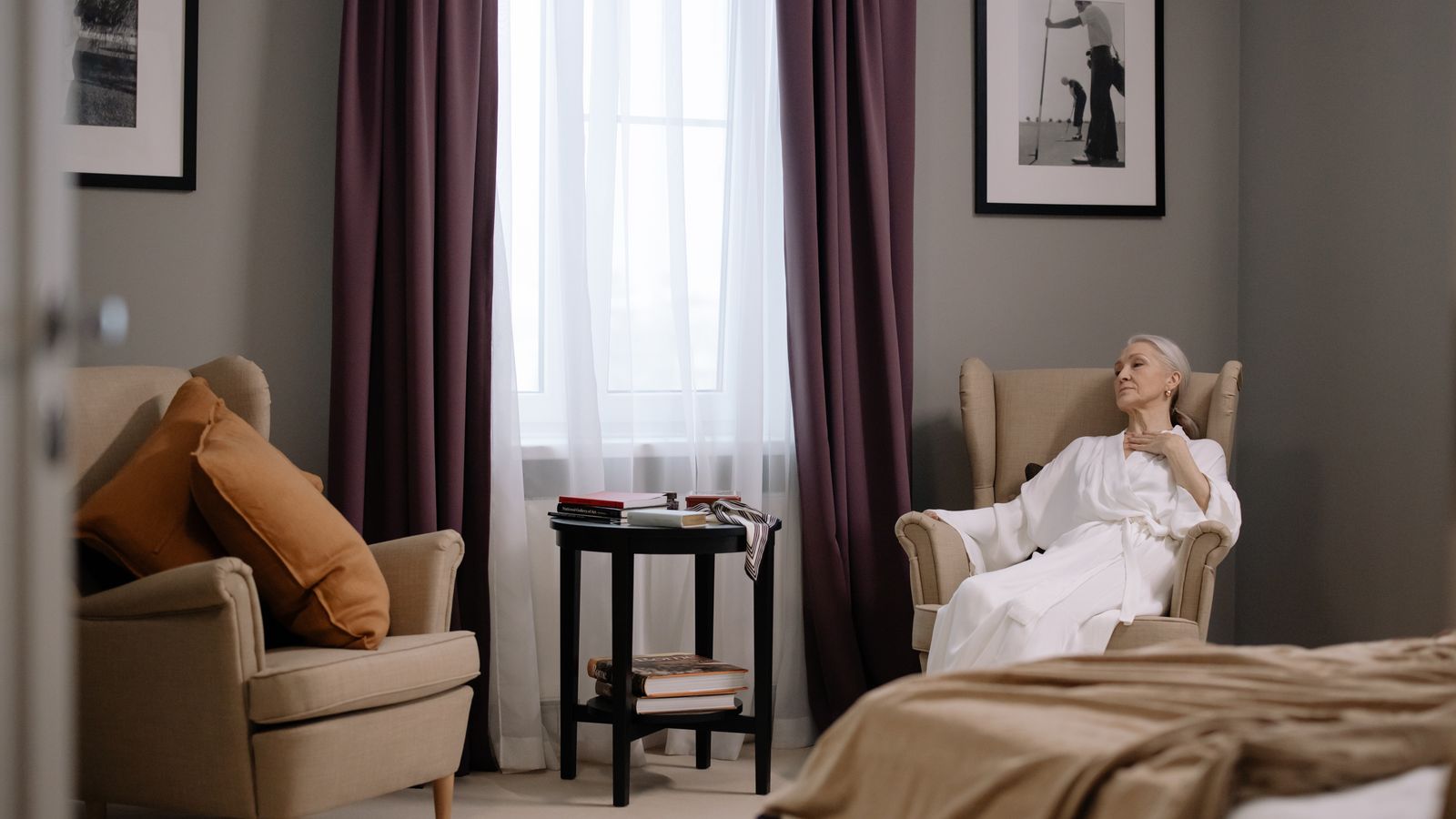
A reading chair rarely functions alone – it needs a small support cast. A side table within arm’s reach holds your book, glasses, and a mug of tea without forcing you to get up. A soft throw blanket draped over the arm adds warmth on cooler nights. If your chair doesn’t recline, a low ottoman or pouf gives your feet somewhere to rest. Consider a small basket or shelf nearby for the books you’re currently working through, so your nightstand doesn’t end up as the default storage spot. These details are inexpensive, but they’re often what turns a chair into a genuine daily habit rather than a piece you glance at occasionally.
Set a Realistic Budget
Reading chairs span a huge price range, and the right budget depends on how often you’ll actually use it. If you read nightly, investing in a higher-quality frame with better cushion fill (down-wrapped foam holds its shape far longer than basic polyfoam) pays off within a year or two. If the chair is more occasional, a mid-range option with a solid hardwood frame and a five-year warranty is usually plenty. Watch for hidden costs too – some chairs ship without a matching ottoman, and swivel or rocking mechanisms often add to the price. For curated options across styles and price points, browsing a list of Reading Chairs can help you compare what’s actually available before you commit to a budget.
Common Mistakes to Avoid
- Choosing style over support: A beautiful chair you can’t sit in for more than ten minutes defeats the purpose of a reading corner.
- Skipping the measuring step: An oversized chair can make a small bedroom feel cramped and block walkways.
- Forgetting the lighting plan: Even a perfect chair goes unused if the corner is too dim to read comfortably.
- Ignoring fabric durability: Delicate fabrics in a bedroom setting can wear out faster than expected with regular use, lotion, and pets.
- Not testing the seat depth: A seat that’s too deep leaves your back unsupported, while one that’s too shallow feels cramped for lounging.
Building Out the Full Nook
Once your chair is chosen, think about how the rest of the corner supports it. A small area rug underneath anchors the space and adds warmth underfoot. If you want a daybed-style option for lounging with a book instead of a traditional armchair, layering it with soft, easy-care throws makes a big difference in both comfort and upkeep – a set of well-chosen daybed covers can protect the cushion while adding texture to the nook. If you’re starting from scratch and want a coordinated look rather than piecing furniture together separately, it can be worth browsing complete best reading nook sets that pair a chair, table, and storage in one cohesive package.
Frequently Asked Questions
What size chair works best for a small bedroom?
Look for a slipper chair or petite armchair with a seat depth under 22 inches and slim, exposed legs. These take up less visual and physical space while still offering a comfortable place to sit.
Do I need a recliner for a reading chair?
Not necessarily. A slight recline (100-110 degrees) with good lumbar support is usually enough for reading. A full recliner is comfortable but takes up significantly more floor space, which can be a problem in tighter bedrooms.
What’s the best fabric for a bedroom reading chair?
Performance fabrics and tightly woven cotton blends offer the best mix of comfort, softness, and stain resistance for everyday bedroom use. Velvet is a cozy alternative if you’re willing to spot-clean occasionally.
Should the reading chair match my bedding?
It doesn’t need to match exactly, but pulling one or two colors or textures from your bedding or curtains helps the chair feel intentional rather than mismatched with the rest of the room.
Final Thoughts
The right bedroom reading chair comes down to matching real support and proportions to how you actually read, not just picking the prettiest option in a catalog. Measure your space, prioritize back and neck support, choose upholstery suited to bedroom life, and don’t skip the lighting plan – these are the details that determine whether your reading corner becomes a daily ritual or an unused decoration. Take your time testing seat height and depth in person if you can, and build out the small supporting details afterward. Done right, a well-chosen reading chair can turn even a small bedroom corner into the most-used spot in the house.