Building a smart bed linen rotation starts with picking sheets that actually earn their spot in the closet. Microfiber sheets are a popular choice because they’re affordable, wrinkle-resistant, and easy to care for, but not every microfiber sheet set performs the same way. Some feel silky and breathable, while others feel plasticky and trap heat. If you’re trying to figure out which microfiber sheets deserve a place in your rotation, this guide walks you through everything from fabric weight to fit to washing habits, so you can build a rotation that stays comfortable, durable, and easy to maintain year-round.

Why Microfiber Sheets Work Well in a Rotation
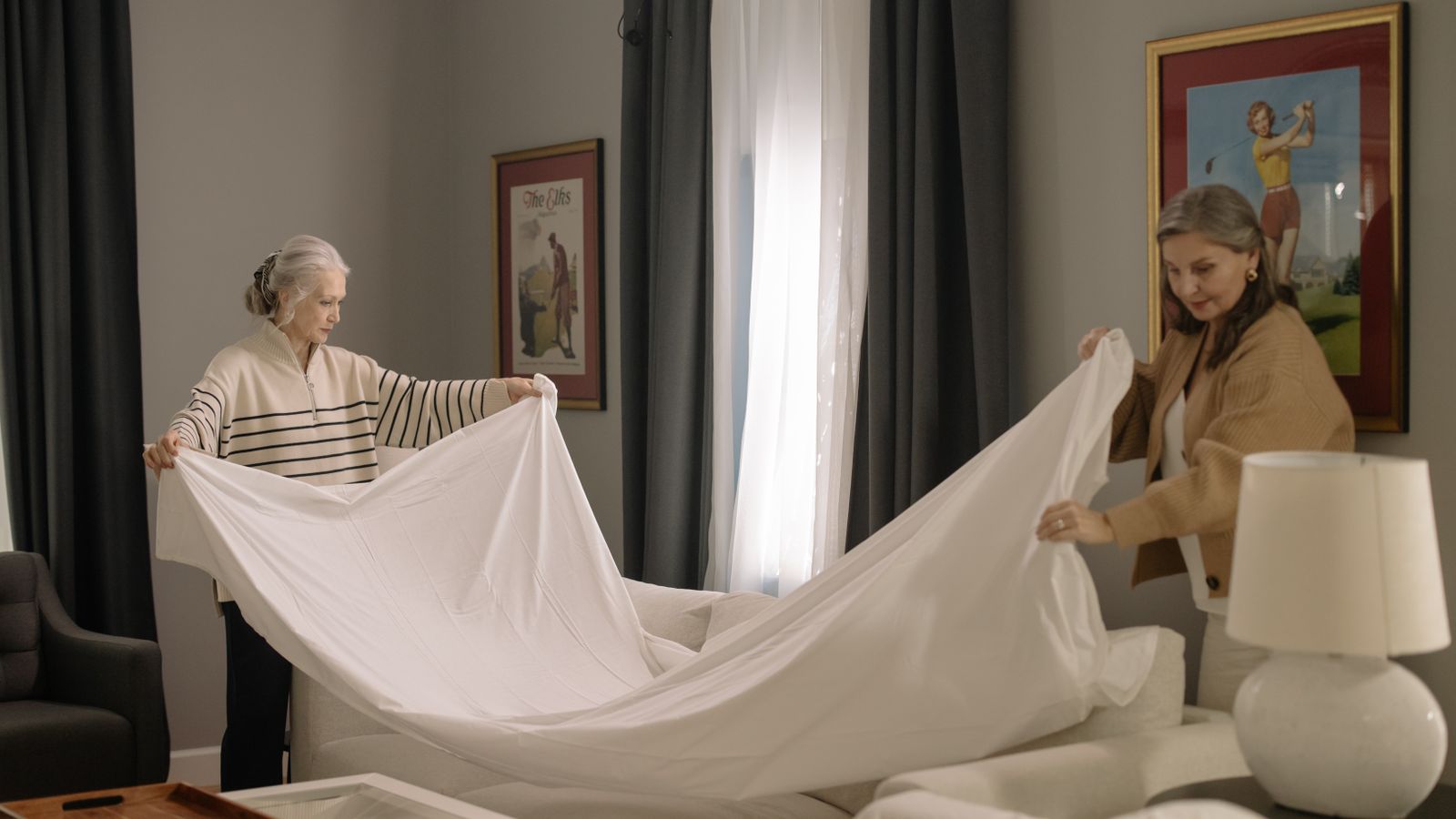
A linen rotation typically means having two or three sheet sets in circulation so one is always clean while another is on the bed and a third is drying or being stored. Microfiber sheets are especially well-suited to this system because they dry faster than cotton, resist wrinkling so they don’t need much ironing, and hold up to frequent washing without pilling as quickly as cheaper polyester blends. Their lower price point also makes it easier to justify buying multiple sets, which is the whole point of a rotation in the first place.
That said, microfiber isn’t a single fabric – it’s a category that includes a wide range of quality levels. Understanding what separates a great microfiber sheet from a mediocre one will save you from buying sets that pill, pull, or feel clammy within a few months.
Understand What “Microfiber” Actually Means
Microfiber sheets are made from ultra-fine synthetic fibers, usually polyester or a polyester-nylon blend, woven tightly enough that individual fibers are thinner than a strand of silk. This tight weave is what gives microfiber its soft hand-feel, resistance to wrinkles, and relatively low price compared to cotton sateen or linen. The tradeoff is breathability: because the fibers are synthetic, microfiber sheets don’t wick moisture as effectively as natural fibers, which is why fabric weight and weave matter so much when you’re shopping.
Check the GSM (Grams Per Square Meter)
GSM measures fabric density and is one of the best indicators of microfiber sheet quality. Lower GSM sheets, typically in the 90-120 range, feel thin and are prone to pilling faster. Mid-range sheets around 120-150 GSM strike a good balance of softness and durability for everyday rotation use. Higher GSM sheets above 150 feel plush and hotel-like but can trap more heat, which matters if you sleep warm. When comparing sets, always look for the GSM listed in the product description rather than relying on marketing terms like “luxury” or “premium,” which aren’t standardized.
Consider the Weave Type
Microfiber sheets come in a few common weave styles, and each affects how the sheet feels and performs:
- Brushed microfiber: The most common type, brushed on one or both sides for a soft, slightly fuzzy texture. Warm and cozy, ideal for cooler climates or winter rotation sets.
- Microfiber sateen: Woven to mimic the silky sheen of cotton sateen, with a smoother and cooler feel than brushed versions. A good pick for year-round use.
- Cooling or moisture-wicking microfiber: Treated or blended fibers designed to pull heat and moisture away from the body. Worth prioritizing if you tend to sleep hot.
Mixing weave types across your rotation isn’t a bad idea – a brushed set for winter and a sateen or cooling set for summer gives you comfort options as seasons change.
Match the Fit to Your Mattress
Fit issues are one of the most common complaints with budget microfiber sheets, especially fitted sheets that pop off the corners overnight. Before buying, measure your mattress depth, including any mattress topper or pad, and compare it to the pocket depth listed for the sheet set. Deep-pocket options generally accommodate mattresses up to 16-18 inches, while extra-deep pockets go higher. Look for sheets with reinforced elastic all the way around the fitted sheet rather than just at the corners, since all-around elastic holds much better through repeated washing and stretching.
Look for Durability Signals Before You Buy
Since microfiber sheets go through frequent wash cycles as part of a rotation, durability matters more than it might for a set you only use occasionally. A few signals to check before purchasing:
- Read reviews specifically mentioning pilling after multiple washes, not just first impressions out of the package.
- Check the stitching along hems and elastic bands for even, tight seams rather than loose or uneven threads.
- Favor double-brushed microfiber over single-brushed, since the extra brushing process tends to reduce pilling over time.
- Confirm the thread count or GSM is listed rather than vague, since unlisted numbers often mean lower quality.
Plan Your Rotation Size and Timing
Most households do well with two to three microfiber sheet sets per bed. Two sets work if you’re comfortable washing sheets weekly and don’t mind a quick same-day turnaround. Three sets give you more breathing room, letting one dry fully or sit in storage while another is in use. If you have allergies, pets, or young kids in the house, leaning toward three sets reduces how often you need to do laundry on a tight schedule. Staggering purchase dates slightly also means your sheets won’t all wear out and need replacing at the exact same time.
Washing and Care Tips That Extend Lifespan
Microfiber holds up best with a few simple care habits:
- Wash in cold or warm water, never hot, since high heat can break down synthetic fibers and cause pilling.
- Skip fabric softener, which coats microfiber fibers and reduces their softness and moisture-wicking ability over time.
- Use a low or medium tumble-dry setting, or line-dry when possible, and remove promptly to avoid setting wrinkles.
- Wash sheets separately from towels or heavier items that create friction and increase pilling.
Following these steps consistently across your entire rotation keeps every set performing closer to new for much longer.
Storage Between Rotations
How you store sheets between uses affects both freshness and space efficiency. Fold sheet sets together, tucking pillowcases and the flat sheet inside the fitted sheet to keep sets from getting separated in a drawer. If closet space is tight, storing folded microfiber sheets in a fabric bin or organizer keeps your rotation tidy and easy to grab from. For seasonal sets you’re not using right now, a set of comforter storage bags designed for bedding can also work well to keep off-season microfiber sheets protected from dust and moisture until you swap them back in.
Budget vs. Premium Microfiber: What’s Worth Paying For
Budget microfiber sheet sets, often priced well under mid-range cotton options, are a reasonable choice if you’re building out a rotation for a guest room or a growing kid’s bed where frequent washing and eventual replacement are expected. For a primary bedroom where you sleep every night, spending a bit more for higher GSM, double-brushed construction, and reinforced elastic pays off in comfort and longevity. A good middle-ground strategy is to buy one higher-quality set for daily use and fill out the rest of the rotation with more affordable options for backup and guest use.
Common Mistakes to Avoid
A few missteps show up repeatedly when people build a microfiber rotation:
- Buying all sets from the same low-GSM line, which means the whole rotation wears out and pills around the same time.
- Ignoring pocket depth and ending up with fitted sheets that constantly slip off the mattress corners.
- Washing in hot water or with fabric softener, both of which shorten the lifespan of synthetic fibers.
- Storing damp sheets in a closed bin, which can lead to musty odors or mildew over time.
Complete Your Bedding Setup
Once your microfiber sheet rotation is dialed in, it’s worth thinking about the rest of your bedding storage system. A set of blanket baskets keeps extra throws and off-rotation blankets organized and easy to access near the bed, rather than cluttering up closet shelves. If you’re still shopping for your first sets or want to compare options side by side, a roundup of microfiber sheets is a useful starting point for seeing how different brands stack up on softness, durability, and price.
Frequently Asked Questions
How many microfiber sheet sets do I need for a good rotation?
Two sets work for weekly washing, but three sets give more flexibility for drying time and unexpected messes without falling behind on laundry.
Do microfiber sheets sleep hot?
Standard brushed microfiber can trap more heat than cotton, but cooling or moisture-wicking microfiber blends are designed to address this and are worth choosing if you sleep warm.
How often should I replace microfiber sheets?
With proper care, most microfiber sheets last one to two years of regular rotation use before pilling or thinning becomes noticeable enough to replace.
Can I mix microfiber sheets with other fabric types in my rotation?
Yes, many households mix microfiber with cotton or linen sets seasonally, using breathable natural fibers in summer and warmer microfiber in colder months.
Final Thoughts
Choosing the right microfiber sheets for your bed linen rotation comes down to paying attention to GSM, weave type, fit, and care habits rather than just picking the cheapest set on the shelf. A well-planned rotation of two to three quality sets, paired with proper washing and storage, keeps your bed comfortable and your laundry routine manageable all year. Take the time to compare a few options before committing to a full rotation, and your sheets will reward you with softness and durability that lasts.