

Working aloft requires footwear that delivers uncompromising grip on slippery bark, robust ankle support during awkward limb walks, and rigid footplate stability when standing in climbing spurs for hours. Wearing standard construction boots into the canopy often leads to painful arch strain, inadequate friction on smooth limbs, and premature boot blowouts from coarse tree bark.
Modern arborists face distinct challenges depending on whether they primarily use moving rope systems, stationary rope systems, or classic climbing gaffs. Our updated 2026 analysis breaks down 5 top options across leading brands like Carolina, Georgia Boot, Arbpro and more to help you match your footwear to your exact climbing discipline. You can also explore our general expert footwear guides to learn more about workplace safety standards.
We evaluated sole stiffness, toe box protection, waterproof membranes, and heel profiles to identify which models genuinely perform in the canopy. Whether you are pruning residential hardwoods in wet conditions or running heavy removals with spurs, this guide will help you select the ideal pair for safety and comfort.



Key Factors When Choosing the Best Work Boots for Tree Climbing
Selecting footwear for tree work requires balancing conflicting performance needs. A boot must be stiff enough to prevent foot fatigue in spurs, yet flexible enough to allow natural ankle movement when maneuvering through dense branch unions.
1. Outsole Traction and Climbing Zones
Traction in the canopy differs significantly from ground-level slip resistance. Deep, aggressive lugs work well on soft soil and thick, furrowed bark, but they can catch awkwardly on crotches or footloops. Dedicated arborist soles often feature a flattened climbing zone near the toe for precision edging on smooth, wet wood.
Vibram and proprietary high-friction rubber compounds provide superior stickiness on slick birch, beech, and mossy branches. When comparing outsoles, inspect the tread spacing and compound softness. Softer rubbers grab bark exceptionally well, while harder rubber compounds last longer during ground cleanup and drag operations.
A practical rule of thumb is to choose multi-directional lug patterns if you split time equally between climbing and ground rigging. If you spend most of your day in the canopy doing fine pruning, prioritize a low-profile outsole with a dedicated front climbing zone for better tactile feedback.
2. Shank Rigidity and Midsole Support
The internal shank of a climbing boot acts as the structural spine that distributes your body weight across the entire sole. Without adequate shank support, the narrow metal stirrup of a climbing spur or the pressure of a foot ascender will press directly into your plantar fascia, creating debilitating foot pain within an hour.
Traditional logger boots utilize heavy-duty triple-rib steel shanks that provide an unyielding platform for gaffs. Conversely, modern technical climbing boots incorporate semi-rigid composite or nylon shanks that offer arch support while allowing subtle torsional flex during footlocking and branch walking.
To determine the right stiffness for your needs, evaluate your primary climbing method. Climbers who spend full days on spikes require a steel or rigid composite shank, whereas canopy climbers using rope-walking techniques benefit from semi-rigid midsoles that flex slightly at the metatarsal joint.
3. Heel Profile and Spur Compatibility
The shape and depth of a boot heel determine how securely climbing gaffs and spur stirrups stay in position. A distinct, right-angled heel breast prevents spur stirrups from sliding backward toward the arch or slipping off entirely during rigorous ascents.
Classic logger styles feature a tall, pronounced heel that locks climbing irons securely in place. Technical arborist shoes feature lower-profile heels designed for agility, which require stirrups with precise strap positioning to avoid slippage.
Always verify that your climbing irons match the heel profile of your footwear before ascending. If your work involves extensive crane removals and gaff work, prioritize footwear with a deep, defined 90-degree heel breast for maximum mechanical stability.
4. Upper Construction and Scuff Protection
Tree bark acts like coarse sandpaper against footwear, quickly chewing through standard textile stitching and thin synthetic uppers. Robust 2.0 mm to 2.8 mm full-grain leather uppers offer the highest natural resistance to rough oak and pine trunks.
High-end climbing models often add a full 360-degree rubber rand around the lower perimeter of the boot. This protective rubber buffer shields vulnerable leather seams from constant abrasion against bark and climbing hardware, significantly extending the operational lifespan of the footwear.
When shopping, inspect the stitching around the toe box and side panels. Look for recessed or double-stitched seams that will not fray when repeatedly wedged into tight branch crotches. Quality leather care products will further protect the material from sap and moisture degradation.
5. Toe Protection Standards
Toe safety is essential when handling heavy rigging lines, logs, and chainsaws on the ground and in the bucket. Safety toes guard against falling limbs, equipment drops, and crushing forces in industrial forestry settings.
Steel toe caps offer proven impact protection and meet rigorous ASTM safety standards, but they add noticeable weight to your feet during long ascents. Composite toe caps provide similar impact ratings while remaining significantly lighter and offering superior thermal insulation in freezing winter temperatures.
Consider your daily duties when choosing between safety toe materials. If you spend long hours climbing and rope walking, lightweight composite caps reduce leg fatigue, whereas steel caps provide maximum crush resistance for high-impact ground removals.
6. Ankle Support versus Articulation
Tree care requires balancing lateral ankle stability with forward flexibility. High-top 8-inch boots offer rigid lateral support that prevents painful ankle rolls when standing on uneven, angled branches or carrying heavy loads across uneven terrain.
However, an overly stiff ankle collar can restrict forward dorsiflexion, making it difficult to crouch on limbs or maintain comfortable body positioning during work positioning. Padded collars and articulated ankle hinges allow natural joint movement without sacrificing structural protection.
If you have a history of ankle injuries or frequently navigate steep hillside terrain, an 8-inch boot with a secure lacing system is the safest choice. Climbers prioritizing extreme dexterity in large canopy crowns often favor specialized mid-cut designs.
7. Waterproofing and Climate Control
Working in wet canopies, morning dew, and sudden downpours can quickly saturate footwear, leading to uncomfortable blisters and cold feet. Integrated waterproof membranes prevent moisture ingress while allowing internal perspiration vapors to escape through breathable textile layers.
Keep in mind that full leather boots also benefit from regular conditioning with waterproofing waxes to prevent the leather from absorbing water weight. In warmer climates, unlined or highly breathable membranes help keep your feet cool during strenuous summer workdays.
For wet environments, ensure the boot tongue is fully gusseted up to the top eyelets. A gusseted tongue prevents water, wood chips, and loose sawdust from entering the interior of the boot during cutting operations.
8. Rope Ascender and Footlocking Compatibility
Climbers utilizing stationary rope systems or mechanical foot ascenders like knee ascenders and foot ascenders need boots with slim, uncluttered profiles. Bulky external eyelets and wide outsoles can snag on climbing lines and mechanical devices.
Dedicated canopy boots frequently include built-in webbing attachment loops for knee ascender bungees or foot loops. These integrated anchor points eliminate the need for makeshift accessory straps around the boot midsole, streamlining your climb setup.
If you regularly practice footlocking or SRT climbing, choose footwear with a streamlined toe profile and smooth hardware. Review our tree care and gear guides to ensure your climbing hardware interfaces cleanly with your selected footwear.
Comparison of Climbing Boot Categories
The table below summarizes the key differences between traditional logger boots and modern technical arborist footwear to help you match your daily climbing demands.
| Feature | Traditional Logger Boots | Technical Arborist Boots |
|---|---|---|
| Primary Use | Spur climbing, heavy removals, ground cutting | Canopy pruning, SRT/MRS rope work, competitions |
| Heel Design | Tall, pronounced 90-degree heel breast | Low profile, contoured heel with edging zones |
| Shank Type | Triple-rib steel shank for extreme rigidity | Semi-rigid composite or fiberglass shank |
| Upper Profile | 8-inch tall heavy leather with speed hooks | Mid-cut low-profile leather with 360 rand |
| Weight Profile | Heavier, maximum impact and crush defense | Lightweight, optimized for canopy agility |
Why You Should Trust Us
Our review process relies on rigorous technical analysis of footwear engineering, material specifications, and real-world arborist requirements. We carefully evaluate leather thickness, shank composition, outsole rubber friction ratings, and certified impact standards across established manufacturers.
Rather than relying on marketing claims, we assess verified user performance data, build quality metrics, and brand reliability across different forestry environments. We track long-term durability reports to understand how each boot holds up against sap, bark friction, and moisture exposure over time.
Our comparisons are updated continuously to reflect new manufacturing standards and design improvements. We maintain strict editorial independence to ensure every recommendation provides genuine practical value for professional tree care workers.
Final Thoughts
For dedicated canopy climbers who prioritize agility and modern rope-walking efficiency, Arbpro mens EVO 2 Climbing Arborists represents the standout technical pick. Its Vibram climbing zone sole, integrated ascender attachment loop, and flexible semi-rigid midsole deliver unmatched performance on branch walks and ascent systems.
If you need dependable protection for heavy removals and spur climbing without overspending, SUREWAY Men’s 8″ Waterproof Steel-Toe Logger Work delivers exceptional value. Its rugged Goodyear welt construction, steel shank, and ASTM-certified steel toe provide the stability required for demanding forestry tasks.
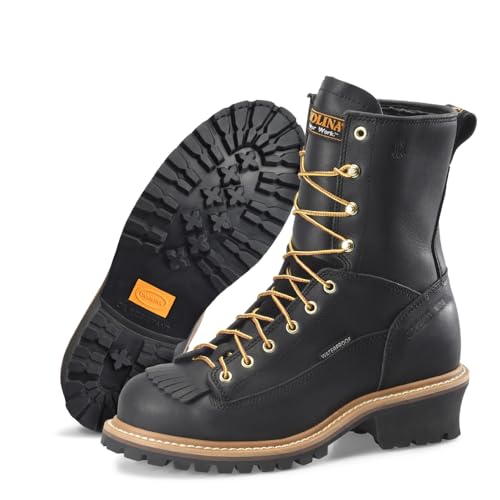
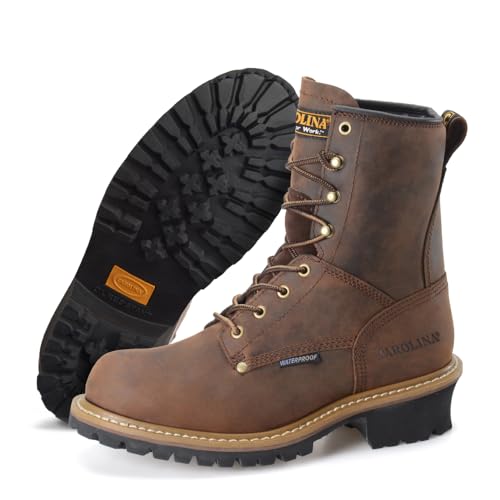
For arborists who require traditional logger durability and all-day comfort on spurs, Carolina 8″ Steel Toe Logger Boots for Men, Black and Carolina 8″ Steel Toe Logger Boots for Men provide heavy-duty steel shank support, waterproof membranes, and protective memory foam footbeds. For general outdoor utility, Georgia Boot Steel Toe Waterproof Logger Boot remains a time-tested chocolate leather favorite.
Frequently Asked Questions
What makes the Best Work Boots for Tree Climbing different from regular work boots?
Climbing boots feature specialized outsoles with sticky rubber compounds, reinforced steel or composite shanks for spur support, and abrasion-resistant rands. These features prevent foot fatigue and maintain traction on slick, rounded bark surfaces aloft.
Are steel toe boots safe for tree climbing?
Steel toe boots provide essential protection against falling limbs, rigging hardware, and ground equipment. While they add slight weight compared to soft-toe or composite models, modern designs distribute weight effectively for balanced climbing comfort.
Should I choose logger boots or technical arborist boots in 2026?
Logger boots are ideal for spur climbing, crane removals, and heavy ground saw work due to their tall heels and rigid steel shanks. Technical arborist boots excel in canopy pruning, footlocking, and stationary rope ascents where agility is paramount.
Why is shank stiffness important for climbing spurs?
A stiff shank acts as a rigid bridge that distributes the concentrated pressure of the climbing iron across the bottom of your foot. Without a sturdy shank, the stirrup bends into your arch, causing severe muscle fatigue and pain.
How do I maintain leather boots exposed to tree sap and moisture?
Brush off loose debris and sawdust after each climb, then wipe the leather with a damp cloth. Apply a high-quality leather conditioner or beeswax waterproofing balm periodically to keep the leather supple and prevent sap from drying out the hide.
Do arborist climbing boots run true to size?
Many technical climbing boots feature a snug, athletic fit to prevent your foot from shifting inside the boot on steep angles. In particular, some European models run small, so it is often wise to order a half size up for thicker socks.
What outsole compound provides the best grip on wet bark?
Softer Vibram compounds and specialized rubber blends with climbing zone contact areas offer the best friction on damp surfaces. They conform slightly to the microscopic texture of the bark to prevent slipping during limb transfers.
Can I use foot ascenders with standard 8-inch logger boots?
You can use strap-on foot ascenders with logger boots, but their bulky heels and wide profiles can make line entry and release cumbersome. Technical climbing boots with streamlined heels and built-in attachment loops offer smoother ascender operation.
How does electrical hazard protection benefit tree workers?
Electrical hazard rated boots provide secondary protection against accidental contact with energized circuits under dry conditions. This provides an additional layer of job site safety when working near utility right-of-ways and line clearances.
How often should professional tree climbers replace their boots?
Full-time arborists typically replace their primary climbing boots every 12 to 18 months depending on wear and bark abrasion. Inspect your outsoles, rand seams, and ankle support regularly to ensure they remain safe for aloft work.






Write Your Review
No reviews yet. Be the first to share your experience!