

Wet terrain and long field hours quickly destroy ordinary footwear, leaving your feet blistered and vulnerable to fatigue. Finding the Best Water Proof Military Boots requires balancing impenetrable moisture barriers against heat buildup and joint strain during demanding operations.
Footwear technology for September 2026 offers rugged leather builds, rapid-entry side zippers, and breathable membranes that seal out puddles while venting internal vapor. Learning how to select proper tactical gear through our How To operational guides ensures you invest in gear ready for challenging environments.
We analyzed 10 models across leading manufacturers like Reebok, Danner, Oakley and more to determine which boots deliver reliable protection in damp climates. The following guide highlights the top performing footwear engineered to keep your feet dry, supported, and mission-ready.
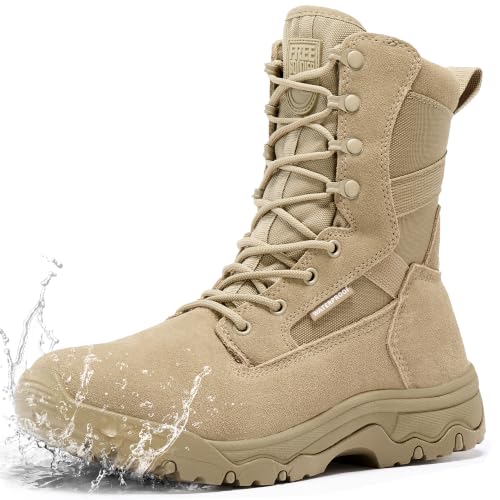


Waterproof Membrane Engineering and Breathability
The primary barrier inside waterproof tactical boots relies on a specialized microscopic membrane lining. These internal socks feature microscopic pores that are small enough to block liquid water droplets yet large enough to allow sweat vapor to escape freely.
When evaluating different models, look for proprietary liners like Danner Dry or multi-layer waterproof cloth booties. A quality membrane prevents standing water from soaking through the uppers during swamp crossings, heavy downpours, or early morning dew patrols.
Keep in mind that fully waterproof barriers naturally reduce air circulation compared to unlined jungle boots. If you operate primarily in extreme humidity or hot climates, pair these membranes with moisture-wicking synthetic socks to prevent internal dampness from sweat.
Upper Material Durability and Abrasion Resistance
Tactical boot uppers must endure constant friction against rocks, sharp debris, and rough vegetation without tearing. Manufacturers combine full-grain or rough-out leather with high-denier synthetic textiles to achieve an ideal balance of structural defense and flexibility.
Heavy-duty textiles like 1000D Cordura nylon offer exceptional tensile strength while shedding water effectively. Leather components provide rigid frame support and abrasion protection along the lower foot perimeter where contact with obstacles is highest.
As a practical rule, inspect the stitching connecting leather panels to the textile sections. Double or triple-row needlework ensures that high-stress flex points near the ball of your foot will not split after repeated soaking and drying cycles.
Outsole Lug Geometry and Traction Patterns
Traction on slick mud, wet concrete, and loose gravel depends directly on outsole tread design. Specialized rubber compounds formulated for oil and slip resistance maintain ground contact where standard footwear slides dangerously.
Look for multi-directional lug shapes, such as pentagonal or chevron patterns, which provide biting edges when climbing or braking on declines. Deep channels between lugs allow wet soil and sludge to evacuate naturally with each step instead of clogging the tread.
Softer rubber outsoles deliver outstanding grip on wet rock surfaces but wear down quicker on rough asphalt. Choose high-density rubber compounds like Vibram outsoles if your duties frequently alternate between outdoor terrain and hard urban floors.
Midsole Cushioning and Impact Absorption
Carrying tactical loads or walking on hard surfaces for hours places immense strain on your knees and lower back. The midsole functions as the primary shock absorber between your foot and the rigid ground.
Ethylene-vinyl acetate, known as EVA, provides lightweight plush cushioning that mimics high-performance athletic footwear. Polyurethane midsoles, by comparison, are slightly heavier but offer superior structural memory that resists compacting under heavy field packs over long deployments.
Pairing a responsive midsole with a contoured, removable footbed gives you custom arch support. For users organizing tactical gear setups, our article on how to simplify footwear and gear storage highlights effective ways to preserve boots between shifts.
Shaft Height and Ankle Stability
Military footwear standard shaft heights range from 6 inches to 8 inches above the heel line. The extra height creates a rigid collar that stabilizes your ankle joint across uneven ground and heavily rutted terrain.
An 8-inch shaft is standard for field operations because it provides elevated water clearance when wading through shallow streams or puddles. It also guards against venomous bites, scrapes from sharp brush, and entry of loose stones.
If your daily work requires frequent vehicle operation or crouching, a 6-inch cut offers greater ankle articulation and less calf pressure. Choose the 8-inch standard if maximum water wading height and load-bearing ankle support are your primary concerns.
Closure Systems and Rapid On-Off Functionality
Securing tactical footwear quickly is vital for emergency readiness and field comfort. Traditional eyelet lacing provides even tension across your entire foot, while speed-lace hardware allows fast one-pull tightening.
Side-zip closures have become standard for professionals who must transition in and out of boots quickly. A medial or lateral zipper allows you to set your lace tension once and use the zipper for daily entry and exit.
Ensure any side-zip boot incorporates an internal waterproof gusset behind the zipper track. Without this protective fabric barrier, water will seep through the zipper teeth whenever you step into puddles higher than the sole line.
Toe Protection and Safety Compliance Standards
Depending on your assignment, footwear may need specific safety ratings or military uniform compliance. Uniform requirements like AR 670-1 dictate color, height, and upper material specifications for active service personnel.
Work environments often mandate safety toe protection to guard against crushing injuries from dropped equipment. Composite toe caps offer impact resistance without conducting cold or triggering metal detectors during sensitive building entries.
If you do not require safety caps, soft-toe models offer lower overall weight and greater front-foot flexibility. Always verify whether your duty post requires ASTM safety standards before purchasing a standard field boot.
Gusseted Tongue Construction and Debris Sealing
Even the most advanced waterproof membrane fails if water pours in around the boot tongue. A fully gusseted tongue connects the tongue sides directly to the upper eyelet panels using flexible waterproof fabric.
This design creates a continuous barrier that blocks water, fine sand, dirt, and gravel from entering the interior. The effective waterproof height of any boot is determined by the top of this gusset rather than the top of the ankle collar.
Before submerging your boots, inspect how high the tongue webbing extends. Stepping into water that rises above the gusset fold will cause liquid to flood the interior from the top down.
Overall Boot Weight and Endurance Impact
Weight on your feet consumes significantly more metabolic energy during long marches than weight carried in a backpack. Heavy combat boots can accelerate leg fatigue and cause muscle cramps over extended patrol shifts.
Modern lightweight boots utilize athletic shoe construction methods, EVA foam midsoles, and lightweight Cordura fabrics. These models frequently weigh under 30 ounces per pair while maintaining essential ankle support and water protection.
Match boot weight to your mission profile: heavy reinforced boots suit stationary duty and extreme rocky terrain, while athletic tactical hybrids excel on fast-moving search missions.
| Feature Element | Heavy Duty Tactical | Athletic Hybrid Boot | Safety Work Tactical |
|---|---|---|---|
| Upper Build | Rough-Out Leather & 1000D Nylon | Lightweight Mesh & Microfiber | Full-Grain Leather & TPU |
| Waterproofing | Integrated Membrane Bootie | Surface DWR Coating | Sealed Seam Membrane |
| Toe Construction | Reinforced Soft Rubber | Flexible Bumper | Composite ASTM Rated Cap |
| Best Operating Field | Mud, Deep Wet Trails, Rucking | Urban Patrols, Fast Response | Industrial Duty, Wet Warehouses |
Why You Should Trust Us
Our gear analysis relies on objective specification mapping, verified customer feedback trends, and detailed structural assessments. We systematically examine materials, construction techniques, waterproof ratings, and sole compounds across top footwear manufacturers.
We do not accept paid placements or promotional samples to influence our rankings. Our team monitors technical updates, membrane innovations, and long-term durability reports to ensure our buying guides provide reliable, data-driven recommendations.
Final Thoughts
Selecting the right waterproof tactical footwear protects your mobility and keeps your feet operational in adverse conditions. For an exceptional balance of athletic comfort, proven traction, and waterproof defense, the Merrell Men’s Moab 3 Tactical 8″ Zip Waterproof serves as our top overall recommendation thanks to its Vibram outsole and supportive midsole.
If you need certified safety protection on wet job sites, the Reebok mens Rapid Response Rb Safety Toe 8″ delivers robust composite toe defense and electrical hazard protection without unnecessary bulk. Budget-conscious shoppers will appreciate the FREE SOLDIER Men’s Waterproof Hiking Boots, which provides reliable water-repellent protection and lightweight support at an accessible entry point.
For demanding field operations requiring strict military standards and rugged durability, consider the Danner Tanicus Waterproof Military Boots for Men. Proper storage and routine maintenance will extend the life of your boots, as detailed in our guide on how to compare underbed storage bins for tactical equipment.
Frequently Asked Questions
What makes the Best Water Proof Military Boots perform well in 2026?
Top-tier models combine high-grade waterproof internal membranes with sealed tongue gussets and abrasion-resistant leather uppers. This engineering keeps exterior moisture out while allowing internal sweat vapor to escape during high-output activity.
Are waterproof military boots suitable for hot weather operations?
Waterproof boots can run warmer than unlined jungle boots due to their internal barrier layers. Pairing breathable membrane models with synthetic moisture-wicking socks helps manage internal heat during warm weather deployments.
How do side-zip boots maintain water resistance?
Side zippers retain water resistance by placing a folded waterproof fabric gusset directly behind the zipper track. This internal barrier prevents water from entering the boot even when liquid reaches the exposed teeth.
What is the difference between water-resistant and waterproof tactical boots?
Water-resistant boots rely on outer coatings to shed light rain and splashes for short periods. True waterproof boots feature sealed internal membrane booties and taped seams that withstand continuous immersion up to the tongue gusset line.
How do you clean and maintain waterproof military boots?
Remove dried mud using a soft brush and lukewarm water, avoiding harsh detergents that can degrade membrane coatings. Allow boots to dry naturally at room temperature away from direct heat sources to prevent leather cracking.
Can I treat my boots with aftermarket waterproofing sprays?
Yes, applying a specialized fabric and leather water-repellent spray restores the exterior durable water repellent coating. This prevents the outer fabric from soaking up surface moisture and maintains maximum internal breathability.
What are the main benefits of composite safety toes in tactical boots?
Composite toe caps provide certified impact protection without conducting electrical currents or freezing in cold environments. They also allow wearers to pass through metal screening checkpoints without triggering security alarms.
How long is the break-in period for tactical military boots?
Modern synthetic and nylon blend boots typically require minimal break-in time of one to three days. Full-grain leather boots may take one to two weeks of progressive daily wear to mold comfortably to your foot contours.
What should I look for in an outsole for wet conditions?
Look for multi-directional lug designs with deep perimeter channels and slip-resistant rubber compounds. Wide spacing between lugs prevents thick mud from packing into the tread and reducing your stability.
Are 8-inch boots better than 6-inch boots for wet terrain?
Eight-inch boots provide superior water clearance when wading through deep puddles, streams, or mud bogs. They also offer greater structural ankle stabilization when carrying heavy rucksacks across uneven ground.







Write Your Review
No reviews yet. Be the first to share your experience!