

Moving fuel, oil, or standing water manually often leads to messy spills and unnecessary physical strain. A reliable transfer pump automates liquid relocation, keeping your workspace clean while protecting engines and small machinery.
Modern transfer units have evolved far beyond basic manual siphon tubes. In September 2026, battery-powered impellers, auto-stop overflow sensors, and high-flow motors allow homeowners and mechanics to handle routine fluid maintenance safely.
Whether you need to empty a waterlogged basement or top off a generator, selecting the right equipment prevents costly mistakes. Explore our practical How To resources to discover how streamlined equipment upgrades simplify everyday utility chores.
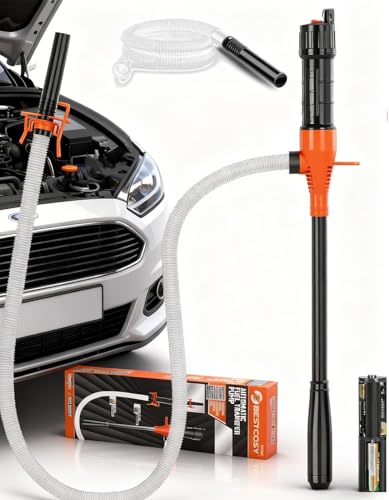


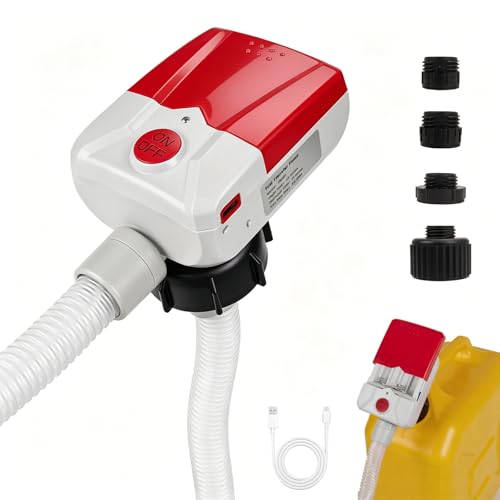

Key Buying Criteria for Best Transfer Pumps
Fluid Compatibility and Material Resistance
Fluid chemistry dictates exactly which pump components will survive repeated operations. Standard plastics degrade quickly when exposed to petroleum distillates like gasoline, kerosene, or diesel fuel, causing immediate seal failure.
Always inspect the manufacturer specifications for chemical resistance ratings before purchasing. Water-only utility pumps feature internal seals that swell and disintegrate when exposed to hydrocarbons, presenting serious fire hazards.
A smart rule of thumb is to verify dedicated polyolefin, Viton, or ABS construction for volatile fuels. Selecting a pump built explicitly for your primary fluid type guarantees safe operation and extended hardware longevity.
Flow Rate and Transfer Speed (GPM)
Flow rate, measured in gallons per minute, indicates how rapidly a mechanism moves fluid between containers. Higher flow rates dramatically reduce waiting times when handling large fuel drums or draining flooded utility spaces.
Consumer battery-operated siphon models typically deliver between 2.4 and 3.8 gallons per minute under optimal conditions. Professional contractor utility tools can exceed larger volumetric benchmarks when connected to high-voltage power platforms.
To calculate real-world performance, divide container volume by the rated flow rate while factoring in minor friction losses. For five-gallon containers, a 2.4 GPM pump finishes the job comfortably in just over two minutes.
Power Source and Battery Options
The power architecture determines where and how long a transfer pump can operate effectively. Cordless units run on alkaline disposable cells, rechargeable lithium tool packs, or direct USB-C connections for extreme versatility.
Alkaline D-cell and AA configurations provide superb portability during remote roadside emergencies where wall outlets do not exist. Professional-grade units leverage 18-volt tool battery ecosystems, delivering sustained suction power for massive water-clearing jobs.
Consider your most frequent usage scenario before deciding between disposable batteries and rechargeable platforms. Keeping backup alkaline cells in your vehicle ensures instant readiness whenever unexpected fuel transfers become necessary.
| Power Type | Typical Flow Rate | Best Use Case | Portability Level |
|---|---|---|---|
| AA / D-Cell Alkaline | 2.4 GPM | Lawn care, generators, small fuel cans | High (No cables needed) |
| USB-C Hybrid | 3.8 GPM | Field refueling, automotive garages | High (Power bank ready) |
| 18V Cordless Tool Pack | 8.0+ GPM | Plumbing drains, heavy water removal | Medium (Requires platform pack) |
Auto-Stop Sensors and Overflow Prevention
Spilling fuel creates hazardous fumes, fire risks, and permanent environmental damage in residential spaces. Integrated auto-stop sensors eliminate the guesswork by halting fluid intake the moment receiving reservoirs reach capacity.
These electronic sensors detect liquid contact near the discharge nozzle tip and cut motor power instantly. Many advanced units also sound an audible alert to notify the operator that fluid transfer has concluded safely.
If you regularly fill small equipment tanks with narrow openings, an auto-stop mechanism is indispensable. It protects small engine air filters and painted shrouds from damaging fuel overflow accidents.
Suction Tube Depth and Container Fit
The physical length and diameter of the intake tube determine compatibility with various storage containers. An undersized suction tube leaves gallons stranded at the bottom of deep commercial drums or tall utility cans.
Standard intake tubes measuring 15 to 16 inches fit standard three-to-five-gallon Jerry cans and small utility pails. Larger commercial barrels require longer intake extensions or specialized threaded adapter collars to stay secure during pumping.
Check the neck diameter of your supply containers before ordering any rigid suction assembly. Investing in multi-adapter caps ensures a tight seal, preventing noxious fumes and mechanical wobble during operation.
Organizing maintenance gear in tidy containers keeps garage setups running smoothly, much like applying storage comparison methods to keep home equipment organized.
Discharge Hose Length and Flexibility
A generous discharge hose allows fluid routing without awkwardly lifting or balancing heavy source containers. Stiff or short hoses kink easily, reducing flow rates and creating frustrating mechanical strain on connection joints.
Discharge hoses measuring between 47 and 51 inches offer adequate reach for vehicle filler necks and elevated equipment. Reinforced polyethylene tubing resists collapse under suction while remaining supple in cold weather conditions.
Look for metal nozzle clips and anti-kink spring collars at the hose base for maximum reliability. These hardware additions prevent premature hose cracking and keep discharge lines firmly inside the receiving opening.
Nozzle Control and Flow Adjustment
Fine motor control is critical when transferring volatile fluids into delicate equipment reservoirs. An integrated trigger or rotating nozzle dial lets operators moderate fluid velocity to avoid violent splashing.
Basic siphon pumps rely on simple on-off switches, which can overwhelm narrow motorcycle or chainsaw fuel inlets. Units with lockable, metered nozzles deliver pinpoint accuracy, mirroring commercial fuel pump handles.
A responsive nozzle valve also stops post-pump dripping, saving expensive chemicals and keeping your storage shelving pristine. Prioritize designs with integrated holster clips to secure wet nozzles when transfers conclude.
Self-Priming Ability and Dry-Run Protection
Self-priming pumps draw fluid upward through dry lines without requiring manual pre-filling or tedious suction priming. This feature saves significant setup time and eliminates contact with toxic, foul-smelling chemical liquids.
Submersible impeller designs initiate suction instantly once submerged into the fluid reservoir supply. External utility transfer pumps must incorporate durable internal vanes that withstand brief dry-running periods during startup.
Always avoid running dry-vane pumps without fluid for extended periods to prevent premature thermal breakdown. Premium contractor models feature automatic shut-off circuits when water sensors detect an empty intake line.
Why You Should Trust Us
Our editorial team evaluates fluid transfer gear by analyzing verified technical specifications, engineering schematics, and chemical compatibility standards. We compare volumetric flow metrics, motor architectures, and structural materials across major utility equipment brands.
We focus on objective specifications, real-world flow rates, and safety certifications rather than promotional claims. Our data-driven methodology evaluates how each pump performs across varied viscosity levels and operating temperatures over time.
By regularly auditing product updates and manufacturer design revisions, we keep our recommendations accurate and dependable. You receive clear, unbiased purchasing advice tailored to your specific mechanical and utility requirements.
Final Thoughts
For high-capacity fluid movement and demanding jobs, the Milwaukee 2771-20 M18 Transfer Pump is our top recommendation for serious users. Its robust motor platform and self-priming engineering handle large-scale water removal tasks with ease.
If you want the best overall safety and precision for routine refueling, the FEEDRON Automatic Fuel Transfer Pump stands out. Its auto-stop sensor, long 51-inch hose, and versatile USB power backup ensure clean, overflow-free transfers every time.
Shoppers seeking an affordable option for occasional yard chores will appreciate the Portable Fuel Transfer Pump with 47″ Hose-High. It delivers dependable 2.4 GPM transfer rates from standard gas cans without requiring large financial investments.
For more home maintenance recommendations and seasonal project guides, explore our full collection of Guides for practical household advice.
Frequently Asked Questions
Can I use the same pump for gasoline and drinking water?
Never use a single transfer pump for both potable water and petroleum products. Hydrocarbon residues permeate plastic and rubber seals permanently, contaminating drinking water with hazardous chemical compounds even after thorough washing.
What makes Best Transfer Pumps effective for small engines in 2026?
Modern transfer pumps incorporate fine flow control nozzles and automatic shut-off sensors that prevent messy tank overflows. These features eliminate the need to balance heavy five-gallon containers above delicate engine cowlings.
How do battery-operated transfer pumps handle thick liquids like motor oil?
Thick motor oils create hydraulic resistance that slows down low-voltage impellers significantly. While light oils transfer smoothly, high-viscosity gear oils require heavy-duty pumps designed specifically for dense industrial fluids.
How should I store my transfer pump after moving fuel?
Always drain residual fluids completely and allow the intake and discharge hoses to air dry in a well-ventilated space. Storing the unit away from direct sunlight and heat sources prevents seal degradation and vapor buildup.
What should I do if my transfer pump stops pumping during use?
First, inspect the intake filter screen for debris and verify that battery cells are fully charged. Air leaks around hose connections can also break the vacuum seal, preventing the impeller from pulling liquid upward.
Are battery-operated transfer pumps safe to use with gasoline?
Pumps explicitly certified for gasoline feature sealed electric motors and anti-static materials to minimize spark risks. Always operate fuel pumps outdoors in well-ventilated areas to avoid dangerous vapor concentration.
What is the average lifespan of a portable transfer pump?
With proper cleaning and dry storage, quality consumer transfer pumps last several years of regular seasonal use. Removing alkaline batteries before long-term storage prevents terminal corrosion and extends electronic reliability.
Can I connect a transfer pump to a standard garden hose?
Commercial utility models often feature standard three-quarter-inch garden hose threads on intake and discharge ports. Compact siphon pumps, however, use proprietary flexible tubing optimized for their specific flow rates and motor limits.
Why is auto-stop capability important on Best Transfer Pumps?
Auto-stop technology prevents overflow spills by automatically cutting motor power when the receiving reservoir fills completely. This safeguards equipment surfaces and minimizes environmental contamination in residential work areas.
How do I clean a transfer pump after moving dirty utility water?
Flush the pump by running clean, fresh water through the intake and discharge lines for several seconds. Clear out the intake strainer and check our Home & Living maintenance ideas for more equipment care advice.





Write Your Review
No reviews yet. Be the first to share your experience!