

Hauling heavy laundry bags to shared basement facilities or neighborhood laundromats drains your free time and energy. Modern living spaces demand efficient appliances that fit into cramped square footage without sacrificing cleaning performance. Investing in the right compact laundry setup transforms your weekly routine by keeping garment care entirely within your home.
We evaluated 10 Best Top Load Portable Washing Machines for September 2026 to identify dependable models that handle routine loads seamlessly. Brands like COMFEE’, GIANTEX, Magic Chef and more have engineered automatic cycles, advanced balancing systems, and versatile water hookups into manageable footprints. Exploring modern home and living solutions allows renters and RV travelers to enjoy residential cleaning convenience anywhere.
Choosing the right compact machine prevents water damage, minimizes operational noise, and preserves your delicate wardrobe items. This comprehensive guide covers crucial mechanical specifications, installation requirements, and drum designs so you can select the perfect appliance for your floor plan.


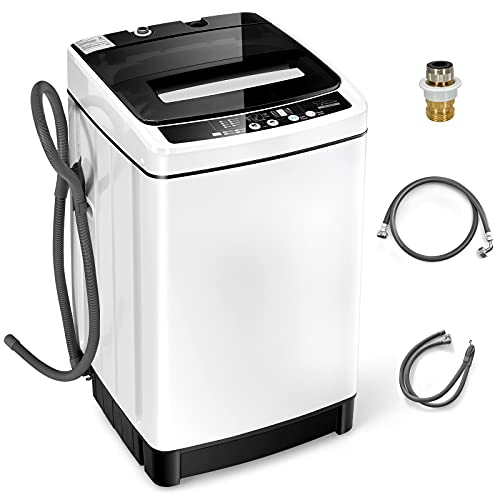


Tub Capacity and Wash Volume
Drum capacity dictates how much clothing you can clean in a single cycle without straining the internal motor. Compact top loaders typically offer internal capacities ranging from under one cubic foot up to two full cubic feet. Selecting a drum volume that matches your weekly wardrobe turnover prevents constant reloading while fitting tight storage spaces.
Manufacturers measure capacity by both cubic feet and maximum laundry weight in pounds. A drum holding ten to twelve pounds easily cleans four shirts, two pairs of jeans, and undergarments simultaneously. Units rated for seventeen pounds or more accommodate larger household textiles like light quilts and bath sheet sets.
A reliable rule of thumb is to avoid packing garments tighter than two thirds of the total tub height. Clothes require sufficient open space to tumble freely through the water column for thorough detergent distribution. Overstuffing leads to unbalanced spin errors and leaves soap residue trapped in thick fabric weaves.
Drainage Mechanism and Built-in Pump Type
Water removal is one of the most critical mechanical factors separating entry level tubs from premium portable appliances. Basic washers rely solely on gravity drainage, requiring the machine to sit physically higher than your shower base or floor drain. Machines with integrated electric drain pumps actively elevate wastewater into elevated sinks and standard toilet basins.
Review the product specifications carefully to verify whether an active drain pump is built directly into the chassis. Powered pumps typically pump water up to a vertical height of four feet without risking motor overheating or backflow. This feature gives you total flexibility to position your washer alongside kitchen counters or high bathroom vanities.
Always inspect the included drain hose length and ensure it features a rigid U shaped retention hook. Securing the hose over your sink basin prevents accidental floor slippage during high pressure expulsion phases. Investing in an active pump model eliminates messy water pooling and tedious manual bucket emptying.
Water Inlet Connections and Faucet Compatibility
Hooking a portable machine up to a domestic water source should never require permanent plumbing alterations or specialized tools. Most models include a standard quick connect adapter designed to click onto aerated bathroom and kitchen faucets. Ensuring your aerator unscrews cleanly before buying guarantees a smooth initial setup process.
Some washers offer separate cold and hot water inlets, while others utilize a single intake line controlled at the tap. If your unit has a single inlet, you adjust the wash temperature manually by turning your sink handles. Models with dual ports allow automated temperature switching across dedicated prewash and rinse phases.
Check the threading on your faucet spout against standard garden hose or three quarter inch threads. Older designer faucets or pull out spray wands frequently require aftermarket adapter couplings to form a watertight seal. Keeping an extra rubber washer in your toolbox prevents small drips from loosening your supply line under water pressure.
Wash Programs and Cycle Customization
Modern top load washers provide diverse wash programs tailored to specific fabric types and soil intensities. Standard cycle menus feature options like Normal, Heavy Duty, Rapid Wash, Delicates, and Dedicated Soak settings. Having dedicated cycles protects fragile garments while applying aggressive mechanical agitation to heavily stained workwear.
Look for machines that allow independent adjustment of water fill levels alongside preset programs. Multi level water controls let you run small, quick loads without wasting excess water or detergent. Digital LED control panels simplify these adjustments by presenting remaining cycle runtimes at a quick glance.
A rapid wash cycle running between twenty and twenty six minutes is essential for active lifestyles and minor touchups. Pair this with a delay start function to schedule cycles around lower utility rate hours or your daily work schedule. Versatile electronic programming guarantees optimal care across your entire personal wardrobe.
Motor Power and Spin Speed Efficiency
Cleaning efficiency and drying times depend directly on the rotational velocity and torque of the internal electric motor. High quality compact washers feature motors rated between three hundred and four hundred watts for strong agitation. Higher wattage delivers consistent tumbling action even when cleaning heavy denim or dense winter garments.
Spin speed is measured in revolutions per minute and determines how much moisture is extracted before line drying. Speeds exceeding eight hundred RPM effectively pull water out of fabric fibers through centrifugal force. Premium units reaching higher rotational speeds leave clothes damp rather than dripping wet, dramatically cutting down indoor drying time.
Pairing high spin extraction with an integrated air dry cycle circulates ambient air through the rotating drum. This process does not replace a heated tumble dryer, but it leaves synthetic fabrics nearly ready to wear. Evaluating motor wattage ensures you get deep cleaning without excessive energy consumption.
| Feature Criterion | Standard Range | Ideal Apartment Spec | Primary Benefit |
|---|---|---|---|
| Tub Capacity | 0.9 to 2.0 cu. ft. | 1.5 to 1.8 cu. ft. | Handles regular family clothes loads |
| Spin Speed | 700 to 1600 RPM | 800+ RPM | Extracts up to 90% of fabric moisture |
| Drainage Type | Gravity vs Pump | Built-in Drain Pump | Drains into high sinks and counters |
| Noise Level | 55 dB to 75 dB | Under 65 dB | Ensures peaceful shared living spaces |
Auto-Balancing Systems and Vibration Control
Unbalanced laundry during a rapid spin cycle can cause severe vibration, loud banging noises, and cabinet movement. Automatic unbalance detection monitors drum rotation and corrects uneven load distribution by adding a controlled burst of water. This automated intervention redistributes garments across the drum circumference before resuming the high speed spin cycle.
Physical vibration dampening includes internal suspension springs, reinforced base plates, and adjustable leveling feet. Setting all four feet firmly on solid, level flooring eliminates structural wobble during heavy spin sequences. Units with internal soundproof insulation keep operational noise under sixty decibels for comfortable apartment living.
When washing bulky single items like jackets or thick throws, always pair them with two smaller towels to maintain balance. This simple loading habit keeps the center of gravity aligned with the central drive pulsator. Reliable balance systems safeguard your flooring and extend the operational life of the motor bearings.
Physical Footprint and Mobility Features
Limited floor space requires appliances that tuck into compact closets, alcoves, or bathroom corners between wash days. Most portable top loaders feature widths and depths under twenty two inches to roll through standard doorway openings. Measuring your storage passage clearance guarantees smooth transitions to and from your water supply hookup.
Mobility hardware such as recessed side handles and rear caster wheels make wheeling a unit toward the sink effortless. Pairing your laundry setup with thoughtful organizing small living areas keeps hoses and accessories neatly contained when not in use. Lightweight construction between forty and eighty pounds allows single person repositioning without back strain.
Consider the total height with the top load lid raised fully upright before placing the machine under low wall cabinetry. You need sufficient clearance to drop in laundry baskets and pour liquid detergent cleanly into the dispenser. Proper dimension verification prevents frustrating installation obstacles in tight living quarters.
Energy and Water Consumption Ratings
Operating a portable washer should reduce your monthly utility expenses compared to costly commercial laundromat visits. Efficient top loaders utilize smart water level sensors that tailor fluid volume directly to the selected weight setting. This targeted usage prevents water waste while ensuring deep saturation for every fabric type.
Look for Department of Energy certifications that outline estimated annual kilowatt hour consumption under typical household use. Advanced energy saving motors consume minimal electricity per cycle, allowing you to run regular loads on standard 120 volt household outlets. Lower power draw also makes these machines compatible with portable power stations in RV applications.
Adopting high efficiency liquid detergents formulated for low water machines optimizes cleaning power without generating excess suds. Excessive foam requires supplementary rinse cycles that consume unnecessary water and extend total runtime. Selecting an eco conscious model protects both your utility budget and the surrounding environment.
Drum Construction and Stainless Steel Durability
The interior drum surface directly contacts your wardrobe and takes the brunt of continuous rotational friction over years of use. Stainless steel wash tubs resist chipping, cracking, and rust formation far better than molded plastic drums. Polished metal walls also prevent snagging on delicate knits and fine synthetic weaves.
Honeycomb and diamond pattern drum walls create a gentle water cushion that lifts garments away from mechanical edges. These textured surfaces enhance turbulent cleaning action while preserving clothing seams and sensitive embroidery. Many units combine this durable metal construction with coordinate strategies for budget storage planning in utility spaces.
Integrated tub self cleaning cycles utilize high speed rotation to scour detergent residue and lint away from drum perforations. Running a self clean cycle once every month prevents mildew accumulation and keeps your wash chamber smelling fresh. Durable stainless construction ensures your appliance remains hygienic and dependable over hundreds of cycles.
Why You Should Trust Us
Our review team approaches small space appliance evaluation with a rigorous, data driven methodology. We analyzed motor wattages, spin velocities, drum materials, and balance mechanisms across top rated portable washers. By comparing verified engineering specifications and manufacturer tolerances, we isolate genuinely capable machines from underpowered alternatives.
We closely monitor user feedback patterns, plumbing connection reliability, and long term component durability to refine our recommendations. Our research prioritizes real world usability factors like noise output in shared walls, faucet adapter fitment, and pump lift heights. This transparent approach ensures you receive practical buying advice tailored specifically to compact living challenges.
Our database updates continuously across seasonal product revisions to reflect current manufacturing standards and newly introduced features. We never accept promotional bias, focusing entirely on objective performance metrics that directly impact your household laundry routine. You can trust our structured analysis to guide your appliance investment with total clarity.
Final Thoughts
Finding the right portable washer comes down to balancing your available floor footprint against your weekly laundry volume. For households seeking substantial drum capacity and dependable cleaning power, the Panda 2.0 Cu.Ft. Portable Washing Machine serves as an exceptional primary choice. Its spacious stainless interior, multi cycle control panel, and sturdy dual roller mobility make managing family sized loads simple.
If you need maximum cleaning capability on an accessible budget, the Auertech 18 lbs Portable Washing Machine delivers outstanding performance. Its 380 watt motor, high spin velocity, and active drain pump handle bulky items effortlessly without occupying excess floor space. Exploring dedicated bath and home essentials allows you to integrate this compact powerhouse cleanly into your existing layout.
Renters living in tight studio apartments will appreciate the ultra compact footprint of the COMFEE’ Portable Washing Machine 0.9 cu.ft. It rolls effortlessly into closets, delivers impressive energy efficiency, and features intelligent balance detection to keep noise levels neighbor friendly. Assess your personal space and hookup setup to choose the model that best upgrades your daily laundry convenience.
Frequently Asked Questions
What is the top-rated option among Best Top Load Portable Washing Machines in 2026?
Top rated models in 2026 combine durable stainless steel tubs, active drainage pumps, and electronic unbalance detection. Appliances offering between 1.5 and 2.0 cubic feet of volume provide the ideal balance between physical portability and practical load capacity. Looking for trusted brands with high spin speeds ensures your clothes dry quickly after every wash.
How do portable top load washing machines connect to water?
Portable top loaders connect directly to standard bathroom or kitchen sink faucets using an included quick connect adapter. You unscrew the existing faucet aerator and screw on the adapter collar, allowing the intake hose to snap securely into place. Water temperature is then adjusted directly at the sink tap handles.
Do I need a special electrical outlet for a compact washer?
Most portable top load washers run on standard 110 to 120 volt grounded electrical outlets found in every residential room. They draw modest electrical wattage, meaning you do not need dedicated 240 volt heavy duty appliance wiring. Always ensure the outlet has functional ground fault protection when operating near bathroom or kitchen sinks.
How does drainage work if my sink is higher than the washer?
Washers equipped with a built in electric drain pump actively force water upward through the discharge hose into elevated sinks. Gravity drain models lack this mechanical pump and must be positioned higher than the drain point to empty completely. Always verify that your chosen model contains an internal pump if draining into a high countertop.
Can portable washing machines clean heavy blankets and comforters?
Units with capacities of seventeen pounds or larger can wash lightweight throws, twin comforters, and fleece blankets with ease. However, thick king size duvets and heavy winter quilts are too dense for compact drums and can trigger unbalance errors. It is best to wash dense bedding in specialized high capacity commercial machines.
How do I stop my portable washer from shaking during the spin cycle?
Ensure the machine rests on a completely level, solid floor by adjusting the front threaded leveling legs. Distribute clothing evenly around the central pulsator rather than piling garments into one side of the tub. Avoid washing single heavy garments alone, pairing them with smaller items to maintain rotational equilibrium.
What type of laundry detergent is best for compact top loaders?
High efficiency liquid detergent is strongly recommended because it dissolves quickly and creates minimal suds in low water volumes. Powder detergents can leave behind chalky streaks on dark fabrics if wash water temperatures are too cold. Always measure carefully, using about half the detergent amount recommended for full sized residential washers.
Do portable top load washing machines dry clothes completely?
Portable top load washers extract water via rapid spinning and ambient air circulation, leaving clothes damp rather than fully dry. They do not incorporate heated tumble drying elements, so garments still require hanging on a drying rack for a few hours. High spin speeds above 800 RPM significantly cut down the necessary air drying duration.
How often should I clean the internal lint filter and drum?
You should remove and rinse the internal mesh lint filter after every two or three laundry loads to maintain optimal water flow. Running an automated tub clean cycle with white vinegar or washer cleaner once a month prevents mildew buildup. Following practical home tutorials keeps your small appliances performing at peak efficiency for years.
Can I leave the water supply hose connected permanently?
It is best practice to disconnect the faucet adapter and turn off your water source when the laundry cycle finishes. Leaving supply hoses under continuous domestic water pressure can cause rubber gaskets to degrade and leak over time. Quick connect couplers make detaching and storing the supply hose fast and effortless.





Write Your Review
No reviews yet. Be the first to share your experience!