

Installing asphalt shingles or siding requires fast, reliable fastening tools that hold up under tough job site conditions. Finding the right tool saves countless hours and prevents frustrating coil jams during critical installations.
We examined the top 7 options available in September 2026 to see how different pneumatic and cordless models perform on steep decks. Whether you tackle weekend outbuilding projects or professional roof replacements, our collection of how to guides will point you toward the right hardware for your setup.
Understanding power sources, depth controls, and magazine capacities prevents expensive shingle damage. Our side by side analysis helps you pick a tool that keeps your crew safe, consistent, and productive throughout the work day.


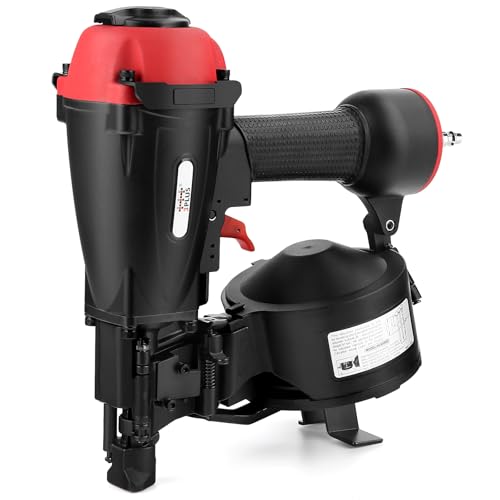
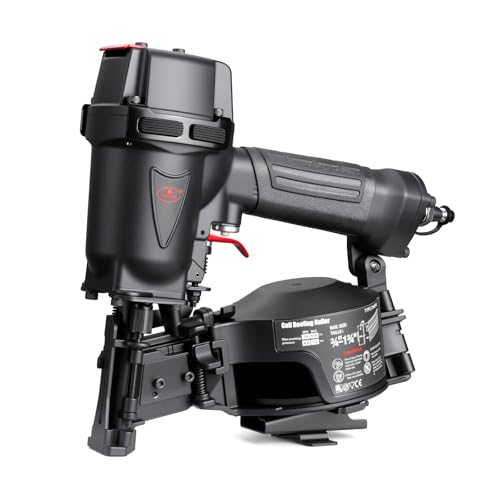
Power Source: Pneumatic Compressors vs Cordless Battery Platforms
Pneumatic roofing tools remain the traditional standard on residential and commercial jobsites. Air powered units draw continuous pressurized air from a dedicated compressor through heavy duty rubber or polyurethane hoses. This setup provides endless driving cycles and consistent power without requiring battery recharges during long work shifts.
Modern battery powered models offer absolute freedom of movement across steep roof pitches without dragging long air lines. These cordless units rely on sealed air spring chambers or internal flywheels powered by high output lithium batteries. Eliminating compressor setup saves substantial prep time on small patch jobs, ridge cap repairs, and quick siding punch lists.
When choosing between platforms, calculate the total square footage you plan to cover in a single workday. For whole house installations, pneumatic units remain lighter in hand and fire faster across wide expanses. For spot repairs, tight dormer flashing, or punch list tasks, a battery unit saves massive labor setup.
Operating Pressure and Air Delivery Requirements
Every pneumatic roof fastener operates within a specific pressure range, typically rated between 70 and 120 pounds per square inch. Maintaining stable operating pressure ensures that every single fastener drives flush without tearing through delicate fiberglass mats. Dropping below the minimum pressure threshold leads to raised nail heads that compromise shingle sealing.
Compare the cubic feet per minute rating of your air compressor with the demand of your chosen roofing tool. Rapid bump firing requires a compressor with an adequate recovery rate to prevent pressure dips during fast passes. Using a three eighths inch inner diameter air hose reduces friction loss compared to standard quarter inch lines on long runs.
A practical rule of thumb is to set your regulator to 90 PSI for standard architectural shingles on plywood decking. Test fire three sample nails into scrap sheathing to verify head penetration before working on the main deck. If you notice nails sitting proud or sinking too deep, adjust the regulator pressure in five PSI increments.
Magazine Capacity and Quick Reload Canister Mechanisms
Standard coil magazines hold up to 120 wire collated nails inside a circular plastic or metal canister. This high capacity allows roofers to fasten multiple shingle courses before stopping to reload fresh fasteners. Fast loading canisters reduce downtime and keep your installation rhythm smooth and predictable.
Examine the opening mechanism of the canister door and the stability of the inner support tray. Side loading canisters with single action latches allow one handed opening while balancing safely on staging or steep roof slopes. Adjustable magazine trays accommodate different fastener lengths, preventing short coils from tilting or misfeeding inside the drum.
Look for models with transparent canister walls or dry fire lockout mechanisms. A lockout stops the drive blade when fasteners run out, preventing accidental impact marks against finished shingle surfaces. Keeping spare coils accessible in a tool pouch speeds up your reload cycle significantly.
Tool Free Depth of Drive Adjustment
Precise depth control determines whether a shingle stays secure during severe windstorms or blows off the deck prematurely. Overdriven fasteners punch straight through the shingle mat, creating leaks and voiding manufacturer warranties. Underdriven fasteners leave protruding heads that can puncture overlying asphalt layers over time.
Modern nailers feature tool free thumb wheels located directly behind or beside the safety contact nosepiece. Turning the wheel changes the extension length of the nose contact element without requiring separate hex wrenches or screwdrivers. This mechanical adjustment lets you fine tune penetration depth across varying sheathing densities like oriented strand board or vintage planking.
Always calibrate the depth wheel whenever ambient temperatures shift significantly during the day. Cold morning asphalt is stiff and requires slightly more driving force, while hot afternoon shingles soften and tear easily under deep drives. Check our detailed guides section for additional maintenance tips on keeping pneumatic tools performing at their peak.
Fastener Compatibility and Collation Angles
Roofing fasteners use fifteen or sixteen degree wire collation to link round head nails into compact coils. Most contractor grade tools accept shank diameters of point one two zero inches with head diameters around three eighths of an inch. Ensure your selected model supports the exact length requirements mandated by your local building code.
Standard roofing coils range from three quarter inch lengths up to one and three quarter inches. Short nails work well for single layer asphalt installations over standard half inch plywood sheathing. Longer one and three quarter inch fasteners are essential when nailing through thick insulation boards or applying new shingles over existing roof layers.
Verify whether the driver blade and feed pawls handle galvanized steel, stainless steel, and aluminum roofing nails equally well. Smooth shank fasteners drive easily, while ring shank nails provide superior holding power against high wind uplift. Sticking to brand name wire collated coils prevents broken weld fragments from jamming the feed track.
Weight, Balance, and Ergonomic Handling
Roofing requires holding and swinging a tool continuously for several hours at awkward angles and steep pitches. A tool that weighs under six pounds significantly reduces wrist strain, elbow soreness, and shoulder fatigue. Proper center of gravity distribution keeps the nose pointed downward naturally without excessive forearm pressure.
Evaluate the grip material and handle diameter to ensure secure handling when wearing thick work gloves. Rubber overmolding absorbs mechanical recoil vibrations and insulates your hands from cold aluminum tool housings during chilly mornings. Anti slip textures prevent the unit from slipping out of sweaty palms on sunny summer afternoons.
Consider how the tool balances when loaded with a complete 120 nail coil of heavy steel fasteners. High quality models balance the weight of the full canister directly over the main grip handle. This balanced design prevents the front nose from dipping forward, leading to cleaner perpendicular drives into the deck.
Actuation Modes: Contact Bump Fire vs Sequential Triggering
Contact actuation, commonly known as bump firing, allows roofers to hold the trigger down and fire a fastener every time the safety nose strikes the work surface. This rapid firing mode enables experienced installers to place up to three nails per second along the shingle fastening line. It provides maximum speed across wide, flat roof expanses.
Sequential actuation requires pulling the trigger only after depressing the safety contact element against the material. This single shot mode prevents accidental double firing caused by tool recoil bouncing back onto the roof. It provides extreme placement accuracy when working near delicate valley flashing, drip edges, and dormer sidewalls.
Look for tools that offer an interchangeable trigger or a tool free selector switch to change modes instantly. Beginners and DIY homeowners should always start in sequential mode to master tool recoil management safely. Switching to bump mode is ideal once you develop a smooth, consistent rhythm across long shingle runs.
Housing Durability, Wear Guards, and Skid Protection
Roofing environments are abrasive, dusty, and physically demanding on mechanical power tools. High grade magnesium or aluminum alloy housings withstand accidental drops onto decking and resist structural cracking. Tough Teflon or powder coated finishes protect internal components from rust, rain, and corrosive coastal air.
Integrated rubber skid pads and side wear guards protect the metal housing when setting the tool down on rough shingle granules. These rubber bumpers create friction that prevents the tool from sliding down a steep roof pitch onto the ground below. Hardened carbide inserts on the nosepiece prevent abrasive shingle grit from wearing away the contact tip.
Check the exhaust deflector design to ensure high pressure air vents away from your face and work area. A 360 degree rotating exhaust port lets you direct air bursts away from dry shingle debris, preventing airborne dust from getting into your eyes. Durable construction ensures consistent performance through hundreds of thousands of drive cycles.
Key Specification Comparison
Comparing technical specifications side by side helps clarify which unit matches your compressor capabilities and project requirements. Use the reference table below to evaluate weight, fastener lengths, and operating pressures across standard configurations.
| Feature Spec | Pneumatic Standard | Cordless Battery | Budget Utility |
|---|---|---|---|
| Weight (Empty) | 5.5 to 5.7 lbs | 7.0 to 8.5 lbs | 5.5 to 6.0 lbs |
| Operating Pressure | 70 to 120 PSI | Internal Air Spring | 70 to 110 PSI |
| Magazine Capacity | 120 Coil Nails | 120 Coil Nails | 120 Coil Nails |
| Fastener Range | 3/4″ to 1-3/4″ | 7/8″ to 1-3/4″ | 3/4″ to 1-3/4″ |
| Collation Angle | 15 to 16 Degree | 16 Degree | 15 Degree |
| Primary Advantage | Continuous Speed | Hose Free Mobility | Affordable Entry |
Matching tool capabilities with your specific building materials guarantees clean fastener placement across every square. For additional household renovation advice, explore our tips on organizing home and living spaces efficiently.
Why You Should Trust Us
Our evaluation process focuses on rigorous technical comparison, engineering specifications, and verified contractor feedback. We analyze housing durability, recoil management systems, internal valve designs, and feed mechanism reliability across major tool brands. By comparing manufacturer tolerances and real world performance data, we deliver unbiased recommendations that cut through marketing hype.
We systematically cross reference operating pressure requirements, fastener compatibility charts, and warranty terms across all price points. Our team monitors product updates, recall notices, and user reported issues to keep our guides accurate and helpful. You receive objective, practical purchasing guidance tailored to real job site demands.
Final Thoughts
Selecting the best tool depends on your project scale, compressor setup, and how frequently you work on steep roofs. For professional contractors demanding lightning fast firing speeds and decades of proven field reliability, the Metabo HPT Pneumatic Roofing Nailer stands out as an exceptional top tier performer. Its balanced chassis, high cycle speed, and durable Japanese engineering handle demanding roof replacements effortlessly.
If you want to eliminate air hoses, noisy gas compressors, and setup hassles completely, the Metabo HPT Roofing Nailer delivers true cordless independence. Its innovative air spring drive system sinks up to 500 nails per battery charge, making it the premier choice for quick repair tasks, punch lists, and high ladder work.
For DIY homeowners, small shed builders, or budget conscious property managers, the 3PLUS HCN45SP 11 Gauge 15 Degree 3/4″ to 1-3/4″ offers impressive capability at an approachable price point. It provides tool free depth adjustment, anti skid pads, and dual trigger options without breaking the bank. Those who prefer rugged classic designs will also appreciate the proven durability of the BOSTITCH Coil Roofing Nailer, Roofing Nail Gun for long lasting job site service.
Investing in reliable fastening equipment ensures your shingles remain wind resistant and properly aligned for decades. Take time to match your tool choice with your compressor capacity, and review our storage organization buying guides to keep your garage and job trailer neatly arranged.
Frequently Asked Questions
What is the top rated option among Best Roofing Nail Guns in 2026?
The Metabo HPT Pneumatic Roofing Nailer consistently ranks as the leading choice for professional roofers due to its rapid response valve, lightweight 5.7 pound frame, and unmatched durability. It drives up to 10 fasteners per second while maintaining consistent depth across dense plywood decking.
Can I use a framing nailer to install asphalt roofing shingles?
No, you should never install asphalt shingles using a standard framing nailer. Roofing tools utilize large round head coil fasteners that hold down fragile shingle mats without tearing through, whereas framing nails have smaller heads that easily puncture shingles during high winds.
What air pressure setting is ideal for roofing nailers?
Most pneumatic roof fastening tools operate best between 70 and 110 PSI depending on the temperature and decking material. Starting at 90 PSI allows you to test penetration depth, adjusting slightly higher for dense vintage boards or lower for warm, soft asphalt shingles.
How often should I oil my pneumatic roofing nailer?
Add four to six drops of specialized pneumatic tool oil directly into the air inlet fitting before every morning work session. If you operate the tool continuously in hot weather, adding another two to three drops at midday protects internal O-rings and driver pistons from premature wear.
What is the difference between 15 degree and 16 degree roofing coils?
Fifteen and sixteen degree designations refer to the slight tilt angle of the wire collation holding the coil nails together. In practical job site use, most modern coil roofing nailers can feed both 15 degree and 16 degree standard wire collated nails without any feeding issues.
Why is my roofing nailer double firing on the roof deck?
Double firing usually occurs when using bump fire mode if you press down too forcefully and allow tool recoil to bounce the safety contact tip against the roof. Allowing the natural recoil to lift the tool cleanly away from the shingle eliminates unintended second fastener discharges.
Can I install vinyl siding with a coil roofing nail gun?
Yes, many roofing nailers can install vinyl siding when equipped with a dedicated siding adapter tip. The adapter ensures nail heads remain slightly raised in the siding expansion slot, allowing vinyl panels to expand and contract naturally through changing weather seasons.
What nail length is standard for single layer asphalt roofing?
One and one quarter inch coil roofing nails are the industry standard for installing new architectural shingles over half inch plywood decking. This length provides sufficient penetration through the shingle mat and embeds securely through the underlying wooden roof deck.
Are cordless battery roofing nailers as powerful as air models?
Modern battery powered models match the driving power of pneumatic units and can easily sink full one and three quarter inch fasteners into tough decking. While they weigh slightly more due to the onboard battery, they eliminate compressor maintenance and tangled hoses on steep pitches.
How do I clear a fastener jam safely on the roof?
Always disconnect the air hose or remove the battery pack before attempting to inspect the nosepiece or clear stuck fasteners. Open the magazine canister, swing open the nose door latch, and use needle nose pliers to extract any bent wire fragments or jammed nails.





Write Your Review
No reviews yet. Be the first to share your experience!