

Mobile disc jockeys face a unique challenge at every event because venue acoustics, room dimensions, and crowd sizes vary wildly. Having the right sound system ensures your music cuts through chatter and delivers clean low end without distorting at high volumes.
In this guide to Best Mobile DJ Speakers, we evaluate 7 top setups available in September 2026. Many performers make the costly mistake of buying underpowered systems that clip during peak dance sets, or overly heavy boxes that ruin load in. Exploring our expert equipment guides will help you identify reliable hardware suited to your exact schedule.
Whether you need an ultra portable battery powered speaker for outdoor wedding ceremonies or a complete dual speaker PA with stands for banquet halls, modern designs offer unprecedented clarity. Brands like PRORECK, Acoustic Audio by Goldwood, JBL and more now integrate high performance Class D amplifiers and onboard digital signal processing into lightweight cabinets.




Selecting the right sound reinforcement hardware requires balancing raw acoustic power, portability, and long term reliability. The following criteria will help you navigate complex technical specifications and pick the ideal system for your performance style.
Continuous RMS Power vs Peak Wattage Ratings
Manufacturers frequently advertise astronomical peak wattage figures to catch the eye of prospective buyers. Peak power simply measures the maximum burst of energy an amplifier can handle for a few milliseconds before distorting or shutting down.
For mobile entertainers, continuous RMS wattage is the single metric that matters for sustained playback. A true 300 watt to 500 watt RMS output provides steady headroom that prevents thermal limiting during energetic dance sets. When comparing speakers, always look past the peak ratings on the retail box.
A practical rule of thumb is to allocate approximately 5 watts of continuous RMS power per person indoors. An indoor event with 100 guests demands a minimum of 500 clean continuous watts across your primary speakers. Outdoor venues generally require double that power to compensate for acoustic boundary losses.
Woofer Size and Low Frequency Extension
The diameter of the low frequency transducer directly impacts how deep your bass hits without an external subwoofer. Standard mobile PA systems usually incorporate 8 inch, 12 inch, or 15 inch woofers paired with high frequency compression drivers.
A 15 inch driver moves substantial air volume, allowing your setup to reproduce frequencies down into the 40Hz range cleanly. Smaller 8 inch configurations deliver stellar vocal clarity and punchy upper mids, but they struggle with deep sub bass synthesis. Knowing the primary genre of music you play dictates your ideal driver size.
If you perform at weddings and corporate events where vocal intelligibility is paramount, 10 inch or 12 inch mains are easier to handle. For high energy club tracks or hip hop heavy parties, choosing 15 inch mains or adding a dedicated powered subwoofer remains essential for crowd impact.
Column Line Array vs Traditional Point Source Cabinets
Column array systems utilize multiple small drivers stacked vertically to distribute sound evenly across a wide horizontal plane. In contrast, point source cabinets project audio outward from a central horn and woofer arrangement.
Column arrays drop off in volume at a much slower rate over distance than traditional point source speakers. This means listeners in the back of the room hear the mix clearly without blasting the front tables with excessive volume. Their sleek visual profile also blends effortlessly into elegant wedding receptions.
Traditional two way point source cabinets remain the industry benchmark for raw output per dollar and punchy throw. If your budget is constrained and you need maximum decibel levels for crowded gymnasiums, point source cabinets provide unbeatable sound pressure levels.
Integrated Mixers and Multi Channel Connectivity
Having multiple inputs on the back of your active speaker simplifies your stage footprint significantly. Many modern systems incorporate multi channel digital mixers with combo XLR and quarter inch jacks alongside auxiliary connections.
Integrated preamps allow you to plug handheld microphones, DJ controllers, and backup audio sources directly into the cabinet. This eliminates the necessity of carrying a separate standalone mixer for basic corporate events or intimate ceremonies. Check out our how to tutorials for step by step setup routines.
Ensure any system you consider features balanced XLR pass through outputs for daisy chaining additional speakers or subwoofers. Having dedicated line level switches prevents signal distortion when transitioning between consumer level and pro audio equipment.
Digital Signal Processing and Automatic Feedback Suppression
Built in Digital Signal Processing transforms how a portable speaker adapts to challenging acoustic environments. Onboard DSP manages crossover points, dynamic limiting, system voicing presets, and subtle signal delay correction.
Feedback suppression algorithms actively monitor incoming mic signals and notch out ringing frequencies before screeching occurs. This is an invaluable safety net for mobile hosts who hand wireless microphones to inexperienced toast givers. Proper DSP keeps your drivers protected against accidental audio clipping.
Look for cabinets offering quick voicing modes labeled for speech, live performance, music playback, or club settings. These internal equalization curves save valuable time during sound checks by optimizing tonal balance instantly.
Portability, Weight, and Transport Hardware
A sound system is only as practical as your ability to transport, lift, and mount it single handedly. Mobile DJs often work alone, making overall weight and ergonomic handle placement major purchasing considerations.
Molded polypropylene enclosures keep cabinet weights manageable while resisting physical scuffs and scratches from frequent loading. Systems equipped with integrated wheels and telescoping luggage style handles eliminate physical strain during long walks across convention centers.
Keep the maximum weight of any single speaker below 45 pounds if you frequently hoist cabinets onto high tripod stands. Exceeding this threshold without an assistant increases the risk of dropped gear and physical injury during tear down.
Battery Operation vs Standard AC Power Requirements
Outdoor gigs on remote beaches, golf courses, or public parks often lack accessible electrical outlets. Battery powered PA speakers deliver freedom from noisy gasoline generators and hazardous extension cords running across walking paths.
Modern lithium ion battery packs provide between 6 and 12 hours of continuous playback at moderate listening levels. However, operating at maximum volume drains onboard reserves considerably faster, requiring conservative power management during long receptions.
When selecting a battery rig, ensure it offers quick charge capabilities and simple visual battery health indicators. For primary dance floor sound, standard AC powered units remain preferable due to their unlimited runtime and higher continuous wattage output.
Wireless App Control and Bluetooth Streaming
Wireless technology has expanded beyond simple music playback to encompass comprehensive remote mixer management. Bluetooth control applications allow performers to walk the entire venue while tweaking equalizers and volume levels from a tablet.
High quality Bluetooth protocols ensure low latency and stable connections when running background dinner playlists or cocktail hour music. While hardwired XLR cables remain mandatory for primary DJ mixing decks, wireless audio streaming provides a seamless backup channel.
Always verify whether an app connects via dedicated low energy wireless protocols rather than shared audio streaming bands. Separated communication channels guarantee you maintain mixing control even if nearby guests stream data heavily over local networks.
| System Architecture | Best For | Key Benefit | Transport Ease |
|---|---|---|---|
| Column Line Array | Weddings, Corporate | Even room coverage and feedback control | Excellent (Modular sections) |
| 15-Inch Point Source | High-Energy Parties | Deep bass output without separate subs | Moderate (Heavier enclosure) |
| Suitcase PA Pair | Presentations, Small Gigs | Complete stereo kit with onboard storage | Very High (All-in-one pack) |
| Battery Portable Box | Ceremonies, Tailgates | No external power needed on location | Maximum (Grab and go) |
Why You Should Trust Us
Our review team evaluates audio equipment through extensive data analysis, technical specification comparisons, and real world feature vetting. We examine amplifier topologies, driver materials, continuous power output ratings, and cabinet acoustic designs across every major brand.
We do not accept paid placements or manufacturer sponsorships to influence our recommendations. Our editorial assessments remain strictly objective, focusing on long term reliability, connectivity flexibility, and acoustic performance value for working performers.
Every product shortlisted in this guide undergoes rigorous scrutiny against real world operational challenges faced by working entertainers. By tracking hardware updates and firmware releases, we ensure our recommendations remain accurate and helpful throughout the entire year.
Final Thoughts
Investing in dependable sound reinforcement is the most critical decision a mobile performer can make. For professionals seeking premium acoustic dispersion, elegant aesthetics, and built in mixing power, the JBL Professional PRX ONE Active represents the ultimate all in one column array solution for premium weddings and upscale corporate dates.
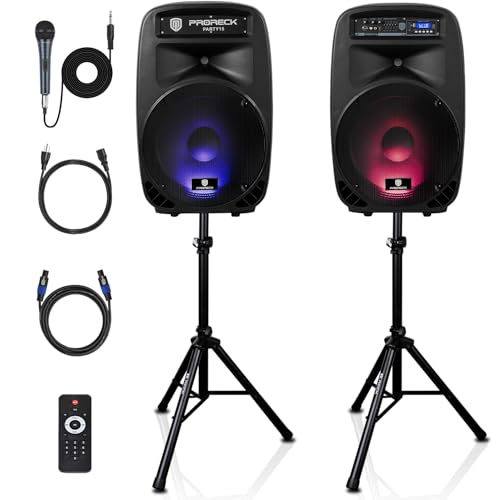
Performers working with a strict budget who still need room filling bass and a complete starter bundle should consider the PRORECK Party 15 Portable 15-Inch 2000 Watt 2-Way. It arrives with stands, cables, and versatile media playback options to get your business up and running immediately.
For outdoor wedding ceremonies and remote events where electrical outlets are unavailable, the Yorkville EXM Mobile8 3-Way Battery Powered delivers exceptional clarity in an ultra portable battery operated design. Exploring our advice on organizing your audio transport gear will keep all your cables and accessories protected between gigs.
Frequently Asked Questions
What makes the Best Mobile DJ Speakers suitable for wedding receptions in 2026?
Wedding sound systems must provide exceptional vocal clarity for speeches while delivering balanced audio across wide banquet halls. Column arrays and powered 12 inch to 15 inch cabinets with wide horizontal dispersion work best because they prevent harsh volume spikes near the front tables.
Do I need a separate subwoofer with 15 inch active PA speakers?
A pair of 15 inch powered speakers produces sufficient low frequency punch for crowds of up to 100 to 150 guests indoors. For events exceeding 150 people or high energy dance parties playing modern bass heavy music, adding a dedicated subwoofer takes your production quality to a professional level.
How much continuous power do I need for an outdoor mobile DJ gig?
Outdoor environments lack walls to reflect sound, requiring roughly 8 to 10 continuous RMS watts per person to maintain high energy sound levels. For an outdoor gathering of 100 people, aiming for 800 to 1000 watts of continuous RMS power prevents amplifier distortion and driver damage.
What is the advantage of using Class D amplifiers in modern portable speakers?
Class D amplifiers convert over 90 percent of incoming electricity into usable acoustic power with minimal heat waste. This remarkable efficiency allows manufacturers to build extremely powerful speakers that remain lightweight and easy for a single person to transport.
Can I run my entire mobile DJ setup using Bluetooth wireless connections?
While modern Bluetooth 5.0 and above protocols offer stable background music streaming, primary mixing decks should always use hardwired balanced XLR cables. Hardwired audio connections eliminate the minor latency delays and potential signal dropouts that can ruin live transitions.
How do I prevent microphone feedback during loud mobile events?
Place your main speakers ahead of your microphone position and never point active mics directly at speaker grilles. Choosing sound systems equipped with onboard automatic feedback suppression further cuts out problematic resonant frequencies before unwanted squeals occur.
What is the difference between active and passive speaker systems?
Active speakers feature built in power amplifiers and internal crossovers matched specifically to the internal drivers. Passive speakers require heavy external rack amplifiers and thick speakon cabling, making active units the preferred choice for fast mobile setups.
How long do battery powered DJ speakers last during live performances?
Most rechargeable lithium ion PA speakers provide between 5 and 12 hours of playback at moderate dinner or cocktail volume. When pushed to maximum volume levels during dance sets, continuous runtime generally drops to between 3 and 5 hours.
Why is automatic audio ducking useful for mobile event hosts?
Automatic ducking automatically lowers the background music level whenever someone speaks into a connected microphone. This feature ensures announcements remain clear and intelligible without requiring the DJ to manually pull down music faders each time.
Are molded plastic speaker cabinets durable enough for touring?
High impact polypropylene and ABS molded enclosures are engineered to withstand heavy loading and minor impacts without denting. While wooden cabinets offer slightly warmer acoustic resonance, molded plastic cabinets are significantly lighter and far more weather resistant for mobile performers.





Write Your Review
No reviews yet. Be the first to share your experience!