

Low arches and flat feet require specialized footwear to prevent excessive inward rolling during rugged trail hikes. Without adequate arch reinforcement and heel stabilization, extended treks often cause sharp heel strain and rapid leg fatigue. Finding the right pair makes a substantial difference across uneven mountain paths.
Our detailed guide for September 2026 reviews 7 selections from leading footwear innovators like Merrell, FitVille, OrthoComfoot. Modern trail designs now integrate advanced orthotic footbeds and high-density midsoles to keep your feet perfectly aligned. You can read our practical outdoor how to guides to optimize your gear setups before heading out.
Choosing appropriate trail footwear avoids common purchasing blunders like buying boots that lack structured torsional rigidity. We evaluate key factors such as heel counters, molded shanks, and wide toe boxes so you can hike comfortably without pain. This breakdown highlights the critical engineering details that support low arches on demanding backcountry trails.




Arch Support Structure and Molded Nylon Shanks
Arch support forms the foundation of any supportive hiking shoe built for hikers with flexible or rigid flat feet. Flat feet tend to overpronate under heavy backpack weight, causing the internal arch structure to collapse downward against the insole. Sturdy reinforcement along the medial side holds the foot in neutral alignment across rocky slopes.
When evaluating technical specifications, look closely for integrated molded nylon or fiberglass arch shanks embedded within the midsole. These rigid internal components stop the boot from flexing unnaturally beneath the midfoot arch during steep ascents. A boot without a shank will bend like a sneaker and fail to support fallen arches.
A quick way to test structural support is by attempting to twist the boot along its length. If the footwear twists easily between your hands, it will not protect your arch on uneven rocks. Select models with reinforced nylon arch shanks to prevent sudden arch strain and tendon inflammation.
Midsole Cushioning and Shock Absorption Materials
Hiking impacts generate continuous shockwaves that travel directly up the leg when arches cannot naturally absorb ground forces. Standard foam insoles compress quickly, losing their protective bounce after only a few miles of rocky trail walking. Durable cushioning systems protect sensitive joints from repetitive ground contact stress.
Midsole engineering generally utilizes either compression-molded EVA foam or dense polyurethane blends to handle heavy impact. Lightweight EVA foam delivers instant step-in softness, while specialized air cushioning units in the heel disperse sharp strike forces. Check whether the boot specifies firm multi-density foam along the inner edge for overpronation control.
As a general rule of thumb, avoid overly soft or squishy midsoles that bottom out under trail pack loads. A balanced mid-density EVA compound offers the ideal mix of shock reduction and long-lasting rebound support. Boots that maintain rebound resilience keep your plantar fascia relaxed throughout full-day wilderness excursions.
Heel Cup Stability and Counter Rigidity
The heel counter is the stiff plastic or composite cup built into the rear structure of the hiking boot. Flat feet frequently suffer from excessive rearfoot motion, which pulls the Achilles tendon out of healthy vertical alignment. A firm heel cup locks your calcaneus bone securely in place to eliminate excess side-to-side wobble.
High quality trail boots integrate external molded heel collars or reinforced thermal plastic counters surrounding the rear ankle. Look for designs featuring deep anatomical heel cups that wrap snugly around the back of your foot. This cupping mechanism centralizes the natural fatty heel pad beneath the bone for built-in shock absorption.
Test heel rigidity by squeezing the back of the boot just above the sole line with your thumb and fingers. If the counter collapses inward easily under moderate hand pressure, it will not stabilize your gait outdoors. Choose boots with rigid external heel collars to keep your step steady on steep grades.
Toe Box Width and Forefoot Splay Space
Hikers with flat feet often possess wider forefeet because fallen arches naturally spread the metatarsal bones outward. Cramping wide feet into narrow, tapered hiking footwear leads to severe bunions, pinch blisters, and nerve numbness. Providing sufficient lateral space allows the toes to splay naturally during every forward push-off.
Manufacturers specify footwear widths ranging from standard Medium D widths up to generous Wide 2E and Extra Wide 4E builds. Look for boots that feature roomy toe box dimensions alongside anatomical forefoot contours for optimal comfort. You can check our guide on how to simplify your closet and storage system with shoe rack and jewelry armoire for organizing footwear collections.
When sizing your trail boots, ensure you have roughly a half-inch of clearance in front of your longest toe. Your toes should never press against the side walls when stepping downhill on steep declines. Selecting wide toe box options prevents painful friction and allows natural foot mechanics on rough trails.
Outsole Traction and Multi-Directional Lug Patterns
Outsole traction is vital for maintaining balance when navigating loose gravel, slippery mud, and slick wet boulders. Flat-footed hikers who overpronate place uneven pressure patterns across the sole, demanding dependable multi-surface grip. Robust rubber compounds ensure confident footing even when stepping at awkward angles across rugged terrain.
Premium trail footwear frequently features specialized rubber compounds such as Vibram TC5+ outsoles with aggressive tread patterns. Look for multi-directional lugs that measure between four and five millimeters in depth for all-terrain versatility. Deeper lugs bite effectively into soft soil, while wide channel spacing sheds sticky mud rapidly.
If you hike primarily on wet granite or technical river crossings, prioritize softer, sticky rubber compounds over ultra-hard rubbers. Softer compounds adhere superiorly to wet rock surfaces without sacrificing durability on dry dirt. Inspect lug patterns carefully to guarantee reliable traction on varied backcountry trails.
Ankle Collar Height and Joint Protection
Ankle collar height plays a crucial role in overall joint protection, especially for hikers prone to rolling ankles. Low arches diminish the natural stabilizing mechanics of the foot, placing additional rotational torque directly on the lower leg. Mid-cut and high-cut designs provide external bracing that helps prevent dangerous trail twists.
Compare low-cut trail shoes against mid-height boots that wrap snugly around the ankle bone with padded collars. Mid-cut boots feature supportive lacing hardware that allows you to lock the heel down securely while cushioning the joint. Bellows tongue designs also prevent sharp trail debris, dirt, and small stones from entering the boot interior.
For hikers carrying heavy multi-day backpacks or trekking on scree fields, mid-cut boots offer the best balance of safety. If you prefer agile day hikes on groomed paths, low-cut shoes with molded arch shanks remain a viable alternative. Weigh your typical pack weight against your ankle stability needs before deciding on collar height.
Waterproofing Membranes and Moisture Management
Keeping feet dry during wet weather hikes is essential for preventing painful hotspots, soft tissue maceration, and blister formation. Waterproof membranes line the inner boot to seal out rainfall, river splashes, and morning dew while expelling internal moisture. Hikers with flat feet must keep friction low, which requires proper climate control inside the footwear.
Technical boots utilize proprietary waterproof membranes or breathable water-repellent composite uppers to manage trail moisture. These microscopic pore structures block liquid water droplets from penetrating inward while letting vaporized sweat escape effortlessly. Check whether the boot pairs its waterproof lining with breathable mesh panels to maintain steady ventilation in warmer climates.
Remember that waterproof membranes add slight warmth and dry more slowly once water enters over the ankle collar. If you frequently hike in hot, arid desert conditions, non-waterproof mesh designs provide superior cooling and rapid drying. Choose waterproof linings when confronting persistent rain, slush, or wet forest underbrush.
Removable Orthotic Footbeds and Insole Compatibility
Many flat-footed hikers require custom orthotics or medical-grade insoles prescribed by podiatrists to manage specific structural alignment issues. Hiking boots that feature glued-in insoles prevent you from inserting tailored orthotics, limiting your comfort adjustments. Removable factory insoles allow effortless customization to match your personal arch height.
High quality boots include removable contoured insoles, such as Kinetic Fit ADVANCED or ArchCore footbeds with reinforced heel cushioning. These factory footbeds provide medium arch support and moisture-wicking top covers right out of the box. Check the internal volume of the boot to ensure it accommodates thicker replacement orthotics without crowding your instep.
Always test your custom orthotic inserts inside the hiking boot before embarking on an extensive mountain trek. The replacement insole should sit flat against the boot base without buckling along the inner heel wall. Proper insole integration ensures seamless biomechanical support throughout your outdoor adventures.
Upper Material Construction and Durability
The upper construction determines how well the boot maintains its structural integrity after months of rough trail abuse. Flat feet apply continuous lateral stretching forces against the footwear uppers due to pronation movements during stride cycles. Strong upper materials resist blowouts and retain their supportive shape over hundreds of trail miles.
Common upper materials combine premium pigskin leather, synthetic leather overlays, and high-abrasion mesh fabrics for maximum durability. Full leather uppers provide exceptional tear resistance and water repellency, while synthetic mesh inserts reduce overall footwear weight. Inspect the stitch lines and rubber toe caps for reinforced reinforcement against sharp trail obstacles.
Balance your preference for lightweight breathability against the long-term durability required for abrasive mountain terrain. Hybrid leather and mesh uppers offer the optimal compromise between breathability, structural stability, and abrasion resistance. Regular cleaning and conditioning will extend the lifespan of your leather hiking footwear.
| Boot Feature | Flat Foot Requirement | Primary Trail Benefit | Recommended Specification |
|---|---|---|---|
| Internal Shank | Rigid midfoot support | Prevents painful arch collapse | Molded nylon or fiberglass |
| Heel Counter | Deep anatomical cup | Controls excess pronation | Reinforced external collar |
| Midsole Foam | Responsive firm cushioning | Absorbs heavy joint impact | Multi-density EVA with air pod |
| Forefoot Fit | Wide toe box clearance | Accommodates natural foot splay | Wide 2E or Extra Wide 4E |
| Outsole Rubber | Aggressive multi-lug grip | Maintains steady footing | Vibram TC5+ with 5mm lugs |
Why You Should Trust Us
Our outdoor gear specialists analyze technical footwear specifications to deliver reliable, objective advice for hikers with structural foot conditions. We evaluate internal shank materials, midsole densities, heel collar designs, and outsole tread patterns across established outdoor brands. Our focus is helping you identify footwear that actively supports low arches and prevents trail fatigue.
We continuously track footwear updates, verified product specifications, and manufacturing revisions across brands such as Merrell, FitVille, and OrthoComfoot. By cross-referencing design features with podiatric guidelines for flat feet, we ensure our comparisons remain completely current. You can discover more helpful equipment guides on our outdoor and home guides page.
We maintain complete editorial independence and do not accept sponsored product placements or manufacturer incentives. Every recommendation stems from transparent analysis of structural support, fit profiles, and real-world trail performance metrics. Our goal is to provide honest assessments that help you make confident purchasing decisions for your outdoor journeys.
Final Thoughts
Selecting the right hiking footwear for flat feet transforms exhausting backcountry treks into comfortable, pain-free outdoor adventures. When your arches receive firm shank reinforcement and your heels stay locked inside rigid counters, your entire body benefits. Investing in supportive trail footwear protects your knees, hips, and lower back from excessive hiking strain.
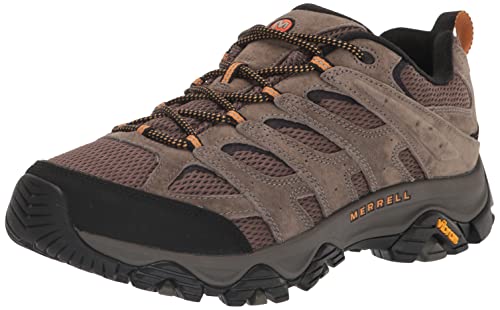
For our best overall recommendation, the Merrell Men’s Moab 3 Mid Waterproof Hiking Boot delivers exceptional all-around performance. Its molded nylon arch shank, Vibram TC5+ traction outsole, and waterproof membrane provide reliable support across diverse terrains. Hikers seeking a low-cut variation with identical stability will appreciate the Merrell Men’s Moab 3 Hiking Shoe, Walnut.
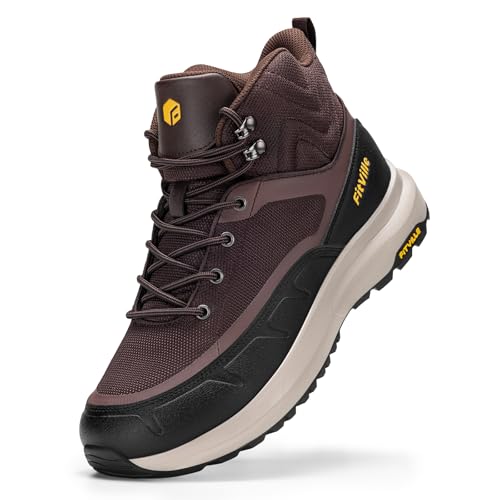
For hikers needing maximum forefoot volume and orthopedic arch relief, the Men’s Orthopedic 4E Wide Waterproof Hiking Boots stands out. Its podiatrist-designed orthotic insole and generous 4E toe box alleviate plantar fasciitis pressure without pinching sensitive feet. Budget-conscious hikers who prioritize step-in comfort will also benefit from the FitVille Wide Mens Boots Orthopedic Hiking Shoes.
Take time to properly lace and break in your chosen footwear on shorter walks before tackling rugged mountain trails. You can explore our tutorial on how to compare underbed storage bin and storage cube before you buy to organize your seasonal hiking gear. Equipping yourself with well-structured boots ensures countless miles of trail comfort and stability.
FAQs
What features should you look for in Best Men’s Hiking Boots for Flat Feet in 2026?
Look for boots featuring rigid molded nylon shanks, deep heel cups, and firm multi-density EVA midsoles. These components prevent arch collapse and control overpronation when navigating uneven rocky trails. Roomy toe boxes and removable orthotic insoles also ensure long-distance hiking comfort.
Do hikers with flat feet need mid-cut boots instead of low-cut hiking shoes?
Mid-cut boots provide superior ankle collar support, which helps counteract the rotational instability often caused by fallen arches. Low-cut hiking shoes remain suitable for easy trails if they contain a stiff internal arch shank. However, mid-cut boots offer essential joint bracing when carrying heavy multiday backpacks.
Can you use custom orthotics in Best Men’s Hiking Boots for Flat Feet?
Yes, most quality hiking boots come equipped with removable contoured footbeds that can be swapped for custom orthotics. Ensure the boot offers sufficient internal volume so your medical insert does not crowd your instep. Testing the fit with your standard hiking socks guarantees optimal arch alignment.
Why do flat feet cause knee and lower back pain during hiking trips?
Flat feet tend to overpronate, causing the lower leg bones and knees to rotate inward with every trail step. This irregular gait pattern transfers excessive rotational force upward into the hip joints and lower back muscles. Supportive boots with torsional rigidity keep the entire kinetic chain properly aligned.
Are wide width boots necessary for people with flat feet?
Many individuals with flat feet benefit greatly from wide or extra-wide footwear options like 2E or 4E widths. When arches collapse, the metatarsal bones spread outward, requiring extra room in the forefoot. A wider toe box prevents painful side-pinching, blisters, and compressed toe nerves.
How stiff should the sole of a flat foot hiking boot be?
The sole should provide moderate to high torsional stiffness, meaning it resists twisting along its longitudinal axis. While the forefoot must bend slightly at the toe break for natural stride mechanics, the midfoot must remain rigid. A stiff shank protects your plantar fascia from overstretching on steep mountain climbs.
How often should you replace your hiking boots for flat feet?
Most hiking boots should be replaced every 400 to 600 trail miles depending on terrain roughness and load weight. Over time, internal foam midsoles lose their rebound resilience and internal arch shanks may soften. Inspect your outsoles and midsole compression lines regularly to ensure ongoing joint protection.
Is waterproof footwear necessary for flat-footed hikers?
Waterproof boots are essential when hiking in wet, muddy, or snowy environments where moisture softens the skin. Keeping your feet dry reduces friction hotspots that can quickly turn into painful blisters during long treks. However, breathable non-waterproof boots work better in dry, hot desert climates.
What is the top-rated option among Best Men’s Hiking Boots for Flat Feet in 2026?
The Merrell Men’s Moab 3 Mid Waterproof Hiking Boot remains a top-rated choice for its balanced arch support and durable Vibram sole. Its Kinetic Fit insole and molded nylon shank provide reliable motion control across diverse outdoor terrains. It continues to deliver outstanding comfort for hikers with low or fallen arches.
How do you prevent heel slippage in hiking boots when you have flat feet?
Use heel-lock lacing techniques, also known as the runner’s loop, to secure your heel firmly into the rear counter. Ensure you choose boots with deep, anatomical heel cups that wrap snugly around your calcaneus bone. Proper lacing prevents forward foot sliding on steep downhill descents.



Write Your Review
No reviews yet. Be the first to share your experience!