

Waking up to a dependable pot of coffee is one of the quiet pleasures of any household routine. When you evaluate the Best Drip Coffee Makers for Daily Use across our 7 featured options for September 2026, the goal is simple convenience paired with balanced flavor extraction. A good machine must deliver consistent morning heat without demanding complicated maintenance rituals before you leave for work.
Many shoppers mistakenly purchase oversized or overly complex machines that clutter counters and trap scale inside inaccessible pipes. Choosing durable appliances for your everyday routine mirrors the practical decisions covered in our home and living planning resources. The right brewer should match your household drinking habits, your kitchen clearance, and your patience for scrubbing carafe spouts.
In this comprehensive guide, we examine what separates mediocre brewing from exceptional daily performance. From thermal stability and showerhead water dispersion to front-loading reservoirs, we highlight the engineering details that truly matter. Let us look at the top contenders before analyzing the critical buying criteria.




Buying Guide: How to Choose the Best Drip Coffee Makers for Daily Use
Selecting a machine that you rely on every morning requires looking closely at mechanical durability and ergonomics. Small design flaws like a poorly shaped spout or a cramped water port turn into daily frustrations over months of use. Here are the critical factors you should evaluate before choosing your next brewer.
Carafe Capacity and True Liquid Yield
Coffee maker manufacturers define a cup as five fluid ounces rather than the standard eight-ounce culinary cup. This means a standard twelve-cup glass carafe yields roughly sixty ounces of brewed liquid, or roughly four standard breakfast mugs. If your household runs on large insulated travel tumblers, you must calculate capacity based on actual fluid ounces rather than advertised cup counts.
Buying a machine that matches your daily volume prevents waste and ensures proper extraction. Brewing two cups in a massive fourteen-cup basket often leaves water channeling through shallow grounds, resulting in weak and sour coffee. Conversely, a compact five-cup unit is ideal for solo drinkers who want fresh coffee without pouring leftover pots down the sink.
A practical rule of thumb is to measure your favorite morning mug with a measuring cup before shopping. Double that liquid volume if you share coffee with a partner, and look for carafes with clear ounce markings. Clear markings prevent morning measurement errors and ensure the coffee-to-water ratio remains balanced day after day.
Water Reservoir Ergonomics and Access
The daily ritual of filling a coffee maker reveals whether the machine was designed for real kitchens. Top-loading reservoirs placed under low upper cabinets force you to slide a heavy appliance forward across your countertops every single morning. Over time, that friction scratches surfaces and increases the likelihood of messy water spills behind the machine.
Front-loading compartments and fully removable water tanks solve this problem completely. A removable tank can be carried directly to the sink or filtered water pitcher, eliminating the awkward balancing act of pouring from a full glass carafe. If your kitchen layout features low cabinetry, prioritising front-facing access will save considerable effort during rushed morning routines.
You can apply similar layout logic when arranging other spaces, as shown in our practical home maintenance guides. Always measure the vertical clearance between your countertop and the bottom of your cabinets before buying a top-hinged model. Leaving at least four inches of extra clearance ensures comfortable filling without steam condensing against wooden upper cabinetry.
Showerhead Saturation and Extraction Geometry
Even saturation of the coffee bed is the most important mechanical factor in brewing smooth, rich coffee. Basic drip coffee makers often employ a single central drip nozzle that streams hot water directly down the middle of the grounds. This single stream creates deep channels, leaving the outer perimeter of ground coffee dry and severely underextracted.
Modern brewing systems use wide, multi-hole showerheads or vortex dispersion nozzles that distribute water uniformly across the entire filter basket. By soaking the entire surface area simultaneously, these showerheads extract balanced oils, sugars, and aromatic compounds from every coffee granule. This eliminates the sour bitterness that plagues cheaper, narrow-stream drip machines.
When comparing specifications, look for terms like vortex saturation, wide dispersion, or multi-port showerheads. You can easily test saturation quality by checking your spent filter basket after brewing. A flat, evenly soaked bed of coffee grounds indicates optimal dispersion, whereas a deep crater in the center reveals inefficient channeling.
Warming Plate Temperature and Flavor Preservation
Warming plates keep carafes hot, but excessive bottom heat can quickly scorch delicate brewed coffee into an undrinkable, bitter liquid. Standard heating elements operate at a fixed, aggressive temperature that boils off subtle aroma notes within thirty minutes. Machines featuring adjustable carafe temperature settings allow you to choose lower heat levels that preserve flavor integrity over several hours.
Safety is another vital consideration for daily heating appliances. Automatic shutoff timers running between two and four hours give you peace of mind when leaving home in a hurry. Units that let you adjust or bypass the shutoff window provide valuable flexibility for long weekend brunches where family members grab refills at different times.
If you prefer keeping coffee warm for more than an hour, choose a model with low-temperature hot plate options. Alternatively, you should consider pouring freshly brewed coffee into an insulated stainless travel mug right away. Thermal carafes retain natural brewing heat without cooking the acids, keeping the final cup as smooth as the first.
Filter Basket Styles and Operational Costs
Daily brewers utilize either cone-shaped filter baskets or flat-bottomed paper filter chambers. Cone filters focus water flow through a concentrated bed, generally yielding a brighter and more articulate flavor profile from light and medium roasts. Flat-bottom baskets provide a broader surface area, which favors classic medium and dark roast flavor profiles with deeper body.
You must also decide between reusable mesh gold-tone filters and compostable paper filters. Reusable mesh filters save money and reduce daily landfill waste, but they allow fine coffee silt and natural oils to pass into the carafe. Paper filters trap those fine colloids and oils, producing a crystal-clear cup with lower bitterness and less cleanup residue in the pot.
A smart practical calculation involves evaluating ongoing supplies. If your household brews twice daily, you will consume over seven hundred paper filters per year. Having a machine that accommodates both standard paper filters and an eco-friendly permanent mesh basket provides the best balance of emergency convenience and taste customization.
Programmability and Sneak-A-Cup Mechanisms
A twenty-four-hour programmable delay timer transforms your morning by having hot coffee ready the moment your alarm sounds. Intuitive digital interfaces with rubberized buttons and backlit displays make evening setup simple, even in dim kitchen lighting. Look for machines with straightforward clock programming rather than confusing nested menus that reset during minor power flickers.
Mid-brew pause mechanisms, often marketed as sneak-a-cup or auto-pause features, allow impatient drinkers to pull the carafe out mid-cycle without dripping onto the hot plate. A mechanical spring-loaded stopper seals the brew basket for twenty to thirty seconds while you pour. This feature saves countertops from sticky puddles when someone cannot wait for a twelve-cup cycle to finish.
Keep in mind that pouring mid-cycle catches the most concentrated part of the brew. To ensure consistent strength across the entire batch, swirl the carafe thoroughly after the full brewing cycle finishes. This blends the dense initial extraction with the lighter tail-end liquid for a uniform taste.
Small Batch Optimization Cycles
Standard twelve-cup coffee makers pump water at a rapid flow rate designed to saturate a thick bed of grounds. When you brew only one to four cups in a large machine, water rushes past the sparse coffee bed far too quickly. This brief contact time leads to thin, underdeveloped coffee that tastes sour and disappointingly weak.
Dedicated one-to-four cup settings solve this flow rate mismatch electronically. When engaged, the machine pulses the water pump, allowing hot water to pause and saturate the grounds thoroughly before draining into the carafe. This extended extraction cycle delivers rich, full-bodied coffee even when brewing solitary morning mugs.
If you regularly switch between brewing for crowds and brewing for yourself, a small-batch setting is non-negotiable. It gives you the flexibility of a large entertainer machine without sacrificing personal single-serving flavor. Check product specifications to verify whether the pulse mode adjusts heating element cycles alongside water flow.
Spout Geometry and Drip Prevention
Few kitchen annoyances match a poorly designed carafe spout that dribbles hot coffee onto the countertop with every tilt. Glass carafes with blunt, rounded lips often fail to break liquid surface tension, causing coffee to run down the exterior glass and sizzle against the hot warming plate. Precision-molded spouts with sharp, tapered pouring edges guide liquid cleanly into mugs.
Handle balance also influences pouring accuracy and comfort. Ergonomic handles with textured grips reduce wrist strain when tipping a fully filled sixty-ounce glass vessel. Dishwasher-safe borosilicate glass construction ensures the carafe withstands heat shock without cracking or retaining stubborn coffee oils that turn rancid over time.
Before using a new machine, test its pouring performance over the sink using plain tap water. Tilt the carafe at varied pouring angles to observe the stream stability. A well-designed spout creates a smooth, laminar stream that stops cleanly the instant you raise the handle upright.
Cleaning Cycles and Limescale Prevention
Hard municipal water deposits mineral scale inside heating tubes, gradually choking water flow and lowering brewing temperatures. A machine running full of scale brews lukewarm, bitter coffee and eventually burns out its thermal fuse. Dedicated self-cleaning cycles run extended descaling flushes using vinegar or descaling solutions to clear internal plumbing safely.
Automated clean indicators track cumulative brewing cycles and illuminate a warning light when maintenance is required. This automated tracking removes the guesswork from appliance upkeep and extends the working lifespan of your brewer. Removable brew baskets and wipe-clean silicone showerheads further simplify weekly sanitizing routines.
For more home appliance care strategies, explore our home maintenance recommendations. Running a descaling cycle every sixty days keeps heating elements performing at peak efficiency. Consistent maintenance ensures your coffee brews at optimal extraction temperatures for years of daily service.
| Feature Spec | Compact 5-Cup | Standard 12-Cup | Advanced 14-Cup |
|---|---|---|---|
| Liquid Capacity | 25 fl oz | 60 fl oz | 70 fl oz |
| Primary Filter Type | Permanent Basket | Paper / Mesh Combo | Gold-Tone Permanent |
| Programming Support | Simple Switch | 24-Hour Timer | Full Digital Automation |
| Plate Heat Control | Fixed Warm | Fixed 2-Hour Plate | Low / Med / High Settings |
| Best Fit Household | Solo / Small Apartment | Couple / Shared Home | Entertainers / Heavy Drinkers |
Why You Should Trust Us
Our appliance research focuses on mechanical reliability, real kitchen ergonomics, and measurable performance standards. We systematically analyze water heating profiles, reservoir accessibility, carafe spout precision, and long-term descaling accessibility across multiple brands. We prioritize features that withstand rigorous, twice-daily kitchen use over flashy, superficial gimmicks.
We evaluate user-serviceable components like removable brew baskets and washable filter housings to ensure everyday maintenance remains hassle-free. Our team reviews design blueprints and user manuals to confirm water delivery geometry and safety shutoff mechanisms. This data-driven evaluation ensures our recommendations provide practical, dependable morning value.
Our review catalog stays continually updated as manufacturers release newer iterations and update electrical components. By comparing specifications against real consumer feedback and engineering teardowns, we maintain objective buying advice. We help you choose a kitchen brewer that makes great coffee without unnecessary mechanical headaches.
Final Thoughts
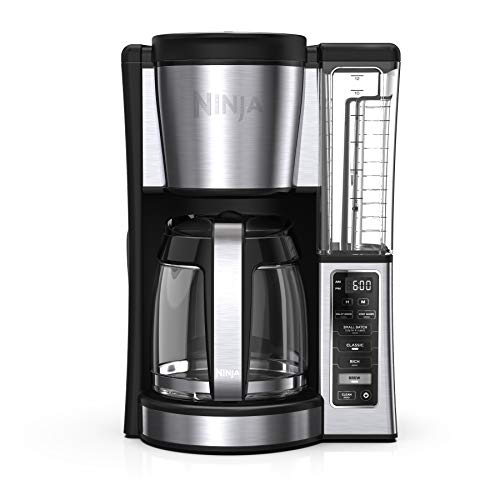
For large households and passionate coffee drinkers who want uncompromising control, our top overall recommendation is the Cuisinart Coffee Maker, Programmable. Its generous fourteen-cup capacity, customizable brew strength options, and adjustable carafe temperature settings make it an adaptable centerpiece for busy kitchens. You can dial in the warming plate to preserve fresh flavor profiles across lengthy mornings.
If you need exceptional convenience under tight cabinetry, the Hamilton Beach FrontFill 12 Cup Programmable Drip delivers brilliant everyday utility. The swing-open front reservoir eliminates countertop dragging, while the automatic cleaning cycle alerts ensure limescale never ruins your morning extraction. It delivers balanced brew strength settings at an accessible price point.
For smaller kitchens, tight budgets, or solo mornings, the Mr. Coffee® 5-Cup Mini Brew Switch Coffee Maker represents outstanding compact value. Its simplified one-switch operation, ergonomic pouring carafe, and rapid heating coil brew five cups with zero fuss. It saves precious counter space while delivering consistently hot, fresh coffee day in and day out.
Organizing your kitchen countertops with dependable appliances creates an orderly morning routine, much like the spatial strategies in our home storage organization guides. Whichever machine suits your countertop, pairing balanced brew settings with fresh water guarantees a satisfying start to your day.
Frequently Asked Questions
What makes the Best Drip Coffee Makers for Daily Use stand out in 2026?
Top modern brewers distinguish themselves through consistent thermal stability and advanced water dispersion showerheads that soak grounds evenly. They also feature front-accessible reservoirs and customizable warming plates that keep coffee hot without burning delicate aromatic oils. Reliable drip coffee machines focus on long-term mechanical durability and straightforward morning cleanup.
How often should you descale a daily drip coffee maker?
You should run a descaling cycle every thirty to sixty days depending on the mineral hardness of your tap water supply. Homes with hard water accumulate calcium deposits quickly, which restricts boiler flow and lowers brewing water temperatures. Regular flushing with a dedicated descaler or diluted white vinegar keeps your internal heating tubes clean and efficient.
Is a permanent mesh filter better than standard paper filters?
Permanent gold-tone mesh filters save money over time and eliminate daily paper waste from your kitchen trash bin. However, paper filters absorb oily diterpenes and trap micro-fines, resulting in a noticeably cleaner cup with crisp flavor clarity. Choosing between them depends on whether you prefer full-bodied richness or a clean, sediment-free morning mug.
What is the ideal water temperature for drip coffee extraction?
Specialty coffee standards recommend brewing with water temperatures held steadily between 195 and 205 degrees Fahrenheit throughout the cycle. Water below this range produces weak, sour coffee due to underextraction of complex flavor compounds. High-quality drip brewers engineer heating coils that reach this target window rapidly and maintain it evenly.
Can I leave brewed coffee on the warming plate for several hours?
Leaving glass carafes on standard hot plates for longer than forty-five minutes continuously cooks the liquid, producing harsh, acrid flavors. If your coffee maker features adjustable low-heat plate settings, you can stretch that window comfortably to roughly ninety minutes. For keeping coffee hot past two hours, transferring the brew into an insulated thermal carafe is best.
Why does my coffee maker overflow from the filter basket?
Filter basket overflows usually occur when coffee grounds are ground too finely, creating an impenetrable barrier that blocks draining water. Overfilling the basket beyond the recommended scoop ratio or using paper filters that collapse inward can also cause overflows. Always use a medium drip grind size and verify that the basket drains freely before starting a cycle.
How do sneak-a-cup pause mechanisms prevent hot plate messes?
These mechanisms utilize a spring-loaded rubber seal situated directly underneath the filter basket housing. When the carafe rests on the plate, its lid pushes the spring open, letting coffee drain freely into the pot. Removing the carafe lets the spring snap shut, halting liquid flow for twenty to thirty seconds while you pour.
Does pre-ground coffee work well in programmable drip brewers?
Pre-ground coffee works adequately for morning convenience, especially when setting automatic twenty-four-hour timers the evening prior. However, pre-ground beans oxidize rapidly once exposed to oxygen, losing vibrant aromas within several days of opening the bag. Grinding whole beans just before filling the machine delivers noticeably richer, more aromatic morning coffee.
What is the standard ratio of coffee grounds to water for drip machines?
A dependable starting ratio is one to two tablespoons of medium-grind coffee for every six ounces of fresh cold water. If your brewer uses five-ounce cup measurements, adjust your scoops slightly downward to avoid overconcentrating the brew. You can fine-tune this baseline to suit personal strength preferences using bold brew control settings.
Why are front-fill coffee reservoirs recommended for modern kitchens?
Front-filling reservoirs allow you to add fresh water and coffee grounds without sliding the machine forward from underneath low-hanging cabinetry. This design avoids scuffing delicate countertop surfaces and prevents hot rising steam from damaging the underside of wooden cabinets. It streamlines morning prep, as detailed in our appliance care guides.






Write Your Review
No reviews yet. Be the first to share your experience!