

Lawn mower spindles, wheel bearings, and steering linkages endure punishing conditions every time you cut the grass. Spinning deck pulleys generate intense heat, while grass clippings, moisture, and fine dust constantly attempt to breach bearing seals. Selecting the right lubricant prevents premature mechanical failure and saves you from costly deck repairs during peak cutting season.
Many equipment owners mistakenly use whatever general-purpose tub of grease happens to sit on the garage shelf. Mower components require specialized formulations with extreme pressure additives, superior water washout resistance, and robust mechanical stability. In this September 2026 update, we evaluated 7 lubricants to help you maintain your equipment according to our maintenance guides.



NLGI Consistency Grade
The National Lubricating Grease Institute establishes standard consistency grades ranging from fluid double-zero greases to solid block formulations. For lawn mower spindles, caster pivots, and chassis zerks, NLGI Grade 2 represents the universal standard. Grade 2 grease possesses the consistency of peanut butter, allowing it to stay inside open bearings without channeling or running out.
Selecting a lighter Grade 1 grease might lead to fluid loss around high-temperature spindle assemblies during hot summer afternoons. Conversely, a stiff Grade 3 grease creates excessive internal friction and fails to flow properly inside standard hand-pump grease guns. Sticking strictly to NLGI Number 2 ensures consistent distribution across all moving metal surfaces without clogging small zerk fittings.
Always inspect product packaging to verify NLGI certification before filling your grease gun for seasonal maintenance. Premium products display their grade prominently alongside automotive GC-LB chassis classifications. A reliable Grade 2 product guarantees steady flow through narrow grease passages while maintaining an enduring barrier against raw metal contact.
Thickener Base and Chemistry
The thickener serves as a structural sponge that holds the lubricating base oil in place against spinning components. Lithium complex thickeners dominate the lawn care landscape because they deliver balanced heat tolerance and shear stability. Other common thickeners include calcium sulfonate and polyurea, both known for specialized industrial resilience.
Compatibility between different thickener types is a crucial factor that equipment owners frequently overlook. Mixing incompatible thickeners, such as lithium complex with aluminum complex or sodium soap, causes the grease to liquefy and bleed out completely. When switching brands or chemistries, thoroughly purge the old grease from the zerk until fresh product emerges from the bearing seal.
Lithium complex formulations provide the safest default option for residential and commercial mowers alike. They blend reasonably well with most factory-fill greases and offer strong mechanical stability under continuous vibration. Check your owner manual specifications, but a high-performance lithium complex tube will service nearly every riding mower and zero-turn machine.
Water Washout Resistance
Mower decks encounter heavy moisture from morning dew, wet grass clippings, and regular pressure washing routines. Water washout resistance measures how effectively a lubricant repels liquid without diluting, emulsifying, or flushing away. If moisture penetrates the grease matrix, internal steel ball bearings quickly develop rust pits and seize under load.
Look for ASTM D1264 test results on product technical data sheets to measure water resistance accurately. Greases with a washout rate below five percent provide exceptional protection against humid turf conditions and deck cleanings. Premium waterproof greases maintain their cohesive structure even when submerged or subjected to direct high-pressure spray from garden hoses.
If you regularly wash your mower deck after mowing damp turf, high water resistance becomes your top buying priority. A water-resistant red or green grease forms a tight hydrostatic seal around the spindle shaft. This physical seal keeps moisture outside the housing while locking pure lubrication against high-speed rotating balls.
Extreme Pressure (EP) Additives
Mower blades encounter sudden shock loads whenever they strike thick grass clumps, hidden roots, or hard soil ridges. Extreme pressure additives, such as sulfur-phosphorus compounds or molybdenum disulfide, react chemically under extreme pressure to prevent metal welding. Without EP protection, the hydrodynamic oil film collapses, allowing microscopic steel surface asperities to tear into one another.
The Four-Ball EP Weld Load test measures the exact pressure a lubricant can withstand before structural failure occurs. Top-tier mower lubricants achieve weld loads exceeding 315 kilograms, providing massive safety margins during severe impacts. You can learn more about mechanical care strategies through our practical how to tutorials.
Always verify that your chosen lubricant specifies EP properties if you manage rough acreage or commercial properties. Shock loads from uneven ground transfer directly into spindle housings and front caster wheel bearings. Greases fortified with EP chemistries cushion these heavy impacts, prolonging the lifespan of expensive rotating assemblies.
High-Temperature Dropping Point
Mower spindle assemblies routinely operate at temperatures exceeding 160 degrees Fahrenheit during long midsummer mowing sessions. The dropping point represents the precise temperature at which a grease transitions from a semi-solid state into a flowing liquid. A high dropping point ensures that grease stays seated inside bearings rather than dripping onto your mower belts.
Standard lithium greases often liquefy around 350 degrees Fahrenheit, which leaves very little margin during heavy-duty cutting. Lithium complex and specialized synthetic greases feature dropping points exceeding 500 degrees Fahrenheit. This elevated thermal ceiling prevents oil separation when friction levels peak inside commercial multi-blade mower decks.
When grease melts from heat, it migrates across the spindle housing and lands directly on rubber drive belts. Slipping drive belts ruin cutting performance and cause premature belt snapping. Selecting a grease with a high dropping point keeps lubricant where it belongs and protects your deck drive belts.
Tackiness and Surface Adhesion
Tackiness refers to the adhesive and cohesive qualities that cause grease to stick stubbornly to metallic surfaces. Centrifugal forces inside high-RPM spindle bearings constantly try to fling lubricant away from internal races. Tacky grease resists sling-off, maintaining an unbroken lubricating film across every contact point inside the bearing cavity.
Polymers added to the grease base create stringy, clinging properties that hold fast under rapid rotational acceleration. While high tackiness provides exceptional stay-in-place power, excessive tackiness can slightly increase rotational drag on smaller residential engines. For commercial mowers spinning blades at over 3,000 RPM, tacky red lubricants provide unmatched boundary lubrication.
A quick test for tackiness involves pressing a dab of grease between two fingers and pulling them slowly apart. Premium tacky greases form visible elastomeric strings rather than breaking cleanly. This cohesive cling ensures that grease bridges small gaps and prevents dry start friction after sitting idle all winter.
Rust and Oxidation Inhibition
Lawn mowers spend extended periods parked in damp sheds, unheated garages, or outdoor carports throughout the winter months. During dormancy, atmospheric humidity condenses inside unsealed spindle housings and creates microscopic surface rust. Grease formulated with active rust and oxidation inhibitors neutralizes acids and shields steel from corrosive degradation.
Oxidation causes base oils to thicken into a hard, sticky varnish that prevents fresh lubricant from circulating freely. Anti-oxidation additives sacrifice themselves to stop oxygen molecules from degrading the petroleum or synthetic hydrocarbon chains. This chemical stabilization ensures that grease remaining in your grease gun or machine preserves its lubrication qualities for years.
Before storing your mower at the end of autumn, pump fresh grease into all fittings until old lubricant purges out. This fills empty air cavities inside spindles, pushing out trapped water and introducing active corrosion inhibitors. When spring arrives, your bearings remain perfectly protected and ready for another full season of operation.
Lubricant Performance Comparison
Understanding how technical specifications differ between popular grease chemistries helps you match the proper tube to your equipment. The table below outlines key operational parameters for standard mower lubrication options.
| Grease Formulation | Thickener Type | Dropping Point | Water Resistance | Primary Application |
|---|---|---|---|---|
| Heavy Duty Red Grease | Lithium Complex | 500°F+ | Excellent | High-Speed Deck Spindles |
| Multi-Purpose HD Grease | Lithium Complex | 450°F+ | Very Good | Chassis, Steering, Pivots |
| Synthetic Heavy Duty | Calcium Sulfonate | 550°F+ | Superior | Commercial Severe Duty |
| General Purpose White | Lithium Soap | 350°F | Moderate | Light Residential Linkages |
Reviewing these characteristics allows you to choose between standard maintenance tubes and severe-duty commercial formulas. Higher dropping points and water resistance ratings directly translate into longer service intervals and fewer bearing replacements over the life of your mower.
Why You Should Trust Us
Our editorial team evaluates outdoor power equipment maintenance products by cross-referencing manufacturer technical data sheets, ASTM standardized testing criteria, and OEM service manuals. We track performance parameters including dropping points, four-ball wear scar measurements, and water washout percentages across every major brand. This data-driven approach removes subjective marketing hype to deliver clear, objective maintenance guidance.
We consult industry engineering standards from the National Lubricating Grease Institute and leading equipment manufacturers like John Deere, Toro, and Husqvarna. Our comparative reviews are continually updated to reflect real-world formulation changes, packaging upgrades, and new additive technologies. We focus on practical durability and mechanical reliability so you can maintain your equipment with complete confidence.
Final Thoughts
Maintaining proper lubrication is the simplest and most cost-effective way to extend the working lifespan of your mower deck and chassis. For exceptional overall performance across both residential and commercial machines, Lucas Oil 10574 Red “N” Tacky Grease – 1 Pound delivers incredible surface adhesion and outstanding thermal stability. Its tacky consistency clings tightly to spinning spindle bearings without slinging onto deck belts.
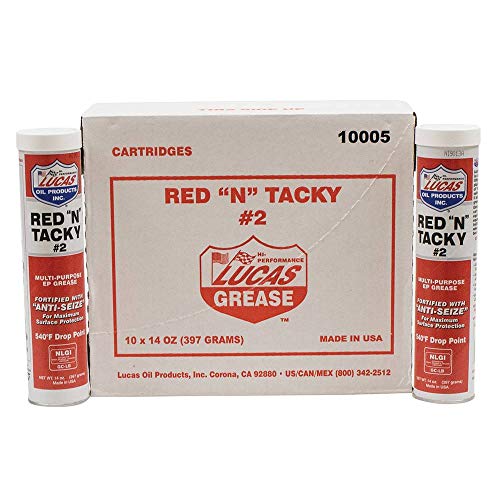
If you service multiple commercial zero-turn mowers or manage large commercial grounds, buying in bulk saves time and money. The Stens Lucas Oil Red N Tacky Grease, (10 Pack) provides dependable OEM-grade protection in convenient shop-ready quantities. For OEM-specific applications on green machinery, John Deere Multi-Purpose HD Lithim Complex Grease ensures full compliance with factory warranty standards.
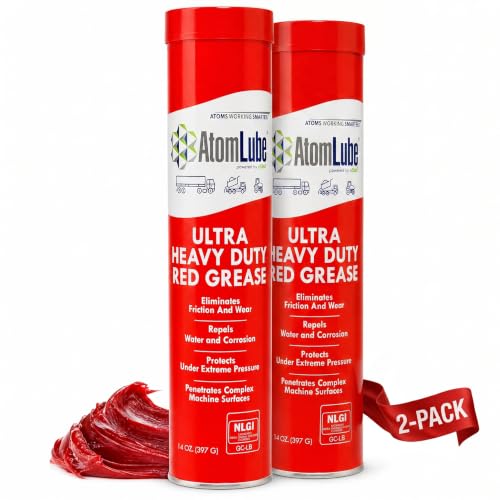
For heavy moisture or wet mowing conditions, AtomLube Ultra Heavy Duty Red Grease and Lucas Oil 14.5 Ounce 10301 Heavy Duty Grease offer extreme water washout resistance. Choosing an appropriate lubricant from our shortlisted selections guarantees smooth operation and prevents premature bearing failure throughout the cutting season. Explore more seasonal home care tips in our home and living maintenance section.
Frequently Asked Questions
What is the top-rated formula when choosing the Best Grease for Mowers in 2026?
An NLGI Grade 2 lithium complex grease with extreme pressure additives and high tackiness is universally regarded as the premier option. Formulas like Red ‘N’ Tacky resist sling-off at high rotational speeds while shielding bearings from moisture and friction during hot summer operations.
How often should I grease my mower deck spindles?
Most commercial mower manufacturers recommend greasing deck spindles every 25 to 50 operating hours. For residential mowers used once weekly, adding fresh grease at the start of the season and halfway through summer provides adequate mechanical protection.
Can I use marine grease on my lawn mower deck?
Marine grease provides exceptional water washout resistance, making it fully capable of protecting mower wheel bearings and pivot joints. However, ensure that the marine formula features extreme pressure additives and an NLGI 2 rating before pumping it into high-load spindle assemblies.
How much grease should I pump into a mower spindle zerk?
Pump two to three strokes of grease from a standard hand gun until you feel slight resistance. Avoid overfilling until bearing rubber seals blow out, as compromised seals allow dirt and moisture to penetrate directly into the bearing race.
Is red grease better than green or blue grease for mowers?
Grease color is simply an added dye used by manufacturers for branding and leak identification rather than an indicator of quality. You must evaluate the base oil viscosity, thickener type, and dropping point rather than relying on color alone.
What happens if I mix two incompatible grease types?
Mixing incompatible thickeners causes the grease structure to break down, resulting in oil separation and thinning. The mixture will bleed out of the bearing cavity, leaving metal components unlubricated and prone to sudden friction failure.
Should I grease my mower before or after washing the deck?
Greasing your mower immediately after washing is the best practice for preventing internal bearing corrosion. Pumping fresh grease purges any water droplets that may have slipped past outer rubber seals during the washing process.
Can I use automotive wheel bearing grease on my lawn mower?
Automotive wheel bearing grease rated GC-LB works exceptionally well on lawn mower spindles and front caster wheels. These lubricants are engineered to handle high temperatures and heavy rotational loads, making them perfectly suited for outdoor lawn equipment.
Why is my mower throwing grease onto the deck belt?
Grease slinging typically occurs when bearings are overfilled or when the lubricant possesses a low dropping point that melts under heat. Using a tacky, high-temperature lithium complex formula prevents lubricant migration onto drive belts.
How do I know if a mower spindle bearing is going bad?
Worn spindle bearings produce noticeable rumbling noises, excessive deck vibration, or uneven blade cut heights. You can also disengage the deck belt and spin the pulleys by hand to check for rough grinding sensations or side-to-side shaft play.






Write Your Review
No reviews yet. Be the first to share your experience!