

Starting elementary school marks a major transition in a child’s daily routine and learning habits. Having a dedicated personal workspace encourages independent study, fosters creativity, and keeps school supplies neatly arranged in one accessible spot.
Choosing among the Best Desks for Early Elementary School Aged Kids requires balancing compact room dimensions with long-term ergonomic comfort. In September 2026, our editorial team evaluated 7 standout models from trusted brands like Guidecraft, UTEX, HONEY JOY and more to help you build an organized learning station at home. You can also explore our guide on children furniture selections for more room layout inspiration.




Key Factors in Choosing the Best Desks for Early Elementary School Aged Kids
1. Ergonomic Sizing and Proportions
Proper posture is essential during the early elementary years when bones and joints develop rapidly. A study desk must match your child’s physical height so their feet rest flat on the floor while elbows bend naturally at a ninety-degree angle.
For children aged five to eight, standard desktop heights typically hover between twenty-two and twenty-six inches. Chairs designed for this age group usually feature seat heights ranging from thirteen to sixteen inches to ensure balanced spinal alignment during homework sessions.
A reliable rule of thumb is to measure the distance from your child’s knee crease to the floor before purchasing. If a chair is slightly too high, you can pair it with an adjustable footrest to maintain proper posture and blood circulation.
2. Storage Capacity and Hutch Configurations
Early elementary students quickly accumulate workbooks, crayons, safety scissors, and folders. Built-in storage features like upper hutches, side cubbies, and under-desk cabinets prevent desktop clutter and foster independence in organizing school materials.
Open vertical shelving allows young learners to see their favorite storybooks and art bins without pulling open heavy drawers. Closed lower cabinets or fabric pull-out boxes provide hidden compartments for loose craft supplies, electronics, or personal keepsakes.
When assessing vertical hutches, check that the top shelf remains safely within your child’s natural arm reach. Keeping daily necessities below eye level prevents dangerous climbing attempts and encourages children to put items away independently after every study session.
3. Materials and Structural Stability
Active young learners can be surprisingly tough on their furniture through daily drawing, writing, and leaning. Sturdy engineered wood, high-density fiberboard, or solid pine legs offer the structural rigidity needed to prevent wobbling or tipping over time.
High-quality painted finishes and scratch-resistant veneers protect the desk surface from accidental marker bleeds, glue spills, and water stains. Smooth surfaces also allow parents to wipe down pencil graphite and paint splatters effortlessly with a damp cloth.
Before making a final choice, inspect the joinery and base leg thickness specified by the manufacturer. Desks with solid cross-supports or broad base footprints deliver superior stability when kids press down heavily during coloring or crafting projects.
4. Safety Certifications and Child-Friendly Edges
Safety is paramount when selecting furniture for children transitioning from toddlerhood to grade school. Look for products that comply with standardized safety certifications such as ASTM International, CPSIA, and Children’s Product Certificates.
These verified accreditations confirm that all paints, sealants, and composite materials are free from hazardous heavy metals and volatile organic compounds. Clean air emissions ensure a healthy indoor environment in small bedrooms or shared nursery study zones.
In addition to chemical safety, physical build details like smoothly rounded corners, recessed screws, and soft-closing cabinet hinges minimize accidental pinches and bumps. You can complement your child’s safety-focused bedroom by reading our advice on comparing bedroom storage bins and cubes.
| Desk Configuration | Target Age Range | Primary Storage Type | Key Benefit |
|---|---|---|---|
| Vertical Hutch Workstation | Ages 5 to 12 | Multi-tier Shelves & Corkboard | Maximizes vertical space in compact bedrooms |
| Two-Child Art Table | Ages 3 to 8 | Open Bookshelves & Stools | Facilitates shared sibling learning and crafts |
| Media Writing Desk | Ages 6 to 12 | Cable Cutouts & Deep Cubbies | Accommodates tablets, laptops, and study books |
| Compact Cabinet Workstation | Ages 3 to 8 | Enclosed Locker & Drawers | Hides bulky craft supplies and keeps rooms tidy |
5. Interactive Pinboards and Whiteboards
Interactive surfaces transform a simple writing desk into an inspiring command center for a young learner. Built-in natural cork bulletin boards let kids pin weekly homework assignments, family photographs, and proud art achievements right at eye level.
Some contemporary workstations incorporate magnetic dry-erase whiteboards directly into the rear hutch panel. These erasable surfaces give students a convenient area to practice math equations, spelling words, and daily task checklists without wasting scrap paper.
Integrated bulletin accessories also help teach early time management skills. Providing your child with colorful push pins and magnetic organizers encourages them to plan reading schedules and track daily school projects independently.
6. Cable Routing and Tech Readiness
Modern elementary education increasingly incorporates school-issued tablets, audio headphones, and educational laptops. Selecting a workstation with thoughtful cord management cutouts keeps power cables neatly grouped and prevents hazardous cord tangles behind the desk.
Side hooks attached to desk gables offer an ideal resting place for bulky backpacks, lunch bags, and over-ear headphones. Elevating school bags off the bedroom floor reduces tripping hazards and protects sensitive electronic peripherals from accidental floor spills.
Ensure the desk surface provides sufficient depth to place a screen at least twenty inches away from your child’s eyes. Maintaining proper viewing distance protects developing vision while leaving ample front clearance for traditional handwriting practice.
7. Desktop Surface Area and Room Footprint
Finding the right balance between desktop surface area and overall room footprint is essential for bedroom harmony. A desktop width between forty and forty-eight inches provides generous space for wide workbooks without dominating valuable floor area.
Before purchasing, measure the available wall space alongside surrounding furniture doors and dresser drawers. Leaving at least thirty inches of clearance behind the chair ensures smooth movement when sitting down or standing up from the workspace.
For compact bedrooms or shared rooms, vertical hutch designs make optimal use of overhead wall space. To coordinate multiple storage pieces across a smaller nursery, check out our guide on budget closet and storage systems.
8. Ease of Assembly and Maintenance
Children furniture arrives flat-packed and requires careful home assembly. Look for units that include pre-drilled holes, labeled hardware packs, and clearly illustrated step-by-step instruction booklets to make the assembly process straightforward.
Long-term maintenance should be quick and stress-free for busy households. High-density composite boards with sealed protective coatings resist liquid penetration, allowing accidental juice or ink spills to wipe clean without causing swelling or paint bubbling.
Periodically inspecting all assembly bolts and chair connectors every six months ensures continued structural rigidity. Tightening hardware slightly as your child grows prevents unwanted wobbles and extends the functional lifespan of the study workstation.
Why You Should Trust Us
Our editorial team specializes in practical home furnishing analysis, family safety standards, and functional children room design. We systematically analyze certified product specifications, material compositions, and ergonomic proportions to provide transparent recommendations for modern homes.
To compile this comparison, we evaluated dozens of children study tables across strict criteria including physical stability, non-toxic finish certifications, and modular storage utility. We monitor dynamic market changes and manufacturer updates continuously to ensure every recommendation remains current and reliable for 2026.
Final Thoughts
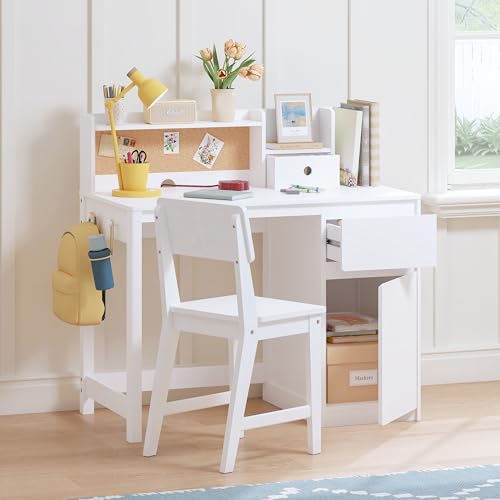
Investing in an ergonomic workstation provides your young student with a structured, inspiring space to develop strong academic and creative habits. For parents seeking a dependable, full-featured study center that accommodates growing kids, the UTEX Wooden Kids Desk and Chair Set with Hutch serves as an outstanding overall solution with its balanced shelves, safety certifications, and built-in corkboard.
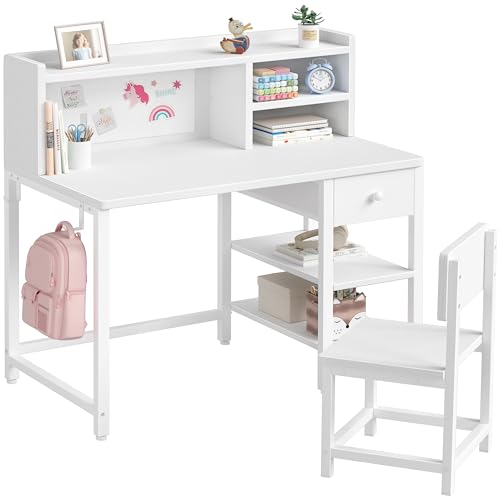
If you are looking for exceptional value with modern interactive features, the HONEY JOY Kids Desk and Chair Set delivers an integrated whiteboard, bulletin space, and robust pine wood chair legs at an accessible entry point. Families with siblings or dynamic art requirements will appreciate the dual-seating layout offered by the Xilingol Kids Desk with Storage and 2 Stools, which fosters cooperative craft projects. For more ideas on organizing shared spaces, explore our bedroom sleep and furniture section.
Frequently Asked Questions
What makes the Best Desks for Early Elementary School Aged Kids suitable for learning?
The best study desks are built with child-specific ergonomic dimensions, sturdy non-toxic materials, and accessible storage compartments. They provide comfortable posture support while keeping books and art materials within safe, independent reach.
What is the ideal desktop height for children aged five to eight?
Desktop heights between twenty-two and twenty-six inches generally suit early elementary students. This allows their forearms to rest comfortably on the table surface without hunching their shoulders or straining their necks.
How do I know if the included desk chair fits my child properly?
When seated back against the lumbar support, your child’s feet should rest completely flat on the floor with knees bent at roughly ninety degrees. There should be a small gap of one to two inches between the front edge of the seat and the back of their knees.
Are wooden study desks better than plastic or metal alternatives?
Solid and manufactured wooden desks offer superior stability, higher weight capacities, and better long-term durability. They also integrate more naturally into bedroom decor and provide sturdy shelving for heavy textbooks.
What safety certifications should I check before purchasing a children desk in 2026?
Always look for compliance with ASTM International standards, CPSIA regulations, and CPC certifications. These credentials confirm that materials and surface paints are thoroughly tested for structural safety and harmful chemical emissions.
How can a built-in hutch help early elementary students stay organized?
A hutch provides vertical open compartments for workbooks and pencil holders, keeping the primary workspace free from clutter. Pinboards allow students to visually track assignment deadlines and celebrate proud artistic achievements.
Can two siblings share a single elementary desk workstation comfortably?
Dual-seat workstations with wide horizontal surfaces of forty-seven inches or more can comfortably accommodate two young learners. Models featuring dual stools and central storage encourage collaborative reading and art projects.
How do I protect a wooden study desk from marker and glue stains?
Most modern children desks feature smooth, water-resistant painted surfaces that wipe clean with mild soap and a soft microfiber towel. Using an inexpensive silicone desk mat during craft sessions provides extra surface protection against sharp pencil tips and permanent inks.
Why are side hooks beneficial on a children study workstation?
Side hooks keep heavy backpacks, lunch totes, and audio headphones elevated off the bedroom floor. This reduces clutter, prevents tripping accidents, and teaches young learners to keep their school gear ready for the next morning.
How much clearance space is required around a student desk in a small room?
You should aim for at least twenty-four to thirty inches of open clearance behind the study chair for smooth movement. For smart room layouts, check our practical how-to home organization guides to maximize limited bedroom floor space.




Write Your Review
No reviews yet. Be the first to share your experience!