

Navigating the Windy City during winter requires specialized footwear capable of handling subzero windchills, sudden snowdrifts, and deep pools of freezing street slush. Commuters often find that standard fashion shoes fail immediately against the biting gusts blowing off Lake Michigan.
To help you prepare for this challenging climate, we examined 7 top options for September 2026, featuring trusted outdoor names such as NORTIV 8, ALEADER, Columbia and more. Whether you are trekking across the Loop or waiting on an elevated train platform, selecting the right gear makes daily travel far more comfortable. You can also explore our How To resources for additional seasonal home and lifestyle organization tips.
Many shoppers mistakenly prioritize style over insulation, only to suffer from numb toes after ten minutes outdoors. This comprehensive review breaks down insulation density, waterproof membranes, tread grip on icy sidewalks, and long-term salt resistance so you make an informed purchase.




Insulation Weight and Temperature Ratings
The primary factor in cold weather footwear is the volume and quality of thermal insulation. Synthetic insulations like Thinsulate trap body heat within microfibers even when exposed to damp conditions, providing warmth without excessive bulk.
Insulation is measured in grams per square meter, typically ranging from 200g for moderate activity down to 400g or more for extreme subzero exposure. A 200g rating handles mild walking commutes comfortably, whereas 400g is ideal if you spend extended periods waiting outdoors in subzero windchills.
As a practical rule of thumb, pair 200g boots with heavy wool socks for active commuting, or choose 400g boots if your daily routine involves standing stationary on windy train platforms.
Waterproofing Systems and Slush Protection
City winters create deep slush puddles at street corners that penetrate standard leather and fabric quickly. True winter boots employ seam-sealed membranes or molded rubber shells to create an impermeable barrier against freezing water.
Look for multi-layer construction combining waterproof leather, polyurethane coatings, and vulcanized rubber outsoles. These materials prevent water infiltration while resisting the degrading effects of chemical road deicers and coarse sidewalk salt.
Always inspect the gusseted tongue design on lace-up models before buying. A fully connected tongue prevents melting slush from sneaking past the eyelets when stepping into unexpectedly deep curbside puddles.
Outsole Traction on Ice and Packed Snow
Sidewalks in urban corridors alternate rapidly between cleared concrete, hard-packed snow, and invisible black ice. Specialized rubber compounds remain flexible in freezing temperatures, ensuring the tread maintains firm contact with slick surfaces.
Check the depth and pattern of the outsole lugs to determine grip capability. Multidirectional, widely spaced lugs channel slush away from the sole and bite into packed snow, preventing dangerous slips during quick pedestrian maneuvers.
Avoid smooth, hard plastic soles that harden in subzero weather and turn into slick skates. Soft thermal rubber compounds provide superior surface friction across frozen bridges and polished stone building entryways.
Shaft Height and Snowdrift Defense
Boot shaft height determines how effectively footwear keeps blowing snow from entering around the ankles. Ankle-height duck boots offer excellent agility, while mid-calf designs provide superior defense against deep winter drifts.
For standard transit commuting on plowed paths, an ankle to lower-calf shaft measuring six to eight inches is generally sufficient. If you frequently shovel unplowed sidewalks or navigate unpaved parks, a nine to ten-inch shaft prevents powder from spilling over the top.
Check for adjustable collars, faux fur trims, or toggle drawstrings at the top of the shaft. Cinching the opening shut creates a reliable seal that locks out stray snow particles on blustery afternoons.
Thermal Insulation and Cold Performance Comparison
Evaluating technical specifications side by side helps you select the right level of protection for your daily schedule. The table below illustrates how different insulation levels, shell materials, and shaft styles perform under harsh winter conditions.
| Insulation Level | Recommended Temperature | Ideal City Use Case | Primary Material |
|---|---|---|---|
| 200g Synthetic | Down to -25°F (Active) | Daily commuting, brisk walking, errands | Waterproof Leather / Textile |
| 400g Heavyweight | Down to -40°F (Low Activity) | Stationary outdoor work, long transit waits | Seam-Sealed PU / Molded Shell |
| Fleece / Microfleece | Down to -15°F (Moderate) | Urban shopping, driving, casual dining | Vulcanized Rubber / Suede |
| Uninsulated Duck Boot | Above 20°F (Mild Wet) | Rainy slush, mild early spring thaw | Full-Grain Leather / Rubber Foxing |
Midsole Cushioning and Commuter Support
Urban winter walking involves miles on unrelenting concrete, which transfers continuous impact shock to joints. Boots equipped with molded EVA or polyurethane midsoles absorb stride impact while insulating the foot from cold pavement underneath.
Examine whether the boot includes supportive arch architecture or a removable footbed. Premium midsoles provide high energy return, keeping your feet energized during long walking commutes through downtown districts.
A thick sole also serves as a thermal barrier between your foot and the frozen concrete. Thin soles allow ground frost to leach heat quickly, regardless of how much insulation covers the upper boot.
Internal Lining and Moisture Management
Keeping feet warm requires balancing external waterproof barriers with internal moisture management. When walking briskly inside heated trains or stores, feet naturally sweat, which can lead to rapid cooling once you step back into freezing wind.
Select boots lined with breathable textiles, moisture-wicking fleece, or specialized faux fur. Removable insoles are particularly beneficial because you can pull them out to dry overnight between heavy daily commutes.
Pairing your boots with merino wool socks enhances moisture transfer away from skin. Check our guide on how to simplify your closet with shoe racks to properly store and dry wet seasonal footwear.
Closure Systems and Daily Convenience
Putting on and removing winter boots multiple times a day should be straightforward. Traditional lace systems offer the most secure, customizable fit, but pull-on models with hook-and-loop straps or toggle cords save valuable time.
Look for rust-resistant metal eyelets, sturdy D-rings, and heavy-duty speed hooks. These hardware components allow you to tighten laces securely even while wearing thick winter gloves on frosty mornings.
If you prefer slip-on designs, verify that the boot features reinforced heel pull tabs and ankle straps. These elements prevent heel slippage and maintain stability when navigating slushy steps and curbs.
Salt Resistance and Material Maintenance
Municipal salt and chemical ice melters leave white mineral rings that can dry out and crack untreated leather over time. Synthetic PU uppers and vulcanized rubber shells offer the highest innate resistance to chemical corrosion.
If you choose leather or suede footwear, verify that the material received factory waterproof tanning. Regular cleaning with a damp cloth followed by silicone-based conditioner keeps natural leathers supple and stain-free all winter.
For more home maintenance recommendations and seasonal storage strategies, visit our curated Guides section to protect your gear throughout the cold months.
Why You Should Trust Us
Our editorial team analyzes winter gear by evaluating technical specifications, verified cold-weather ratings, and direct user feedback across demanding climates. We evaluate insulation materials, sole flexibility, seam durability, and closure mechanics to provide clear, actionable buying advice.
We do not accept paid manufacturer placements or sponsored rankings. Every product is selected based on objective performance benchmarks, structural build quality, and real-world value for cold-weather urban commuters.
Our guides are systematically updated each season to reflect design revisions, new materials, and current availability across top outdoor footwear brands.
Final Thoughts
Finding the right balance of warmth, waterproofing, and agile traction makes braving winter streets much more manageable. For the most demanding subzero conditions and deep snowdrifts, we recommend the ALEADER Mens Snow Boots, 400g Insulated Winter for its heavy insulation and protective construction, alongside the rugged Columbia Mens Bugaboot III Waterproof Snow Boot with its responsive Techlite cushioning.
Shoppers seeking an exceptional blend of affordability, easy entry, and dependable everyday traction will appreciate the NORTIV 8 Men’s Waterproof Winter Snow Boots. Its 200g thermal insulation and toggle closure deliver reliable defense against icy sidewalks at an accessible price point.
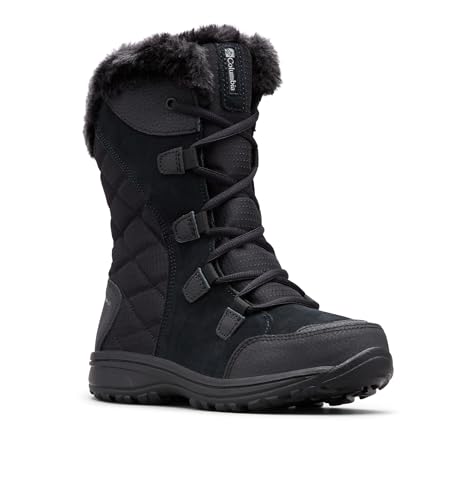
For stylish city commuting and versatile damp-weather performance, consider the Columbia Womens Ice Maiden II or the low-profile Sorel Women’s Out N About IV Classic Waterproof. Explore our Home & Living archive for more seasonal gear recommendations to keep your household ready for freezing temperatures.
FAQs
What insulation rating is needed for Best Boots for Cold Weather Chicago in 2026?
For active city walking and transit commuting, 200g of synthetic insulation is generally sufficient when paired with quality wool socks. If you frequently wait on elevated train platforms or spend long hours stationary in subzero windchills, boots with 400g insulation offer superior thermal retention.
How do I protect my winter boots from sidewalk salt damage?
Wipe your boots with a damp cloth and a mild vinegar-water solution after walking on heavily salted streets to dissolve mineral residues. Applying a water-repellent leather conditioner or silicone spray every few weeks prevents cracking and preserves material flexibility.
Should I buy one size larger for winter boots?
Ordering a half to full size up is often recommended if you plan to wear thick wool or thermal socks. Extra interior space also allows warm air to circulate around your toes, which significantly improves natural heat retention.
Are duck boots warm enough for subzero Midwest temperatures?
Unlined duck boots excel at keeping slush and rain out, but they lack the thermal insulation needed for deep freeze conditions. For subzero weather, ensure your duck boots include at least 200g of fleece or Thinsulate lining along the footbed and shaft.
What outsole tread pattern works best on icy city sidewalks?
Look for multidirectional rubber lugs made from soft thermal compounds that do not harden in freezing temperatures. Deep channel grooves help disperse slush while micro-siping along the contact points provides essential grip across polished ice.
How do waterproof membranes compare to rubber shell boots?
Molded rubber shells offer total, impenetrable protection against deep curbside slush puddles and chemical salts. Waterproof internal membranes like Omni-Tech provide excellent water resistance while allowing moisture vapor to escape during brisk commutes.
Can I wear heavy snow boots comfortably on public transit?
Modern snow boots utilizing lightweight EVA midsoles and synthetic insulation remain comfortable during train and bus commutes. Choosing models with breathable linings prevents your feet from overheating when transitioning into heated rail cars.
How do I organize seasonal footwear to dry properly overnight?
Place wet boots on an elevated wire rack or boot tray near a warm air vent, removing insoles to speed up interior drying. You can find helpful storage ideas in our guide on how to compare underbed storage bins and cubes for seasonal rotation.
Are slip-on winter boots secure enough for walking on snow?
Slip-on boots equipped with adjustable ankle straps and cinch cords provide adequate stability for standard urban walking. However, traditional lace-up boots offer greater ankle support and a tighter seal against deep snowdrifts.
What makes the Best Boots for Cold Weather Chicago stand out from standard rain boots?
Standard rain boots lack thermal insulation and feature stiff soles that freeze into slick surfaces below 32 degrees. Cold weather boots combine high-grade thermal linings, thick insulating midsoles, and cold-resistant rubber treads engineered specifically for freezing environments.


Write Your Review
No reviews yet. Be the first to share your experience!