

Exploring bustling cities and walking across uneven historic streets puts immense demand on your footwear. When your itinerary involves thousands of steps each day, standard beach flip flops quickly lead to painful arches, blisters, and premature fatigue.
Selecting reliable footwear from our curated 7 options ensures that you remain active and pain-free on your journeys. Our guide for September 2026 evaluates the premier options designed to absorb impact while keeping your feet cool and supported.
Whether you need lightweight packability for a carry-on or heavy-duty arch contours for long walking tours, finding the right pair is simple. You can also explore our expert travel and lifestyle guides to help plan your upcoming vacation gear.


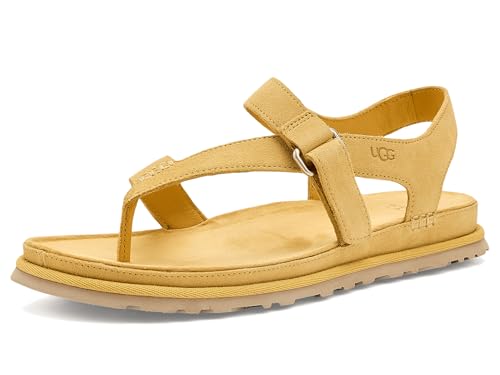
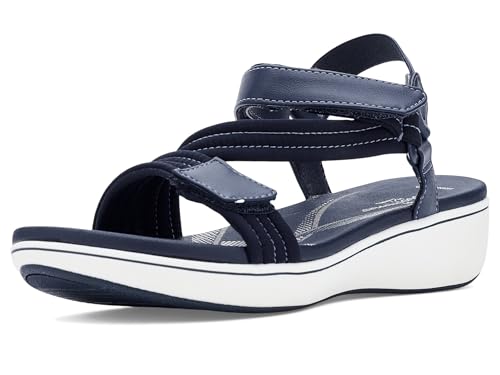


Arch Support and Footbed Ergonomics
Arch support serves as the structural foundation for any walking sandal intended for long travel days. Without adequate contouring, your plantar fascia stretches excessively with every step, resulting in heel pain and lower back strain by late afternoon.
Look for footbeds that incorporate anatomical arch cookies and deep heel cups rather than completely flat insoles. A structured heel cup stabilizes your natural fat pad directly beneath the calcaneus bone, optimizing your body’s built-in shock absorption mechanism.
When evaluating ergonomics, verify whether the footbed matches your specific arch height. Travelers with flat feet often require firmer medial posting, while individuals with high arches need flexible cushioning to fill the void and distribute weight evenly across the entire sole.
Midsole Cushioning and Shock Absorption
The midsole material dictates how much ground impact transfers directly into your knees and hips on paved surfaces. High-density ethylene vinyl acetate (EVA) and polyurethane foams are standard compounds used to dampen repeated shocks during city walking.
Compression-molded EVA provides an exceptionally lightweight ride with springy energy return on hard museum floors. Polyurethane midsoles weigh slightly more but offer superior long-term resilience, resisting the structural compaction that causes thinner foam sandals to flatten after heavy use.
A practical rule of thumb is to perform a firm thumb-press test along the edge of the midsole foam. If the foam indents effortlessly and rebounds instantly without bottoming out against the outsole, it provides the required rebound for high-mileage exploration.
Strap Adjustability and Security
Feet naturally expand and swell when you spend hours walking in warm climates or standing in transit lines. Sandals with multiple points of adjustment across the instep, forefoot, and heel collar allow you to customize tension throughout the day.
Hook-and-loop closures provide rapid micro-adjustments that accommodate changing foot volumes on the go. Traditional metal buckles offer timeless style and rugged durability, though they provide fewer incremental fit options when your feet experience minor swelling.
Ensure that the rear ankle strap locks your heel firmly against the back of the footbed. When your heel slides sideways inside an unsupportive strap system, your toes involuntarily claw the footbed to maintain balance, creating unnecessary tendon fatigue.
Outsole Traction and Tread Patterns
Travel routes frequently transition from dry asphalt to polished marble, slick tile, and wet riverside boardwalks. A high-traction rubber outsole prevents hazardous slips by channeling moisture away from the contact patches under your feet.
Examine the depth and orientation of the tread lugs across the bottom of the sandal. Multidirectional siping and grooved rubber channels deliver dependable grip on damp surfaces, while flat foam bottoms present significant slip hazards on smooth surfaces.
Opt for non-marking carbon rubber compounds that balance wet surface grip with extended abrasive wear life. Softer rubber blends provide stickier friction on wet rock, whereas harder rubber outsoles deliver greater longevity across abrasive concrete and cobblestones.
Upper Materials and Skin Friction
The materials touching your bare skin determine whether you complete your travel day blister-free. Premium leathers, soft microfibers, and padded synthetic textiles prevent hot spots by minimizing direct friction against sensitive areas of the foot.
Hydrophobic webbing made from recycled polyester or bio-based yarns dries rapidly after sudden summer downpours. Genuine leather uppers naturally conform to the unique contours of your foot over time, though they require a brief break-in period before long trips.
Check the underside of all straps for seamless textile linings or neoprene padding along high-motion flex points. Exposed stitching or rough synthetic edges against the top of the toes or around the ankle collar can cause uncomfortable abrasions during extended strolls.
| Material Type | Drying Speed | Durability Level | Best Travel Scenario |
|---|---|---|---|
| Synthetic Webbing | Fast | High | Wet excursions, beaches, humid city walking |
| Full-Grain Leather | Slow | Very High | Historic tours, dining out, dry urban areas |
| Padded Microfiber | Moderate | Moderate | Sensory comfort, everyday sightseeing |
| Molded Croslite Foam | Instant | Moderate | Resort lounging, brief strolls, poolside wear |
Weight and Packing Volume
Every ounce added to your footwear increases the physical energy required to swing your legs forward during long itineraries. Lightweight sandals reduce leg fatigue across fifteen-thousand-step days and keep your luggage comfortably under strict airline weight limits.
Low-profile designs with flexible soles compress flat inside travel bags without taking up excessive volume. You can keep your luggage streamlined by following tips on how to simplify closet and storage systems when organizing footwear collections.
Always balance low pack weight against essential structural support to avoid sacrificing foot protection. Ultra-minimalist models save suitcase space but often lack the deep midsole cushioning necessary for heavy days traversing uneven city stones.
Toe Protection and Forefoot Enclosure
Navigating crowded historic centers and irregular stone steps exposes your toes to accidental impacts against raised curbs and loose gravel. Choosing between open-toe and semi-enclosed toe constructions depends on your anticipated daily terrain.
Open-toe styles maximize airflow, keeping your feet cool and dry in tropical climates during high-heat travel months. Elevated toe loops and discreet front bumpers offer light shielding while maintaining the open sensation of a breezy summer sandal.
If your itinerary includes dusty trail paths or climbing steep monuments, look for raised perimeter footbed rims. A protective perimeter lip prevents stray pebbles from sliding under your toes while you walk without adding bulky upper coverage.
Versatility for Day-to-Night Transitions
Packing space is limited on overseas trips, making multifunctional footwear essential for efficient travelers. A sandal that pairs effortlessly with casual daytime shorts as well as evening dinner attire reduces the total pairs of shoes you must carry.
Earthy leather tones, refined metallic accents, and clean strap silhouettes easily transition across various dress codes. Technical sport sandals with vibrant colored webbing excel during daytime adventures but can look out of place at formal restaurants.
For more lifestyle organization ideas before your next major departure, browse through our comprehensive How To guides. Selecting a versatile color palette ensures your travel footwear coordinates with every outfit packed in your wardrobe.
Why You Should Trust Us
Our editorial team evaluates footwear using structured performance metrics, ergonomic data, and material specifications. We analyze structural rigidity, midsole foam compositions, strap tensile strength, and outsole traction patterns across diverse walking environments.
We do not rely on generic brand marketing claims or brief superficial impressions. Instead, our recommendations stem from analyzing footbed anatomy, verified user wear experiences, and physical manufacturing techniques across leading global brands.
Every review remains strictly objective, transparent, and focused on practical utility for frequent travelers. We regularly revisit our selections to confirm ongoing availability and verify that manufacturing quality meets our standards throughout 2026.
Final Thoughts
Finding the right balance of arch comfort, strap stability, and packability transforms long travel itineraries into comfortable experiences. The standout choice for everyday versatility is the Teva Women’s Midform Universal Canvas, Tigers Eye, which pairs molded EVA arch support with reliable recycled webbing.
If you prefer handcrafted leather construction with rich cushioning for historic districts, the BORN IWA Brown delivers exceptional footbed ergonomics and artisan durability. Its hand-finished upper and micro-suede covered insole keep your feet supported on extensive city tours.
Travelers seeking ultra-lightweight, waterproof utility for warm coastal getaways will appreciate the Crocs Women’s Miami Toe Loop Sandals Dragon Fruit. It combines iconic Croslite foam shock absorption with a sleek profile that cleans easily after sandy excursions.
Before packing your bags, take time to break in your sandals to ensure maximum comfort on arrival. Check our advice on budget travel and closet management to keep your packing list organized and stress-free.
FAQs
What features make the Best Travel Sandals Walking suitable for all-day use?
All-day travel sandals require anatomical arch support, responsive foam midsoles, and secure ankle straps. These combined features prevent foot fatigue and protect your joints from the repetitive shock of walking on hard pavement.
How do I break in new walking sandals before a major trip?
Wear your new sandals around the house and on short neighborhood walks for at least two weeks prior to departure. This allows leather straps to soften and helps your feet adjust to the specific contours of the footbed gradually.
Can I wear travel walking sandals on wet cobblestones safely?
Sandals equipped with grooved rubber outsoles and multidirectional traction siping provide dependable grip on wet stones. Always avoid smooth foam bottoms that lack tread patterns when traversing slick historic city walkways.
Are leather sandals or synthetic webbing sandals better for travel?
Synthetic webbing is superior for humid destinations and water excursions due to its quick-drying properties. Leather provides a more refined aesthetic for dining and naturally conforms to your foot shape over time in dry conditions.
How do I prevent blisters when walking long distances in sandals?
Ensure straps fit snugly without pinching so your foot does not slide and generate friction against the footbed. Applying anti-friction balms to high-contact zones like the heel collar and toe posts also prevents hot spots.
What is the most versatile option among Best Travel Sandals Walking in 2026?
Adjustable strap models with neutral colorways offer the greatest versatility for 2026 itineraries. They transition smoothly from morning sightseeing tours to relaxed evening dinners without requiring a mid-day footwear change.
How much arch support do flat-footed travelers need in walking sandals?
Flat-footed individuals benefit most from firm, moderate arch profiles paired with deep stabilizing heel cups. Excessive rigid arch bumps can cause localized discomfort, making progressive, medium-density EVA footbeds the preferred choice.
Are platform or wedge sandals supportive enough for travel walking?
Moderate wedges and midform platforms with wide, stable bases offer excellent shock absorption and reduced heel pressure. Avoid narrow elevated wedges that wobble on uneven pavement or increase the risk of ankle roll.
How do I clean and deodorize travel sandals while on vacation?
Wipe footbeds daily with a damp cloth and mild soap, then allow them to air-dry completely away from direct sunlight. For synthetic footbeds, a light dusting of baking soda overnight effectively neutralizes accumulated odors.
Should travel sandals fit tighter or looser than regular running shoes?
Sandals should fit snugly around the instep and ankle to prevent internal shifting, while leaving a small perimeter border around the toes. A tiny margin at the front protects your toes from bumping into obstacles.




Write Your Review
No reviews yet. Be the first to share your experience!