

Preparing deli meats, artisan charcuterie, and bulk cuts of game meat at home quickly exposes the limits of a standard carving knife. Home cooks and culinary enthusiasts frequently upgrade to motorized equipment when slicing hundreds of paper-thin portions for meal prep or gatherings. Exploring our How To resources can help you build an efficient culinary workflow that saves both prep time and grocery spending.
Choosing among the Best Belt Driven Meat Slicers on the market requires understanding how power transfers from the electric motor to the circular cutting edge. Many first-time buyers mistakenly choose underpowered direct-drive plastic units that overheat, bog down on firm cheeses, and deliver jagged, uneven slices. A heavy-duty belt driven slicer absorbs operational shock, keeps noise levels manageable, and provides the steady blade rotation needed for delicate cured meats.
For September 2026, we analyzed 7 top-rated models from reputable kitchen and commercial brands like Hobart, LEM, KWS KitchenWare Station and more. This comprehensive guide examines critical engineering differences, including blade coatings, motor wattage, carriage angles, and ease of sanitation. Whether you are slicing dry-cured salami or carving roast beef roasts, this guide will help you pick the ideal machine for your counter space.
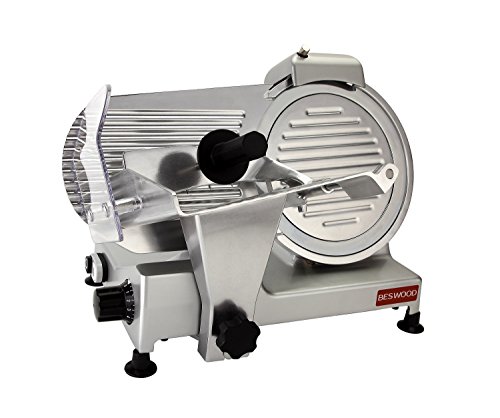


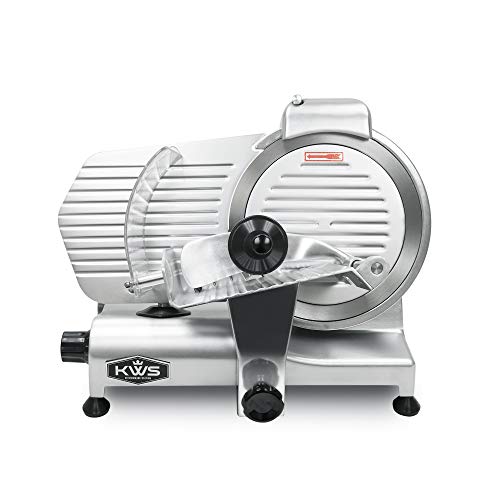


Belt Drive Transmission vs Gear Drive Systems
The internal transmission system determines how an electric slicer responds when pushing dense proteins against a rotating blade. Belt-driven mechanisms utilize a durable ribbed or grooved belt to transfer kinetic energy from the motor shaft directly to the blade arbor. This mechanical separation prevents motor vibration from transferring directly through the blade, resulting in clean, uniform cuts.
When comparing slicer mechanics, belt drive systems offer a substantial benefit during accidental blade jams or dense resistance. If you hit a dense tendon or very cold cheese, the belt slips momentarily rather than stripping expensive internal drive gears. This slip action acts as a mechanical buffer that preserves both the motor windings and the structural housing of the slicer.
As a practical rule of thumb, belt driven units run significantly quieter than all-metal gear-driven commercial machines. High-volume delis often favor gear drives for round-the-clock throughput, but home users and specialty kitchens prefer belt systems for reduced kitchen noise. Keeping a spare drive belt stored in your kitchen ensures continuous operation without long service interruptions down the line.
Motor Wattage and Continuous Duty Cycles
Motor wattage dictates how easily the machine cuts through cold, fibrous roasts and dense cured blocks without stalling out. Slicers in this category typically range from modest 150-watt induction units up to robust 330-watt or half-horsepower commercial motors. Higher wattage provides consistent blade velocity, which is necessary to prevent meat from tearing into ragged shreds along the plate.
Evaluating motor ratings requires distinguishing between no-load power consumption and active slicing load ratings under real resistance. A machine might draw 130 watts spinning empty, but require 240 to 320 watts of steady power when slicing chilled beef bottom rounds. Higher-torque commercial motors maintain stable revolutions per minute without building excess heat across long prep sessions.
If you plan to process entire venison quarters or multiple pork loins at once, look for slicers with continuous duty ratings. Entry-level units often require cooling intervals after ten minutes of active slicing to prevent internal thermal overload shutoffs. Machines built with dedicated cooling channels or heavy induction motors can slice through batch meal preparations without overheating.
Blade Diameter and Cutting Capacity
Blade diameter directly establishes the physical height and width of the food items your machine can cleanly process. Common slicer sizes include compact 8.5-inch blades, standard 10-inch deli-style disks, and full-size 12-inch commercial cutting wheels. A larger blade diameter provides a taller cutting arc, which prevents large roasts from dragging across the center mounting hub.
To accurately gauge your capacity requirements, check the clearance between the sliding carriage deck and the center blade bolt. An 8.5-inch slicer easily handles small salamis, summer sausages, and narrow deli rolls for everyday sandwich preparation. Conversely, processing whole bone-out hams, prime rib, or large blocks of cheddar requires a 10-inch or 12-inch cutting disk.
A practical calculation involves measuring the cross-section of your standard food items before selecting your blade format. Your slicer blade should ideally measure at least three inches wider than the tallest roast cut you intend to slice. This extra headroom prevents fat buildup around the blade arbor and maintains unobstructed food carriage passes.
Blade Material, Plating, and Edge Longevity
The composition of the cutting disk impacts sharpness retention, corrosion resistance, and food safety during acidic meat preparation. Manufacturers commonly use chromium-plated carbon steel, food-grade 45# carbon steel, or high-tensile stainless steel alloys. Plated carbon steel delivers exceptional edge sharpness while the outer chrome barrier defends against moisture, rust, and salt corrosion.
When reviewing blade options, consider the exact types of culinary items you plan to slice on a routine basis. Stainless steel blades provide superior defense against oxidation from acidic foods like cured corned beef, citrus marinades, or juicy tomatoes. Carbon steel holds a razor-sharp micro-bevel longer under high pressure, making it an excellent match for dense charcuterie and firm cheeses.
Check whether the slicer blade features a smooth edge, a serrated pattern, or supports interchangeable blade disks for versatile prep tasks. Smooth edges produce clean, paper-thin slices through delicate cold cuts without leaving shred marks across the surface. Serrated blades excel at piercing tough outer crusts on artisanal bread, hard rinds, and fibrous dried venison jerky cuts.
Blade Construction Comparison
| Blade Material Type | Edge Retention Quality | Rust Resistance Level | Ideal Food Applications |
|---|---|---|---|
| Chromium-Plated Carbon Steel | Excellent (Long-lasting) | High (Surface Protected) | Commercial deli meats, firm cheeses, and chilled roasts |
| High-Tensile Stainless Steel | Very Good (Moderate edge) | Exceptional (Rust-proof) | Acidic meats, wet roasts, fruits, and tomatoes |
| 45# Carbon Steel (Upgraded) | High (Rigid structure) | Moderate (Requires drying) | Semi-frozen game, jerky slabs, and dense salami |
| Serrated Alloy Disk | Very Good (Aggressive cut) | High (Standard coating) | Crusty sourdough, fibrous jerky strips, and hard cheese |
Thickness Adjustment Precision and Control Dial
The thickness adjustment mechanism regulates the micro-gap between the carriage guide plate and the spinning circular blade face. High-precision machines offer indexed dials that adjust continuously from wafer-thin 0.2-millimeter cuts up to thick 14-millimeter portions. A reliable slicer holds this thickness setting rigidly under lateral pressure without allowing the guide plate to flex inward.
Inspect the gauge plate construction and calibration knob when shopping through different electric slicer brands and categories. Lesser designs utilize plastic adjustment gears that slip or deflect whenever firm food items are pressed against the fence. Commercial-grade machines feature solid cast aluminum gauge fences secured by heavy-gauge steel indexing screws for uniform slice repeatability.
For paper-thin prosciutto or delicate carpaccio, partially chill your proteins down to roughly 28 to 30 degrees Fahrenheit before cutting. This slight firming prevents warm fat from smearing across the gauge plate and produces clean ribbons that drop effortlessly. For versatile kitchen storage inspiration, read our guide on how to simplify your closet and storage system to organize your home spaces efficiently.
Integrated Blade Sharpening Assemblies
Maintaining a razor-sharp cutting edge on a large spinning disk requires specialized sharpening stones calibrated to the blade bevel angle. Top belt-driven slicers include integrated dual whetstone sharpening assemblies mounted directly on top of the blade housing casting. This clever engineering allows you to sharpen and hone the bevel edge without detaching the blade from the motor shaft.
Examine how the sharpening system functions before finalizing your purchase decision on a new food prep workstation. Integrated sharpeners typically feature a push-button or rotary stone setup with one stone for grinding and another for deburring. Built-in top mounts ensure the whetstones align at the precise factory angle every single time you apply stone contact.
A reliable maintenance tip is to hone your blade for just three to five seconds rather than grinding away valuable metal unnecessarily. Frequent brief touch-ups preserve the factory profile of the knife and prevent premature blade replacement costs down the road. Always clean stray food oils and meat residues off the blade face before engaging any sharpening stones.
Safety Features and Operator Protection
Electric meat slicers present serious cutting hazards if operated without appropriate mechanical shielding and safety protocols in place. High-quality slicers incorporate clear food pusher shields, recessed power switches, and continuous perimeter blade rings to guard hands. A secure food carriage with deep gripping spikes keeps fingers completely out of the blade pathway during operation.
Examine the electrical switch design to ensure safe operation throughout extended food preparation tasks on kitchen countertops. Premium commercial models feature double-illuminated 24-volt safety switches or magnetic power dropouts that prevent accidental restarts after momentary power cuts. This electrical isolation prevents unexpected blade engagement when resetting breakers or plugging cables into active kitchen wall sockets.
Always verify the stability of the base footing before operating any motorized cutting machine on smooth granite or stainless tables. Slicers should feature heavy non-slip rubber feet or industrial suction grips to prevent table movement during forward carriage strokes. Heavy unit weight from cast aluminum or steel chassis components further anchors the machine against sliding forces.
Carriage Glide Action and Gravity Feed Angles
The carriage track dictates how effortlessly you can glide food items back and forth across the rotating cutting wheel. Entry-level units often use simple plastic tracks that can stutter, while premium machines incorporate polished stainless steel slide rods. Fluid carriage travel reduces operator hand fatigue when slicing high volumes of deli roasts, cheeses, and smoked sausages.
Pay close attention to the carriage incline angle, commonly designated as either a horizontal deck or a 45-degree gravity feed. Gravity feed configurations tilt the food hopper downward so that the natural weight of the meat continuously feeds the product forward. This angled layout minimizes the manual hand pressure required to hold food against the gauge plate.
To keep carriage motion silky smooth, periodically wipe the polished guide rods down and apply a small drop of food-grade mineral oil. Never use standard petroleum lubricants or cooking oils that turn sticky over time and gum up carriage bearings. A well-lubricated slide rod delivers smooth, uniform strokes and prevents hand fatigue during lengthy slicing sessions.
Sanitation Standards and Disassembly Convenience
Thorough food sanitation is essential when operating equipment that cuts through raw meats, cooked proteins, and dairy products. Bacteria easily harbor in microscopic crevices around blade hubs, carriage brackets, and deflector plates if machines cannot be cleaned completely. Slicers engineered with quick-release components allow you to strip key parts down for washing in minutes.
Look for commercial safety and health certifications such as NSF International listings and ETL sanitation compliance markers on the specifications sheet. These testing certifications ensure that food-contact zones are constructed from non-porous, non-toxic materials like anodized aluminum or food-safe stainless steel alloys. Seamless body castings prevent fats and wash liquids from penetrating into internal electrical motor cavities.
Prioritize slicer models that provide tool-free removal for the meat carriage, blade guard disk, and center slice deflector wing. Being able to wipe down behind the cutting edge without hunting for screwdrivers significantly speeds up your evening cleanup routine. If you are setting up a comprehensive prep pantry, consult our review of smart budget home solutions for smart interior layout tips.
Why You Should Trust Us
Our kitchen appliance review team analyzes culinary gear by carefully examining objective engineering specifications, motor architectures, and material durability standards. We examine structural tolerances, motor duty cycles, warranty coverages, and real-world consumer feedback across hundreds of operating hours. By tracking electrical ratings, blade metallurgy, and safety listings, we provide clear recommendations without marketing fluff.
To keep our culinary guides objective, we assess each product across standardized criteria, including cutting consistency, cleanability, noise dampening, and mechanical safety. We never accept free promotional manufacturer gifts or sponsorship incentives to manipulate product standings in our editorial evaluations. Our shortlist reflects genuine mechanical advantages that deliver reliable results for home cooks, hunters, and light commercial delis.
We continuously monitor catalog changes, component updates, and brand warranties to keep our kitchen equipment reviews current throughout the seasons. If a manufacturer alters motor components, replaces metal gears with plastics, or updates safety certifications, we revise our ratings accordingly. For broader domestic utility and organization advice, explore our helpful Guides section anytime.
Final Thoughts
Selecting the ideal slicer depends on your weekly cutting volume, your counter space constraints, and the types of food you prepare most. If you need exceptional cutting torque and commercial durability for everyday batch tasks, the 10NS Commercial 10″ Electric Meat Slicer serves as our top recommendation. Its genuine 320-watt high-torque motor, NSF-certified stainless steel blade, and heavy aluminum chassis handle tough salamis and semi-frozen proteins without bogging down.
Budget-conscious home cooks seeking dependable deli-style performance will appreciate the impressive capabilities of the VEVOR Commercial Meat Slicer. This value-focused machine provides a 10-inch carbon steel blade, built-in sharpening stones, and a 240-watt motor that easily handles roasts, hams, and vegetables. It offers a practical balance of cutting capacity and cost efficiency for weekend meal prep enthusiasts.
For operations demanding industrial-tier longevity and continuous daily slicing, the Hobart EDGE12-1 1/2 HP Manual Slicer represents the ultimate high-performance kitchen investment. Featuring a robust half-horsepower commercial motor, a massive 12-inch carbon steel blade, and a true 45-degree gravity feed carriage, it powers through commercial prep effortlessly. Those needing a compact counter footprint can also consider the LEM Products MightyBite 8.5″ Electric Meat Slicer for everyday kitchen sandwich prep.
Before making your final choice, measure your countertop footprint and confirm the proximity of your electrical outlets. Pair your slicer with a sturdy prep bench, food-safe sanitizing sprays, and cut-resistant safety gloves for a professional prep setup. For additional lifestyle and functional furniture ideas, visit our Home & Living category to discover helpful household upgrades.
FAQs
What makes the Best Belt Driven Meat Slicers quieter than gear-driven alternatives?
Belt-driven slicers utilize flexible rubber or synthetic grooved belts that absorb motor vibration and dampen operational friction. Unlike gear-driven mechanisms that involve intermeshing metal or plastic teeth grinding together under load, belt systems run smoothly and quietly. This dampening quality makes them especially well-suited for home kitchens and smaller deli spaces.
Can I slice hard cheese on a belt driven electric slicer?
You can slice firm cheeses like cheddar, gouda, and provolone on a belt-driven slicer equipped with a high-torque motor of 240 watts or more. Dense cheese produces high friction against the blade, which can stall underpowered home units or cause softer cheeses to crumble. Lightly wiping the blade face with food-grade oil helps reduce friction during high-volume cheese prep.
How often should I sharpen my meat slicer blade in 2026?
For standard home kitchen use, sharpening your blade once every several months or after processing roughly 50 to 75 pounds of protein is sufficient. Over-sharpening grinds away useful blade metal prematurely and reduces the overall lifespan of the circular cutting disk. Sharpen only when you notice meat catching, tearing, or creating ragged edges during regular carriage passes.
Can I cut bone-in meats with these slicers?
You should never attempt to cut through bones, hard gristle, or completely frozen solid blocks of meat with a standard rotary slicer. Striking hard bone will instantly nick, chip, or dull the precision edge of your carbon or stainless steel cutting wheel. Always debone your roasts, poultry breasts, and pork shoulders completely before placing them on the sliding carriage.
What is the ideal meat temperature for ultra-thin slicing?
The sweet spot for achieving shaved, paper-thin deli slices is between 28 and 32 degrees Fahrenheit. Placing cooked roasts or cured cuts into the freezer for roughly 30 to 45 minutes firms up internal fats without freezing the water content solid. This structural rigidity allows the blade to cut cleanly through the meat fibers without shredding.
How do I clean and sanitize a belt driven meat slicer safely?
Always unplug the power cord and turn the thickness adjustment dial completely past zero to shield the blade edge before cleaning. Remove the carriage tray, hand guard, and center blade deflector plate, washing them in warm water with mild antibacterial dish soap. Wipe down the blade face carefully using a folded cloth, moving outward from the center arbor toward the edge.
How long do drive belts typically last before needing replacement?
Under typical residential or light commercial conditions, a premium grooved drive belt lasts between three and five years of continuous service. Belt longevity depends on operating frequency, proper carriage speed, and keeping animal fats away from the internal motor compartment. Inspecting belt tension annually ensures prompt replacement before unexpected slippage occurs.
Are 10-inch blades better than 8.5-inch blades for home kitchens?
A 10-inch blade is generally more versatile because it handles wider roasts, turkey breasts, and cured hams without requiring you to trim meat down beforehand. An 8.5-inch blade saves counter space and stores easily in kitchen cabinets, but limits the height of the foods you can slice. If you routinely slice full pork loins or roast beef, a 10-inch model is worth the extra counter footprint.
What is the difference between chromium-plated and stainless steel blades?
Chromium-plated blades utilize a tough carbon steel core coated in chrome to deliver exceptional edge retention alongside rust resistance. Pure stainless steel blades are virtually immune to corrosion from acidic marinades and tomatoes, but may require slightly more frequent touch-ups on the sharpening stones. Both materials perform admirably in home and commercial kitchens when kept clean and dry.
What are the top safety practices when operating Best Belt Driven Meat Slicers?
Never operate a motorized slicer without using the integrated food pusher to hold and advance meats toward the spinning blade. Wear a cut-resistant chainmail or Kevlar safety glove on your non-dominant hand during both slicing operations and cleaning routines. Maintain a distraction-free prep environment and always turn off the master electrical switch immediately when finished.






Write Your Review
No reviews yet. Be the first to share your experience!