

Squeezing a full-sized coffee machine into a compact apartment kitchen or home office desk often creates unnecessary clutter. Modern compact brewers deliver rich extraction while occupying only a fraction of standard countertop real estate.
In September 2026, coffee lovers have access to 5 highly efficient models from trusted brands like Capresso, Mr. Coffee, VINCI and more. Many shoppers make the mistake of buying oversized carafes that leave stale leftover coffee sitting for hours. Exploring resources in our Home & Living section helps identify compact appliances that elevate daily morning routines.
This guide analyzes the essential performance metrics of Best Mini Drip Coffee Makers so you can pick the perfect brewer. We examine heating speed, basket architecture, and pour ergonomics to ensure your morning cup tastes exceptionally bold.

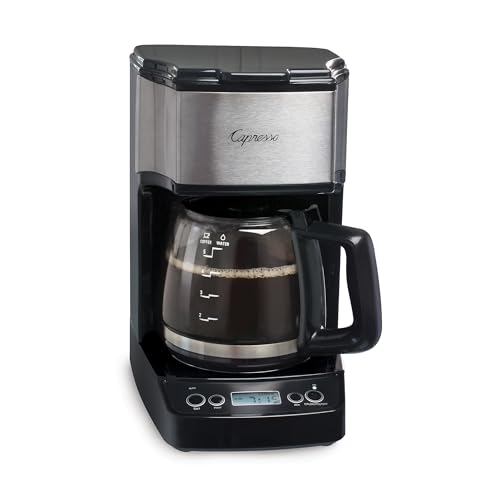
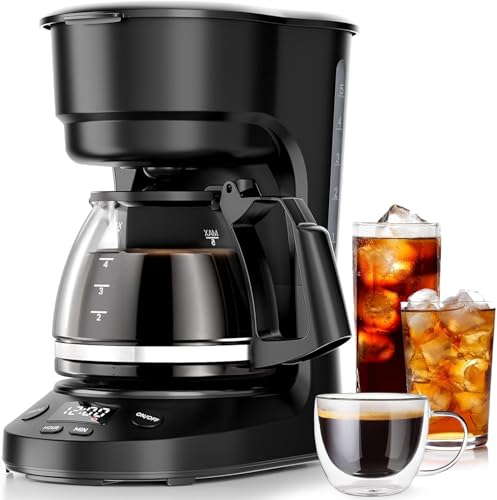


Water Reservoir Capacity and Carafe Volume
Carafe size directly dictates how much fresh coffee you can brew in a single cycle. Most compact brewers offer capacities ranging between four and five standard cups, which equates to twenty to twenty-five fluid ounces.
A standard coffee cup measurement is traditionally calculated as five fluid ounces rather than an eight-ounce mug. When shopping, calculate your household consumption to ensure a mini brewer fulfills your morning caffeine routine without running extra cycles.
Choosing a five-cup machine provides adequate volume for two large mugs or three smaller servings. This size prevents unnecessary water waste and stops grounds from over-extracting during extended brewing cycles.
Brewing Temperature and Extraction Efficiency
Water temperature plays a decisive role in pulling complex flavor notes from your roasted coffee beans. The ideal extraction temperature ranges between 195 and 205 degrees Fahrenheit for optimal solubilization of coffee grounds.
Cheaper compact machines often struggle with heating consistency, producing lukewarm liquid that tastes weak or sour. Higher-grade heating elements maintain steady water dispersion throughout the entire basket cycle.
Look for units that route boiling water rapidly through an enclosed chamber to minimize ambient heat loss. A practical rule of thumb is to preheat your glass carafe with warm tap water before starting a brew.
Counter Footprint and Cord Management
Physical dimensions matter immensely when counter space is limited by microwaves, cutting boards, or dish racks. A genuine mini brewer should have a base footprint measuring less than eight inches in width and depth.
Integrated cord storage slots beneath the base plate keep surplus electrical wiring hidden away from sight. This design feature prevents clutter and makes storing the appliance inside narrow cabinets effortless. For more home organization strategies, review our storage organization tips to maximize small room layouts.
Vertical clearance is equally critical if you plan to position the machine under low-hanging kitchen cabinetry. Ensure the reservoir lid can flip fully open without colliding with the bottom of your cupboards.
Filter Basket Architecture and Reusable Mesh
The basket structure determines how evenly water saturates the ground coffee during the brewing process. Mini brewers generally utilize either cone-shaped baskets or flat-bottomed cylindrical filter holders.
Cone baskets excel at channeling water through a concentrated coffee bed, which produces deeper flavor extraction from lighter roasts. Flat baskets offer rapid water flow, which works well for dark roasts requiring shorter steep times.
Reusable gold-tone mesh filters eliminate the ongoing expense and waste of disposable paper liners. However, paper filters trap fine sediment and coffee oils, yielding a crisper cup profile for sensitive palates.
Programmable Timers and Automated Controls
Digital interfaces let you schedule your morning brew up to twenty-four hours in advance. Waking up to the aroma of freshly prepared coffee saves valuable time during rushed morning routines.
Simple single-button switches provide tactile reliability without the complexity of LCD clock programming. If you prefer intuitive operation, basic rocker switches ensure dependable performance without electronic failure risks.
Automatic shut-off timers provide essential peace of mind by turning off the hot plate after two hours. This safety mechanism protects the glass carafe from thermal cracking and prevents burnt coffee residues.
Carafe Material and Spout Pour Ergonomics
Borosilicate glass carafes allow you to monitor liquid levels visually while maintaining flavor purity. High-quality glass resists thermal shocks and will not leach unwanted chemical aftertastes into your beverage.
Drip-free spout engineering prevents scalding hot coffee from dribbling down the carafe wall onto your counter. An ergonomic handle balanced close to the vessel center of gravity ensures smooth, controlled pouring.
Some miniature brewers offer stainless steel thermal carafes that keep liquid hot without an active warming plate. Thermal vessels preserve volatile aromatic compounds from scorching over prolonged morning periods.
Pause and Serve Mechanism Reliability
An anti-drip stop valve allows you to pour a quick cup before the entire brew cycle completes. This spring-loaded seal engages instantly when you pull the carafe off the heated base plate.
Low-quality pause valves can leak stray droplets onto the hot plate, causing stubborn baked-on stains and hissing steam. High-tolerance silicone gaskets create a positive seal that stops drips for up to thirty seconds.
Always return the carafe to the warming plate within twenty seconds to prevent the filter basket from overflowing. Consistent pause mechanics ensure clean counters without halting the extraction workflow.
Maintenance Ease and Descaling Accessibility
Mineral scale accumulates inside internal heating elements from dissolved calcium and magnesium in tap water. Without periodic descaling, water flow slows down significantly and brewing temperatures drop.
Machines equipped with wide water reservoir openings allow easy visual inspection and effortless manual cleaning. Removable filter funnels and dishwasher-safe carafes streamline daily cleanup routines after morning use. You can also explore our comprehensive buying guides for additional household maintenance advice.
Run a solution of equal parts white vinegar and filtered water through your machine every sixty brew cycles. Performing routine maintenance extends appliance lifespan and keeps extraction flavor crisp and aromatic.
Dual Brewing Versatility and Pod Compatibility
Hybrid mini brewers offer the flexibility to brew either standard ground coffee or single-serve capsules. This versatility caters to busy mornings when convenience outweighs manual coffee measuring steps.
Capsule adapters require secure puncture needles and high-pressure seals to extract maximum flavor from pre-packaged pods. Dedicated ground coffee baskets allow you to brew your favorite artisanal whole-bean roasts on weekends.
Check whether a dual-format brewer includes an extra-large reusable filter cup for custom ground servings. Versatile brewers eliminate the need to purchase two separate appliances for your morning coffee station.
| Brewing Format | Typical Cup Capacity | Primary Control Interface | Standard Footprint Width | Best Suited For |
|---|---|---|---|---|
| Classic Switch Mini Drip | 5 Cups (25 oz) | Single Rocker Switch | 7.0 to 8.0 Inches | Budget conscious coffee drinkers wanting simple one-touch operation |
| Programmable Mini Drip | 5 Cups (25 oz) | Digital LCD with 24-Hr Timer | 7.5 to 8.5 Inches | Busy commuters who prefer waking up to freshly brewed coffee |
| Hybrid Pod and Ground Brewer | 1 to 4 Cups (4 to 20 oz) | Multi-Dial or Preset Buttons | 4.5 to 6.5 Inches | Office desks, dorms, and RV travel setups requiring dual brew options |
Why You Should Trust Us
Our editorial team analyzes small kitchen appliances through rigorous evaluation of technical specifications, material safety certifications, and functional design. We carefully compare water heating rates, extraction uniformity, and durability data across multiple production batches.
We synthesize verified owner feedback, manufacturer engineering diagrams, and component tolerances to rate real-world reliability. Every mini drip machine is assessed against strict benchmarks for heat stability, pouring accuracy, and counter footprint efficiency.
Our product comparisons remain fully objective and independent of brand partnerships or advertising sponsorships. We continuously update our database recommendations as new compact brewing innovations enter the market.
Final Thoughts
Choosing the ideal compact coffee maker transforms your morning routine by delivering robust flavor without occupying precious counter area. Whether you live in a studio apartment or need a dedicated desk brewer, selecting the right capacity and control style makes all the difference.
For shoppers seeking the ultimate blend of modern convenience and digital precision, the Kismile 5-Cup Drip Coffee Maker, LED Display stands out as our top overall recommendation. Its programmable timer, anti-drip valve, and clear LED interface provide effortless morning brewing at exceptional quality.
If you need an ultra-simple, dependable workhorse on a modest budget, the Mr. Coffee® 5-Cup Mini Brew Switch Coffee Maker delivers reliable heat extraction with straightforward switch operation. Meanwhile, the Capresso 5-Cup Mini Drip Coffee Maker provides sleek stainless styling for contemporary spaces.
Those requiring maximum versatility in a microscopic footprint will appreciate the VINCI Micro Café Brewer Compact Coffee Maker, which seamlessly handles both grounds and single-serve pods. Readers looking to optimize compact living quarters can also review our guide on comparing storage bins and cubes for organized home layouts.
Frequently Asked Questions
How many mugs of coffee does a 5-cup mini drip machine actually make?
In the coffee appliance industry, one standard cup equals five fluid ounces of liquid. A five-cup mini drip coffee maker produces twenty-five fluid ounces, which fills approximately two standard twelve-ounce coffee mugs.
What makes Best Mini Drip Coffee Makers suitable for small spaces in 2026?
Modern mini drip coffee makers feature slim base footprints under eight inches and integrated cord storage to eliminate counter clutter. Their compact water reservoirs and narrow profiles allow them to slide easily under low cabinets or sit comfortably on office desks.
Do compact drip coffee makers brew coffee as hot as full-sized machines?
Quality mini drip machines utilize rapid heating chambers that reach the optimal extraction range of 195 to 205 degrees Fahrenheit. Because the water reservoir is smaller, water heats quickly and passes through grounds with minimal thermal loss.
Should I use paper filters or a permanent reusable mesh filter?
Reusable mesh filters are environmentally friendly and save money on recurring paper purchases. Paper filters trap micro-sediment and bitter coffee oils, producing a lighter and cleaner tasting cup of coffee.
How often should I descale a mini drip coffee maker?
You should descale your machine every one to two months depending on your local water hardness. Running a mixture of equal parts white vinegar and water dissolves mineral buildup and protects the internal heating element.
Can I leave a glass carafe on the warming plate for several hours?
Leaving brewed coffee on a hot plate for more than thirty minutes alters the chemical composition and creates a bitter taste. Most modern mini machines feature an automatic two-hour safety shut-off to prevent boiling dry or cracking the glass.
What is the ideal coffee-to-water ratio for a 5-cup mini brewer?
A standard guideline is using one to two level tablespoons of ground coffee for every five fluid ounces of water. For a full five-cup batch, start with five to six tablespoons of medium-grind coffee and adjust to your preferred strength.
How does the anti-drip grab-a-cup feature work?
The anti-drip mechanism relies on a spring-loaded seal positioned at the base of the filter basket. When the carafe is removed, the valve closes instantly to stop liquid from dripping onto the hot base plate.
Are mini drip coffee makers energy efficient?
Mini brewers typically consume between 600 and 900 watts compared to 1500 watts for heavy commercial machines. Their smaller water capacity means the heating element operates for a much shorter duration per brew cycle.
Can I use fine espresso grind in a compact drip coffee machine?
Fine espresso grounds can clog the mesh filter and cause hot water to overflow the basket rim. A medium grind consistency ensures balanced water flow and optimal flavor extraction without back pressure.





Write Your Review
No reviews yet. Be the first to share your experience!