

Filmmakers and camera operators understand that a cinema camera rig demands significantly more support than a standard mirrorless body. Adding matte boxes, follow focus units, heavy cine lenses, external monitors, and V-mount batteries increases weight rapidly. Setting up a heavy rig on an unstable base causes frame shake and ruins smooth pans during critical takes.
Choosing among the Best Professional Tripods for Cinema Cameras in September 2026 means balancing rigid torsional stability with smooth fluid head movements. Modern productions require fast setup times and dependable counterbalance systems to protect expensive production equipment. Exploring our expert production guides helps creators match gear with challenging shooting schedules.
We analyzed 7 leading video supports from prominent brands like miliboo, Benro, SMALLRIG and more to determine which setups handle production workloads best. This guide breaks down key specifications, payload ratings, fluid drag systems, and bowl leveling interfaces to simplify your next gear investment.


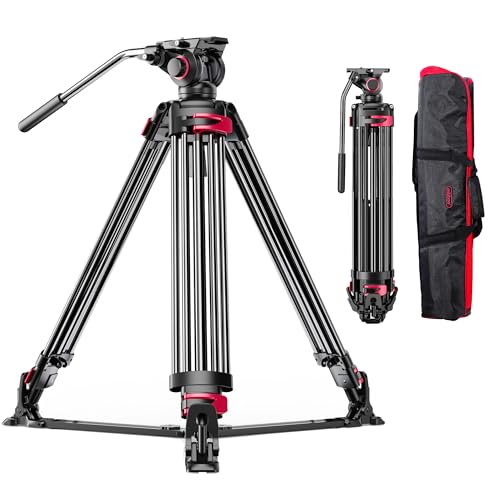

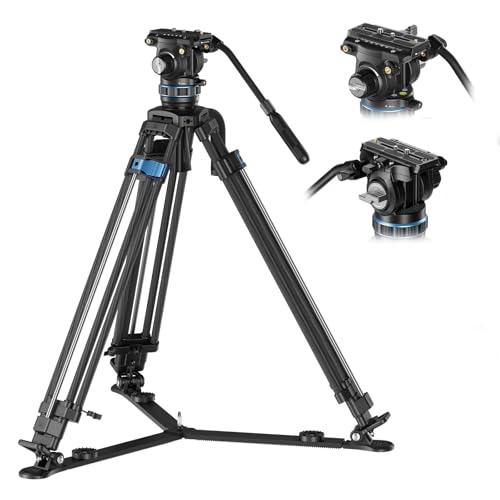
Payload Capacity and Rig Weight Distribution
Payload capacity is the baseline metric when evaluating cinema camera supports. A basic camera body might weigh under five pounds, but a production-ready cinema rig frequently exceeds fifteen pounds. Operating near a tripod system limit introduces leg flex, wobbling pans, and sudden balance drops during steep vertical tilts.
To calculate true load requirements, add the total weight of your camera body, heaviest cinema prime or zoom lens, and all powered accessories. Always choose a tripod system rated for at least double the operating weight of your fully built rig. This safety margin keeps fluid heads responsive and prevents premature wear on internal bearings.
Weight distribution is equally crucial because tall cinema rigs shift the center of gravity higher above the mounting plate. A high center of gravity places greater mechanical leverage on the fluid head tilt mechanism. Choosing robust legs with tandem tube construction maintains rigidity when heavy rigs tilt through extreme vertical angles.
Fluid Head Drag and Continuous Damping Control
True fluid heads utilize sealed chambers filled with viscous, temperature-stable fluid to create resistance against camera movement. This hydraulic drag eliminates the jerky starts and stops common with friction-based heads. Consistent fluid damping ensures smooth panning shots when tracking talent across large studio spaces.
High-end systems offer stepped or stepless damping adjustments for both horizontal pan and vertical tilt axes independently. Multi-step damping controls allow operators to dial in identical drag resistance across repeated takes. Stepless adjustments let you fine-tune resistance to match specific lens focal lengths and operator panning speeds.
When working in cold environments, low-quality damping fluids thicken and freeze, locking up the tilt mechanisms entirely. Professional heads feature freeze-resistant damping formulations that operate smoothly across extreme temperature shifts. Investing in professional-grade fluid cartridges ensures uninterrupted operation during demanding winter or outdoor commercial shoots.
Dynamic Multi-Step Counterbalance Systems
Counterbalance is the spring-loaded mechanism inside a fluid head that offsets the gravitational pull when a camera tilts. Without proper counterbalance, an operator must constantly hold the pan handle to stop the camera from crashing forward or backward. A perfectly counterbalanced camera stays stationary at any tilt angle without locking the drag knobs.
Entry-level heads offer fixed counterbalance springs, which only balance a very specific camera weight and height profile. Professional cinema heads incorporate multi-step dynamic systems, often featuring four to eight discrete dial positions. These stepped settings let cinematographers switch from a stripped-down camera body to a fully accessorized rig seamlessly.
Testing your counterbalance setup is straightforward once the baseplate is leveled on the tripod head. Tilt the camera forward thirty degrees and release your hand from the operating arm slowly. If the camera holds its position without drifting up or plunging down, your dynamic counterbalance is dialed correctly.
Bowl Mount Diameter: 75mm vs 100mm Half-Balls
Cinema tripods use integrated bowl mounts rather than flat bases to speed up leveling on uneven terrain. Loosening the bottom tie-down handle allows operators to level the head independently without adjusting individual leg section lengths. This spherical interface saves vital minutes during fast-paced documentary and narrative film productions.
The 75mm bowl system is the industry standard for lightweight to mid-weight cinema packages and documentary production. It delivers adequate surface contact for camera builds up to twenty pounds while keeping overall system weight portable. For heavier cinema packages, a 100mm bowl provides increased surface area, greater clamping force, and superior torsional resistance.
If you plan to use flat-base accessories like camera sliders or jib arms, ensure your head or bowl features modular compatibility. Many 75mm and 100mm half-ball adapters detach easily to reveal flat 3/8-inch mounting threads. Reviewing our How To production articles will help you configure modular camera grip packages efficiently.
Tripod Leg Materials: Carbon Fiber vs Aluminum Alloy
Material selection impacts vibration dampening, durability, and the total weight carried by the camera crew on set. Carbon fiber legs utilize multi-layer composite weaves that absorb motor micro-vibrations and reduce physical carrying weight. Carbon fiber is also immune to corrosion and remains comfortable to handle in sub-zero filming conditions.
Aluminum alloy legs remain popular in controlled studio environments where overall weight is less critical than raw impact resistance. Thick-walled aluminum tubes withstand rough handling in production trucks and resist structural crushing from heavy grip clamps. Aluminum systems also provide a heavier base center of gravity, which enhances stability against gusty outdoor winds.
Consider your primary filming environment before committing to a specific leg material for your production kit. Documentary shooters traveling solo benefit immensely from the weight savings and vibration absorption of carbon fiber. Studio and broadcast operations often favor the rugged durability and cost efficiency of heavy aluminum tandem legs.
Key Cinema Tripod Specifications Comparison
To help you compare top options across different structural categories, the table below highlights essential hardware specifications across standard cinema tripod configurations.
| Feature Spec | Compact Field Carbon | Mid-Weight Cinema Hybrid | Heavy-Duty Studio Aluminum |
|---|---|---|---|
| Bowl Mount Size | 75mm Half Ball | 75mm Half Ball | 100mm Half Ball |
| Payload Range | 11 lbs to 18 lbs | 20 lbs to 22 lbs | 33 lbs to 37.5 lbs |
| Counterbalance | Stepless / Fixed | 7-Step Dynamic | 7-Step Dynamic |
| Leg Tube Design | Single / Tandem Carbon | Tandem Carbon Fiber | Tandem Heavy Aluminum |
| Primary Application | Run-and-Gun, Travel Docs | Commercial, Indie Film | Studio Broadcast, Heavy Cine |
Leg Locking Mechanisms and Deployment Speed
The speed at which a tripod deploys can determine whether an operator captures or misses an unscripted documentary moment. Traditional multi-stage tripods require loosening separate twist locks or flip clamps on each individual leg section. This manual process requires bending down and adjusting six distinct locking points every time you change height.
Modern single-stage or one-step locking systems utilize synchronized mechanical linkages operated by a single lever near the top. Releasing one top-mounted clamp extends both upper and lower leg sections simultaneously with minimal effort. This innovation allows operators to adjust camera height instantly without leaving their viewing position behind the viewfinder.
Ensure that leg locks feature tension adjustment screws so you can tighten loose clamps after thousands of production setups. Quality flip locks prevent finger pinching while providing a firm tactile snap when fully secured. Reliable locking hardware prevents catastrophic leg slippage when carrying expensive camera packages.
Spreader Types: Ground Spreaders vs Mid-Level Spreaders
Spreaders connect tripod legs together to prevent them from splaying outward under the immense weight of a cinema camera package. Ground spreaders sit flush against flat surfaces, providing the highest structural rigidity and lowest center of gravity. They are ideal for polished studio floors, broadcast sets, and flat indoor locations.
Mid-level spreaders suspend structural braces halfway up the tripod legs, keeping the support clear of mud, rocks, and obstacles. This design is essential for filming on stairs, rocky slopes, or uneven outdoor terrain where legs require asymmetrical extension. Telescoping mid-level spreaders allow operators to adjust the tripod footprint width quickly in tight doorways.
Many professional systems feature interchangeable rubber feet that pop off to reveal sharp dual steel spikes underneath. Spiked feet bite into turf, gravel, and dirt, creating a rock-solid anchor point that eliminates rotational twisting during aggressive pans. Always verify that your tripod kit includes rubber foot covers to protect delicate interior wooden floors.
Quick-Release Plate Standards and Gimbal Interoperability
Modern video workflows require moving cameras between tripods, electronic gimbals, shoulder rigs, and sliders throughout a single shooting day. Standard slide-in plates require loosening lock knobs and sliding long dovetails, which can be awkward in confined spaces. Side-loading or snap-on receiver mechanisms allow operators to drop heavy camera rigs directly in from above.
Dual-mode quick-release clamps have become a vital industry feature, supporting both standard 501PL plates and popular handheld gimbal plates. This direct cross-compatibility enables camera operators to pull a camera from a stabilizer and clamp it directly onto a tripod. Eliminating plate swaps saves crucial setup time and keeps your camera balance perfectly calibrated.
High-end mounting plates also feature integrated safety release pins to prevent catastrophic drops if the primary clamp is bumped. Look for plates with dual 1/4-inch and 3/8-inch tie-down screws to prevent camera twisting under high panning torque. Checking our guide on comparing hardware before purchase illustrates how standardizing mounting accessories reduces on-set friction.
Height Range and Low-Angle Versatility
The versatility of a cinema tripod depends on its maximum reach and its ability to capture dramatic low-angle perspectives. Standard eye-level shooting requires an extended height around 60 inches, but overhead perspectives require reaching 75 to 79 inches. Tall tripods allow camera operators to shoot clean vantage points over standing crowds at live events.
Equally critical is minimum working height for capturing ground-level tracking shots and dramatic low perspectives. Tripods with detachable or wide-angle ground spreaders can drop camera packages below 20 inches from the floor. This eliminates the need to carry dedicated low-hat supports or high-hat boards for occasional low-angle setups.
When assessing height specifications, examine the folded transport length as well as maximum operational extension. A tripod that collapses down to 35 inches or shorter fits into standard airline travel tubes and production Pelican cases easily. Compact folded dimensions reduce transportation fatigue when traveling to remote filming locations.
Why You Should Trust Us
Our gear review process is built around objective analysis of technical specifications, mechanical engineering tolerances, and real-world production demands. We scrutinize load capacity metrics, counterbalance step curves, hydraulic damping performance, and hardware build materials across leading video support systems. Our team monitors technical updates, user feedback, and hardware recalls to ensure our recommendations remain accurate.
We do not accept paid placements or sponsored evaluations from equipment manufacturers when compiling our review guides. Every tripod in our roundup is assessed strictly against clear benchmarks for rigidity, deployment speed, payload security, and value across varied budgets. We continuously update our guides to reflect the evolving standards of cinema camera hardware and professional production workflows.
Final Thoughts
Selecting the ideal camera support system depends entirely on your rig weight, filming style, and required deployment speed on location. For demanding commercial productions requiring heavy camera loads and maximum stability, the SmallRig 79”/200.5cm Aluminum Video Tripod is our top overall recommendation. Its massive 100mm bowl, 7-step counterbalance, and rugged dual-tube aluminum construction handle large cinema builds effortlessly.
Cinematographers who prioritize rapid mobile deployment without sacrificing structural support will appreciate the SIRUI SQ75+VHS10 Carbon Fiber Tripod. This system combines lightweight carbon fiber tandem legs with a one-step height adjustment lever and a dynamic 7-step counterbalance head. It bridges the gap between field portability and professional studio control perfectly.
For indie filmmakers and solo shooters working on disciplined production budgets, the SmallRig 73.2″/ 186cm Heavy Duty Video Tripod delivers outstanding practical value. It features a reliable 75mm bowl leveling base, dual-mode gimbal plate compatibility, and sturdy aluminum tandem legs at an accessible price. For further tips on organizing your production gear, check our guide on simplifying storage systems.
Frequently Asked Questions
What makes the Best Professional Tripods for Cinema Cameras different from photo tripods?
Cinema tripods feature true fluid heads that provide smooth hydraulic drag resistance for pan and tilt movements, eliminating jerky frame starts. They also utilize integrated half-ball leveling bowls and tandem dual-tube legs to prevent torsional twisting under heavy camera loads.
Why is a 75mm or 100mm bowl mount essential for video production in 2026?
A bowl mount allows camera operators to level the fluid head quickly on uneven terrain by adjusting a single tie-down handle underneath. This avoids the time-consuming process of extending or retracting individual tripod legs to achieve a level horizon on set.
How does dynamic counterbalance protect cinema camera rigs?
Dynamic counterbalance utilizes internal calibrated springs to offset camera weight as the rig tilts forward or backward. This prevents the camera from suddenly falling forward under gravity, allowing the operator to let go of the handle without losing position.
Are carbon fiber tripods sturdy enough for heavy cinema packages?
Yes, modern multi-layer carbon fiber tubes offer exceptional torsional rigidity and high load ratings while significantly cutting transport weight. Many carbon fiber video tripods easily support fully rigged cinema cameras weighing up to 22 pounds or more.
What is the benefit of a one-step leg locking mechanism?
One-step locking mechanisms allow operators to release and lock all leg stages simultaneously using a single top-mounted lever. This cuts setup time drastically and allows height adjustments without bending down to toggle multiple individual leg clamps.
Should I choose a ground spreader or a mid-level spreader for field work?
Mid-level spreaders are much better for outdoor field work because they keep the stabilizing braces off rocks, stairs, and uneven mud. Ground spreaders are best suited for smooth studio floors, dolly tracks, and level indoor corporate environments.
How do dual-mode quick release plates help hybrid video shoots?
Dual-mode receiver clamps accept both standard 501PL video plates and popular handheld gimbal dovetails without requiring plate swaps. This lets cinematographers move camera rigs between gimbals and tripods instantly without rebalancing their gear.
How much payload headroom should I leave on my video tripod?
You should choose a tripod system rated for at least double the operating weight of your fully built camera package. This headroom ensures fluid drag controls remain responsive and protects internal mechanical components from excessive strain over time.
Can I mount a camera slider directly onto a cinema fluid head?
While possible, mounting heavy sliders directly onto a fluid head quick-release plate can introduce unwanted flex and destabilize the balance. It is generally safer to mount sliders directly onto the tripod bowl interface or flat-base half-ball adapters.
What is the top-rated option among Best Professional Tripods for Cinema Cameras in 2026 for solo shooters?
Solo shooters benefit most from systems like the SmallRig AD-100 FreeBlazer Heavy-Duty Carbon Fiber tripod system. It provides fast one-step leg extension, low overall transport weight, and robust 22-pound payload support for complete mobile production rigs.





Write Your Review
No reviews yet. Be the first to share your experience!