Redecorating a dining area on a tight budget usually goes wrong for one reason: pieces get bought one at a time, with no plan for how they’ll work together. A round dining table looks great on its own, then clashes with the rug underneath, and the light coming through the window washes out the whole room. This guide walks through a simple, repeatable process for shopping a cohesive dining and decor scheme – a round dining table, a rug pad that protects your hardwood floor, and a cellular shade that controls light and privacy – without blowing your budget or buying things twice.
Why Shop These Three Items as a Set
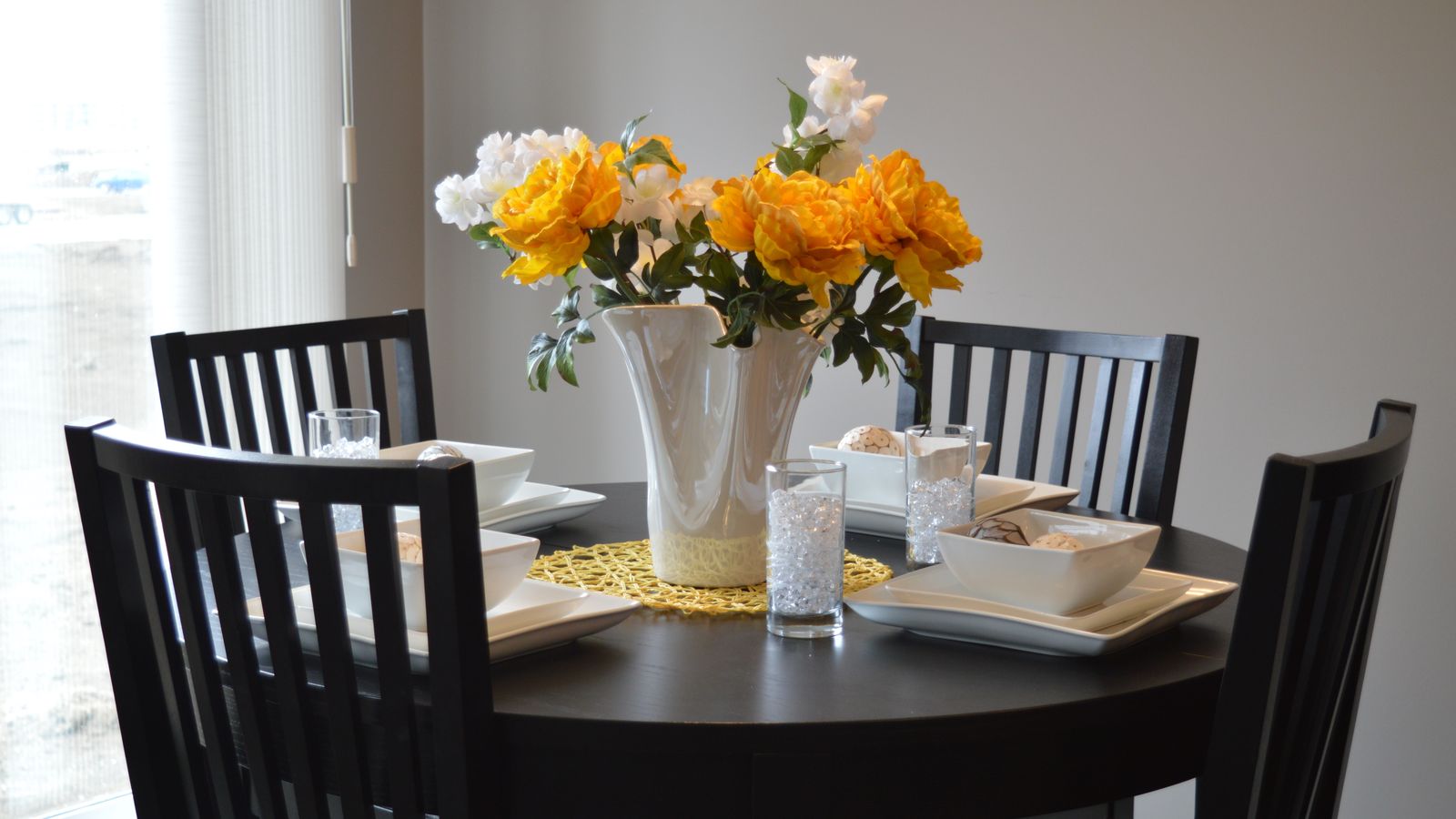
A round dining table, a rug pad, and a cellular shade might seem unrelated, but they all interact in the same physical space. The table sets your traffic flow and seating radius. The rug (and the pad underneath it) defines the floor zone and needs to extend past the chairs when they’re pulled out. The shade controls how much natural light hits the wood finish of the table and the rug fibers, which affects both comfort and long-term fading. Shopping them together, in this order, prevents the classic budget-decorating mistake of buying a rug that’s too small, a shade that’s the wrong opacity, or a table that doesn’t leave enough clearance for chairs.
Step 1: Set Your Total Budget and Split It
- Total the project. Decide what you’re comfortable spending across all three items combined. A realistic budget split for most rooms is roughly 55-60% table, 20-25% rug pad and rug, and 15-20% shade.
- Leave a 10% buffer. Delivery fees, felt protectors, or curtain rod hardware often get overlooked until checkout.
- Decide on trade-offs early. If the table is the centerpiece you care about most, plan to spend less on the rug pad and shade, and vice versa.
Step 2: Measure the Room Before You Shop
- Measure the dining space. Note the width and length of the usable floor area, not just the table footprint.
- Plan for chair clearance. Leave at least 36 inches from the table edge to the nearest wall or furniture so chairs can slide out comfortably.
- Measure the window for the shade. Note whether you want an inside-mount (measured to the exact window opening) or outside-mount (measured to the trim) installation, since the two require different width measurements.
- Write everything down. Keep a simple list of numbers on your phone so you’re not guessing while browsing online.
Step 3: Choose the Round Dining Table First
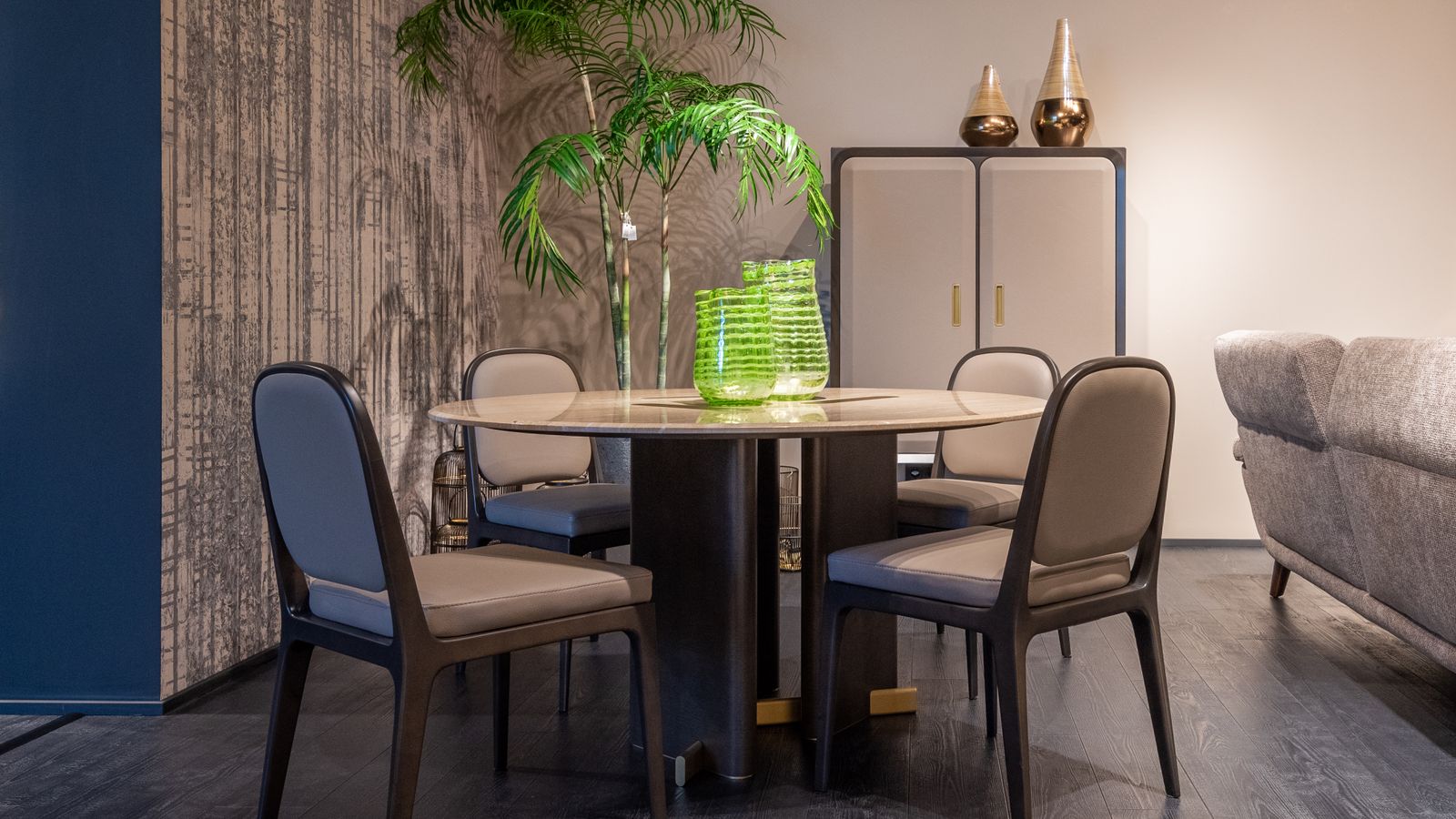
The table anchors the whole scheme, so it should be the first purchase decision, even if it isn’t delivered first. Round tables are a smart pick for smaller or square-shaped dining areas because they eliminate sharp corners in tight walkways and let you add an extra chair without needing a leaf extension. When comparing options, look closely at diameter versus seating count, the base style (pedestal bases free up legroom compared to four-leg designs), and the material’s care requirements – solid wood needs coasters and occasional refinishing, while laminate and veneer tops resist scratches better for a lower price. For a side-by-side look at well-reviewed picks across sizes and price points, browse this roundup of Round Dining Tables before settling on a diameter.
Sizing the Table to Your Room
As a rule of thumb, a 36-inch round table comfortably seats four, a 48-inch table seats four to six, and a 54-60 inch table seats six to eight. Always subtract the table’s diameter from your measured floor width, then check that the remaining space on each side still meets the 36-inch clearance rule from Step 2.
Step 4: Pick the Rug and the Rug Pad Together
On hardwood floors, the rug pad is not optional – it’s the piece that protects your finish from scratches, keeps the rug from sliding when chairs get pushed back, and adds cushioning underfoot. Budget shoppers often skip this step to save money, but a cheap or missing pad usually costs more later in floor refinishing or a replaced rug that’s shifted and worn unevenly. Look for a pad rated specifically for hardwood (some rubber-backed pads marketed for carpet can actually damage wood finishes over time), and choose a thickness between 1/4 and 3/8 inch for a dining area so chair legs don’t sink in and wobble.
- Size the rug to the table. The rug should extend at least 24-30 inches beyond the table’s edge on all sides so chair legs stay on the rug even when pulled out.
- Match the pad to the rug shape. Round or square pads are widely available, or you can trim a rectangular pad to fit a round rug with household scissors.
- Check the pad’s grip rating. Non-slip, felt-and-rubber combination pads perform best under a table with chairs that move constantly.
- Confirm hardwood-safe materials. Avoid PVC-heavy pads that can yellow or bond to the finish; natural rubber and felt blends are the safer budget choice.
For a comparison of pads that are specifically tested and rated safe for hardwood, this guide to rug pads for hardwood is a useful starting point before you commit to a size and thickness.
Step 5: Choose the Cellular Shade for Light and Privacy
Cellular shades (sometimes called honeycomb shades) are a strong budget pick for a dining room because their pocketed cell structure adds insulation, they come in light-filtering and blackout options, and they fold flat and neat compared to heavier drapery. If your dining table sits near a west- or south-facing window, a light-filtering cellular shade cuts glare during meals without making the room feel closed off, while a room-darkening option is better if the space doubles as a home office or gets strong afternoon sun that fades wood finishes.
- Decide on opacity. Light-filtering for a soft glow, room-darkening for glare and fade control.
- Pick a lift style. Cordless and top-down/bottom-up options are worth the small upcharge in a dining room with kids or pets nearby.
- Match the cell size to your budget. Single-cell shades are the most affordable; double-cell adds insulation for a moderate price bump.
- Coordinate the color with your table and rug. A neutral shade lets the table and rug do the visual work, which keeps the whole scheme from feeling busy.
Browse a curated list of well-reviewed options in this guide to the best cellular shades to compare opacity levels and lift mechanisms before ordering.
Step 6: Order in the Right Sequence
Even though you plan all three at once, order them table first, rug pad and rug second, shade last. This sequence matters because the table’s finished footprint tells you the exact rug size you need, and installing the shade last means you can judge the room’s finished light levels with the table and rug already in place, avoiding a shade that’s too dark or too sheer for how the room actually feels once furnished.
Common Budget-Shopping Mistakes to Avoid
- Buying the rug before the table. This almost always leads to a rug that’s too small once the table and chairs are in place.
- Skipping the rug pad to save money. A damaged hardwood finish or a rug that bunches and trips people costs more in the long run.
- Choosing a table diameter without checking clearance. A table that “fits” on paper can still leave chairs scraping the wall.
- Guessing on shade measurements. Inside-mount and outside-mount require different numbers; measuring wrong means a return or a gap around the frame.
- Ignoring material care needs. A solid wood table looks great in photos but needs more upkeep than a budget shopper may want to commit to.
A Simple Budget Checklist
- Total budget set, with a 10% buffer for extras.
- Room measured, including 36-inch chair clearance on all sides.
- Table diameter matched to seating needs and floor space.
- Rug sized to extend 24-30 inches past the table edge.
- Rug pad confirmed hardwood-safe and correctly sized.
- Window measured for inside- or outside-mount shade installation.
- Shade opacity and lift style chosen to match how the room is used.
- Items ordered in sequence: table, then rug pad and rug, then shade.
Frequently Asked Questions
What size rug pad do I need for a round dining table?
Measure your finished rug size, not the table, and buy a pad that matches or sits about an inch smaller than the rug’s diameter so the pad stays hidden underneath.
Do cellular shades work well in a room with a wood dining table?
Yes. Light-filtering cellular shades are a good match because they soften direct sun that can fade or dry out a wood finish over time, while still letting in daylight.
Can I use a carpet rug pad on hardwood floors instead?
It’s not recommended. Many carpet-rated pads use adhesives or PVC backing that can discolor or bond to a hardwood finish; always confirm the pad is labeled safe for hardwood.
How much should I budget for a full dining and decor refresh like this?
It varies widely by brand and material, but splitting roughly 55-60% toward the table, 20-25% toward the rug and pad, and 15-20% toward the shade keeps the whole scheme balanced.
Should I buy the shade before measuring the finished room?
No. Order the shade last so you can confirm the room’s actual light levels once the table and rug are in place, rather than guessing at opacity in advance.
Final Thoughts
A cohesive dining and decor scheme doesn’t require a big budget – it requires a sequence. Start with the round dining table since it sets your room’s footprint, add a rug and hardwood-safe rug pad sized to that footprint, then finish with a cellular shade chosen for the room’s actual light needs. Following this order, along with the measurements and checklist above, helps you avoid the return trips and mismatched purchases that make budget decorating feel more expensive than it needs to be.