A bedroom reading corner only works when the pieces inside it actually support how you read, relax, and wind down at night. If your current setup is just a daybed with a mismatched throw and a stack of books balanced precariously on the nightstand, it’s time for a proper upgrade. This guide walks you through three practical changes – swapping in a proper daybed cover, adding a headboard storage shelf, and choosing the right bedroom armchair – that together turn an awkward corner into a space you’ll actually want to sit in.
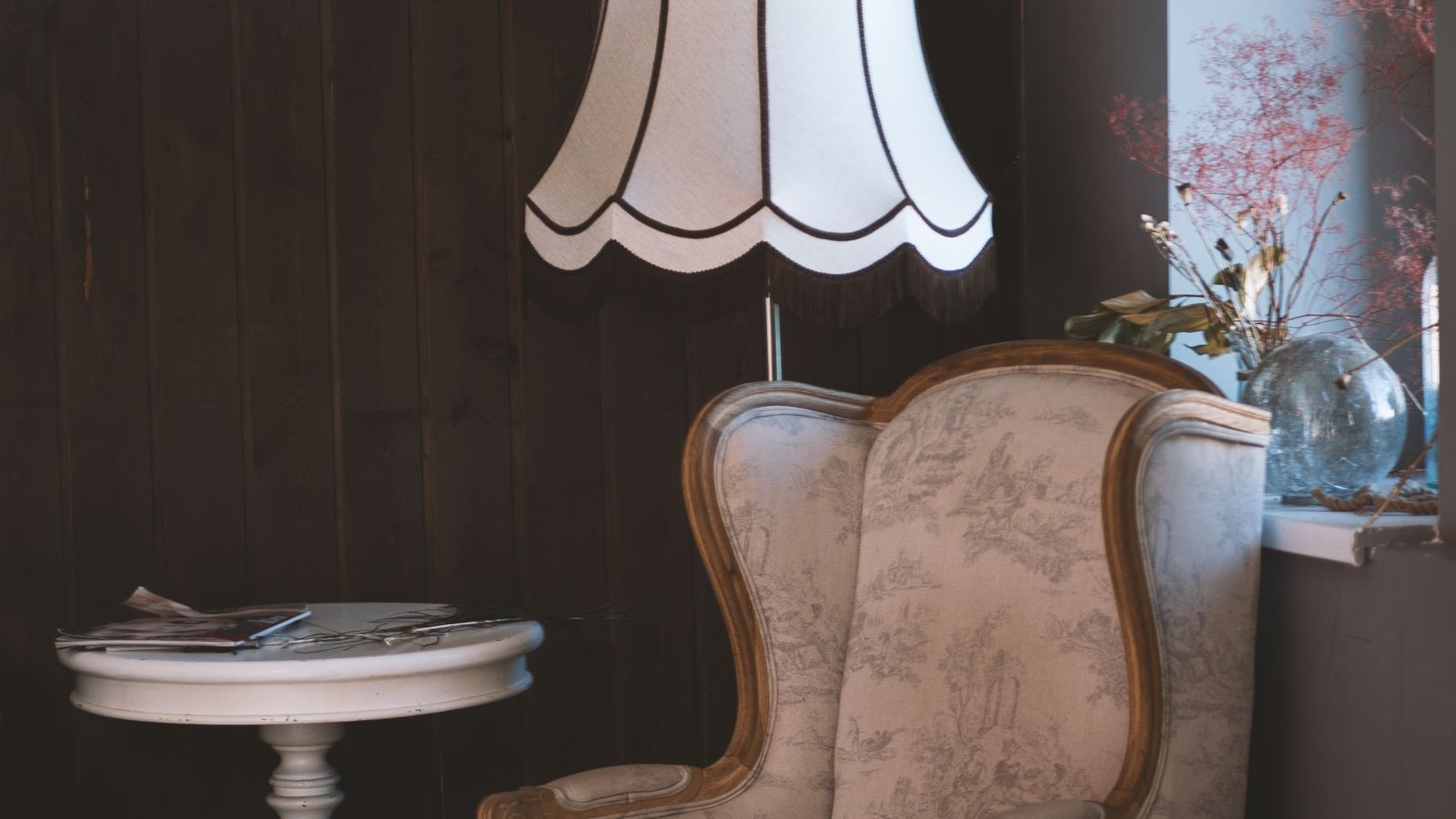
None of these upgrades require major renovation or a big budget. They’re the kind of small, deliberate changes that make a corner of your bedroom feel curated instead of accidental – and they can typically be done in a single weekend.
What You’ll Need
- A fitted or tailored daybed cover sized to your mattress dimensions
- A headboard storage shelf (mounted or freestanding, depending on your daybed style)
- A bedroom armchair or reading chair with enough clearance to swivel or recline
- A small side table or ottoman (optional, for drinks and footrest)
- A reading lamp with adjustable brightness
- A tape measure, level, and basic mounting hardware if the shelf requires wall anchors
- Throw pillows and a lightweight blanket for texture and comfort
Step 1: Measure the Reading Corner Before You Buy Anything
Before shopping for a single item, measure the full footprint of the corner – width, depth, and ceiling height if you’re considering anything tall like a floor lamp or bookshelf. Note the location of outlets, windows, and doors so you know where a lamp cord needs to reach and whether natural light will hit your reading spot in the afternoon. Sketch a rough layout, even a simple one on paper, showing where the daybed, armchair, and shelf will sit relative to each other. Leave at least 24 to 30 inches of walking space between the daybed and the armchair so the corner doesn’t feel cramped.
Step 2: Choose and Fit a Daybed Cover
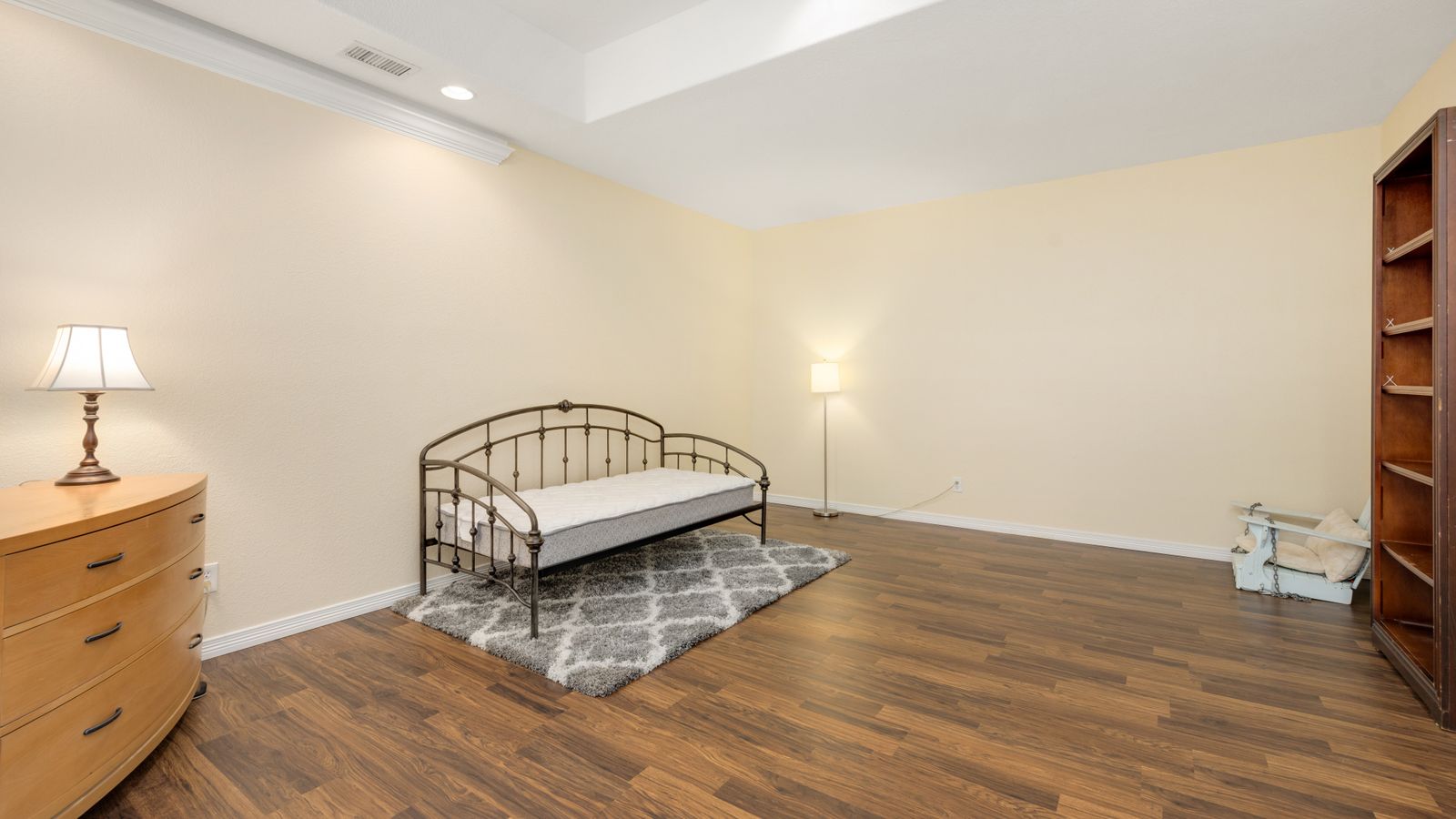
The daybed is usually the anchor piece of a reading corner, and a well-fitted cover does more for the room’s look than almost anything else you’ll buy. Measure the mattress length, width, and depth (including any trundle or storage drawer underneath) before ordering. A cover that’s too loose will bunch and look sloppy within a week; one that’s too tight will pull at the corners and wear out fast.
Look for a cover in a durable, easy-to-wash fabric – cotton-linen blends and tightly woven canvas both hold up well to daily lounging and are simple to launder. Choose a color or pattern that ties into the rest of the bedroom rather than standing apart from it; a neutral base with one or two accent pillows on top is usually more versatile than a bold all-over print, since you can change the accent pieces seasonally without replacing the whole cover.
Once the cover is on, tuck and smooth it at the corners, then layer a folded throw at the foot of the daybed and two to three pillows against the headboard end. This layering is what makes a daybed read as a deliberate seating piece rather than “a bed pushed into a corner.” For a wider range of tailored, well-reviewed options sized for different daybed frames, see this roundup of daybed covers before you commit to one.
Step 3: Install a Headboard Storage Shelf
A headboard storage shelf solves the single most common reading-corner problem: nowhere to put your book, glasses, phone, or mug of tea within arm’s reach. Rather than adding a bulky nightstand that eats into your walking space, a shelf that mounts directly to or above the headboard keeps the surface area you need without taking up floor space.
Start by deciding whether you need a wall-mounted shelf, a shelf that clips onto the existing headboard frame, or a freestanding ledge that sits behind the daybed. If you’re mounting into drywall, locate a stud where possible, or use rated anchors sized for the shelf’s expected load – books add up in weight quickly. Hold the shelf in place, check it with a level, and mark your mounting points before drilling.
Keep what you store on it intentional: one or two books in rotation, a small lamp or reading light, a coaster, and maybe a small tray for glasses or jewelry you take off before bed. Overloading the shelf defeats the purpose – it should feel like a curated ledge, not another catch-all surface. If you want to compare styles and weight capacities before buying, this list of headboard storage shelves is a good place to start.
Step 4: Add a Bedroom Armchair for a Second Seat
A daybed alone can feel like a single-purpose piece – great for lounging, less ideal if you want to sit upright with a book or have a second person join you for coffee. Adding a compact bedroom armchair rounds out the corner and gives you a proper spot to sit with good back support, which a daybed’s low sides and soft cushioning often don’t provide for long reading sessions.
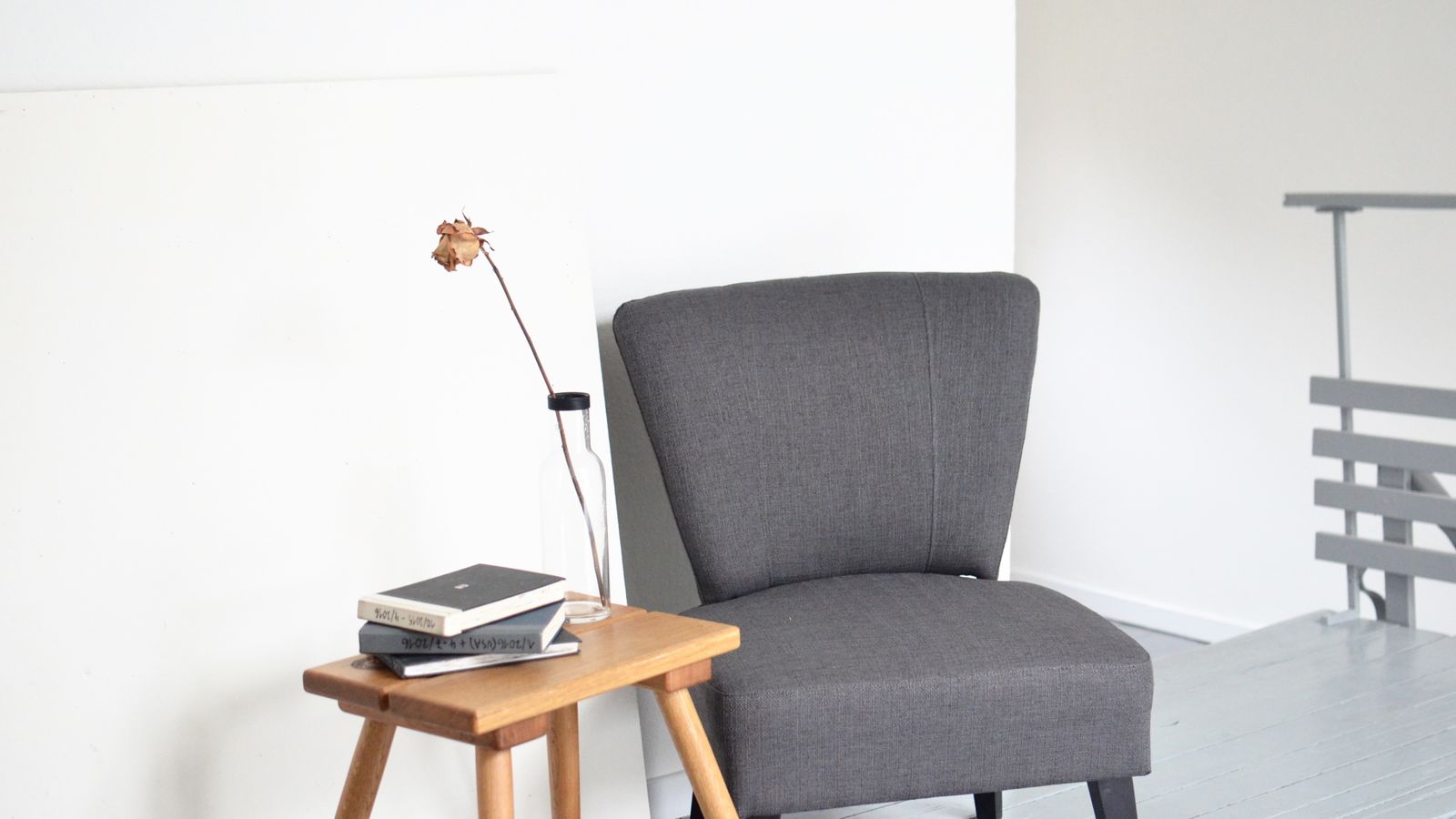
When choosing the chair, prioritize scale over style first. A corner reading nook usually calls for a slim-profile armchair rather than an oversized recliner – something in the 26 to 30 inch width range typically fits well without overwhelming the space. Look for a seat height and back angle that lets you sit upright comfortably for 20 to 30 minutes at a stretch, since that’s roughly how long most people read before shifting position.
Fabric choice matters here too. A performance or tightly woven upholstery resists wear better than delicate velvet if the chair gets daily use, though velvet or boucle can work well as an accent if the chair is more occasional. Angle the chair slightly toward the window or the daybed rather than squaring it off against the wall – a slight turn makes the seating arrangement feel more like a conversation-ready corner than two separate stations. Browse this curated list of best bedroom armchairs to find a size and style that matches your corner’s footprint.
Step 5: Layer in Lighting
Overhead bedroom lighting is almost always too harsh for a reading corner. Add a dedicated light source instead – a floor lamp positioned just behind or beside the armchair, or a small clip or wall-mounted reading light near the headboard shelf. Choose a warm color temperature (around 2700K to 3000K) rather than a cool white bulb, since warm light is easier on the eyes for extended reading and suits a bedroom’s relaxed mood better. If your outlet placement is limited, a battery or rechargeable lamp gives you more flexibility in positioning without running cords across the floor.
Step 6: Finish With Textiles and Small Details
Once the major pieces are in place, the finishing textiles are what tie the corner together. Match one or two pillow colors between the daybed and the armchair so the two seating pieces feel like part of the same set rather than unrelated furniture. A small rug underneath the armchair (or extending slightly under the daybed) helps visually anchor the corner, especially on hard flooring. If space allows, a low stool or small pouf can double as a footrest or extra side table for drinks and a stack of books in progress.
Common Mistakes to Avoid
- Skipping measurements before buying the cover. Daybed dimensions vary more than people expect, and an ill-fitting cover is the fastest way to make the whole corner look unfinished.
- Overloading the headboard shelf. A shelf packed with books, decor, and electronics looks cluttered and can strain lighter-duty mounting hardware.
- Choosing an armchair that’s too large for the space. An oversized chair blocks walking paths and makes the whole corner feel tight rather than cozy.
- Relying on overhead light only. Without a dedicated reading light, most people end up abandoning the corner in the evening when it’s needed most.
- Mismatching fabrics and tones. A daybed cover, armchair upholstery, and pillows in three unrelated color families make the space feel disjointed even when each piece is nice individually.
Safety Notes
When mounting a headboard storage shelf, always check for hidden wiring or plumbing before drilling, and use anchors rated for the shelf’s maximum load plus whatever you plan to store on it. If you’re placing a floor lamp near the daybed or armchair, route the cord along the wall or under a rug edge rather than across an open walking path to avoid a trip hazard. Double-check that any wall-mounted shelf is level and fully secured before loading it – a quick tug test after installation is worth the extra minute.
Frequently Asked Questions
How much does it cost to upgrade a bedroom reading corner?
Costs vary widely depending on the pieces you choose, but a daybed cover, a headboard shelf, and an armchair together can typically be sourced for a modest mid-range budget if you shop for each piece individually rather than as a bundled set. Prioritizing the armchair and cover first, then adding the shelf and lighting later, is a reasonable way to spread out the cost.
Do I need a wall-mounted shelf, or can I use a freestanding one?
Either works, and the right choice depends on your daybed frame and whether you’re comfortable drilling into the wall. A freestanding ledge that rests behind or beside the headboard is a good no-drill alternative if you’re renting or prefer not to make permanent changes.
What size armchair fits best in a small bedroom corner?
Look for a slim-profile chair in the 26 to 30 inch width range with a compact base. Chairs with exposed legs (rather than a skirted base) also tend to make a small corner feel more open since they don’t visually block the floor.
How do I keep the daybed cover from sliding or bunching?
Choose a fitted or elasticized cover sized specifically to your mattress dimensions rather than a generic throw. Tucking the excess fabric at the corners and adding a folded throw on top also helps keep everything in place during regular use.
Can I do this upgrade in stages instead of all at once?
Yes – this is one of the easier bedroom projects to tackle piece by piece. Many people start with the daybed cover since it has the biggest visual impact for the lowest effort, then add the armchair, and finish with the shelf and lighting once the layout is confirmed.
Final Thoughts
A great bedroom reading corner comes down to fit, function, and a few well-chosen finishing touches. Start with a daybed cover sized correctly to your mattress, add a headboard storage shelf so everything you need is within reach, and round out the seating with a properly scaled armchair. Layer in warm lighting and a few coordinated textiles, and you’ll have a corner that invites you to actually sit down and read – rather than one that just looks nice in passing.