

Tackling stubborn plumbing fixtures or seized automotive bolts requires tools that stay firmly anchored in your hand. Slippery handles lead to rounded fasteners, wasted physical effort, and painful knuckles during heavy mechanical tasks. Equipping your workshop with the Best Pliers Sets with Non Slip Grip ensures reliable control across diverse maintenance projects.
In this guide for September 2026, we analyze 7 versatile toolkits from leading manufacturers like IRWIN, WORKPRO, DURATECH and more. Modern plier handles utilize advanced bi-material thermoplastics and textured rubber compounds that resist grease and moisture. Discovering the right balance of steel hardening, jaw design, and handle comfort transforms how you approach household repairs and automotive maintenance.
Whether you need heavy leverage for plumbing or needle-point precision for wiring, choosing the proper set prevents costly mistakes. Explore our practical DIY repair projects to see how reliable hand tools simplify complex home improvements.


Handle Grip Material and Ergonomics
The handle material dictates how much force you can comfortably transfer into your workpiece without slipping. Traditional dipped vinyl handles are thin and offer basic insulation, but they quickly become slick when exposed to engine oil or water. Multi-component handles combine rigid polypropylene cores with soft thermoplastic elastomer outers to cushion your palm during high-torque clamping.
Look for contoured profiles that distribute pressure evenly across the palm and fingers rather than creating concentrated hot spots. Wide palm rests prevent your hand from sliding forward toward the metal pivot joint when pushing hard against stuck components. Raised ribs and textured rubber zones channel away liquids, maintaining traction under sweaty or oily working conditions.
As a rule of thumb, select bi-material or tri-material molded grips if you frequently handle high-torque mechanical or plumbing tasks. For delicate electrical work in tight electrical enclosures, slim double-dipped handles provide greater spatial clearance without sacrificing grip security.
Steel Alloy Formulation and Forging Quality
The core strength of any plier tool depends heavily on the metallurgy and forging process used during manufacturing. Drop-forged chrome vanadium steel provides excellent tensile strength, resisting jaw spread under extreme rotational torque. Nickel chromium alloys offer superior impact toughness and enhanced corrosion resistance in humid or outdoor job site environments.
Check the product specifications to confirm whether the entire plier body is heat-treated or merely surface-hardened. Inferior carbon steel tools deform at the jaw teeth when gripping hardened steel fasteners, ruining their gripping ability. Premium forged alloys maintain dimensional stability even when subjected to intense twisting forces during automotive repairs.
A practical tip is to look for induction-hardened components with Rockwell hardness ratings between 58 and 64 HRC on cutting surfaces. High hardness at the cutting edges combined with a tough, ductile body prevents catastrophic tool fracturing under heavy mechanical stress.
Jaw Serration Pattern and Gripping Geometry
Jaw serration geometry directly impacts how effectively a plier grips different material profiles such as flat bar, hexagonal nuts, and round pipe. Fine cross-hatched serrations near the tip offer high friction for pulling cotter pins or holding sheet metal. Deeper, aggressive curved teeth in the center jaw channel bite into smooth pipes to prevent rotational slipping.
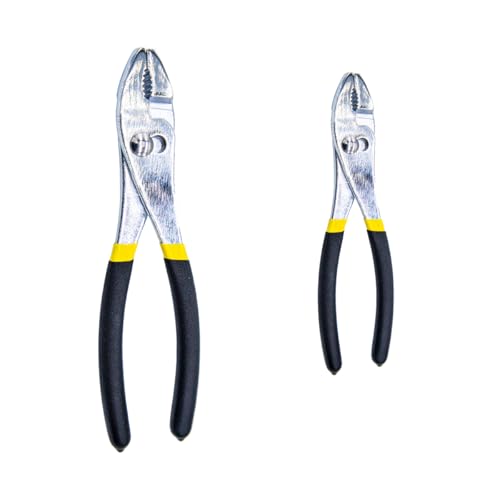
Evaluate whether the jaws feature opposing directional teeth designed to self-lock onto cylindrical objects under applied rotational load. Slip joint and groove joint pliers with precision-milled diamond patterns provide secure contact points on rounded fastener heads. Flat jaw sections without serrations are ideal for bending soft sheet metal without marring the surface finish.
When selecting your kit, ensure the jaw teeth are induction hardened to preserve their sharp edges over years of hard use. Inspecting tooth depth before purchasing helps verify that the tool can bite into corroded hardware without slipping off the contact edges.
Joint Mechanism and Pivot Precision
The pivot joint is the mechanical focal point that determines overall leverage, alignment, and long-term durability. High-leverage plier designs position the rivet closer to the cutting edge, reducing the hand force needed to cut tough wire. Loose, sloppy joints cause jaw misalignment, which prevents clean shearing cuts and reduces clamping friction on fasteners.
Examine the joint construction to see whether the manufacturer uses a heavy-duty flush rivet or an adjustable bolt system. Flush rivets create a streamlined profile that fits into narrow engine bays and electrical junction boxes without catching on surrounding wires. Precise machining tolerances eliminate side-to-side play while still allowing smooth, one-handed opening and closing action.
You can check our hand tool maintenance guides for expert tips on keeping pivot joints lubricated and grit-free. Applying a single drop of synthetic machine oil to the pivot every six months prevents friction wear and eliminates stiff action.
Cutting Edge Hardness and Shearing Performance
Diagonal cutters and linesman pliers rely on precision-ground cutting knives to snip copper wire, steel fencing, and hard nails. Laser-hardened or induction-treated cutting edges stay razor-sharp significantly longer than standard stamped steel edges. Poorly hardened blades quickly notch and dull when cutting hardened screws or multi-strand steel cables.
Inspect the alignment of the cutting edges by holding the tool up to a bright light source to check for gaps. Premium pliers feature knife-and-anvil or matching shear edges that meet flush along their entire length without overlapping. Center wire cutters integrated into locking or slip joint pliers provide extra utility when trimming tie wires on construction sites.
Always verify the manufacturer cutting capacity ratings for soft, medium, and hard wire before attempting heavy cutting tasks. Exceeding the specified wire diameter can permanently notch the cutting blades, ruining the tool for precision electrical stripping.
Tool Variety and Set Configuration
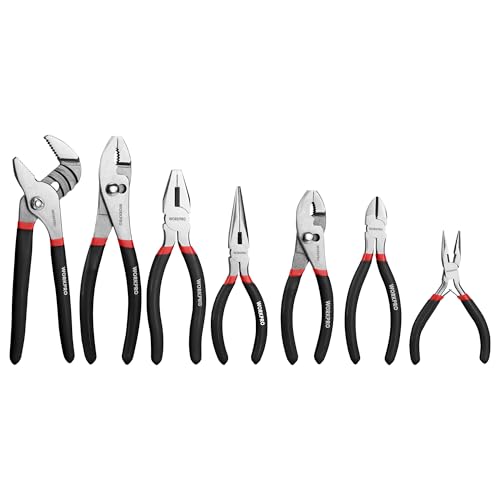
A comprehensive plier set should include specialized tools tailored to diverse mechanical, plumbing, and electrical tasks. Essential collections typically provide long-nose pliers for tight spaces, diagonal cutters for wiring, and slip-joint pliers for general utility. Advanced kits expand functionality by adding multi-size groove joint water pump pliers and heavy-duty locking vice grips.
Selecting the right assortment depends on your primary maintenance projects and available storage space. Homeowners tackling general upkeep benefit from balanced 4-piece to 7-piece kits that cover common fastener sizes and wire gauges. Mechanics and trade professionals often require 8-piece sets that include multiple groove sizes and adjustable wrenches for complex pipe assemblies.
Consider whether the included plier dimensions match the physical constraints of your typical work environment. Having both an 8-inch and a 12-inch water pump plier ensures adequate leverage for large pipe unions and compact access under bathroom sinks.
Adjustment Mechanisms in Groove and Locking Tools
Groove joint and locking pliers require reliable adjustment mechanisms to accommodate varying workpiece diameters securely. Push-button locking systems like GrooveLock mechanisms allow rapid one-handed sizing directly against the pipe surface. Traditional tongue-and-groove channels require manual alignment but provide extreme mechanical rigidity under heavy twisting loads.
For locking pliers, precision turn-screws regulate clamping tension while guarded release triggers prevent painful accidental snapping. Smooth adjustment screws allow micro-tuning the jaw gap so you can clamp fragile sheet metal without crushing the workpiece. Fast-release levers coated in anti-pinch rubber protect fingers during high-pressure disengagement.
Opt for push-button adjustment mechanisms if speed and one-handed operation are critical priorities for your plumbing projects. For high-torque pipe extraction where slippage cannot occur, deep-milled tongue-and-groove channels deliver maximum mechanical engagement.
Corrosion Resistance and Surface Coatings
Hand tools stored in unheated garages, outdoor sheds, or service vans are constantly exposed to humidity and condensation. Electrophoretic blackened coatings seal the underlying steel alloy against oxidation while resisting chemical solvents and motor oil. High-polish chrome plating provides a slick, mirror finish that sheds water and cleans easily with a shop rag.
Examine whether the tool surface is coated with a temporary shipping grease or a permanent chemical surface treatment. Transparent protective lacquers prevent initial shelf rust but require regular oil wipe-downs once put into active service. Black oxide finishes provide modest rust protection while eliminating blinding light reflections under bright task lighting.
Wipe down newly unboxed pliers with a light solvent to remove excess shipping oil before storing them in your primary toolbox. Applying a dry film corrosion inhibitor ensures long-lasting rust defense without leaving a greasy residue on your non-slip handles.
Tool Storage and Organization Accessories
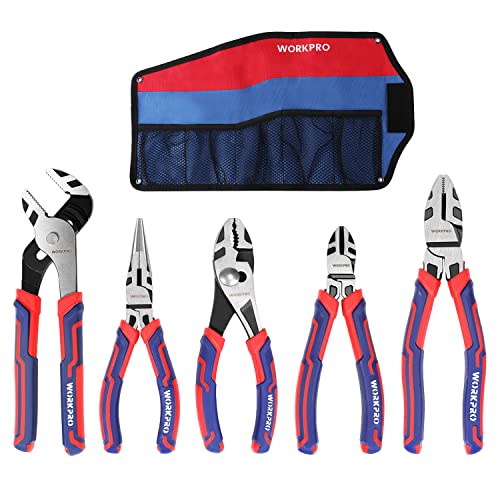
Keeping multiple plier sizes organized protects cutting edges from chipping and prevents frustrating searches during critical repairs. Heavy-duty Oxford fabric roll-up pouches feature tailored pockets that keep each plier separated and securely immobilized. Sturdy storage pouches with carry handles roll compactly into toolboxes, mobile service bags, or vehicle trunks.
Look for pouches with labeled pocket sizing and hook-and-loop retention flaps to prevent heavy tools from sliding out during transit. Proper tool storage prevents handle rubber from rubbing against sharp metal corners inside cluttered drawers. If you are organizing your home workshop, dedicated pouches keep your workspace clean and efficient.
A smart storage strategy preserves tool longevity and keeps non-slip grip handles free from chemical contamination. Rolling pouches provide the ideal balance of portable protection and instant tool visibility on any job site.
| Plier Set Feature | Chrome Vanadium (Cr-V) | Nickel Chromium (Cr-Ni) | High Carbon Steel |
|---|---|---|---|
| Tensile Strength | High (Excellent Torque) | Very High (Impact Resistant) | Moderate (Standard Use) |
| Corrosion Defense | Black Oxide or Chrome | Naturally Rust Resistant | Requires Protective Oil |
| Grip Compatibility | Bi-Material Molded TPR | ProTouch Rubber Sleeve | Double-Dipped Vinyl |
| Recommended Application | Automotive & General DIY | Heavy Plumbing & Trade Work | Light Household Maintenance |
Why You Should Trust Us
Our hand tool evaluations rely on rigorous comparative analysis of metallurgical standards, handle ergonomics, and verified manufacturing specifications. We analyze technical data sheets, heat-treatment certifications, and user performance reports across 7 leading toolkits. This objective approach ensures our recommendations reflect real-world mechanical capability rather than manufacturer marketing claims.
We systematically categorize pliers by steel composition, jaw profile versatility, and anti-slip handle compound resilience against common shop chemicals. Every product profile is cross-referenced against mechanical leverage ratios and cutting edge hardness ratings. Our data-driven methodology eliminates bias, providing you with trustworthy buying advice tailored to your budget.
Our editorial database is updated continuously throughout 2026 to reflect changes in manufacturing batches and tool configurations. We monitor consumer reliability reports to verify that grip coatings retain elasticity and resist peeling over extended periods. You can always count on our transparent guidance for your equipment investments.
Final Thoughts
Selecting the Best Pliers Sets with Non Slip Grip depends on your balance of required leverage, tool variety, and workspace demands. For comprehensive professional capability and maximum versatility, we recommend the IRWIN Tools VISE-GRIP GrooveLock Pliers Set. Its Press-n-Slide button system and cushioned ProTouch grips deliver outstanding leverage and comfort for demanding plumbing and mechanical overhauls.
If you are searching for outstanding value and versatile utility for household tasks, the WORKPRO Pliers Set, 5-Piece Premium Cr-V Pliers is an exceptional choice. Its drop-forged chrome vanadium construction and ergonomic tri-color handles offer dependable gripping power at an accessible price point for everyday DIYers.
For specialized clamping strength in welding and automotive extraction, the WORKPRO 5-Piece Locking Pliers Set provides unmatched locking force and tight-space clearance. Dedicated mechanics requiring broad plumbing coverage will also appreciate the heavy-duty roll-up convenience of the DURATECH 8-Piece Pliers Set with Rolling Pouch.
Investing in quality hand tools with ergonomic non-slip handles protects your hands from strain while improving mechanical control. Review our home improvement advice and guidelines on storing essential equipment to keep your gear organized and ready for any repair project.
FAQs
Why are non-slip grips important on pliers?
Non-slip grips prevent hand slippage when working with oily, wet, or high-torque mechanical applications. They cushion your palms against pressure points, significantly reducing hand fatigue during prolonged repair sessions. Secure handles also prevent accidental knuckle scrapes caused by sudden slips off stubborn fasteners.
What steel alloy is best for durable pliers sets?
Chrome vanadium steel and nickel chromium alloys are the leading choices for professional-grade pliers. These drop-forged alloys provide exceptional structural rigidity to prevent jaw twisting under intense rotational torque. They also resist surface wear and chipping on precision cutting edges over extended use.
How do groove lock pliers differ from standard slip joint pliers?
Groove lock pliers feature an adjustable multi-position channel that maintains parallel jaw contact across large pipe diameters. Standard slip joint pliers offer only two pivot positions designed primarily for smaller flat or round objects. Push-button groove tools allow instant sizing directly against round fittings without losing mechanical grip.
Can I use non-slip grip pliers for live electrical work?
Standard rubber or bi-material plier grips are designed purely for mechanical comfort and traction, not electrical insulation. You should never use standard pliers on energized electrical circuits because standard grips do not protect against lethal shocks. Always verify certified VDE or 1000V ratings before handling any live electrical wiring.
What is the top-rated option among Best Pliers Sets with Non Slip Grip in 2026?
The top-rated plier kit for comprehensive versatility is an 8-piece professional set featuring cushioned anti-pinch handles and induction-hardened cutting jaws. Selecting a kit with both groove joint and locking pliers ensures capability across plumbing, automotive, and electrical tasks. Checking for durable steel alloys like Cr-V guarantees long-lasting mechanical performance.
How do I prevent rust on forged steel pliers sets?
Keep your pliers clean and dry after every use, wiping away any water, brake fluid, or chemical residues. Applying a light coat of mineral oil or rust inhibitor to the exposed metal surfaces protects against moisture. Storing your hand tools inside breathable roll-up pouches prevents condensation buildup in damp workshops.
What plier types should be included in a beginner tool kit?
A beginner set should include linesman pliers for gripping and twisting, diagonal cutters for wire trimming, and long-nose pliers for tight spaces. Adding a slip-joint plier and a groove-joint water pump plier ensures adequate coverage for general plumbing tasks. Review our hand tool maintenance guides to learn proper usage techniques for each tool type.
How does induction hardening improve plier cutting edges?
Induction hardening uses targeted electromagnetic fields to heat the cutting blades rapidly before immediate quenching. This localized process increases blade hardness up to 64 HRC while keeping the plier body tough and flexible. The resulting blades slice through hardened wire cleanly without chipping or dulling prematurely.
Are bi-material grips more durable than dipped rubber handles?
Bi-material molded grips offer superior long-term durability because they are chemically bonded directly to the steel handle cores. Traditional thin dipped rubber handles tend to tear, twist, or slide off the metal handles under heavy torque. Multi-layer handles also incorporate ergonomic finger ridges that disperse clamping stress across your hand.
How do locking pliers assist with stripped or rounded fasteners?
Locking pliers feature a toggle-lever mechanism that clamps down on damaged bolt heads with extreme mechanical force. Once locked in position, the deep serrated jaws maintain their grip without requiring continuous hand pressure. This hands-free clamping power makes them ideal for extracting stubborn, rusted, or rounded hardware.





Write Your Review
No reviews yet. Be the first to share your experience!