Setting up a nursery or kids room from scratch can feel overwhelming once you realize how many separate pieces have to work together. A mattress that fits the crib or toddler bed, a bunk bed ladder that’s actually safe for small hands and feet, and a table and chair set that survives years of art projects and snack time – these three essentials form the backbone of almost any kids’ room starter kit. This guide walks you through building that kit step by step, from measuring your space to choosing materials that will hold up to daily use.
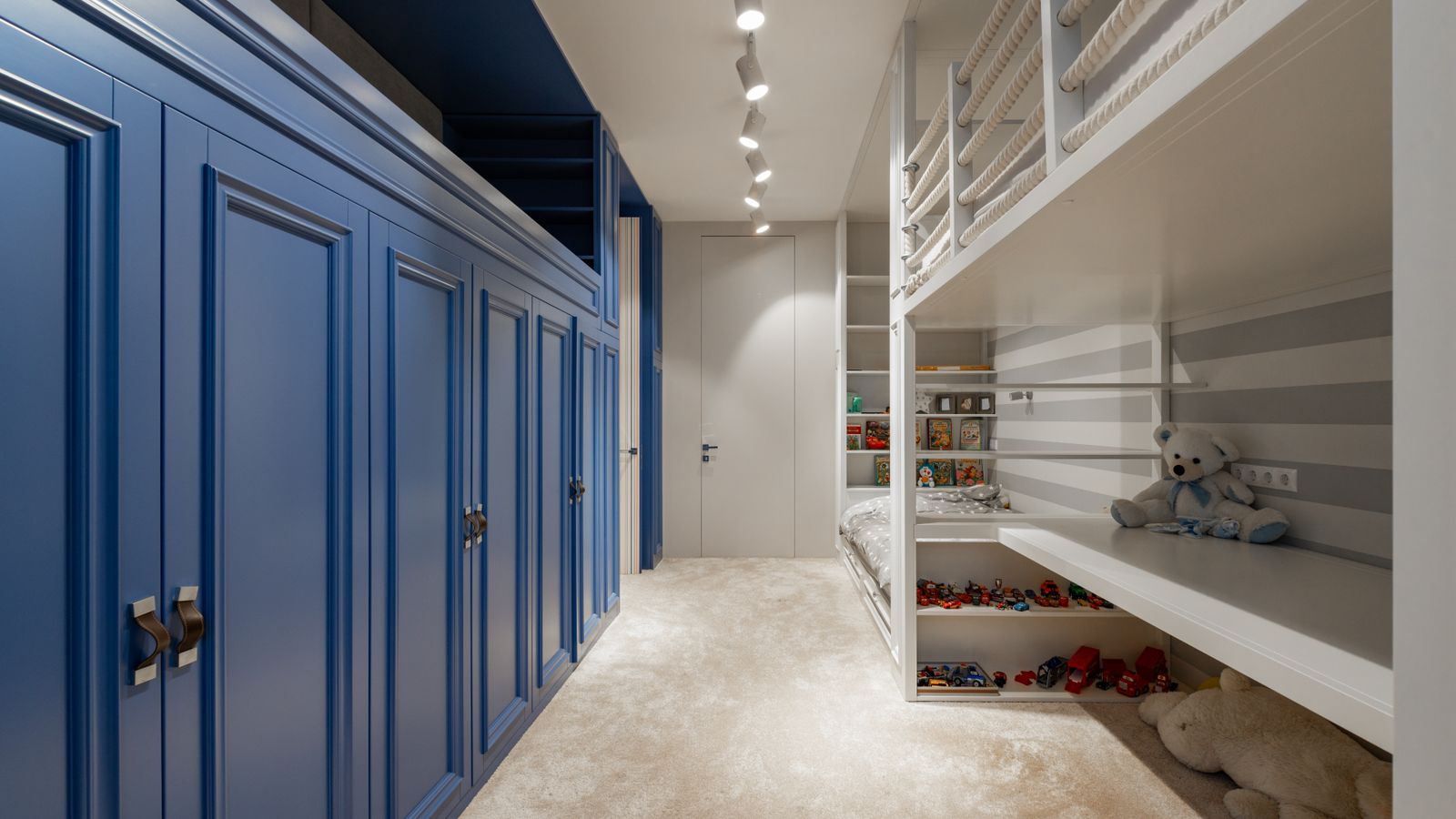
Whether you’re outfitting a nursery for a newborn, transitioning a toddler into their first bed, or setting up a shared kids room with bunk beds, having a clear plan prevents the two most common mistakes: buying pieces that don’t fit together, and buying too much too soon. Below is a practical framework you can follow room by room.
Step 1: Measure the Room and Plan the Layout
Before buying anything, measure the room’s dimensions, ceiling height, door width, and the footprint of any existing furniture like a crib, dresser, or bunk bed frame. Note where windows and outlets sit, since a table and chair set needs decent natural light and a mattress should sit away from drafts. Sketch a rough layout, even a simple one on paper, marking where the bed or crib, the play/study table, and any storage will go. This step prevents the frustration of ordering a mattress or ladder that technically fits the bed frame but leaves no walking space in the room.
If the room will serve double duty as both a nursery and a play area as the child grows, plan for that transition now. A table and chair set purchased for a toddler can often stay useful for years, while a crib mattress will eventually need to be swapped for a twin-size option.
Step 2: Choose the Right Kids Mattress
The mattress is arguably the most important item in the kit because it directly affects sleep quality and safety. For infants, firmness is non-negotiable – a firm, snug-fitting mattress reduces suffocation risk and should leave no gap larger than two fingers between the mattress edge and the crib rail. For toddlers and older kids moving into a twin or bunk bed, you have more flexibility, but durability and a washable or removable cover matter a lot given the inevitable spills and accidents.
Look for mattresses with certifications for low chemical emissions, since kids spend far more hours per day in direct contact with a mattress than adults typically do. Thickness matters too: a mattress that’s too thick may not fit safely in a bunk bed frame’s guardrail height, which is a detail people often overlook until it’s too late. For a deeper breakdown of firmness levels, certifications, and sizing by age, our guide to Kids Mattresses covers the details you’ll want to compare before buying.
Step 3: Select a Bed Ladder for Bunk Beds
If your starter kit includes a bunk bed, the ladder is a safety-critical piece, not just a convenience. Ladders come in a few common styles: straight, angled, and staircase-style. Angled and staircase ladders tend to be more stable and easier for young kids to climb confidently, while straight ladders save floor space but require more upper body coordination.
When choosing a ladder, prioritize wide, non-slip rungs (rounded rungs are harder to grip securely than flat ones), a weight rating that comfortably exceeds your child’s weight, and secure mounting hardware that matches your specific bed frame. Universal ladders exist, but a ladder designed for your bed brand and model will almost always mount more securely than a generic fit. Never substitute a makeshift ladder or stack furniture as a workaround – loose or improvised climbing setups are one of the leading causes of bunk bed injuries.
Our roundup of bed ladders for bunk beds compares rung materials, mounting styles, and weight capacities so you can match a ladder to your exact bunk bed setup.
Step 4: Install the Mattress and Ladder Correctly
- Unbox the mattress and let it air out in a ventilated room for a few hours before use, especially if it arrived compressed and rolled.
- Place the mattress in the crib or bed frame and check for gaps along every edge; a properly fitted mattress should not shift when pushed firmly.
- Attach the bunk bed ladder using the manufacturer’s hardware only, tightening every bolt or hook fully and double-checking the mount after the first week of use, since new hardware can loosen slightly.
- Test the ladder yourself by applying firm downward and side-to-side pressure before letting a child climb it.
- Add a fitted sheet or waterproof mattress protector before the room is used, particularly for toddlers who are newly potty-trained.
Step 5: Choose a Kids Table and Chair Set
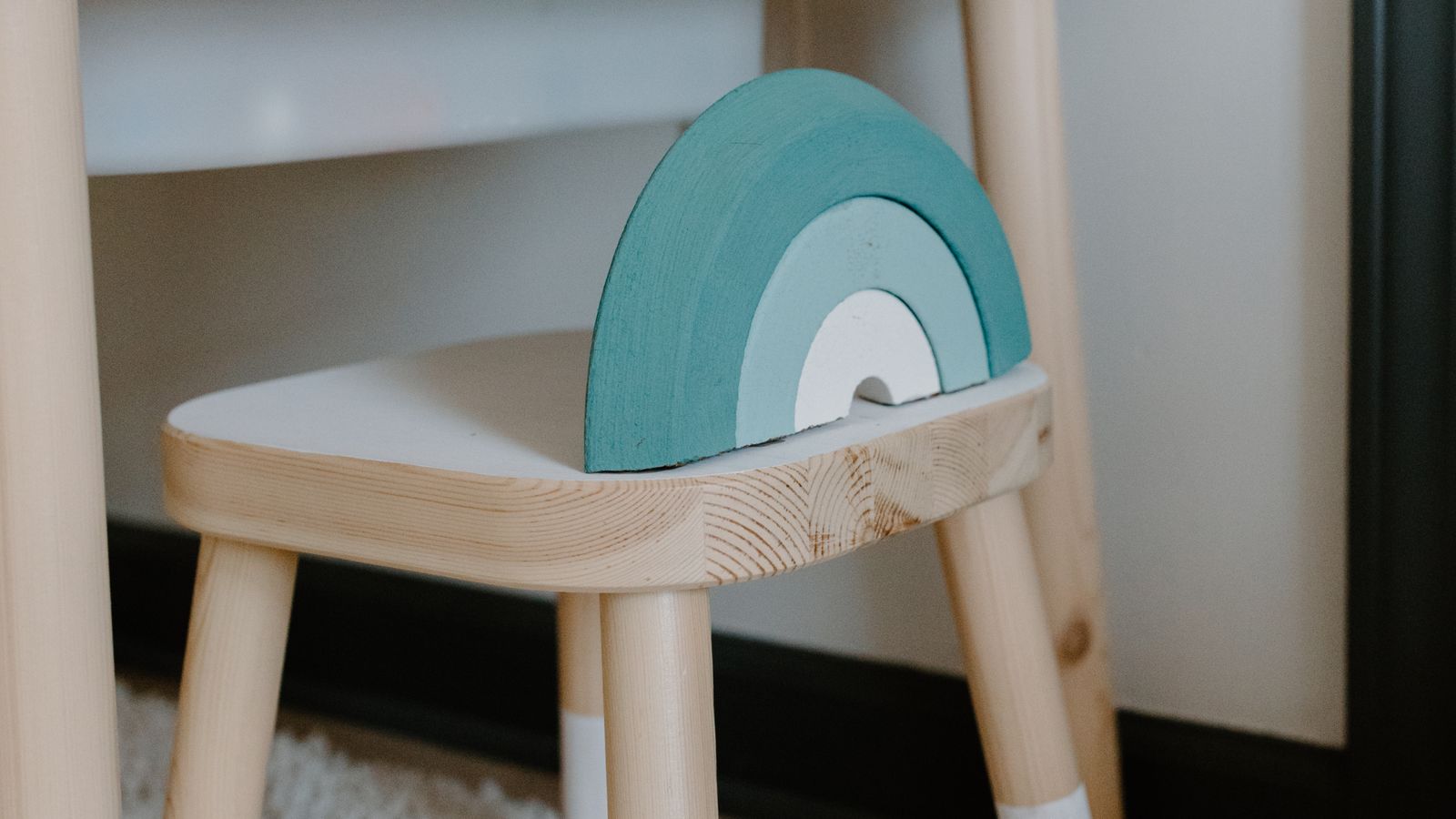
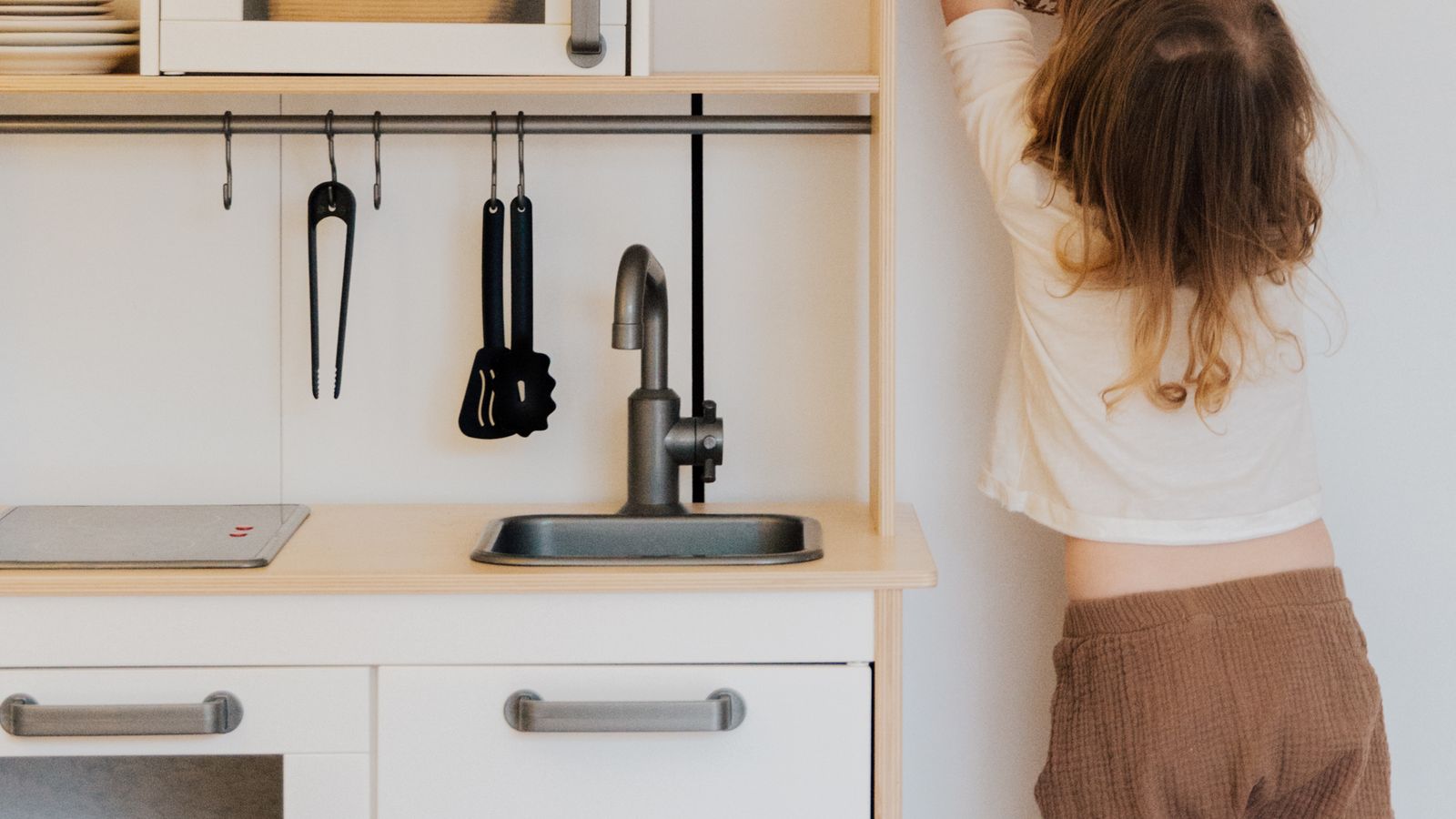
A table and chair set rounds out the starter kit by giving kids a dedicated space for drawing, snacks, and quiet play separate from the bed. Look for rounded edges, a stable base that won’t tip when a child leans on it, and a chair height that lets little feet rest flat on the floor. Materials matter: solid wood and coated MDF sets tend to be sturdier and easier to wipe clean than particleboard options, which can swell if liquids are spilled and not cleaned up quickly.
Adjustable-height sets are worth the extra cost if you want the furniture to grow with your child, since a table that fits a two-year-old will feel cramped for a six-year-old. Check our guide to the best kids table and chair sets for a closer look at sizing ranges, materials, and stability features across different price points.
Step 6: Arrange the Furniture for Safety and Flow
- Position the bed or crib away from windows, blinds cords, and heating vents.
- Leave at least two to three feet of clear space around the bunk bed ladder so kids have room to climb without obstruction.
- Place the table and chair set in a well-lit corner, ideally on a washable rug or hard flooring rather than carpet that stains easily.
- Anchor tall furniture like dressers or bookshelves to the wall if they sit near the play area, since active kids can pull on furniture while climbing or playing.
- Keep a night light or dim lamp near the bed if the ladder will be used after dark, so the climb up and down stays visible.
Safety Notes to Keep in Mind
Bunk beds with ladders generally aren’t recommended for children under six years old, per most manufacturer guidelines, so factor age into your bed and ladder choice from the start. Always use a mattress sized correctly for the bed frame – an undersized mattress creates a dangerous gap along the rails. For the table and chair set, periodically check that screws and joints haven’t loosened, especially in the first month of regular use when furniture “settles in.”
Common Mistakes to Avoid
- Buying a mattress based on price alone without checking firmness ratings appropriate for the child’s age.
- Using a universal ladder on a bunk bed frame it wasn’t designed for, which can lead to an unstable fit.
- Skipping the “settle-in” check on new furniture hardware after the first few weeks of use.
- Choosing a table and chair set that’s too large for the room, cutting into the walking space kids need around the bed.
- Forgetting to account for future growth, resulting in furniture that gets outgrown within a year.
Frequently Asked Questions
How firm should a kids mattress be?
Infant mattresses should be very firm with no visible sagging when pressed. Toddler and older kids’ mattresses can be medium-firm, prioritizing support for growing spines along with comfort.
Do all bunk beds need a separate ladder purchase?
Many bunk bed frames include a built-in ladder, but if yours doesn’t, or if the included ladder feels unstable, a separately purchased, properly rated ladder is a worthwhile upgrade.
What age is appropriate for a kids table and chair set?
Most sets are designed for ages two and up, with adjustable-height options extending usability well into the early elementary years.
How often should I check bunk bed ladder hardware?
Check monthly for the first few months after installation, then every few months afterward, tightening any hardware that has loosened from regular use.
Final Thoughts
Building a nursery or kids room starter kit doesn’t have to be complicated once you break it into clear steps: measure the space, choose a properly fitted mattress, install a secure bunk bed ladder, add a durable table and chair set, and arrange everything with safety in mind. Taking the time to compare options for each piece individually, rather than grabbing whatever’s convenient, pays off in a room that’s safer, more comfortable, and built to last through years of growth.