

A nursery or kids room can spiral into chaos fast – tiny socks, board books, stuffed animals, and diaper supplies all competing for the same square footage. The good news is that you don’t need a full remodel to fix it. With the right combination of toy storage and a well-chosen nursery dresser, you can create a calm, organized space that actually works for daily routines. This guide walks you through a simple, repeatable process for decluttering and organizing a nursery or kids room using just two core pieces of furniture.
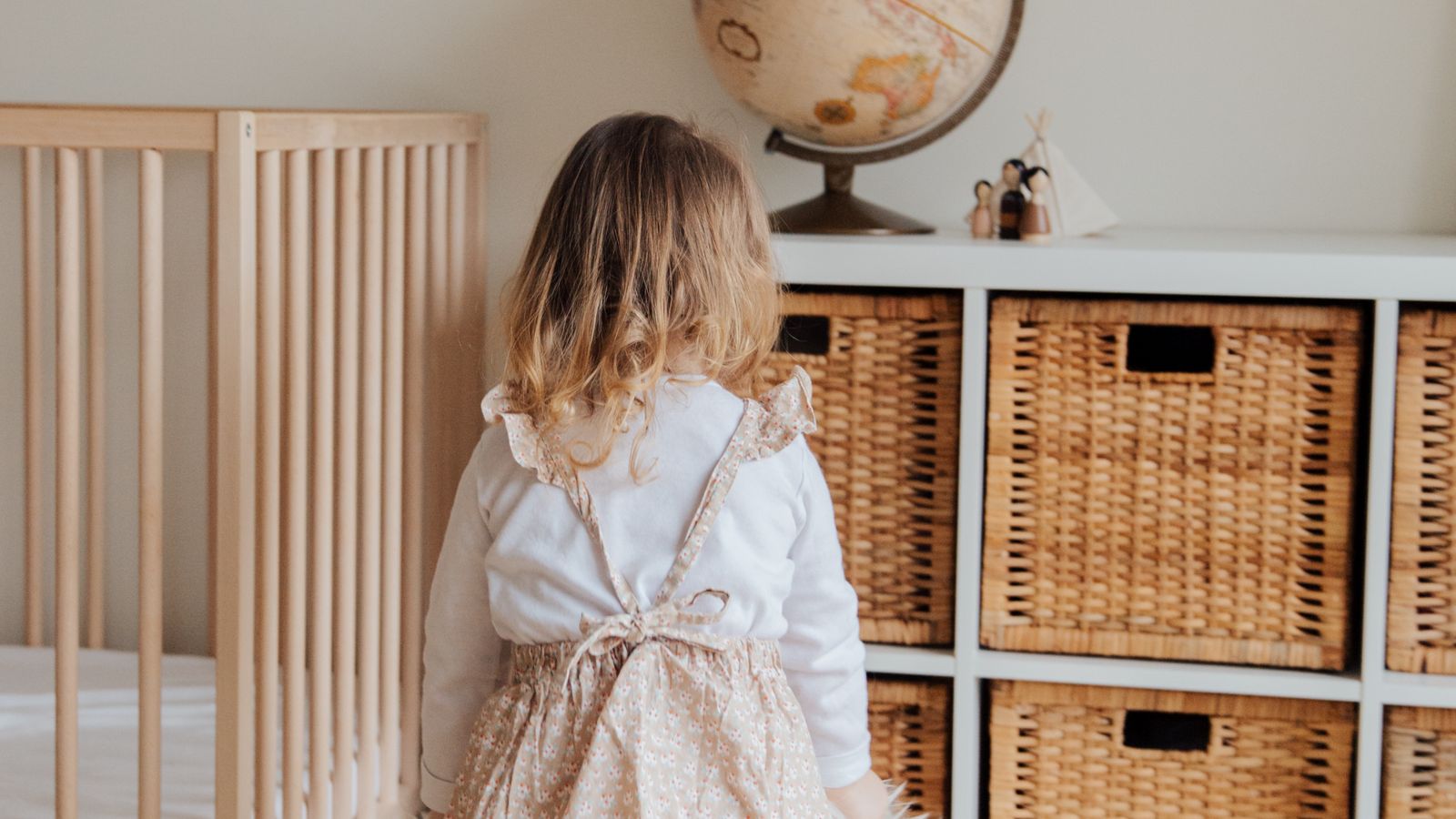
Why a Nursery Gets Cluttered So Quickly
Nurseries and kids rooms accumulate items faster than almost any other room in the house. Clothes are outgrown every few months, toys arrive from every birthday and holiday, and caregiving supplies (diapers, wipes, changing pad covers) need to stay within arm’s reach. Without dedicated storage zones, everything ends up piled on the floor, on top of furniture, or crammed into whatever drawer is nearest. The fix isn’t more furniture – it’s the right furniture, used with a system.
Step 1: Assess What You Actually Need to Store
- Sort by category first. Before buying anything, pull everything out and group items into clothing, toys, books, bedding, and miscellaneous. This tells you how much volume you’re really working with.
- Separate “in rotation” from “storage.” Clothes and toys currently in use need easy access; out-of-season clothing or toys waiting for a younger sibling can go into bins on a closet shelf instead of prime real estate.
- Measure your available wall space. Note the width and depth available for a dresser and a separate toy storage unit so you don’t overbuy furniture that won’t fit.
Step 2: Choose the Right Nursery Dresser
The dresser is usually the anchor piece of a nursery, often doubling as a changing station in the early months. When shopping, look at drawer count and depth rather than just overall size – a dresser with 6 shallow-to-medium drawers is usually more useful for baby and toddler clothing than 3 deep drawers, since folded onesies and pants don’t need much vertical space. Rounded corners, soft-close drawer glides, and a stable, anti-tip design are worth prioritizing over finish or style. If you want side-by-side options broken down by drawer configuration, price range, and safety features, our roundup of nursery dressers is a good place to compare models before you buy.
Step 3: Set Up a Dedicated Toy Storage Zone
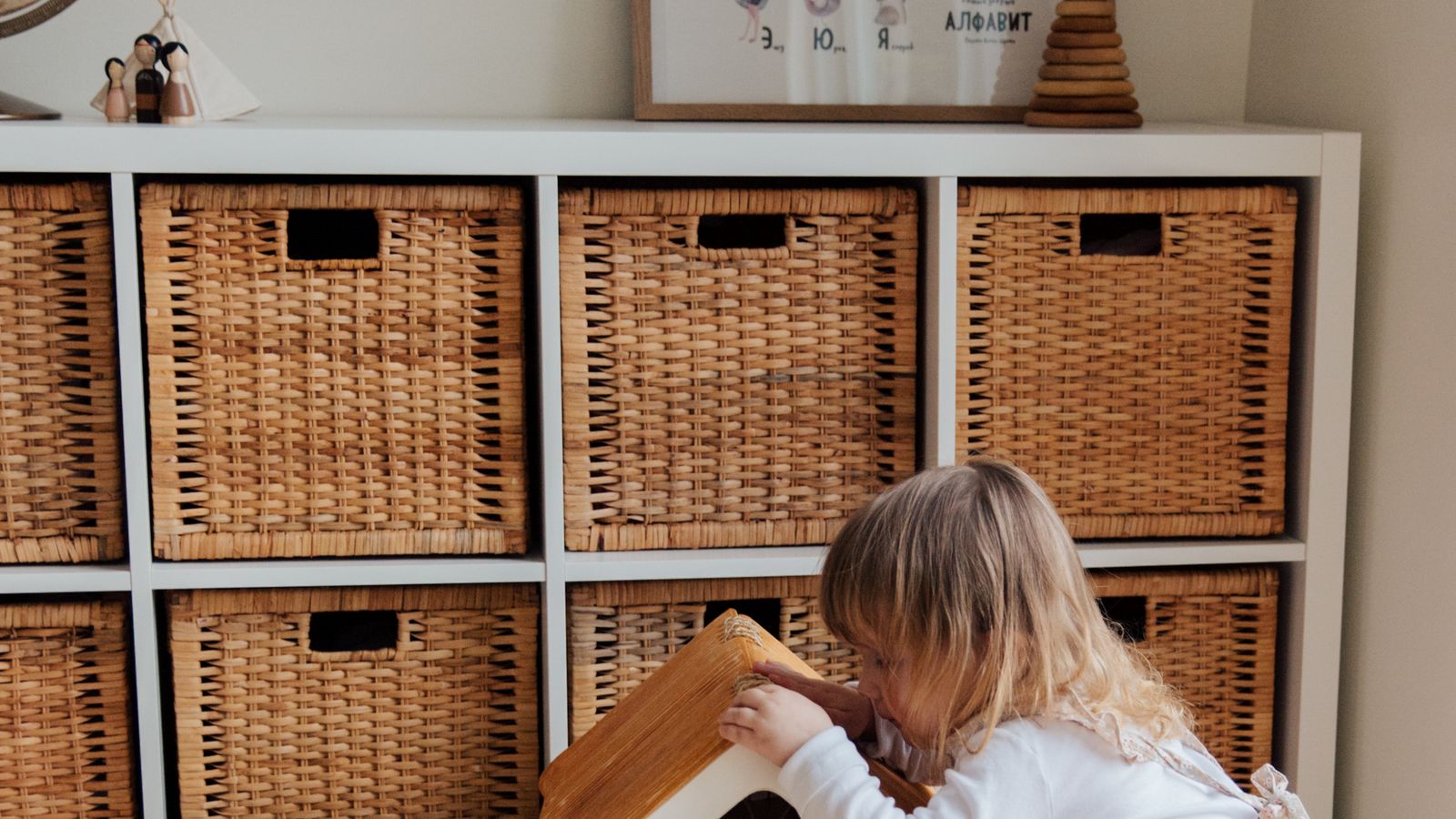
Toys should live somewhere separate from clothing, ideally at a height and format kids can access themselves once they’re mobile. Open bins, cubbies, or a low toy chest work better than closed cabinets with doors, because young children are far more likely to put things away when there’s no extra step involved. Group toys loosely by type – blocks in one bin, stuffed animals in another, books on a low shelf – so cleanup becomes a matter of “toys go in the bin,” not a hunt for the exact right spot. For a full comparison of styles (bins, chests, shelving units, and cubby systems) with pros and cons for each, see our guide to Toy Storage options.
Matching Storage to Age and Stage
Storage needs change as kids grow. In infancy, toy storage can be minimal – a small basket near the crib is often enough. By toddlerhood, you’ll want low, open bins kids can reach on their own. By preschool age, labeled bins or shelving with bins for specific categories (art supplies, puzzles, dress-up) help kids start sorting on their own, which builds independence and cuts down on your daily tidying.
Step 4: Create Zones, Not Piles
The biggest shift that simplifies a nursery is thinking in zones instead of surfaces. Rather than letting items land wherever there’s open space, assign every category a home:
- Sleep zone: crib or bed, with bedding stored in the dresser’s bottom drawer or a nearby closet shelf.
- Changing/dressing zone: dresser top and top drawers, kept clear of toys entirely.
- Play zone: toy storage bins or shelving, positioned away from the sleep zone so bedtime isn’t visually cluttered with toys.
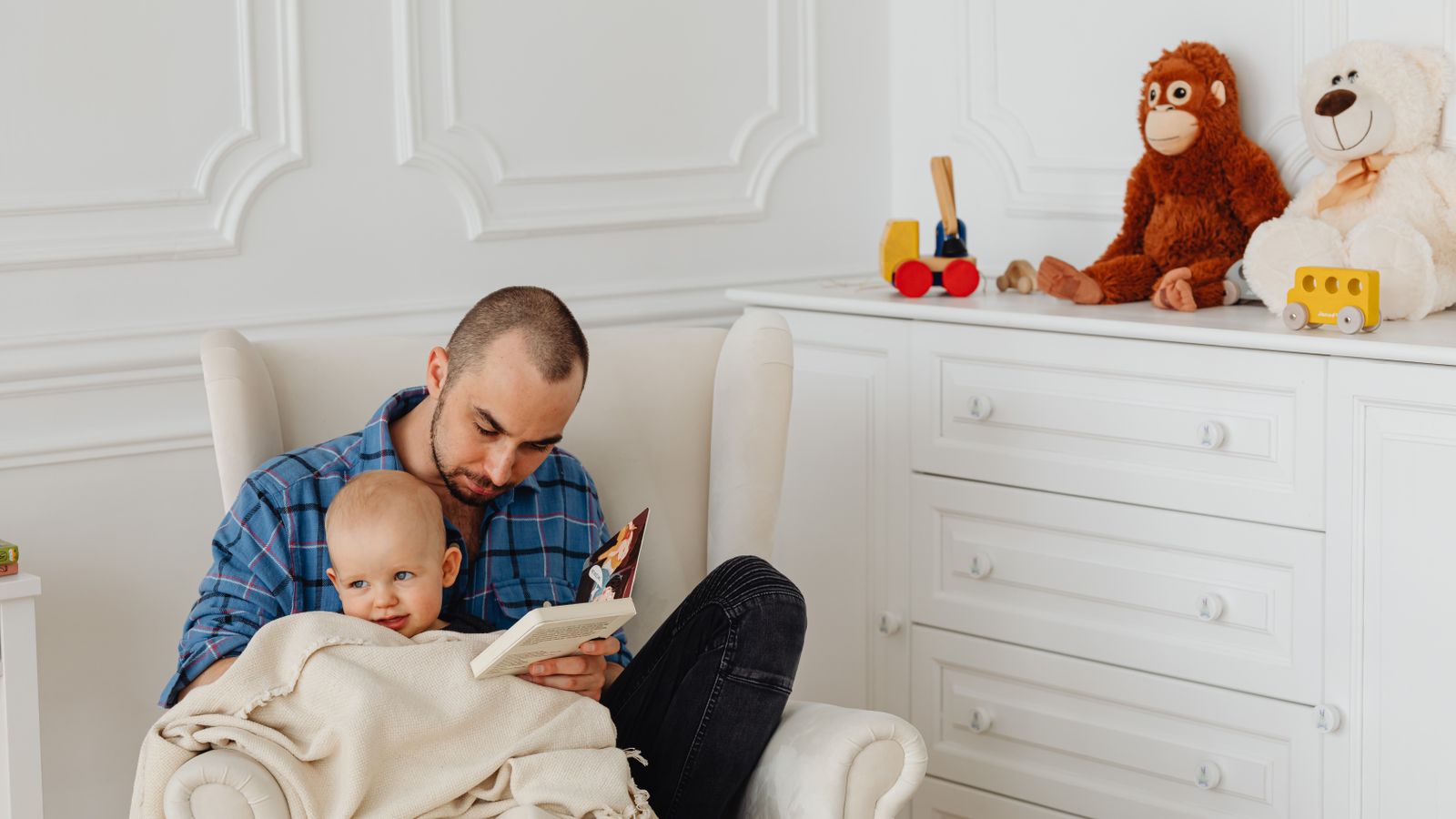
- Reading zone: a small bookshelf or basket near a chair, separate from toy bins.
Once zones are defined, clutter has an obvious “wrong place” – which makes daily tidying much faster for you and, eventually, for your child.
Step 5: Build a Simple Daily Reset Habit
- Do a 5-minute reset each evening. Toys back in bins, clothes back in the hamper or dresser – this prevents small messes from compounding into a full-room overhaul every weekend.
- Involve your child as soon as they’re able. Even a two-year-old can drop toys into an open bin. Framing cleanup as part of the bedtime routine builds the habit early.
- Do a seasonal deep sort. Every few months, revisit the dresser and toy bins to remove outgrown clothes and toys your child has aged out of, keeping volume manageable long-term.
Common Mistakes to Avoid
- Buying storage before sorting. It’s tempting to buy bins first, but you’ll often end up with the wrong sizes. Sort your items, then shop.
- Overstuffing the dresser. Cramming too many clothes into drawers makes them hard to close and harder to keep organized – donate or store out-of-season items elsewhere.
- Using closed storage for everyday toys. Bins with lids or cabinet doors slow kids down and usually mean parents end up doing all the tidying.
- Skipping stability checks. Any freestanding dresser or shelving unit in a kids room should be anchored to the wall to prevent tip-over accidents.
Safety Notes
Anchor all freestanding furniture – dressers, bookshelves, and tall toy storage units – to the wall using anti-tip straps or brackets, since young children can pull themselves up on drawers and shelving. Avoid storage bins with sharp edges or small, detachable parts near infants, and keep toy storage away from the crib to prevent climbing hazards. Choose a mattress and changing surface with safety in mind as well; if you’re setting up the crib area at the same time, our list of the best crib mattress pads can help you round out the sleep zone safely.
FAQ
How much toy storage does a nursery actually need?
For infants, a single small basket is usually enough. As your child becomes mobile and starts accumulating toys, plan for at least 2-3 bins or cubbies, expanding as needed by preschool age.
Should the dresser double as a changing table?
Many parents use a dresser topper as a changing station in the early months. Just make sure the dresser is rated for the added weight and is anchored to the wall for stability.
How often should I declutter toys and clothes?
A seasonal check-in – roughly every 3 months – is usually enough to catch outgrown clothing and toys your child has lost interest in, without turning organization into a constant chore.
What’s the easiest way to get toddlers to help clean up?
Keep toy storage low and open, so putting things away doesn’t require adult help. Toddlers are far more likely to participate when the “right place” is obvious and easy to reach.
Final Thoughts
Simplifying a nursery or kids room doesn’t require a full overhaul – it comes down to choosing the right dresser, setting up accessible toy storage, and organizing everything into clear zones. Start with an honest sort of what you own, invest in furniture that matches how your child actually uses the space, and build a quick daily reset habit. With those pieces in place, the room stays manageable even as your child’s needs keep changing.