Replacing an entire kitchen appliance lineup at once feels overwhelming, especially when you are trying to keep the total under control. A counter depth refrigerator, a gas range, and a water filter each have very different price ceilings, different lifespans, and different “must-have” features, so treating them as one combined budget rather than three separate purchases is the key to not overspending. This guide walks through how to sequence the shopping, where to spend, where to save, and how to avoid the common traps that blow up a kitchen remodel budget.
Step 1: Set a Total Budget, Then Split It by Priority
Before looking at a single model, decide on one number for the whole lineup, then divide it based on which appliance you use most and which is hardest to change later. Most households spend the largest share on the refrigerator because it runs 24/7 and is the most visually prominent, a moderate share on the range, and the smallest share on the water filter, which is typically the cheapest of the three to swap later if needed.
- Refrigerator: roughly 45-55% of the total budget
- Gas range: roughly 30-40% of the total budget
- Water filter system: roughly 10-15% of the total budget
This split is not a rigid rule, but it reflects how much each appliance affects daily comfort versus how expensive it is to correct a mistake. A cheap water filter is a quick upgrade later; a fridge that does not fit the cabinet opening is a costly redo.
Step 2: Measure Before You Shop for the Refrigerator
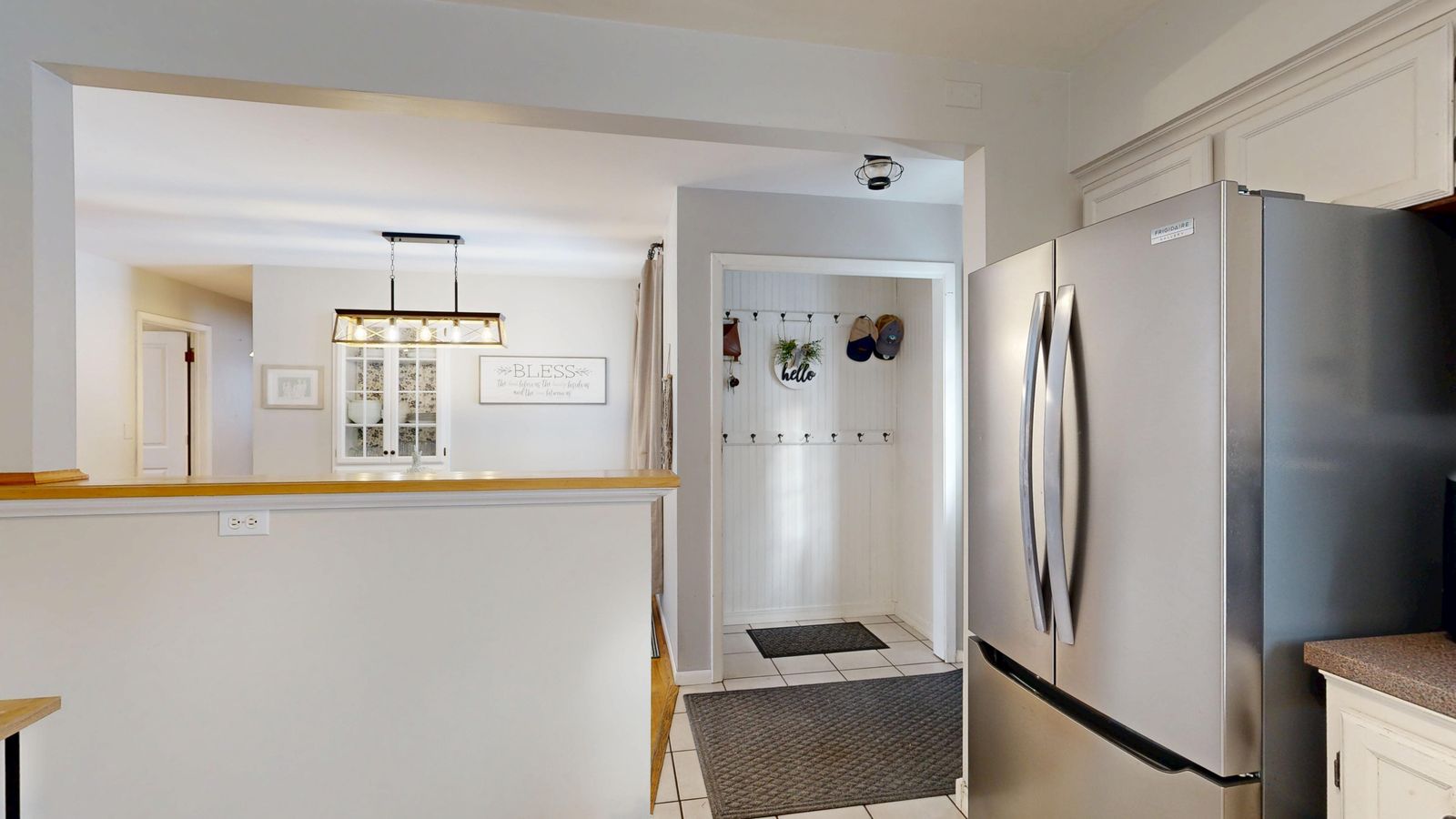
Counter depth refrigerators are sized to sit flush with your countertops rather than protruding into the walkway, which makes them popular in smaller or open-concept kitchens. Because they are narrower front-to-back than standard depth models, they often carry less interior capacity for the same footprint, so measuring your existing opening (width, height, and depth, plus door swing clearance) is the first real step, not an afterthought.
- Measure the width, height, and depth of the existing opening, and add at least 1 inch of clearance on each side for ventilation.
- Check the floor for any slope or trim that could affect final height.
- Confirm the door swing radius, especially for French-door or side-by-side configurations in a tight galley kitchen.
- Note your water line location if you want an ice maker or built-in dispenser.
Once you have accurate numbers, browse Counter Depth Refrigerators filtered to your size range. Shopping by dimensions first, rather than by brand or feature list, prevents falling in love with a model that simply will not fit.
Step 3: Decide What Refrigerator Features Are Worth Paying For
Not every feature adds proportional value on a tight budget. Prioritize spending on:
- Reliable temperature control and humidity-managed drawers – these directly affect food waste and are worth the extra cost.
- Adequate freezer capacity for your household size, since undersized freezers are a common regret.
- Basic ice/water dispensing if you already have a water line, since retrofitting later is disruptive.
Features to consider skipping if the budget is tight include smart connectivity, built-in cameras, and premium finish upgrades like matte black or panel-ready fronts, which can add a significant amount to the price without meaningfully improving day-to-day function.
Step 4: Shop the Gas Range Around Cooktop Habits, Not Specs Sheets
A gas range is judged mainly on burner performance, oven capacity, and how easy the cooktop is to clean, not on the total number of settings printed on the control panel. Before comparing models, think honestly about how you cook: if you regularly use large stockpots or wok cooking, prioritize a high-output burner; if you bake often, prioritize oven capacity and even heat distribution over burner count.
When comparing options, check these details:
- Continuous grates versus separate per-burner grates – continuous grates make sliding heavy pots easier and are worth prioritizing.
- BTU output on the largest burner, matched to your typical cookware size.
- Self-cleaning oven function, which saves ongoing maintenance time.
- Sealed burners for easier spill cleanup versus open burner designs.
Browse gas ranges in your budget tier and cross-reference the burner and oven specs against your actual cooking habits rather than the marketing highlights.
Step 5: Confirm Gas Line and Ventilation Compatibility
Before finalizing a range purchase, confirm three practical details that are easy to overlook but expensive to fix after delivery:
- Your existing gas line connection type matches (or can be adapted to) the new range’s fitting.
- Your ventilation hood or downdraft system is rated for the range’s total BTU output.
- The range width matches your existing cabinet opening, since resizing cabinetry adds unplanned cost.
If you are unsure about any of these, a quick call to a licensed installer before purchase is far cheaper than a return-and-reinstall after the fact.
Step 6: Choose a Water Filter That Matches Your Actual Water Quality
The water filter is usually the smallest line item in the budget, but it is worth getting right because it affects both the taste of drinking water and, in hard-water areas, the longevity of your other appliances. Rather than picking the most expensive filter available, start by understanding what is actually in your water.
- If you are on municipal water, request your local water quality report to see what contaminants are common in your area.
- If you are on well water, consider a basic test kit before choosing a filtration type.
- Match the filter type to the concern: carbon filters for taste and chlorine, reverse osmosis for a broader range of contaminants, and sediment pre-filters if your water carries visible particulates.
Compare options in the best water filters roundup, focusing on filter replacement cost over time rather than just the upfront unit price, since that ongoing cost often exceeds the initial purchase over a few years of use.
Step 7: Sequence the Purchases to Protect Your Budget
Buying all three appliances in the wrong order can lead to overspending on the first item and scrambling on the last. A more disciplined sequence looks like this:
- Measure and shop the refrigerator first, since it has the tightest fit constraints and the largest budget share.
- Shop the gas range second, confirming gas line and ventilation compatibility before ordering.
- Shop the water filter last, using whatever budget remains, since it has the widest range of price points and is the easiest to upgrade later without disrupting the kitchen.
This order also protects you from a common mistake: spending too much on the smallest-ticket item early and then feeling pressured to cut corners on the refrigerator or range, which are far more expensive to replace again down the line.
Common Mistakes When Shopping on a Budget
- Skipping measurements before browsing. Falling for a model online only to discover it does not fit the opening wastes time and often triggers a restocking fee.
- Chasing smart features over core performance. A connected app is nice, but it rarely improves how well food stays cold or how evenly an oven bakes.
- Ignoring delivery and installation costs. Gas line work, water line hookups, and old appliance removal can add a meaningful amount to the “sticker price” total – build this into your budget upfront.
- Buying the water filter as an afterthought without checking replacement cartridge costs. A cheap unit with expensive, frequently-replaced cartridges can cost more over three years than a pricier system with cheap filters.

A Simple Budget Checklist
- Total budget set and split across all three appliances
- Refrigerator opening measured (width, height, depth, door swing)
- Gas line and ventilation confirmed compatible with the target range
- Water quality understood before choosing a filter type
- Delivery, installation, and old-unit removal costs included in the total
- Ongoing costs (filter cartridges, energy use) weighed against upfront price
FAQ
Should I buy all three appliances from the same retailer?
Not necessarily. Bundled discounts can help, but compare the bundled price against buying each appliance separately from the best-priced source, since bundles are not always the cheapest overall option.
Is a counter depth refrigerator worth the reduced capacity on a budget?
If your kitchen layout genuinely benefits from the flush look and improved walkway clearance, it is often worth it. If capacity is your top priority and space is not tight, a standard depth model may stretch your budget further.
Do I need a plumber for the water filter installation?
Many under-sink filters are designed for straightforward DIY installation, but reverse osmosis systems with a dedicated faucet often benefit from professional installation, especially if you are not comfortable with basic plumbing work.
How much should I set aside for installation across all three appliances?
Plan for installation and old-unit removal to add a noticeable percentage on top of the purchase price, particularly for the gas range, which may require line and ventilation adjustments.
Final Thoughts
Shopping for a full kitchen appliance lineup on a budget comes down to sequencing and prioritization: measure first, spend where it affects daily use the most, and treat the water filter as the flexible piece of the plan rather than the starting point. By following this order – refrigerator, then range, then filter – and confirming fit and compatibility before you buy, you can build a lineup that works well together without surprises once installation day arrives.