A good home lighting plan is not about buying one bright bulb and calling it done. It is about layering different light sources so each room feels right at different times of day – gentle in the morning, functional in the afternoon, and warm and relaxed at night. If you have ever walked into a living room lit only by a single overhead fixture, or fumbled for a lamp switch in the dark, you already know why a plan matters. This guide walks you through setting up a simple, effective lighting system centered on three workhorses: a wake up light for your bedroom mornings, a bedside lamp for reading and ambience, and floor lamps for your living room.

Why a Lighting Plan Matters
Most homes rely on one or two overhead lights per room, which is convenient but not very comfortable. Overhead lighting is flat, often too harsh in the evening, and does nothing to help you wake up gently or wind down before sleep. A layered lighting plan mixes ambient light (general room brightness), task light (for reading, working, or getting dressed), and accent light (for mood and coziness). When you add purpose-built pieces like a wake up light, a bedside lamp, and floor lamps, you are not just decorating – you are designing how your body responds to light throughout the day.
Step 1: Map Out Your Rooms and Needs
Before buying anything, walk through your home and note where light is missing or uncomfortable. Ask yourself:
- Where do you wake up, and how do you currently do it – alarm clock, phone, or daylight through the blinds?
- Where do you read, work, or relax in the evening?
- Which rooms have only one overhead source and feel dim or sterile after dark?
For most households, the bedroom and living room are the two spaces that benefit most from a dedicated lighting upgrade, since they see the most transition time between activity and rest.
Step 2: Choose a Wake Up Light for the Bedroom
A wake up light, sometimes called a sunrise alarm clock, gradually brightens over 20 to 30 minutes before your alarm time, mimicking a natural sunrise. This is especially helpful in winter or in rooms with blackout curtains, where natural light does not reach you in the morning. Look for a model with adjustable brightness levels, a natural-sounding alarm option (birdsong or gentle chimes instead of a harsh buzzer), and a dimmable night light setting you can use as a reading or bedside lamp too.
Place the wake up light on your nightstand, angled so the light hits your face and upper body rather than the wall. If you share a bed, consider a smaller unit or one with a directional shade so it does not disturb your partner. If you want to compare specific models before committing, this roundup of Wake Up Lights breaks down the features worth prioritizing.
Step 3: Add a Dedicated Bedside Lamp
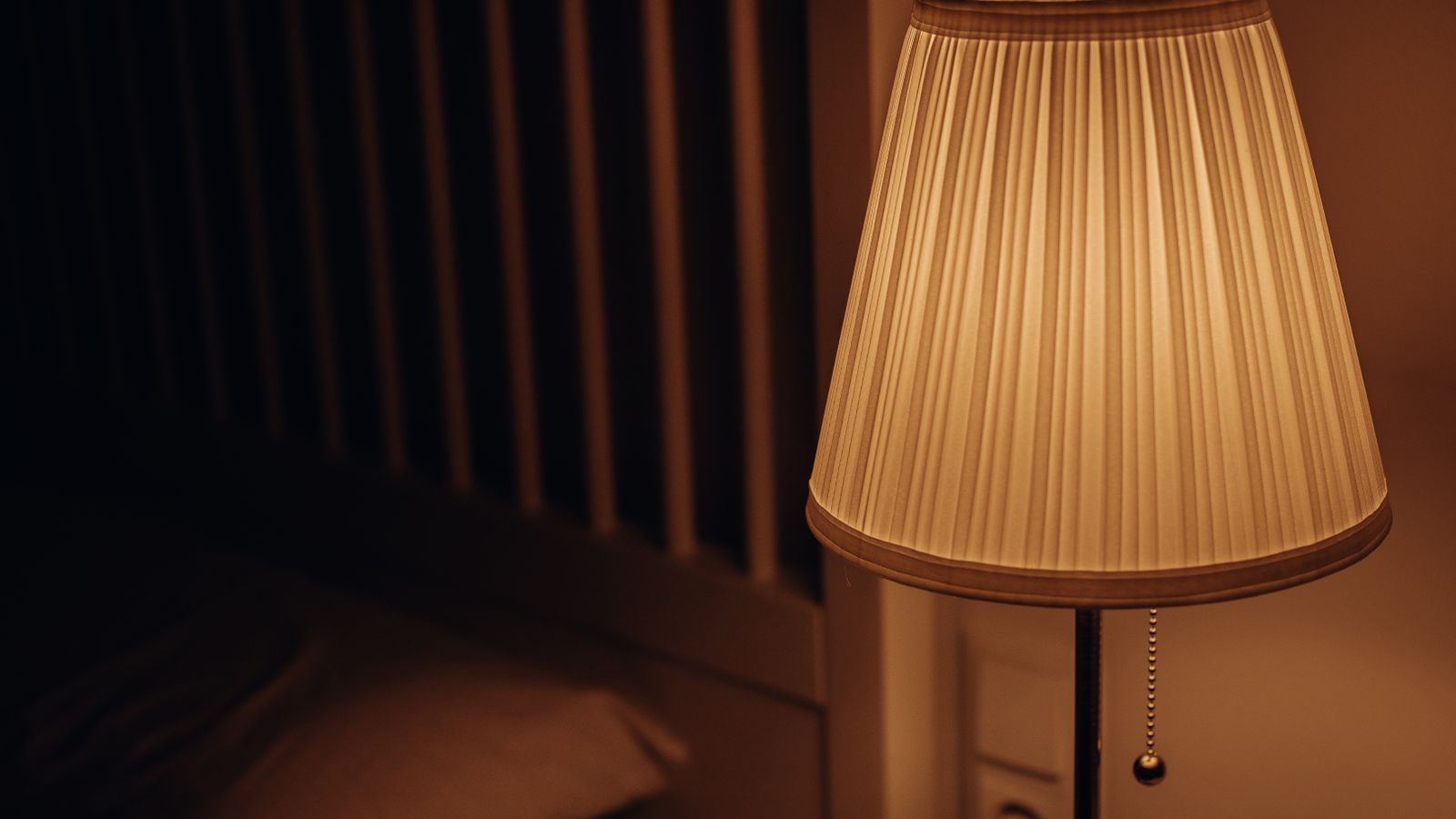
A wake up light handles mornings well, but it is rarely the best option for reading in bed or providing soft ambient light in the evening. That is where a proper bedside lamp comes in. A good bedside lamp should have:
- A shade that diffuses light downward and outward without glaring directly into your eyes.
- A warm color temperature (around 2700K to 3000K) for a cozy, sleep-friendly glow.
- A dimmer or at least two brightness settings, so you can go from full reading light to a low glow before sleep.
- A footprint that fits your nightstand without crowding your alarm clock, phone charger, or water glass.
Many people place the wake up light and bedside lamp on the same nightstand, using the wake up light strictly for its sunrise and alarm function and the bedside lamp for reading and late-night ambience. If you are shopping for options, this guide to bedside lamps covers different styles, from touch-control designs to lamps with built-in USB charging ports.
Positioning Tip
Keep the bulb of your bedside lamp roughly level with your eyes when you are sitting up in bed, and no closer than about 16 to 18 inches from your reading material. Too close and it feels overwhelming; too far and you will strain to read.
Step 4: Layer Your Living Room With Floor Lamps
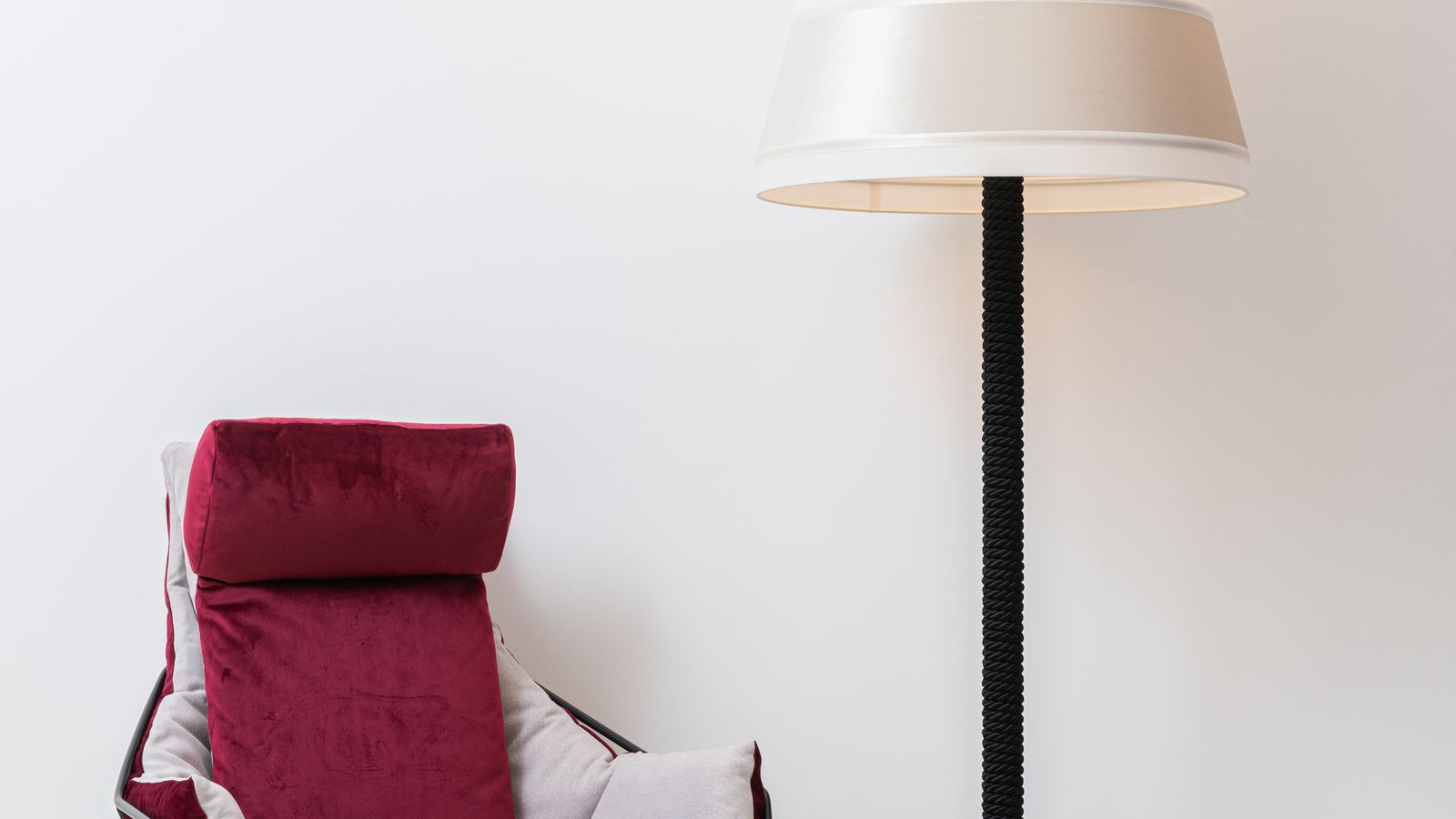
The living room usually asks the most of any room – it has to work for movie nights, reading, hosting guests, and everyday relaxing. A single ceiling fixture cannot do all of that well. Floor lamps solve this by adding flexible, movable light exactly where you need it, without the cost or hassle of rewiring.
Think about your living room in zones:
- Reading or seating zone: a floor lamp beside an armchair or sofa end, angled to light a book or laptop without shining into the TV or anyone’s eyes.
- Corner or accent zone: a taller arc or torchiere-style floor lamp that bounces light off the ceiling for soft, general illumination.
- Behind the sofa or TV: a lamp used at low brightness for bias lighting, which reduces eye strain when watching television in a dark room.
When picking floor lamps, prioritize adjustable height or angle, a stable weighted base (especially if you have kids or pets), and a shade material that softens rather than spotlights the light. If you want to browse styles that suit different living room layouts, this list of best floor lamps for living rooms is a useful starting point.
Step 5: Match Bulb Temperature Across the Room
One of the most overlooked lighting mistakes is mixing bulb temperatures in the same room – a cool white bulb in one lamp and a warm white bulb in another creates a visually jarring mismatch. Pick one temperature range per room and stick with it. Living rooms and bedrooms generally look best with warm white bulbs (2700K to 3000K), while kitchens and home offices can handle a slightly cooler, more neutral temperature (3500K to 4000K) for task-focused work.
Step 6: Add Dimmers and Smart Controls Where It Counts
If your budget allows, dimmable bulbs or smart plugs make a lighting plan far more livable. Being able to lower your living room floor lamps for a movie, or dim your bedside lamp gradually before sleep, adds real comfort without redesigning anything. Many wake up lights and bedside lamps already include built-in dimming, so check that feature before adding a separate smart plug.
Step 7: Test the Plan at Different Times of Day
Once your wake up light, bedside lamp, and floor lamps are in place, live with them for a few days before making further changes. Notice how the room feels in the morning, at midday, and after sunset. Adjust the wake up light’s brightness curve if it feels too abrupt, reposition a floor lamp if it casts glare on your TV screen, or swap a bulb if the color temperature feels off. A lighting plan is rarely perfect on the first try, and small adjustments make a big difference.
Common Mistakes to Avoid
- Relying on one light source per room. A single overhead fixture cannot handle every activity – layering is what makes a room feel comfortable at any hour.
- Ignoring bulb color temperature. Mixed or overly cool bulbs in living spaces can make a room feel clinical instead of cozy.
- Placing lamps where they cause glare. A floor lamp aimed straight at a TV screen or a bedside lamp shining directly at your eyes undoes the comfort you are trying to create.
- Skipping the wake up light’s placement test. If it is too far away or blocked by other objects on the nightstand, it will not brighten your face enough to be effective.
- Overbuying before testing. Start with one wake up light, one bedside lamp, and one or two floor lamps, then expand once you know what actually improves your daily routine.
Frequently Asked Questions
Do I need both a wake up light and a separate bedside lamp?
Not strictly, but most people find the combination works best. The wake up light is optimized for gradual sunrise simulation and alarms, while a bedside lamp is better suited for reading and general evening ambience. Using each for its strength gives you better results than asking one device to do both jobs well.
How many floor lamps does a living room actually need?
Most living rooms do well with one or two floor lamps positioned in different zones – for example, one beside a reading chair and one in a corner for ambient fill light. Adding more than that can start to feel cluttered unless the room is unusually large.
What color temperature should I choose for bedroom lighting?
Warm white, generally in the 2700K to 3000K range, is the most sleep-friendly choice for bedrooms. It mimics the warm tones of sunset and evening light, which supports natural wind-down rather than keeping you alert.
Can I use smart bulbs instead of buying new lamps?
Yes, smart bulbs can add dimming and scheduling to your existing lamps without replacing the fixtures themselves. This is a budget-friendly way to test a layered lighting approach before investing in dedicated pieces like a wake up light or new floor lamps.
Final Thoughts
Setting up a home lighting plan does not require an electrician or a full renovation. Starting with three focused pieces – a wake up light for gentle mornings, a bedside lamp for reading and evening calm, and floor lamps to layer your living room – covers the two rooms where lighting quality matters most day to day. Map your needs, choose fixtures that match each room’s color temperature, and give yourself a few days to fine-tune placement and brightness. The result is a home that feels considered at every hour, not just lit.