A bed linen rotation sounds like a small thing, but it solves a real problem: laundry piling up, mismatched sheets that never seem to be clean when you need them, and bedding that’s either too hot or too cold depending on the season. Instead of owning one set of sheets and one comforter and hoping for the best, a rotation gives you two or three complete systems you can swap in and out based on temperature, wash day, or how worn a piece is getting. This guide walks you through exactly what to buy, how many of each piece you actually need, and how to organize it all so your linen closet stops being a source of stress.
Why a Bed Linen Rotation Matters
Most people own exactly one set of sheets, which means every wash day leaves the bed bare or forces you to do laundry on a schedule dictated by dirty sheets rather than convenience. A rotation breaks that dependency. With two to three sets in play, you always have a clean, dry option ready to go, and each individual set lasts longer because it’s used roughly half as often. The same logic applies to the top layer of your bed — a lightweight throw blanket for warm nights and a cooling comforter for cooler ones means you’re not sweating under heavy bedding in July or shivering under a thin sheet in January.
There’s also a practical laundry benefit. Percale sheets, in particular, actually get softer and more breathable with repeated washing, so having a rotation means you’re not tempted to skip a wash cycle just because you’re worried about being without bedding.
What You’ll Need: The Core Pieces
A functional rotation doesn’t require a closet full of linens. Three core categories cover almost every situation:
- Percale sheets — a crisp, breathable weave that stays cool and holds up well to frequent washing. This is your workhorse sheet for most of the year.
- A cooling comforter — a lightweight, temperature-regulating top layer for warmer nights or for anyone who tends to sleep hot.
- A throw blanket — an easy mid-layer you can add or remove without changing the whole bed, useful for chilly evenings, naps on the couch, or extra warmth layered over the comforter.
Beyond these three, you’ll want at least one spare pillowcase set per sheet set (pillowcases wear out fastest since they’re washed most often) and a mesh laundry bag if you plan to wash delicate cooling fabrics separately.
Step 1: Take Inventory of What You Already Own
Before buying anything new, lay out every sheet set, blanket, and comforter you currently have. Sort them into three piles: keep, repair or repurpose, and retire. Sheets with thinning fabric, persistent pilling, or elastic that no longer grips the mattress corners belong in the retire pile — they’ll only cause frustration mid-rotation. This step also tells you exactly what gaps you need to fill, so you’re not overbuying.
Step 2: Decide How Many Sets You Actually Need
For most households, two full sheet sets per bed is the practical minimum, and three is comfortable if you wash bedding weekly. The math is simple: one set on the bed, one in the wash or drying, and (optionally) one folded and ready as backup. Comforters and blankets don’t need to be washed as often, so one cooling comforter for warm months and one heavier alternative for cold months is usually enough, supplemented by a throw blanket that can layer over either.
Step 3: Choose Your Percale Sheets
Percale is a plain weave, which gives it a crisp, matte finish and excellent breathability — ideal as the everyday base layer of a rotation because it holds up to frequent laundering without losing shape. Look for a thread count in the 200–400 range (higher isn’t automatically better with percale; it’s about weave quality, not thread density) and a snug but not overly tight fitted sheet elastic. If you want help comparing options before you buy, browse our roundup of percale sheets to see which weights and finishes suit your climate.
Step 4: Add a Cooling Comforter for Temperature Balance
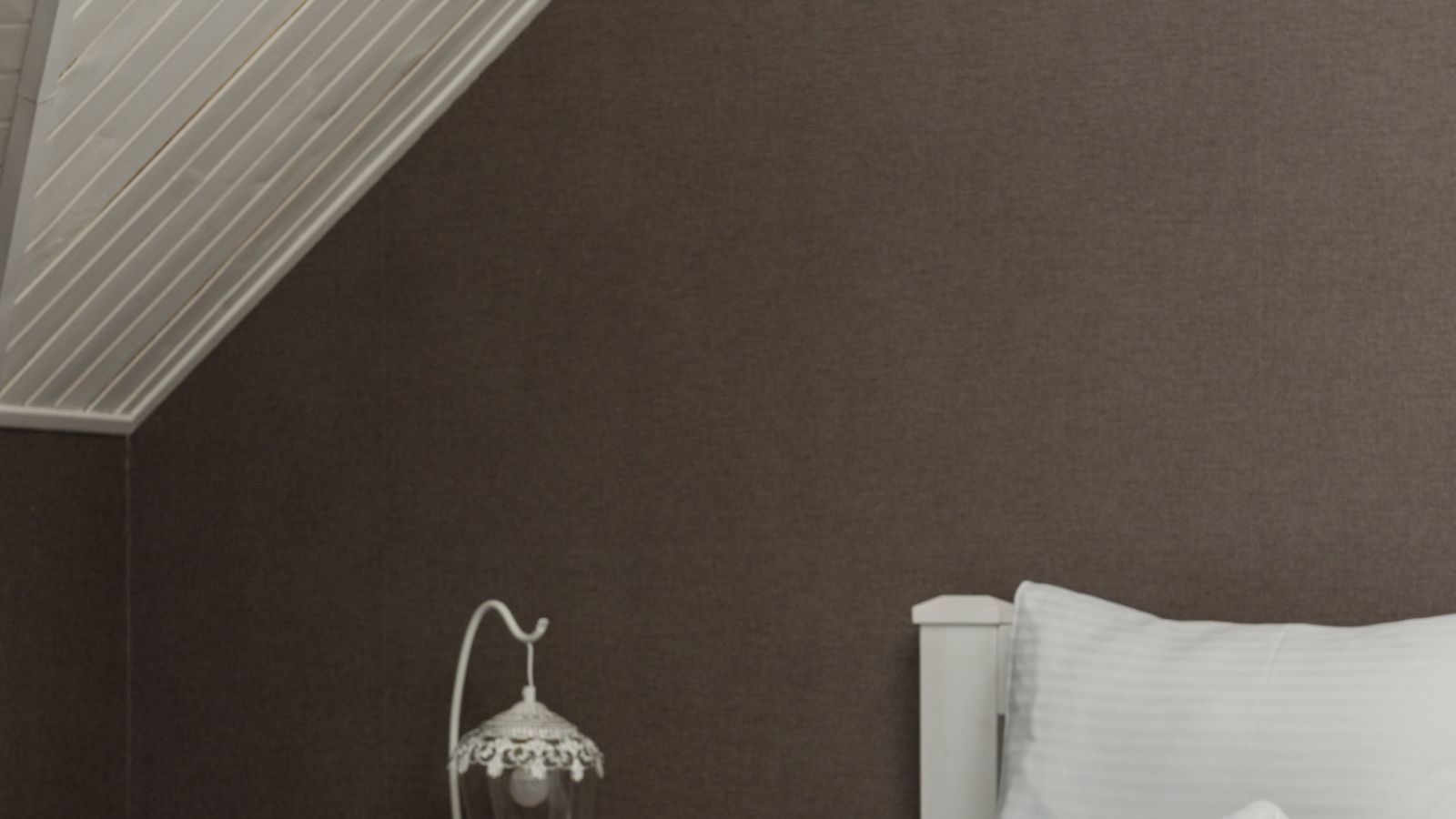
A cooling comforter fills the gap between a thin sheet and a heavy duvet. It’s built with breathable fill and often a moisture-wicking cover fabric, so it regulates temperature without leaving you exposed to drafts. In a rotation, this becomes your default comforter for spring through early fall, or year-round in warmer climates. When shopping, prioritize fill weight and cover material over marketing claims like “cooling technology” — a lighter, more breathable construction almost always outperforms a heavily marketed but poorly ventilated one. Our guide to the best cooling comforters breaks down fill types and weights so you can match one to your typical sleep temperature.
Step 5: Bring in a Throw Blanket as Your Flex Layer
The throw blanket is the most flexible piece in the whole rotation. Unlike sheets or a comforter, it doesn’t need to be changed every wash cycle — it simply gets added or removed as the temperature shifts night to night. Keep one folded at the foot of the bed so it’s always within reach, and choose a lightweight, easy-care fabric so it can go in with a normal wash load rather than requiring special handling. If you’re not sure what style or weight fits your bedroom, our list of throw blankets covers options from lightweight cotton to heavier knit styles.
Step 6: Set a Washing and Swap Schedule
Once you have your pieces, build a simple rotation calendar:
- Wash sheets weekly (every 7–10 days is a reasonable range for most households).
- Swap the comforter cover or the comforter itself every 2–3 weeks, or sooner if anyone in the house is sick.
- Wash the throw blanket monthly, or more often if pets or kids use it frequently.
- Rotate which sheet set goes on the bed each wash day so wear is spread evenly across all sets.
Sticking to a consistent schedule, rather than washing reactively, is what actually makes a rotation low-maintenance instead of another chore to remember.
Step 7: Organize the Linen Closet for Easy Access
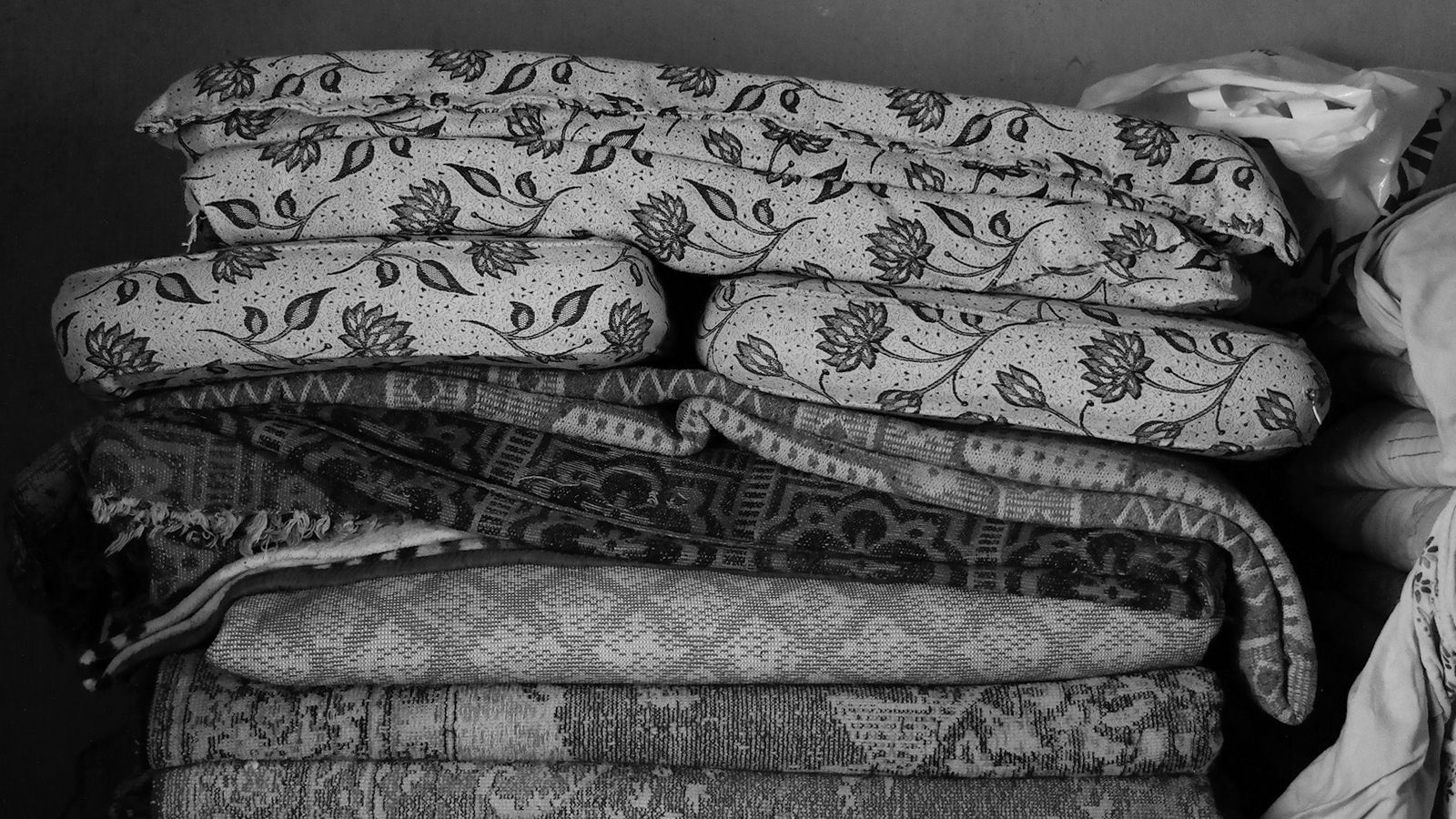
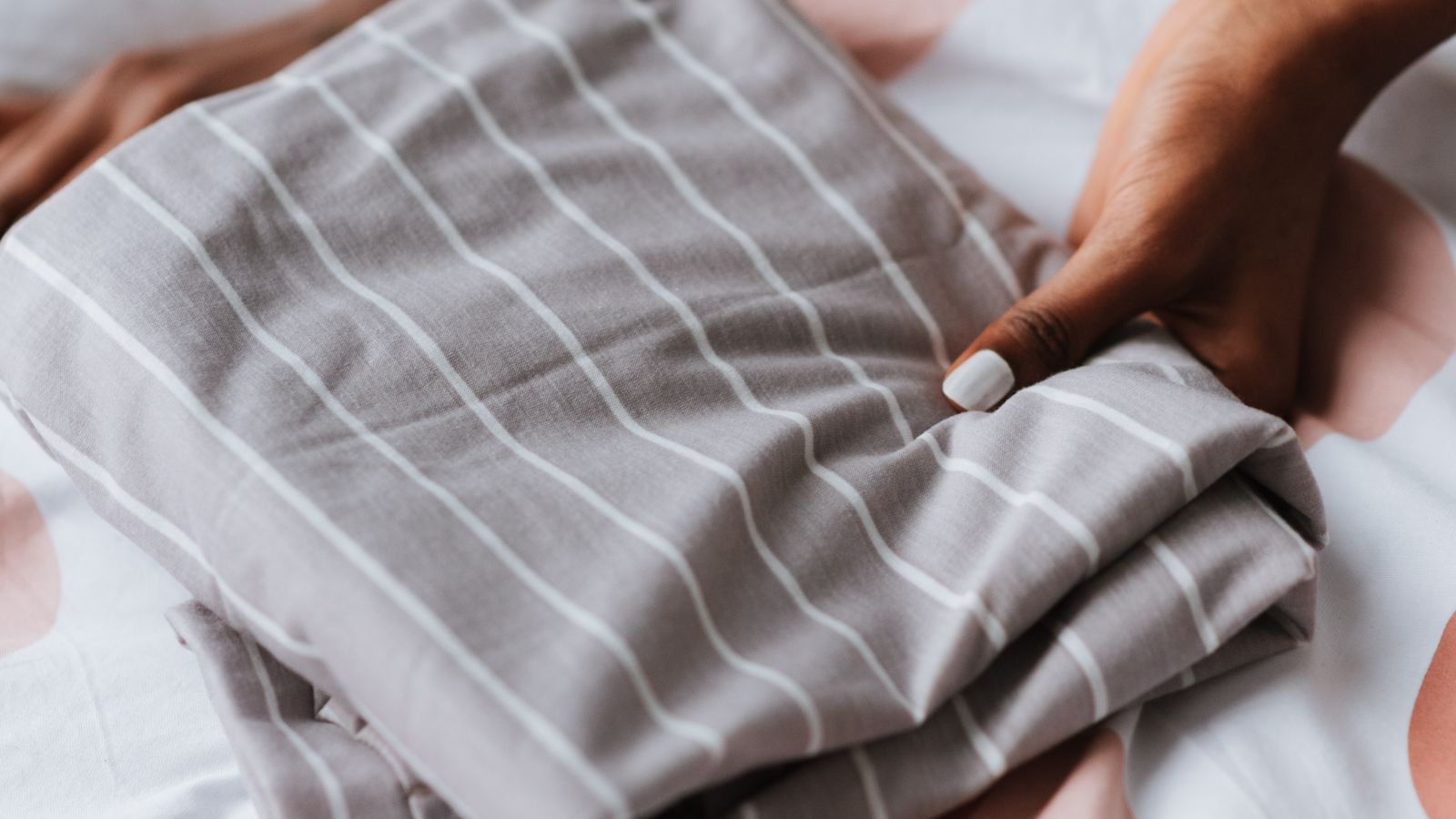
A rotation only works if you can find what you need without digging. Fold each sheet set (fitted sheet, flat sheet, pillowcases) into its own fitted sheet as a self-contained bundle, then stack sets by season or weight so the one you’re most likely to reach for is at eye level. Store the throw blanket somewhere separate from the folded sheet stacks — a basket at the foot of the bed or a nearby ottoman keeps it accessible without cluttering shelf space meant for sheets and comforters.
Safety and Care Notes
Always check care labels before washing cooling comforters — many use fill materials that clump or lose their cooling properties if washed on hot or dried on high heat. Percale sheets generally tolerate warm water and tumble drying well, but avoid fabric softener, which coats the fibers and reduces breathability over time. If a comforter is too large for a standard home washer, use a large-capacity machine at a laundromat rather than forcing an overstuffed load, which can damage both the fabric and your machine.
Common Mistakes to Avoid
- Buying too many sets at once. Two to three sets per bed is plenty; more than that just creates clutter and pieces that rarely get used.
- Ignoring thread count vs. weave type. A high thread count percale sheet isn’t necessarily better — weave quality and fiber type matter more for breathability and durability.
- Skipping the inventory step. Buying new pieces before checking what you already own often leads to duplicate purchases and an overstuffed closet.
- Washing everything on the same schedule. Sheets, comforters, and throw blankets wear differently and need different wash frequencies — treating them the same shortens their lifespan.
Frequently Asked Questions
How many sheet sets do I need for a good rotation?
Two sets is the practical minimum for most households; three gives you extra flexibility if laundry day gets pushed back or someone in the house is sick.
Can I use a cooling comforter year-round?
Yes, especially in warmer climates or for people who sleep hot. In colder regions, many people pair it with a throw blanket as an added layer instead of switching to a heavier comforter.
How often should I wash my throw blanket?
Roughly once a month for general use, or more frequently if it’s used daily by pets or kids.
Do percale sheets get softer over time?
Yes, percale sheets typically soften with repeated washing while still holding their crisp, breathable feel, which is part of why they work well in a long-term rotation.
Final Thoughts
A well-planned bed linen rotation isn’t about buying a lot of bedding — it’s about buying the right handful of pieces and using them on a consistent schedule. Start with a solid set of percale sheets, add a cooling comforter for temperature balance, and keep a throw blanket on hand as your flexible layer. With an inventory check, a simple wash schedule, and a little closet organization, you’ll always have clean, comfortable bedding ready without the last-minute laundry scramble.