Bunk beds are one of the best ways to squeeze two sleeping spaces into a small bedroom, but the ladder that connects them is often an afterthought – until it wobbles, digs into bare feet, or eats up floor space that a tiny room simply doesn’t have. Choosing the right bed ladder for a bunk bed in a small space isn’t just about aesthetics; it directly affects safety, comfort, and how much usable floor area you have left for a dresser, desk, or play area. This guide walks you through exactly how to evaluate and pick a bed ladder that fits both your bunk bed frame and your space constraints.

Why the Right Ladder Matters More in Small Rooms
In a spacious bedroom, a bulky angled ladder that juts out several feet from the bed frame is a minor inconvenience. In a small bedroom, that same ladder can block a closet door, crowd a walkway, or make the room feel cramped and cluttered. The ladder’s footprint, angle, and mounting style all determine how much floor space it actually consumes – and in tight quarters, every inch counts. Beyond space, a poorly chosen ladder also increases the risk of nighttime stumbles, especially for children climbing up and down in the dark.
Step 1: Measure Your Available Floor Space
Before you even look at ladder styles, measure the clearance around your bunk bed. Stand at the foot and sides of the bed and note how much open floor exists between the bed frame and the nearest wall, dresser, or doorway. Write down:
- The distance from the bed frame to the nearest obstacle on each accessible side.
- The total height from the floor to the top bunk’s mattress surface.
- Whether the ceiling has enough clearance for a steeper, near-vertical ladder.
If you have less than 24 inches of clear floor space along the side of the bed, an angled ladder likely won’t work, and you’ll want to prioritize a vertical or built-in style instead.
Step 2: Understand the Main Ladder Types
Vertical Ladders
Vertical ladders attach flush against the end or side of the bed frame and run straight up. They have the smallest footprint of any style, making them the go-to choice for small rooms. The tradeoff is that climbing a vertical ladder requires a bit more upper-body coordination, which may not suit very young children.
Angled Ladders
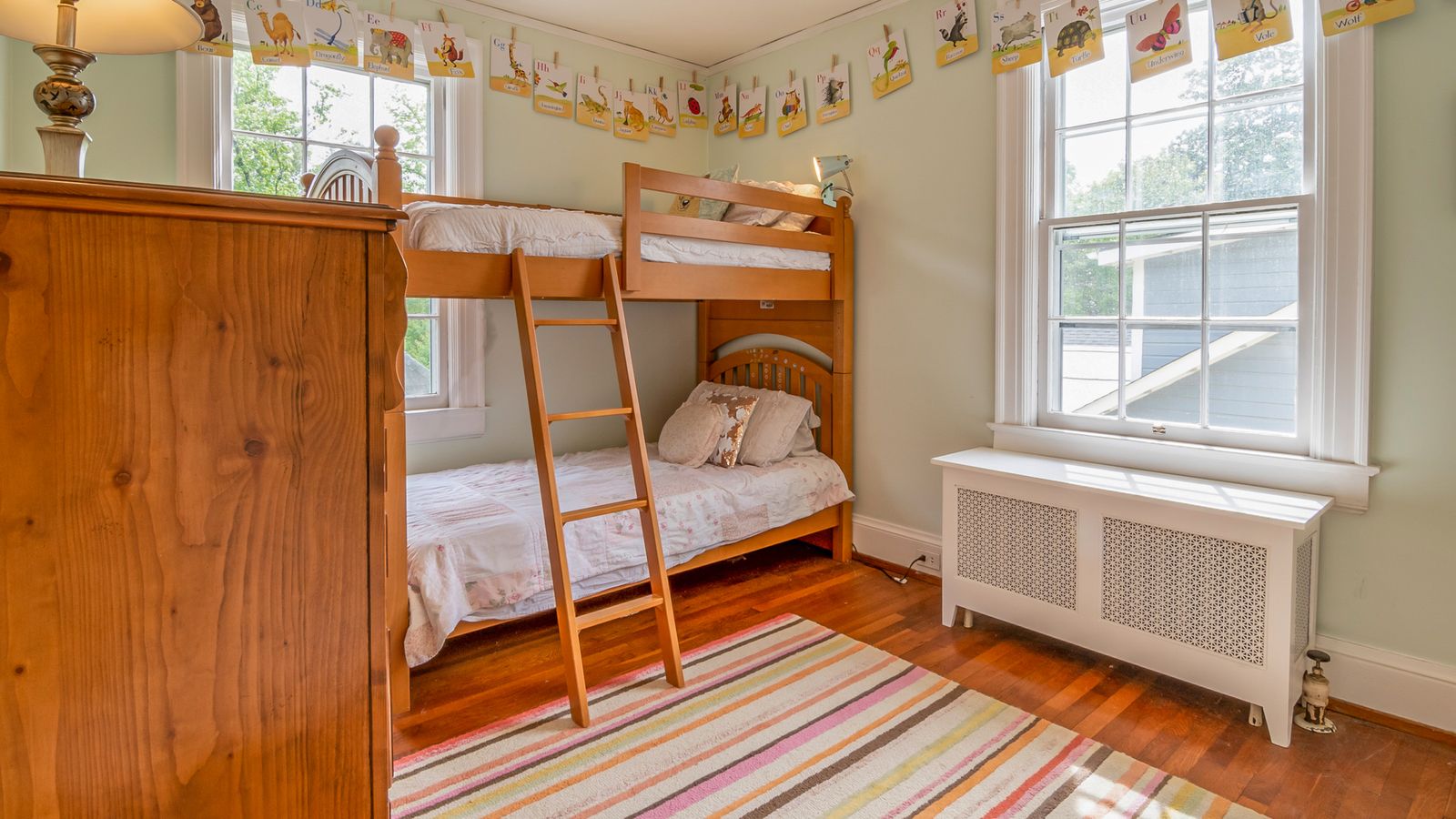
Angled ladders lean outward at roughly 60-70 degrees, similar to a staircase. They’re generally considered easier and safer to climb because the incline mimics natural walking motion. However, they extend further into the room, which can be a dealbreaker in a tight bedroom layout.
Built-In Staircases
Some bunk bed frames include a staircase with storage drawers or shelving built into each step. These are excellent for maximizing function in a small space since the stairs double as storage, but they require more floor footprint than a simple ladder and are usually sold as part of a complete bed frame rather than as an add-on.
Sliding or Rolling Ladders
Designed mainly for loft beds, sliding ladders move along a track so they can be repositioned or tucked out of the way when not in use. They’re a clever solution for rooms where floor space needs to be reclaimed during the day, though they require a compatible frame with a mounted rail.
Step 3: Check Material and Weight Capacity
Bed ladders are typically made from solid wood, metal tubing, or a combination of both. Wood ladders tend to feel sturdier underfoot and match traditional bunk bed frames, while metal ladders are lighter and often paired with modern or industrial-style beds. Whichever material you choose, confirm the manufacturer’s stated weight capacity and make sure it comfortably exceeds the heaviest person who will regularly use it – not just a child, but also any adult who might climb up to tuck someone in or retrieve something from the top bunk.

Step 4: Prioritize Rung Design and Grip
Not all rungs are created equal. Look for:
- Wide, flat rungs instead of thin round bars – they distribute weight across the foot and reduce arch strain.
- Textured or grooved surfaces that improve grip, especially for bare feet at night.
- Even spacing between rungs (typically 10-12 inches) so climbing feels natural rather than awkward.
If your household includes younger children, a ladder with slightly closer rung spacing and side rails to hold onto will make climbing noticeably safer.
Step 5: Confirm Mounting Compatibility
Bed ladders are not universal. Before purchasing a replacement or add-on ladder, check whether your bed frame uses hook-style brackets, bolt-on mounts, or a integrated slot system. Measure the distance between mounting points on your existing frame and compare it to the ladder’s specifications. If you’re buying a ladder separately from the bed itself, it’s worth confirming return policies in case the mounting hardware doesn’t match.
Step 6: Weigh Space-Saving Add-Ons
Several accessories can help a ladder work harder in a small room:
- Ladder hooks that clip onto rungs for hanging a robe, towel, or bag without adding furniture.
- Pocket organizers that attach to the ladder frame for small items like books or phones.
- Corner-mounted ladders that run diagonally across a corner rather than straight off one side, freeing up the adjacent wall for a desk or shelving.
Common Mistakes to Avoid
- Ignoring ceiling height: A steep vertical ladder still needs enough headroom at the top for a person to climb out safely onto the top bunk.
- Choosing style over function: A decorative ladder with narrow, rounded rungs may look sleek but can be uncomfortable and slippery.
- Skipping the weight rating: Many ladders are rated for a single child’s weight, not an adult occasional climber – check both.
- Forgetting nighttime visibility: A ladder that blends into a dark corner is easy to trip over; consider a contrasting color or a nearby night light.
Safety Notes
Always tighten mounting bolts and hooks periodically, since regular climbing can gradually loosen hardware. Avoid placing rugs or storage bins directly at the base of the ladder where they could become a tripping hazard. If children under six are using the top bunk, most safety guidelines recommend against it altogether, regardless of ladder type, so factor age into your decision from the start.
Quick Decision Checklist
- Have you measured available floor clearance around the bed?
- Does the ladder type (vertical, angled, staircase, sliding) match your space?
- Is the weight capacity sufficient for every likely user?
- Are the rungs wide, textured, and evenly spaced?
- Does the mounting hardware match your existing bed frame?
FAQ
What’s the smallest-footprint ladder option for a tiny bedroom?
A vertical ladder mounted flush against the bed frame takes up the least floor space, though it requires slightly more climbing coordination than an angled model.
Can I replace an angled ladder with a vertical one on the same bed?
Only if the mounting brackets are compatible or adjustable. Always check the manufacturer’s specifications before swapping ladder styles.
Are wood or metal ladders better for small spaces?
Both work well; metal ladders are usually slimmer and lighter, which can be an advantage in visually crowded rooms, while wood ladders tend to feel more solid and match traditional frames.
How do I know if a ladder is safe for younger kids?
Look for wider rungs, side rails, non-slip surfaces, and closer rung spacing. Combine this with age-appropriate supervision, since many manufacturers advise against top-bunk use for children under six.
Final Thoughts
Picking the right bed ladder for a bunk bed in a small space comes down to balancing safety, comfort, and floor footprint. Start by measuring your room’s clearance, then narrow your choice to a ladder type – vertical, angled, staircase, or sliding – that fits both your layout and the age of the climbers. Once you’ve settled on a style, double-check rung design, weight capacity, and mounting compatibility before buying. If you’re furnishing the whole bunk setup, take a look at our roundup of Bed Ladders for Bunk Beds for specific models worth considering, and browse our best toy storage picks to help keep the area around the ladder clear and trip-free.