A closet can have the best shelving in the world and still look chaotic if the bins and baskets inside it clash. Mismatched colors, random materials, and baskets that don’t quite fit their cube openings are one of the most common reasons a storage system feels “off” even when it’s technically organized. The good news is that matching storage baskets to a cube organizer isn’t complicated once you understand the handful of variables that actually matter: sizing, material, color, and texture. Get those four elements aligned and your closet reads as one cohesive system instead of a pile of random containers.
This guide walks through the exact process for pairing baskets with a cube organizer, from measuring cube openings correctly to choosing a cohesive color and material palette, so your closet or storage room looks pulled-together rather than thrown-together.
What You’ll Need
- A tape measure
- Your cube organizer (already assembled or its spec sheet/manual)
- A notepad or phone note to track measurements
- Sample swatches or photos of your closet’s existing color palette (paint, flooring, other furniture)
- A short list of candidate baskets to compare side by side
You don’t need every basket to come from the same brand as the cube organizer. What matters is that they share a consistent sizing logic and a coordinated look, which you can achieve by shopping deliberately rather than grabbing whatever is on the shelf.
Step 1: Measure Every Cube Opening, Not Just One
- Measure the interior width, height, and depth of a single cube opening on your organizer, since manufacturers often round dimensions and actual openings vary slightly from the listed spec.
- Repeat the measurement on at least two or three different cubes, especially if your unit has mixed compartment sizes (some organizers combine 13-inch and 11-inch cubes in the same frame).
- Subtract about half an inch from each dimension to get your target basket size, which leaves enough clearance for the basket to slide in and out smoothly without scraping the frame.
- Write down both the “snug fit” size and the “loose fit” size so you have a range to shop within rather than a single rigid number.
Step 2: Choose One Material Family
Mixing wire, woven seagrass, canvas fabric, and hard plastic bins in the same organizer is the fastest way to make a tidy system look cluttered. Instead, commit to one dominant material family for the majority of your baskets:
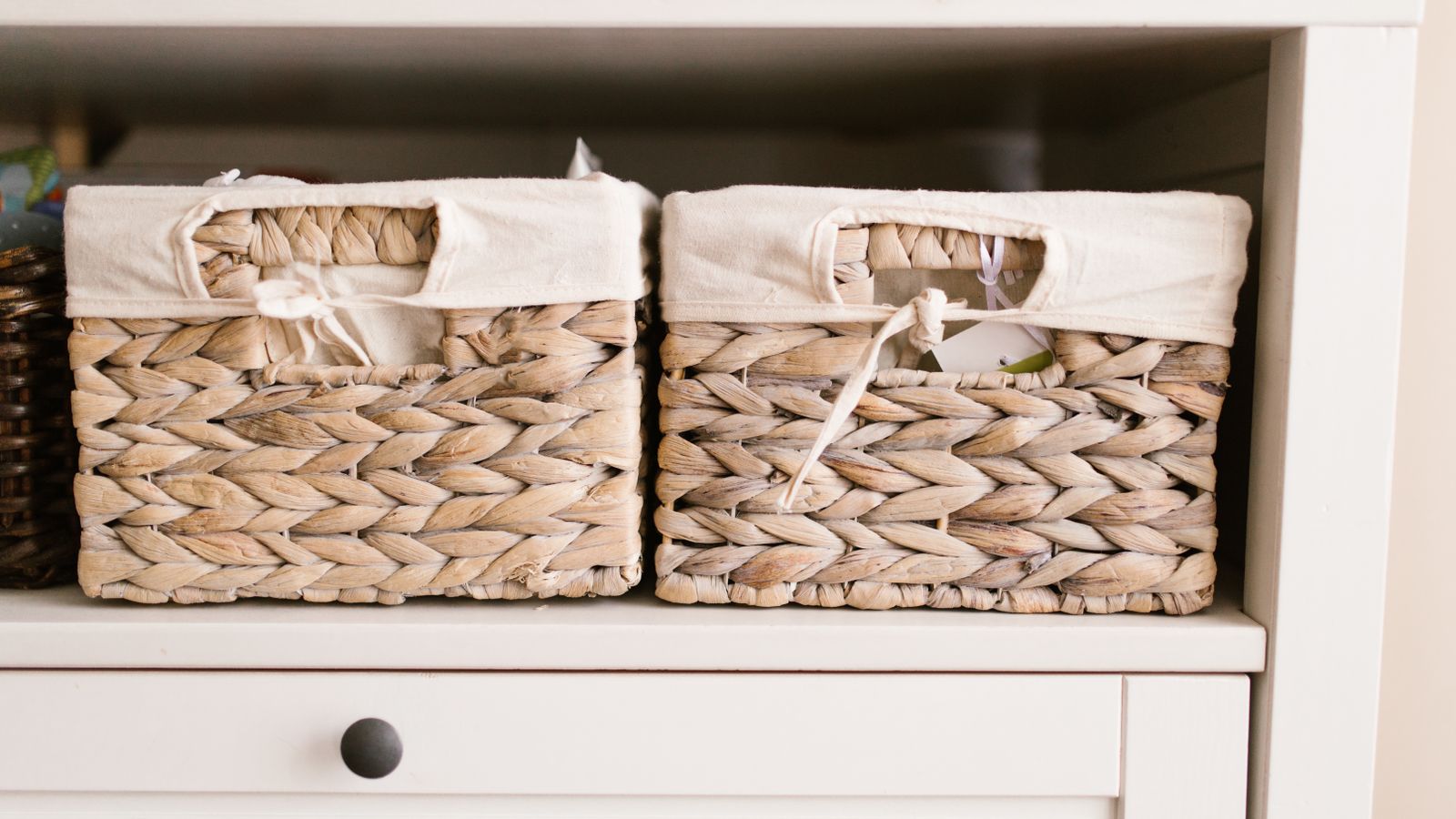
- Woven natural fiber (seagrass, water hyacinth, rattan) reads warm and casual, and hides minor dust or wear well.
- Fabric or canvas bins are lightweight, collapsible for storage, and available in the widest range of colors.
- Wire baskets give a more industrial, see-through look that works well when you want to spot contents at a glance.
- Solid plastic or acrylic bins are the easiest to wipe clean and best for closets that see spills or dust, such as garages or laundry rooms.
Pick one primary material for at least 80% of your baskets, and treat any second material as a deliberate accent (for example, one wire basket used only for a specific category like accessories) rather than a random mix.
Step 3: Build a Simple Color Palette
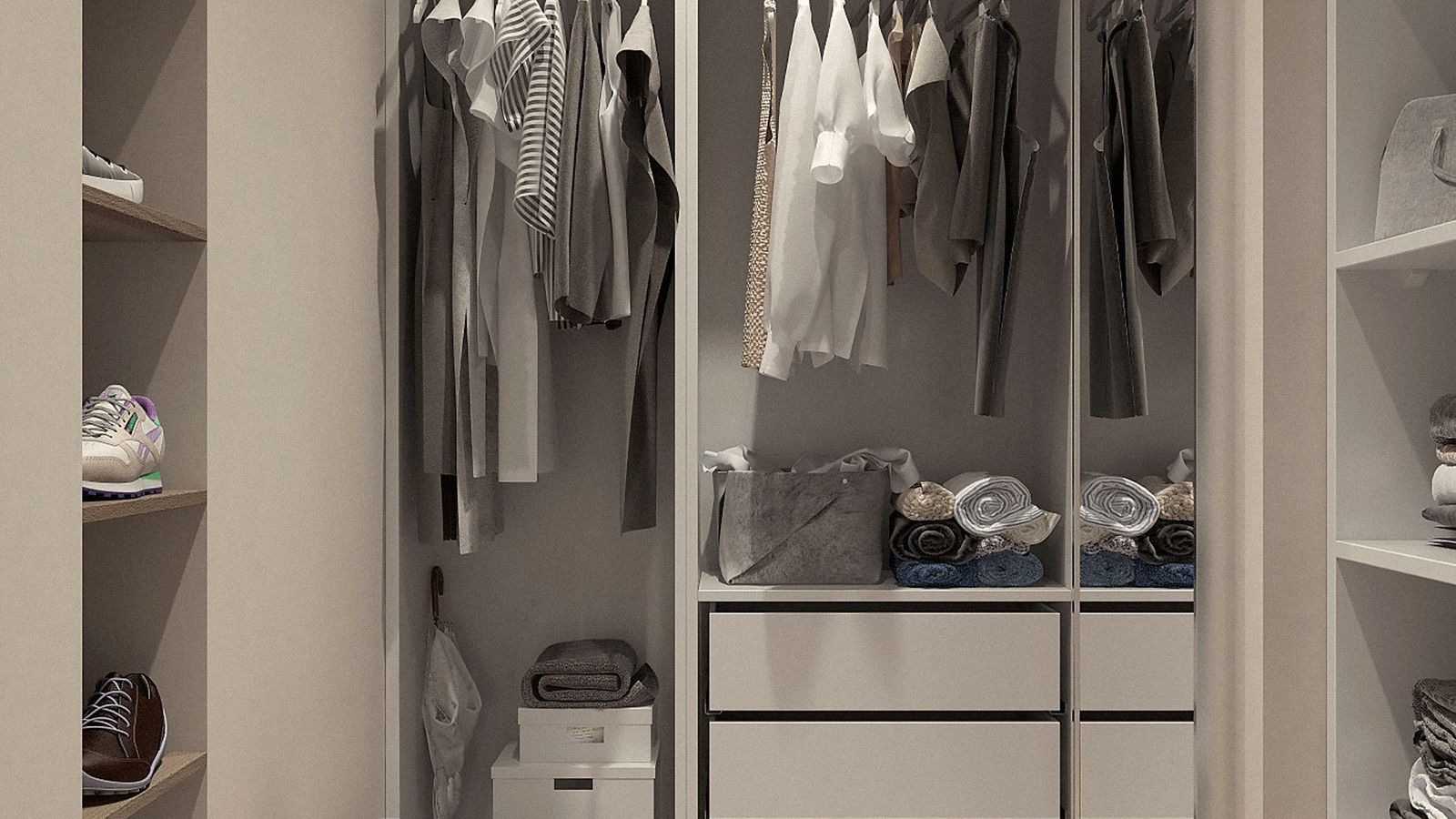
- Start with the cube organizer’s own frame color (white, black, natural wood, or gray) as your anchor.
- Choose one or two basket colors that complement that anchor rather than compete with it. Neutral frames pair well with warm neutrals like tan, oatmeal, or soft gray.
- If you want visual interest, use color to code categories (for example, all navy baskets hold linens, all gray baskets hold shoes) instead of picking colors randomly.
- Avoid using more than three colors total across the whole system, including the frame itself, so the closet doesn’t read as busy.
Step 4: Match Texture to the Room’s Overall Style
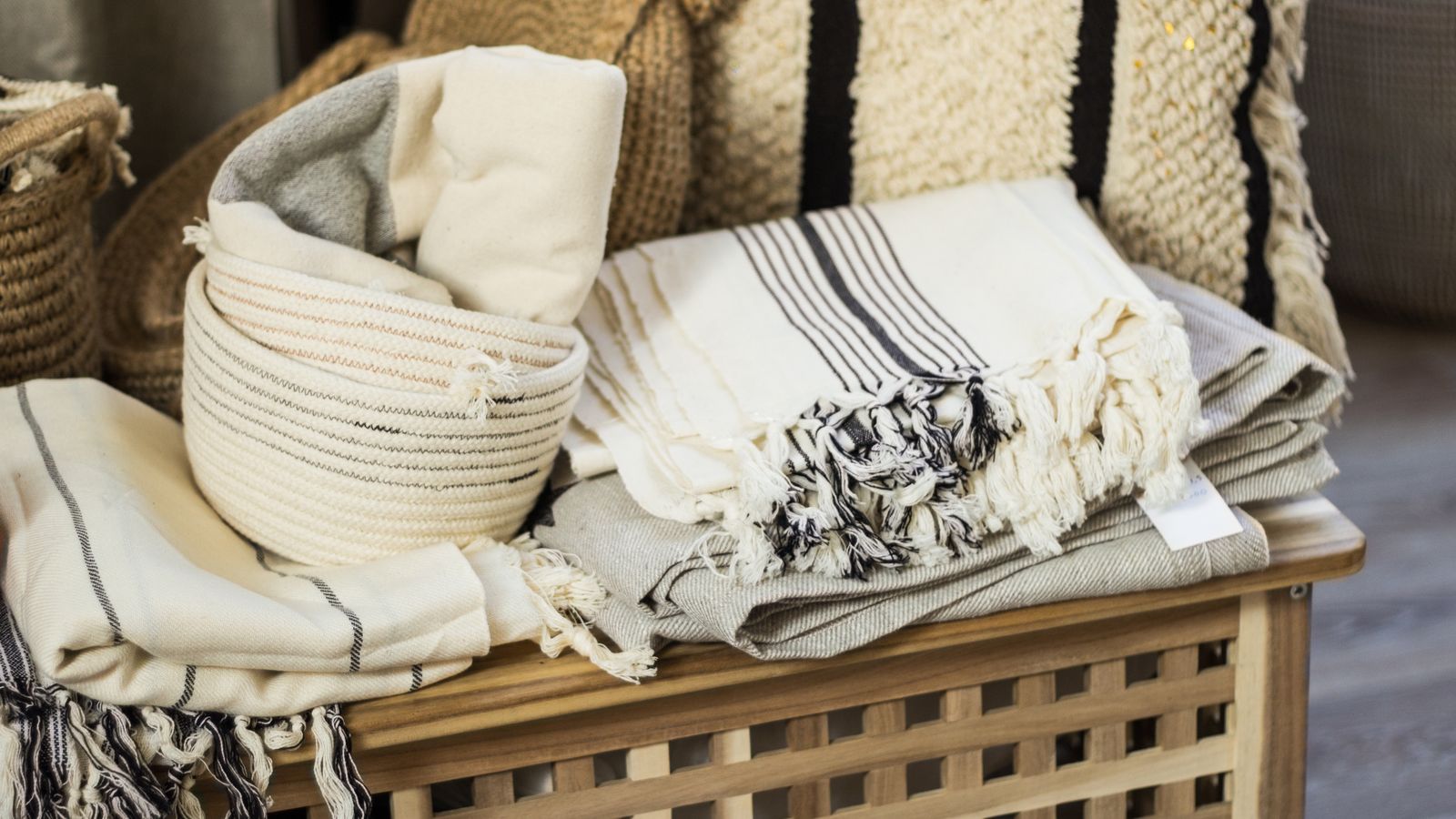
Texture is often overlooked, but it has a big impact on how “finished” a closet system feels. A sleek, modern closet with matte black hardware looks more cohesive with smooth canvas or solid-front bins than with heavily textured woven baskets, while a farmhouse-style mudroom leans naturally toward seagrass or rattan. Take a moment to look at the room’s existing finishes, flooring, and hardware before finalizing your basket choice, and lean toward textures that echo what’s already there.
Step 5: Test-Fit Before Buying in Bulk
- Order or purchase one or two baskets first rather than a full set for every cube.
- Slide the sample basket into a few different openings on your organizer to confirm it fits both the snug and loose ends of your measured range.
- Check that the basket doesn’t sag or bow the shelf above it once it holds a realistic amount of weight.
- Only buy the remaining quantity once the sample basket passes both the fit and load test.
Step 6: Label and Organize by Category
Once your baskets are matched and installed, take advantage of the visual consistency by organizing contents by category rather than by convenience. Group like items together (all off-season clothing in one basket, all extra linens in another) and consider discreet labels or tags on the front of each basket. This keeps the system functional long after the initial setup, since anyone using the closet can find what they need without pulling out every basket to check.
Common Mistakes to Avoid
- Buying baskets before measuring the cubes. Even a quarter-inch of extra width can make a basket impossible to seat properly.
- Mixing too many materials at once. Wire, fabric, and woven baskets side by side rarely look intentional unless it’s a very deliberate design choice.
- Choosing baskets with no handles or grip points. Deep cube openings are hard to access without a handle or cutout, especially on lower shelves.
- Ignoring weight capacity. Fabric bins that look sturdy can sag under heavy items like shoes or books; check the basket’s stated capacity if you’re storing anything dense.
- Overcrowding a single style. If every basket looks identical with no way to tell them apart, add small labels or color-coding by category to keep the system usable.
Safety and Care Notes
Woven natural-fiber baskets can shed small fibers over time; vacuum the cube shelves periodically to keep debris from building up. Fabric bins should be spot-cleaned rather than fully soaked unless the manufacturer specifies otherwise, and wire baskets in humid rooms (like bathrooms) should be checked periodically for rust if they aren’t coated or powder-finished. Always confirm a cube organizer’s per-shelf weight rating before loading baskets with heavier items, since overloading can bow shelving over time even if individual baskets are within their own rated capacity.
FAQ
Do storage baskets need to be the exact same brand as my cube organizer?
No. What matters is that the dimensions fit your specific cube openings and the material, color, and texture feel intentional together. Many people successfully mix a cube organizer from one source with baskets from another as long as the sizing and style are coordinated.
How many baskets should I buy for a a few cube shelf unit?
A common approach is to fill roughly two-thirds of the cubes with baskets and leave the rest open for folded items, shoes, or décor. This creates visual variety instead of a wall of identical bins.
Can I use baskets of different sizes in the same organizer?
Yes, as long as each basket is measured against its specific cube opening. Many closet systems intentionally combine a few larger baskets for bulky items with smaller ones for accessories, as long as the material and color stay consistent.
What’s the easiest way to keep the system looking cohesive over time?
Stick to your chosen material and color palette when replacing worn baskets, and resist the urge to grab a random container as a quick fix. Keeping a spare basket or two in storage that matches your set makes replacements easy.
Final Thoughts
A cohesive closet system comes down to a few deliberate decisions made early: accurate measurements, one dominant material, a limited color palette, and textures that match the room. Once those choices are locked in, matching new baskets in 2026 or replacing a worn one later becomes simple, because you’re shopping against a clear set of criteria rather than guessing. For more inspiration on the containers and organizers themselves, browse a curated roundup of Storage Baskets or compare options for a cube organizer that fits your space and style.